
Ĉu vi laciĝis pro troa plasto? Pligrandigu vian aĉeton stile per ekologie amika kosmetika pakaĵo, kiu konvinkas la generacion Z kaj tenas podetalistojn ligitaj.
Vi ne bezonas kristalan globon por vidi kien la belecindustrio iras—Ekologie Amika Kosmetika Pakadone plu nur rajdas ĉaspafilon. Ĝi kaptis la stirilon, ŝaltis rapidecregulilon, kaj lasis unuuzan plaston en la polvo. Kial? Ĉar aĉetantoj laciĝis forĵeti siajn banĉambrajn bretojn per aĵoj, kiuj vivos post jarcentoj. Reciklita kartono, replenigeblaj kompaktaj ujoj, eĉ plantebla sempapero - kio iam estis "belaj ekstraĵoj" nun estas nepraĵoj se vi volas, ke via marko estu prenita serioze.
Grandaj markoj ankaŭ ne atendas; ili rapide ŝanĝas strategiojn por kontentigi la postulojn de podetalistoj kaj malhelpi la generacion Z ignori ilin por pli ekologiaj opcioj. Se vi akiras pakaĵojn grandskale kaj ankoraŭ vetas pri tradiciaj plastoj... nu, eble vi devus alkroĉi la sekurzonojn.
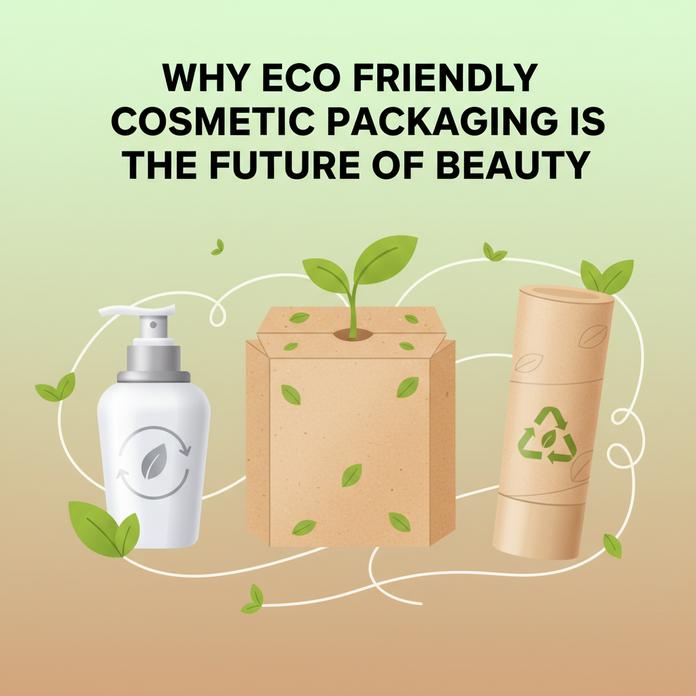
Esencaj Komprenoj pri Ekologie Amikaj Kosmetikaj Pakadoj
- La Ŝanĝo al Biodegradeblaj PolimerojBiodegradeblaj polimeroj provizas daŭripovajn alternativojn al tradiciaj plastoj, minimumigante median efikon kaj reduktante rubon en rubodeponejoj.
- Noviga Uzo de Plantebla SempaperoIntegri sempaperon en kosmetikajn pakaĵojn ne nur reduktas malŝparon, sed ankaŭ permesas al konsumantoj partopreni ekologie sanajn praktikojn plantante siajn pakaĵojn.
- Graveco de FSC-AtestadoElektado de materialoj kun atestado de la Forest Stewardship Council certigas respondecan akiron, helpante konservi arbaran biodiversecon kaj malpliigi ekologiajn spurojn.
- Avantaĝoj de Daŭripovaj Lipbalzamaj TubojDaŭripovaj lipbalzamaj tuboj uzas minimumajn materialojn, subtenante ekologie konscian konsumon kaj ankaŭ reduktante la ĝeneralajn karbonajn spurojn.
- Avantaĝoj de Replenigeblaj Kosmetikaj UjojReplenigeblaj ujoj plilongigas la vivciklojn de produktoj, draste reduktas malŝparon kaj subtenas altkvalitajn normojn por konsumantoj.
- Longdaŭraj Ŝparaĵoj per Kompostebla KartonoUzi komposteblan kartonon povas konduki al kostefika rubmastrumado kaj reduktitaj longdaŭraj elspezoj por markoj.
- Markaj Sukcesaj RakontojRimarkindaj markoj sukcese adoptas ekologie amikajn enpakojn, kiel ekzemple reciklitan kartonon, plibonigante daŭripovon kaj konsumantajn perceptojn.
La Kresko de Ekologie Amikaj Kosmetikaj Pakadoj
La belecmondo finfine atingas la planedon. Jen kiel ekologiemaj kosmetikaj pakumoj ŝanĝas la ludon.
La Ŝanĝo al Biodegradeblaj Polimeroj en Kosmetikaj Ujoj
Biodegradeblaj polimeroj kviete revolucias nian pensmanieron pri rubo. Ĉi tiuj materialoj malkomponiĝas nature, male al tradiciaj plastoj, kiuj restas dum jarcentoj. Jen kio igas ilin preferata elekto por daŭripovaj kosmetikaj pakaĵoj:
- Farita el renovigeblaj rimedoj kiel maizamelo, celulozo kaj PLA
- Malkomponu sub kompostaj kondiĉoj — ne plu malordigitaj rubodeponejoj
- Perfekta taŭgeco por markoj persekutantaj celojn pri nul-rubo
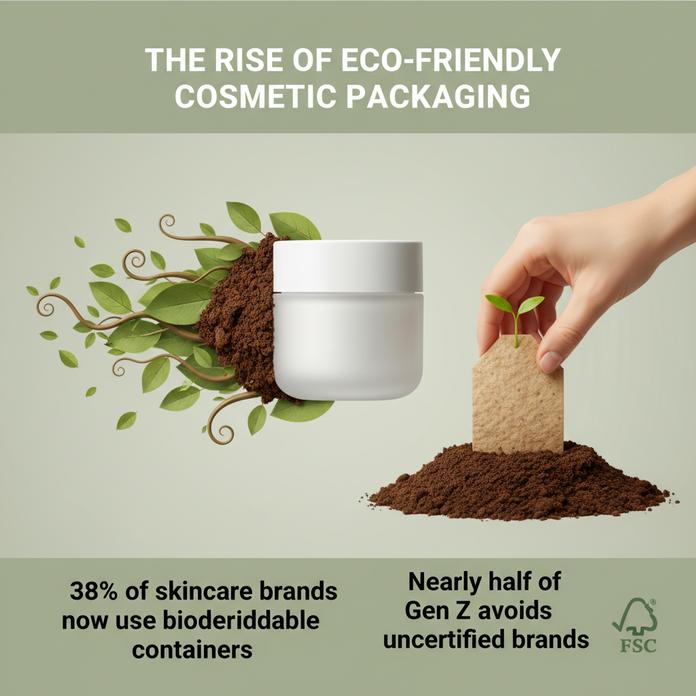
Fakte, laŭ la daŭripova raporto de Euromonitor por 2024, pli ol 38% de haŭtflegadaj markoj jam ŝanĝis al biodiserigeblaj ujoj — salto de nur 12% antaŭ kvin jaroj. Tio ne nur estas moda; ĝi estas inteligenta komerco.
Plantebla Sempapero: Ludŝanĝilo en Pakado
Vi uzas ĝin, poste vi plantas ĝin — kiel bonege tio estas? Sempapero transformas rubon en sovaĝajn florojn aŭ herbojn. Ĝi ne estas nur ekologia — ĝi estas interaga.
- Presu markigon sur sem-infuzita papero.
- Konsumantoj trempas kaj plantas la envolvaĵon post uzo.
- Rigardu bazilion aŭ lekantetojn kreski anstataŭ ĵeti rubon.
Ĉi tiu tipo de verda kosmetika pakado aldonas emocian valoron samtempe reduktante rubfluojn. Ĝi estas unika, memorinda - kaj tute biodiserigebla. Plie, ĝi instigas homojn paroli pri via marko sen eĉ troa peno.
Kial la Atestado de la Konsilio pri Arbara Administrado Gravas
Kiam vi vidas FSC-emblemon sur via locioskatolo aŭ lipoŝminktubo, tiu malgranda insigno signifas grandajn aferojn:
• Arboj uzitaj estis respondece rikoltitaj el atestitaj arbaroj • Biodiverseco kaj indiĝenaj rajtoj estis respektataj dum la akiro • Provizoĉenoj estas regule reviziitaj por malhelpi verdan ŝajnigon
Mallongdaŭraj kostoj eble estos pli altaj — sed longdaŭra fido multe rekompencas. Kiel NielsenIQ notis en sia enketo pri konsumanta fido en la unua kvaronjaro de 2024, preskaŭ duono de la aĉetantoj de la Generacio Z diris, ke ili "aktive evitas" markojn sen videblaj daŭripovaj atestiloj kiel FSC sur siaj ekologiaj pakaĵoj.
Tiu eta emblemo? Ĝi estas silenta promeso, ke via plej ŝatata belecmarko ne prenas mallongigojn — aŭ ne dehakas pluvarbarojn nenecese.
4 Kialoj Elekti Ekologie Amikajn Kosmetikajn Pakajn Elektojn
Elekti pli inteligentajn pakaĵojn ne estas nur tendenco — ĝi estas kiel belecmarkoj restas fidelaj al siaj valoroj kaj klientoj.
Daŭripovaj Lipbalzamaj Tuboj Provizas Ekologie Konscian Komforton
- Daŭrigebla enpakadofarita el bambuo, post-konsuma papero aŭ sukerkanaj bioplastoj reduktas la uzon de plasto.
- Malpezaj tuboj reduktas transportajn emisiojn, ŝrumpigante viankarbona spuro.
- Replenigeblaj push-up formatoj ofertas kaj stilon kaj daŭripovon.
Ĉi tiuj tuboj kun lipbalzamo ne nur estas belaj — ili reduktas malŝparon sen preterlasi funkcion. Kun pli kaj pli da aĉetantoj postulantajeko-dezajno, ne estas mirinde, ke ĉi tiuj tuboj transprenas ŝminksakojn.
Biodegradeblaj Kompaktaĵoj: La Saĝa Elekto por Ekologie Amika Beleco
Biodiserigebla kompakta ujo ne estas nur bonfarta elekto — ĝi estas inteligenta. Ĉi tiuj ujoj putriĝas nature, lasante nulajn mikroplastojn. Markoj uzantaj materialojn kiel maizfarunan rezinon aŭ mulditan fibron metas la normon alte por...verda beleconovigado.
Laŭ la raporto de Euromonitor International de aprilo 2024, "Pli ol duono de la konsumantoj de la Generacio Z nun prioritatigas biodegradeblecon kiam ili elektas kosmetikajn pakaĵojn." Tio ne estas nur troigo - tio estas merkata realo.
Replenigeblaj Kosmetikaj Ujoj: Redukti Malŝparon Sen Kompromiti Kvaliton
• Replenigaj kapsuloj faritaj el aluminio aŭ vitro tenas la formulojn freŝaj samtempe malpliigante la efikon sur rubodeponejojn. • Magnetaj patosistemoj permesas al uzantoj ŝanĝi kolorojn sen forĵeti la tutan paletron. • Altvaloraj finpoluroj ankoraŭ liveras tiun luksan etoson - sen la kulposento.
Replenigeblaj skatoloj pruvas, ke vi ne bezonas oferi dezajnon aŭ daŭripovon por esti afabla al la planedo. Ĉi tiujreplenigeblaj sistemojplilongigi la produktan vivdaŭron samtempe akordiĝante kun daŭripovaj valoroj.
Akvobazitaj Inkoj: La Pli Sekura Elekto por Presado
Uzi akvobazitajn inkojn signifas malpli da damaĝaj kemiaĵoj kaj malpli da poluado dum produktado kaj forigo:
- Malalt-VOC-konsisto igas ilin pli sekuraj por laboristoj kaj ekosistemoj.
- Ili bone ligiĝas kunrecikleblaj materialoj, certigante ke via presita markigo ne malhelpas recikleblecon.
- Ideala por presado sur kraft-papero, bambuaj kartonoj kaj aliajekologie amika kosmetikaĵopakaĵaj opcioj.
Ĝi estas malgranda ŝaltilo, kiu faras grandan diferencon — precipe kiam parigita kun komposteblaj etikedoj aŭ FSC-atestitaj skatoloj.
Kial Topfeelpack Gvidas la Vojon en Ekologie Amika Pakuma Novigado
Topfeelpack puŝas limojn kombinante elegantan dezajnon kun realmonda daŭripovo:
• Proponas personecigitajn solvojn uzante biodiserigebla PLA, PCR-plastojn kaj replenigeblajn formatojn. • Investas multe en esploradon kaj disvolvon, kiu celas redukti la totalan median efikon tra la provizoĉenoj. • Partneriĝas kun sendependaj markoj, kiuj volas lanĉi respondece sen kompromiti estetikon aŭ rendimenton.
De tuboj por lipbalzamo ĝis plenmezuraj kompaktaj ujoj, Topfeelpack montras kiel inteligenta dezajno povas vere funkciigiekologie amika kosmetika pakadoelektojn hodiaŭ — kaj morgaŭ.
La Kosto-Utila Analizo de Ekologie Amika Kosmetika Pakado
Rigardante kielekologie amika kosmetika pakadofinance bone aspektas — kaj nun kaj estonte. Ni analizu ĝin.
Analizante la Longdaŭrajn Ŝparaĵojn per Kompostebla Kartono
- Pli malaltaproduktokostojpro malpezaj materialoj
- Reduktas rubforigajn kostojn perredukto de rubo
- Postulas malpli da energio ol plasto, reduktante servaĵokostojn
Kompostebla kartono povus ŝajni pli multekosta komence, sed laŭlonge de la tempo ĝi draste reduktas revenantajn elspezojn. Male al plasto, kiu amasigas kaŝitajn kostojn kiel rubodeponejajn impostojn kaj reciklajn neefikecojn, kartono taŭgas en pli cirklan modelon. Markoj uzantaj ĉi tiun tipon de pakaĵo ofte vidas plibonigitajn...efikeco de provizoĉeno, precipe kiam oni sendas pli malpezajn varojn en granda kvanto. Tio ne nur estas bona por via monujo — ĝi estas pli bona por la planedo.
Ĉu la investo en ekologie amikaj maskartuboj valoras la penon?
Ekologie konsciaj maskartuboj faritaj el bambuo aŭ aluminio ofertas pli ol nur belan bretan ĉeeston:
• Plibonigojmarka reputacioper akordiĝo kun etikaj valoroj • Eksplodas kreskantajn merkatojn fokusitajn jeetika konsumo• Helpas renkonti estonteconreguliga konformeconormoj antaŭ konkurantoj
Topfeelpack spertis kreskantan postulon de belec-noventreprenoj, kiuj ŝanĝas al ĉi tiuj pli verdaj alternativoj — ne nur pro estetiko, sed ĉar ili vetas je longdaŭraj gajnoj kiel pli altaj profitmarĝenoj kaj pli forta klienta lojaleco. Kiam oni konsideras kaj median efikon kaj merkatan potencialon, ĉi tiuj tuboj ne nur estas modaj — ili estas strategiaj.
Kombinante inteligentan akiron kun daŭripova dezajno, ekologie amika kosmetika pakado montriĝas saĝa financa movo - ne nur idealisma.
Kazesploroj: Sukcesaj Markoj Uzantaj Ekologie Amikajn Enpakadon
Realmondaj ekzemploj montras kiel inteligentaj markoj renversas la scenaron pri malŝparo kaj sukcesas grande per ekologie amikaj kosmetikaj pakaĵoj.
Kiel ĉefa marko ampleksis reciklitan kartonon por pakaĵoj
Kosmetika giganto skuis aferojn forlasante virgajn materialojn kaj tute investante enreciklitaj materialoj—specife kartonon—por iliaj primaraj kaj sekundaraj pakaĵoj. Ĉi tiu movo ne nur reduktis emisiojn, ĝi ankaŭ akceliskonsumanta engaĝiĝokaj pelis seriozan markamon.
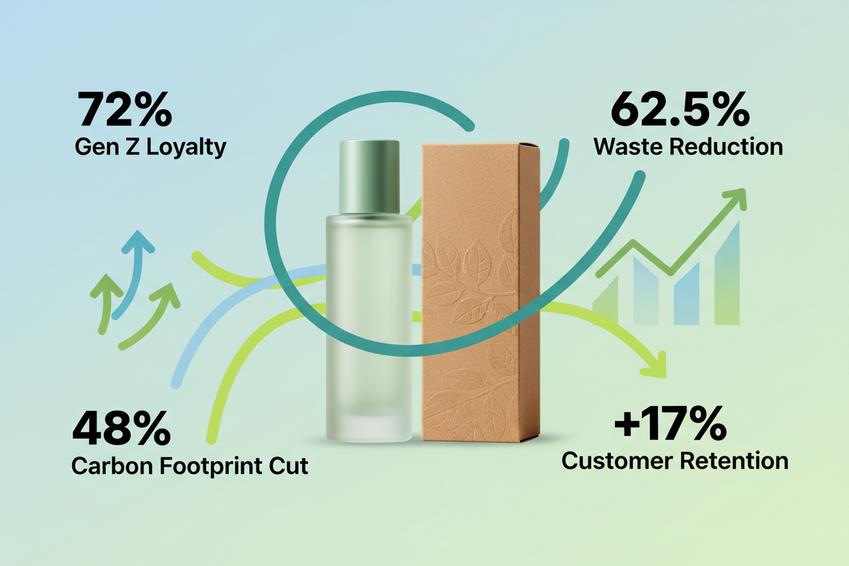
Laŭ la Daŭripova Raporto de Mintel por la unua kvaronjaro de 2024, "72% de la Generacio Z aĉetantoj diras, ke ili sentas sin pli lojalaj al markoj, kiuj uzas videblajn reciklitajn aŭ reuzitajn pakaĵojn." Tiu statistiko sole klarigas, kial ĉi tiu ŝanĝo ne nur estis bona por la planedo — ĝi ankaŭ estis brila komerca strategio.
Klientoj tuj rimarkis la ŝanĝon:
- La tera teksturo de reciklita kartono donis al produktoj altkvalitan, teran senton.
- Minimalisma dezajno kun puraj presteknikoj igis ĝin bretpreta sen esti pompaĉa.
- QR-kodoj enigitaj en la skatolon rakontis historiojn pridaŭripova alportado, aldonante emocian valoron al ĉiu aĉeto.
Per akordiĝo kun ekologiaj valoroj kaj samtempe aspektante eleganta, ĉi tiu marko ne nur fariĝis verda — ĝi atingis sian plej bonan nivelon.
Oftaj Demandoj pri Ekologie Amikaj Kosmetikaj Pakoj
1. Kio igas ekologie amikan kosmetikan pakadon allogaj por grandskalaj aĉetantoj?
- Akordigas produktadon kun daŭripovaj celoj uzanteBiodegradeblaj PolimerojkajKompostebla kartono.
- Atestiloj kiel ekzemple laArbara Intendanta Konsilio or ISO 14001 Media Administradoestabli fidon je respondeca akiro.
- Plibonigas konsumantan percepton — markoj, kiuj vidas reduktadon de malŝparo per pli puraj materialoj, ofte gajnas pli altajn lojalecpoentarojn.
2. Kiel replenigeblaj ujoj ŝanĝas markidentecon tra modernaj belecproduktoj?
Replenigeblaj kosmetikaĵujoj malfermas ripetiĝantan ciklon de reuzado: la ekstera ŝelo fariĝas trezorata, dum nur la enigaĵoj estas anstataŭigitaj.
| Elemento | Profito | Ekzempla Materialo |
|---|---|---|
| Ŝelfortikeco | Subtenas reduktitajn rubciklojn | Reciklita kartono |
| Internaj kapsulaj interŝanĝoj | Kuraĝigas klientan revenciklon | Postkonsumanta Reciklita Plasto |
Ĉi tiu ritmo inter dezajna longviveco kaj materiala anstataŭigo transformas daŭripovon en rakontadon anstataŭ nuran enpakan ŝanĝon.
3. Ĉu akvobazitaj inkoj estas vere sekuraj por presi kosmetikajn etikedojn?
- Elsendas malpli da volatilaj organikaj kombinaĵoj ol solventaj tipoj;
- Kongrua kun teksturitaj surfacoj kiel ekzempleReciklita kartono;
- Subtenu klarajn grafikajn rezultojn sen plastaj tegaĵoj, kiuj malhelpas reciklajn fluojn;
★ Multaj provizantoj kompletigas ilin perSoj-bazitaj inkoj or Malaltaj VOC-inkoj, certigante, ke presado ne aldonas nevideblan damaĝon samtempe plifortigante vidan elegantecon.
4. Kial provizantoj prioritatigu FSC- aŭ Tutmondajn Recikladajn Normojn?
Posedo de ĉi tiuj akreditoj konfirmas zorgeman forstadadministradon kaj cirklajn materialfluojn - pruvon por klientoj, kiuj deziras konfirmeblajn verdajn asertojn en produktoj kiel Verdaj Harflegadaj Boteloj aŭ Daŭrigeblaj Parfumujoj.
5. Kiuj ornamaj elektoj konservas recikleblecon sed tamen konservas markarton?
Mallonga priskribo + strukturo de kugloj: eĉ subtila gravurado povas diri multon pri metio.
- Lasera Gravurado:klara detalo sen inkotroo; ideala por altkvalitaj biodegradeblaj kompaktaj presiloj.
- Reliefaj Teknikoj kaj Reliefaj Metodoj:palpa markigo anstataŭiganta metalajn foliojn, kiuj rezistas reciklajn fluojn.
Ĉi tiuj minimalistaj gestoj lasas ekologiajn pakaĵojn flustri lukson anstataŭ kriegi ĝin tra brilo.
6. Kiel karbonneŭtrala sendado kompletigas la vivciklon de daŭripovaj kosmetikaĵaj pakaĵoj?
Plurstruktura grupigita kugloformo:
▪ UzojDaŭrigeblaj PakmaterialojkajOptimumigita Pakaĵa Grandecoredukti emisiojn ĉe ĉiu kontrolpunkto;
▪ Kombinas arojn perKonsoliditaj Sendaĵoj, tajlante transportfrekvencon.
Kiam ligitaj per Karbonneŭtralaj sendokotizoj, ĉiu pakaĵo da Daŭrigeblaj Lipbalzamaj Tuboj vojaĝas respondece — de fabrika tablo ĝis banĉambra ŝranko — kun kaj mesaĝo kaj materialo akordigitaj kun ekvilibro kun la ritmo de la Tero.
Afiŝtempo: 17-a de januaro 2026
