
Confezionepuò decretare il successo o il fallimento del tuo piano aziendale per la cura della bellezza, perché è l'aspetto lussuoso, non quello del "balsamo per le labbra da stazione di servizio", a vendere su larga scala.
Entro il 2026, lanciare un marchio di bellezza non significherà solo mescolare burro di karité con polvere di fata e sperare che venda. Creare un prodotto vincentepiano aziendale per la cura della bellezzaSignifica conoscere il proprio pubblico, pianificare il budget come ti ha insegnato la nonna e, sì, scegliere un packaging che non faccia pensare a un balsamo per le labbra da distributore di benzina. Con la Generazione Z che cancella qualsiasi prodotto che abbia un aspetto plasticoso e i rivenditori che chiedono "solo vibrazioni pulite", la strategia batte sempre le supposizioni.
La verità è che la bottiglia sbagliata può affondare il prodotto giusto. Potresti avere l'oro in un barattolo, ma se sembra un articolo in saldo da un negozio a un dollaro? Game over.
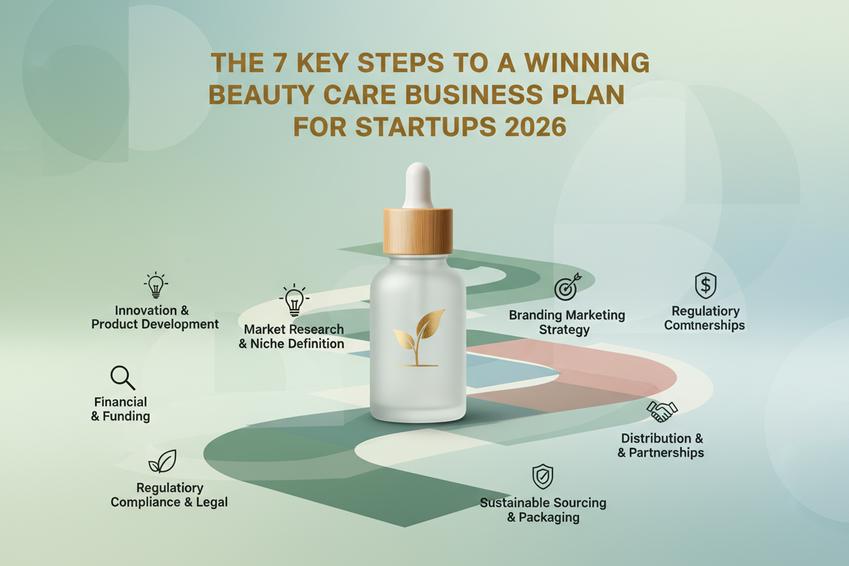
Informazioni essenziali per un piano aziendale vincente per la cura della bellezza
- Analisi di mercato: Comprendere le tendenze e le preferenze dei consumatori per personalizzare i prodotti in modo efficace.
- Dati demografici target: Identifica le caratteristiche del tuo cliente ideale per creare strategie di marketing efficaci.
- Nozioni essenziali sul budget: Stimare accuratamente i costi degli ingredienti e degli imballaggi per prevedere realisticamente i profitti.
- Proiezioni di fatturato: Analizzare i potenziali guadagni in base alle strategie di prezzo e alla concorrenza per una crescita sostenibile.
- Identità del marchio: Sviluppa una proposta di vendita unica attraverso scelte ponderate di packaging e design.
- Ingredienti di qualità: Dai priorità a materiali ecocompatibili e di alta qualità per i tuoi prodotti per attrarre consumatori consapevoli.
- Selezione del fornitore: Scegli fornitori certificati GMP per garantire sicurezza e conformità nell'approvvigionamento dei tuoi prodotti.
- Gestione della catena di approvvigionamento: Implementare strategie per consegne puntuali per evitare ritardi nella produzione e ottimizzare le operazioni.
Passaggi essenziali per creare un business plan vincente per la cura della bellezza
Per definire un piano aziendale per la cura della bellezza, è necessario innanzitutto conoscere il pubblico a cui ci si rivolge, stabilire i prezzi giusti e mantenere i costi contenuti ma intelligenti.
Analisi di mercato: un'analisi approfondita delle tendenze dei consumatori
Capire cosa è di moda e cosa non lo è nel mondo della bellezza è già metà della battaglia. Bisogna tenere tracciatendenze del settore, scavare incomportamento del consumatoree spiare il tuopanorama competitivosenza battere ciglio.
- Scopri cosa si vende velocemente: prodotti di bellezza naturali? Prodotti di bellezza coreani? Prodotti per la cura della pelle maschile?
- Scopri come i grandi player cambiano marcia quando cambiano le tendenze.
- Tieni d'occhio i marchi indipendenti per l'innovazione: spesso sono all'avanguardia.
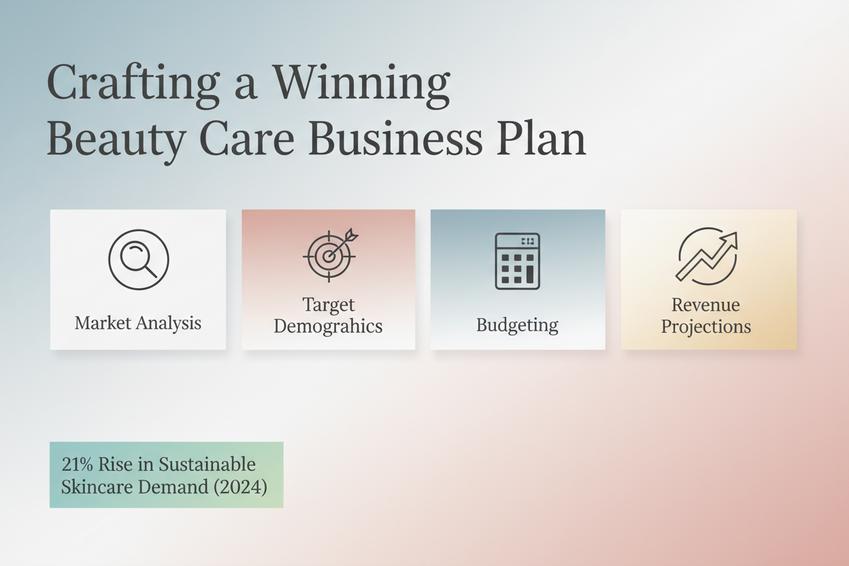
“Nel 2024, i consumatori della Generazione Z hanno determinato un aumento del 21% della domanda dicura della pelle sostenibile,” secondoMcKinsey & Companyultimo rapporto sul globaleindustria della bellezza.
Ora unisci questa intuizione con un solidoAnalisi SWOT—i tuoi punti di forza, di debolezza, le opportunità, le minacce—e otterrai un quadro chiaro su dove orientare la tua linea di prodotti. Questa parte definisce l'atmosfera per tutto il resto del tuo business plan per la cura della bellezza.
Identificazione dei dati demografici target: comprendere il cliente ideale
Non puoi vendere prodotti per la cura della pelle a tutti. Ma puoi ottenere grandi risultati concentrandoti su chi li desidera davvero e ne ha bisogno subito.
Gruppi di età e preferenze:
- La Generazione Z vuole confezioni cruelty-free e audaci.
- I Millennial adorano i sieri anti-età multifunzionali.
Livelli di reddito:
- Gli acquirenti attenti al budget preferiscono i pacchetti convenienti.
- Gli acquirenti premium desiderano esclusività e minimalismo.
Posizione geografica:
- Gli abitanti delle città acquistano più spesso online.
- Gli acquirenti delle periferie amano ancora i punti di contatto con i negozi.
Tag sullo stile di vita: • Frequentatori di palestra = trucco a prova di sudore • Mamme impegnate = soluzione rapidakit per la cura della pelle• Nomadi digitali = imballaggi compatibili con la TSA
Costruisci unprofilo del cliente ideale, quindi personalizza i prodotti come se fossero stati creati appositamente per loro. È così che trasformi i visitatori in fan fedeli all'interno della tua strategia aziendale per la cura della bellezza.
Nozioni essenziali sul budget: determinazione dei costi degli ingredienti e delle varianti di confezionamento
Parliamo di soldi: la parte poco glamour ma fondamentale per costruire solide fondamenta per qualsiasi marchio di bellezza. Se non sai dove va a finire ogni dollaro, stai volando alla cieca.
Materie prime: • Oli organici contro basi sintetiche: le differenze di prezzo sono enormi • Ingredienti attivi come retinolo o niacinamide costano di più ma funzionano meglio
Costi di imballaggio: • I barattoli di vetro sembrano lussuosi ma pesano di più = spese di spedizione più elevate • Le plastiche riciclabili sono più economiche ma potrebbero non essere adatte a marchi premium
Suggerimenti per la negoziazione con i fornitori: • Ordinare in grandi quantità per ridurre i costi unitari • Costruire relazioni a lungo termine per sconti fedeltà
Ripartizione dei costi di produzione: • Ore di lavoro per lotto • Manutenzione delle attrezzature • Costi di collaudo e conformità
Tieni d'occhio tutto questo utilizzando strumenti di inventario in tempo reale comeTopfeelpack'ssistema di fornitura integrato: semplifica sia i costi che la scalabilità all'interno di qualsiasi struttura di business plan per la cura della bellezza che si crea.
Proiezioni di fatturato: stima del potenziale di guadagno con prezzi competitivi
È qui che le cose cominciano a farsi interessanti: quanti soldi potrebbe realisticamente generare il tuo marchio?
Fattori di previsione delle vendite:
- Unità mensili vendute × prezzo medio = fatturato base
- Componenti aggiuntivi come box in abbonamento o pacchetti aumentano i margini
- I picchi stagionali durante le festività possono raddoppiare i guadagni
Opzioni di strategia di prezzo:
- Prezzi di penetrazione se sei nuovo sugli scaffali
- Prezzi basati sul valore se stai risolvendo problemi di nicchia
Analisi del punto di pareggio: se i costi fissi mensili ammontano a 8.000 dollari e l'utile unitario è di 10 dollari, dovrai vendere almeno 800 unità al mese solo per raggiungere il punto di pareggio. Qualsiasi cifra superiore a questa cifra è in piena crescita!
Il tuo obiettivo? Trovare il giusto equilibrio tra redditività e competitività per aumentare rapidamente la quota di mercato senza esaurire i budget o rischiare di perdere valore: una mossa fondamentale quando si scrive un business plan per la cura della bellezza a prova di futuro.
Costruire un'identità di marca: proposta di vendita unica
Un assassinopiano aziendale per la cura della bellezzanon si basa solo su buoni prodotti, ma prospera anche su scelte di branding indimenticabili che parlano chiaro prima ancora che venga detta una parola.
Scelta dei tipi di imballaggio: bottiglie di vetro vs. barattoli di plastica
•Bicchierele bottiglie urlano di alta qualità, ma sono più pesanti e più costose da spedire. •Plastica barattoli, d'altro canto, riducono i costi e resistono alla rottura: molto pratico per le merci in rapido movimento. • La sostenibilità è importante: riciclabilebicchieresi rivolge agli acquirenti attenti all'ambiente, mentre è basato su PETplasticapossono anche essere riciclati se etichettati correttamente.
Ora, pensa all'atmosfera: se il tuo marchio si concentra su una spa di lusso o una boutique per la cura della pelle, scegli un design elegantebicchiereimballaggio. Ma se è più quotidiano, alla moda e sensibile al prezzo? Durevolebarattoli di plasticasono la scelta migliore per un appeal di massa.
In brevi raffiche: – Sieri premium? Pensa a un contagocce satinatobottiglie. – Creme economiche? Leggere e a bocca largabarattolivincono. – Cerchi opzioni ricaricabili? Entrambi i materiali offrono soluzioni se abbinati a un design intelligente.
Qualunque cosa tu scelga dovrebbe riecheggiare la voce del tuo marchio forte e chiaro, eTopfeelpackcopre entrambe le basi con opzioni personalizzabili su misura per le tue esigenze specifiche.
Psicologia del colore nel branding: bianco opaco vs. oro lucido
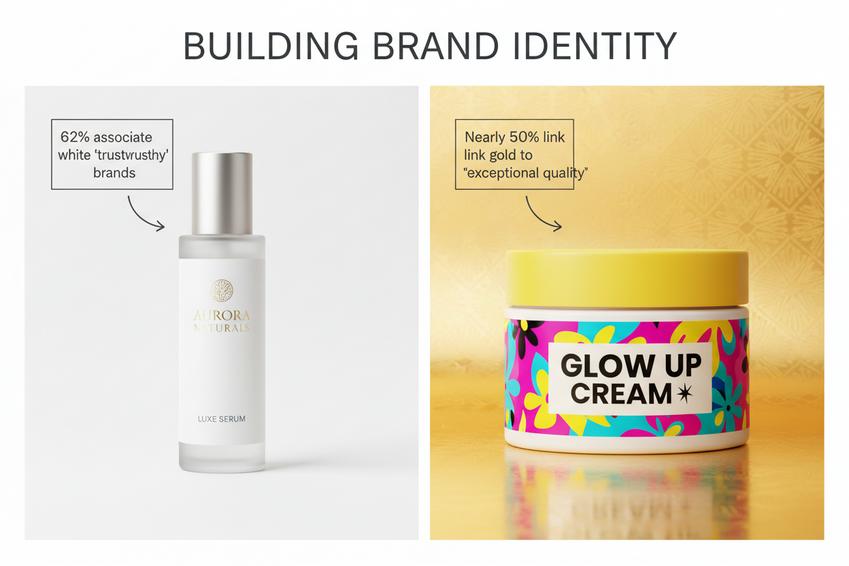
- Pulito e calmo: i marchi che promuovono un'identità minimalista spesso si appoggiano abianco opaco, emanando vibrazioni di purezza e semplicità che si allineano perfettamente con le tendenze della bellezza pulita.
- Flash & Flair – Se ti rivolgi a mercati di prestigio o a segmenti molto glamour delpiano aziendale per la cura della bellezza, niente fa girare la testa più velocemente di un ricco, riflessivooro lucidofiniture.
- Il gioco del mix: unendo questi due colori si crea un contrasto che cattura l'attenzione senza sopraffarla: il bianco come tono di base e l'oro come accento possono fare miracoli sulla presenza sullo scaffale.
SecondoMintel'sSecondo il Global Beauty Report 2024, oltre il 62% dei consumatori associa il packaging bianco a marchi "affidabili", mentre quasi la metà associa le tonalità dorate a una "qualità eccezionale". Un'attrazione emotiva? È un fattore determinante nel processo decisionale dei consumatori.
Scegli i colori non solo per l'aspetto, ma anche per come fanno sentire le persone riguardo a ciò che c'è dentro.vasoo bottiglia.
Tecniche di decorazione: stampa a caldo vs. serigrafia
⭑ Lucentezza vs Flessibilità: vuoi finiture di lusso ad alto impatto? Sceglistampa a caldo, che aggiunge una lucentezza metallica quasi impossibile da ignorare sotto le luci dei negozi.
⭑ Orientato ai dettagli? – Se hai bisogno di intricati disegni multicolori su superfici curve come barattoli rotondi otubi, quindi versatileserigrafiaè il punto forte: linee pulite ogni volta.
⭑ Fattore tattile: anche la consistenza gioca un ruolo importante; le lamine stampate hanno una sensazione tattile che l'inchiostro stampato semplicemente non riesce a riprodurre.
Raggruppati per caso d'uso: – Lancio di una linea di sieri anti-età premium? Lamina goffrata tramite accenti stampati a caldo = risalto immediato sullo scaffale. – Lancio di collezioni stagionali con grafiche audaci? Le stampe serigrafiche multistrato mantengono le immagini nitide senza sacrificare la velocità. – Hai bisogno di un branding coerente su più SKU? Combina entrambi i metodi strategicamente a seconda del materiale di base e della forma di ciascun prodotto.
In definitiva, la decorazione non è solo visiva: è parte del modo in cui i clienti percepiscono il tuo prodotto prima ancora di aprirlo. Nell'affollato panorama del branding dei prodotti di bellezza, dettagli discreti come questi possono trasformare la tua identità da semplice passe-partout a iconica.
Approvvigionamento di ingredienti di qualità per la tua attività di cura della bellezza
Costruire un solidopiano aziendale per la cura della bellezzainizia con una cosa: ingredienti di qualità. Ecco come sceglierli con intelligenza.
Materiali ecocompatibili: l'ascesa dell'approvvigionamento sostenibile
- Materiali ecocompatibilinon sono solo di tendenza: sono richiesti da oltre il 73% dei consumatori della Generazione Z e dei Millennial, secondoNielsenIQSondaggio sulla bellezza verde 2024.
- Marchi che si impegnano aapprovvigionamento sostenibilespesso si riscontrano tassi di fidelizzazione più elevati e un passaparola più forte.
- Pensa oltre l'etichetta: come sono statirisorse rinnovabilicoltivati? Qual è l'impronta di carbonio?
Data di pubblicazione: 10-gen-2026
