
სანამ ფასით შეაფასებდეთ, შესაძლოა, თქვენი ლონტონის კონტეინერი ნამდვილი გავლენიანი ფაქტორი იყოს, რადგან შეფუთვის დრამა უფრო მეტს ყიდის, ვიდრე გვპირდება.
ოდესმე გიყიდიათ ძვირადღირებული ლოსიონი და უხერხული ქუდი არ გამოგივიდათ ან კრემის ნახევარი ისე გამოგიფრქვევიათ, თითქოს რაღაცისგან გარბის? კი - თურმე თქვენი...ლონტონის კონტეინერითქვენი ბრენდის შესახებ იმდენივეს ამბობს, რამდენიც შიგნით არსებული ფორმულა. შეფუთვა მხოლოდ პლასტმასი და ტუმბოები არ არის; ეს თეატრალური წარმოდგენებია. ის მოლოდინებს აყალიბებს პროდუქტის რეალიზებამდეც კი.
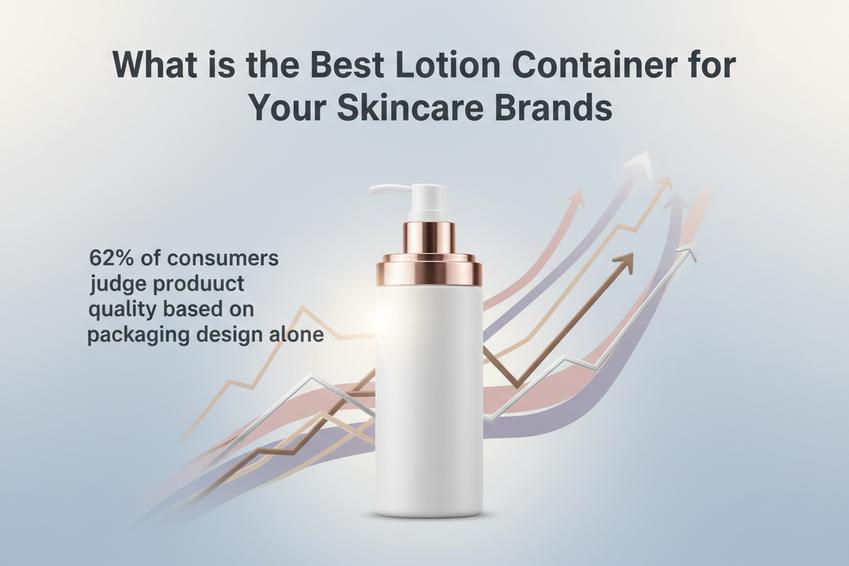
აი, რა არის მთავარი: კანის მოვლის საშუალებების მომხმარებელთა 62% პროდუქტის ხარისხს მხოლოდ შეფუთვის დიზაინის მიხედვით აფასებს (Mintel-ის გლობალური შეფუთვის ტენდენციების ანგარიში, 2023). დიდი რაოდენობით OEM გარიგებების შემთხვევაში, ეს გადაწყვეტილება ექსპონენციალურად ძვირი ან მომგებიანი ხდება.
ასე რომ, თუ თქვენ ირჩევთკონტეინერებიმხოლოდ ფასის მიხედვითაც კი, თქვენ ჭადრაკის თამაშში შაშს თამაშობთ. ეს სახელმძღვანელო განმარტავს, თუ რა არის სინამდვილეში მნიშვნელოვანი — ლოსიონის სისუფთავედან დაწყებული, ინსტაგრამის თაროებზე ფერების ფოტოგრაფიით დამთავრებული — რადგან კარგად გამოჩენა ჭკვიანურად მუშაობის ნაწილია.
ლოსიონის კონტეინერის სწორი არჩევის ძირითადი რჩევები
- შეფუთვის გავლენახარისხის აღქმა შეფუთვით იწყება; მომხმარებელთა 62% ლოსიონებს კონტეინერის დიზაინის მიხედვით აფასებს.
- დახურვის ტიპებს მნიშვნელობა აქვთ: აირჩიეთ დახურვები, როგორიცაატუმბოს დისპენსერებიგამოყენების სიმარტივისა და პროდუქტის მთლიანობის შესანარჩუნებლად.
- მასალის შესაბამისობა: დარწმუნდითFDA-ს მიერ დამტკიცებული მასალებიგამოიყენება უსაფრთხოებისა და შესაბამისობის უზრუნველსაყოფად.
- მდგრადობა მნიშვნელოვანიაეკოლოგიურად სუფთა ვარიანტებს, როგორიცაა PCR კონტეინერები, შეუძლია გაზარდოს ბრენდის მიმზიდველობა ეკოლოგიურად სუფთა მომხმარებლებში.
- დეკორაციის ტექნიკა: გამოიყენეთ ისეთი მეთოდები, როგორიცააულტრაიისფერი საფარიდა მეტალიზაცია ვიზუალური მიმზიდველობის გასაძლიერებლად და ბრენდის იდენტობის გასაძლიერებლად.
იდეალური ლოსიონის კონტეინერის არჩევა: ძირითადი მოსაზრებები
სწორის პოვნალოსიონის კონტეინერისაქმე მხოლოდ გარეგნობაში არ არის — საქმე ფუნქციონალურობაში, უსაფრთხოებასა და იმაშია, თუ როგორ აისახება თქვენი ბრენდი აუდიტორიაზე.
დახურვის ტიპების მნიშვნელობა მომხმარებლის გამოცდილებისთვის
არასწორად ირჩევთ დახურვის ვარიანტს? ეს მომხმარებელთა საჩივრების დაჩქარებული გზაა. მოდით, ყველაფერი შეუფერხებლად წარიმართოს:
- ტუმბოდისპენსერები იდეალურია კრემისებრი პროდუქტებისთვის - სუფთა, მარტივი და არეული.
- გადასაფარებელიქუდები შესანიშნავია ცალი ხელით გამოსაყენებლად შხაპის მიღებისას ან გზაში.
- ხრახნიანი თავსახურებიუზრუნველყოფს მყარ დალუქვას, მაგრამ შეიძლება მოძველებულად მოგეჩვენოთ, თუ სწორად არ იქნება შერჩეული.
- დისკის ზედა ნაწილიდახურვები აერთიანებს მოხერხებულობას და ელეგანტურ პროფილს - იდეალურია ყოველდღიური კანის მოვლისთვის.
- თუ შესხურებას ან პროდუქტის გაფრქვევას ცდილობთ, ჯარიმა გამოიყენეთ.შესხურებათავსახური
თითოეული ტიპი გავლენას ახდენს იმაზე, თუ როგორ ურთიერთქმედებენ მომხმარებლები თქვენს პროდუქტთან. გაჟონილი ბოთლი? ეს დაუშვებელია. დამაკმაყოფილებელი დაწკაპუნება დახურვისას? ნდობის მომენტალური გაძლიერება. თუ დახურვას წარმატებით დაასრულებთ, მთელი გამოცდილება წარმატებული იქნება.
ფერების ინდივიდუალური შეხამება: გამოირჩევით თაროზე
ფერი მხოლოდ გამორჩეულობაზე მეტს აკეთებს — ის ერთი შეხედვით გიყვება ისტორიას.
- შეუსაბამეთ თქვენიშეფუთვათქვენი ბრენდის ძირითადი ფერთა პალიტრის ზუსტი გამოყენებითპანტონიცნობები.
- სამიზნე დემოგრაფიული ჯგუფის მიხედვით, აირჩიეთ თამამი ან რბილი ტონები; ნათელი ფერები ახალგაზრდა მყიდველებს იზიდავს, ხოლო მიწისფერი ტონები - ეკოლოგიურად სუფთა მომხმარებლებს.
- გასცდით სტანდარტულ ფერებს - მოითხოვეთმორგებული ფერებირომ ყვირი შენ.
კაშკაშა მწვანე ფერი „სიახლეს“ ნიშნავს. მუქი ლურჯი ჩურჩულებს „ნდობას“. წითელი? სრული ყურადღების მიპყრობა.
შენივიზუალური ბრენდინგი, როდესაც სინქრონიზებულია ყველალოსიონის კონტეინერი, მყისიერად ცნობადს გხდით გადატვირთულ დერეფნებში და უპირატესობას განიჭებთ კონკურენტებთან შედარებით, რომლებიც უსაფრთხოდ იცავენ თავს.
შესაბამისობის საკითხები: FDA-ს მიერ დამტკიცებული მასალების შერჩევა
კანის მოვლის საშუალებები კანზეა დამოკიდებული, ამიტომ ნუ გამოიყენებთ საეჭვო მასალებს.
• გამოიყენეთ მხოლოდ სერტიფიცირებული პლასტმასიFDA-მ დაამტკიცა, როგორიცაა საკვების მოხმარებისთვის ვარგისი PET ან HDPE. • აირჩიეთ კონტეინერები, რომლებიც მონიშნულიაBPA-ს გარეშე, განსაკუთრებით თუ ჯანმრთელობაზე ორიენტირებულ მყიდველებზე ხართ ორიენტირებული. • ეკობრენდებმა უნდა გაითვალისწინონPCR პლასტმასი, რომელიც აკმაყოფილებს როგორც მდგრადობის, ასევე მარეგულირებელი მოთხოვნების მოთხოვნებს.
ტოპფილპაკუზრუნველყოფს, რომ მისი ყველა მასალა აკმაყოფილებდეს აშშ-ის მკაცრ უსაფრთხოების სტანდარტებს, ამიტომ თქვენ არა მხოლოდ იცავთ მათ, არამედ მომხმარებლის ნდობა პირველივე დღიდან გემსახურებათ.
კანის მოვლის საშუალებებში უსაფრთხოება არჩევითი არ არის — ის მოსალოდნელია. და თუ მას გამოტოვებთ? მოემზადეთ დაბრუნებისთვის, ცუდი შეფასებებისთვის ან უარესი... სასამართლო დავების მოსაგვარებლად.
დეკორაციის ტექნიკა თქვენი ბრენდის იმიჯის ასამაღლებლად
დასრულება ის არის, სადაც უბრალო შეფუთვა პრემიუმ შეფუთვად იქცევა.
- გამოიყენეთ ხრაშუნატრაფარეტული ბეჭდვასუფთა ხაზებისა და ბოთლში პირდაპირ წასასმელი ტექსტურისთვის, რომელიც ადვილად არ შორდება. 2) დაამატეთ ბზინვარება მეტალის დეტალებით ზუსტი წასმის გამოყენებითცხელი შტამპვა. 3) გსურთ რაიმე შეხებითი? რელიეფური ან ამოტვიფრული ლოგოები ტექსტურას მატებს და დასამახსოვრებელს ხდის მას. 4) მქრქალი საფარი ქმნის მაღალი კლასის ატმოსფეროს ფუფუნების ზედმეტად ხმამაღლა შეძახილების გარეშე. 5) ეტიკეტებიც მნიშვნელოვანია, მაგრამ ელეგანტურად შეუხამეთ ისინი მუდმივ დეკორაციის მეთოდებს, რათა ტენიანობის ზემოქმედების ქვეშ არ აიქერცლოს.
პატარა შეხებებიც კი დიდ შთაბეჭდილებას ახდენს — განსაკუთრებით მაშინ, როდესაც მომხმარებლები ლოსიონის კონტეინერს მაღაზიაში ახლოს უჭირავთ ან მოგვიანებით ონლაინ აქვეყნებენ, როგორც თავიანთი „თაროების თამაშის“ ნაწილს.
სწორად შესრულების შემთხვევაში, დეკორაცია შეფუთვას ისტორიების მოყოლად აქცევს და ხალხს თქვენი დამახსოვრება ყუთიდან დიდი ხნის შემდეგაც კი აიძულებს.
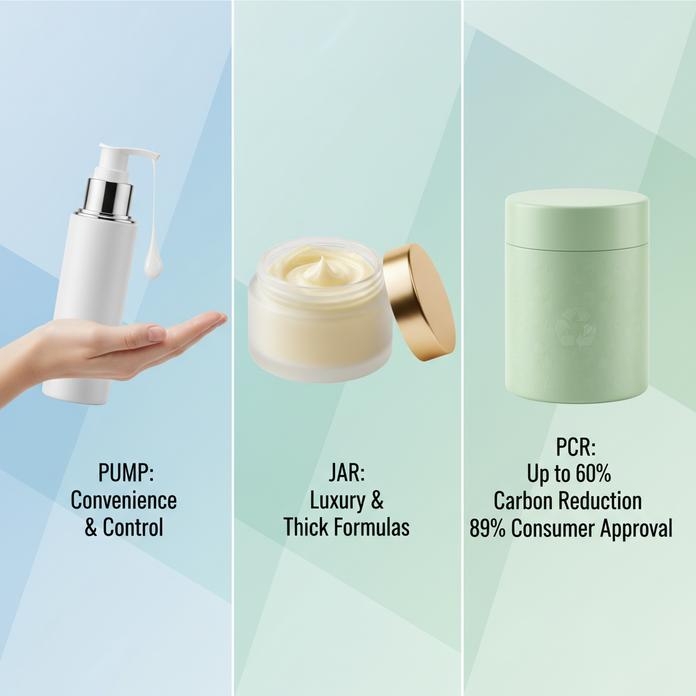
კანის მოვლის საშუალებების ბრენდებისთვის ლოსიონის კონტეინერების ტოპ 3 ტიპი
სწორი არჩევანილოსიონის კონტეინერიშეუძლია განსაზღვროს, თუ როგორ დაუკავშირდება თქვენი კანის მოვლის ბრენდი რეალურ მომხმარებლებს - ვიზუალურად, პრაქტიკულად და მდგრადად.
ტუმბოს დისპენსერები: მოხერხებულობა ხვდება კონტროლს
- ტუმბოს ბოთლისისტემები საყვარელია არეულობის თავიდან ასაცილებლად.
- უჰაერო ტუმბოდიზაინები იცავს ფორმულებს ჟანგბადის ზემოქმედებისგან.
- ლოსიონის ტუმბოთავები ცალი ხელით გამოყენების საშუალებას იძლევა - შესანიშნავია მრავალი დავალების ერთდროულად შესასრულებლად.
ასევე მიიღებთ: • ყოველ ჯერზე უფრო სუფთა წასმას • თითოეული დაჭერისას ნაკლებ პროდუქტს • მოწესრიგებულ თაროზე განთავსებას, რომელსაც მომხმარებლები აფასებენ
ჩაღრმავების ან მოჭერის ნაცვლად, მომხმარებლები უბრალოდ აკაკუნებენ ზედა ნაწილზე და იწყებენ. სწორედ ამიტომ ირჩევენ ამდენი ბრენდი ამ ტიპის...დისპენსერი, განსაკუთრებით შრატებთან ან უფრო მსუბუქ ლოსიონებთან მუშაობისას. საქმე თანმიმდევრული,კონტროლირებადი დოზა, ამავდროულად, ნივთების ჰიგიენურობისა და სისუფთავის შენარჩუნებით.
კრემის ქილები: კლასიკური არჩევანი მდიდარი ფორმულირებისთვის
კარგი ძველმოდურიკრემის ქილაკვლავ ინარჩუნებს პოზიციებს, როდესაც საქმე ეხება სქელ ტექსტურებს, როგორიცაა ტანის კარაქი ან ბალზამი.
ფართო პირით წვდომა ამოღებას აადვილებს
ტრადიციული იერსახე ნებისმიერ სააბაზანოს ფუფუნების ელფერს სძენს.
იდეალურად ერწყმის უფრო სქელ კრემებს, რომლებიც ადვილად არ მიედინება ტუმბოებში
აქ მნიშვნელოვანია შეხებითი შეგრძნება. მომხმარებლებს უყვართ მდიდარი ფორმულის შეხება და ტექსტურის უშუალოდ შეგრძნება - ეს მათ რაოდენობასა და გამოყენების არეალზე კონტროლის საშუალებას აძლევს. პრემიუმ კანის მოვლის ხაზებისთვის, კარგად შემუშავებული...კოსმეტიკური ქილაეს მხოლოდ შეფუთვა არ არის; ეს რიტუალის ნაწილია.
ეკო-ცნობიერების მქონე ვარიანტები: PCR მასალის კონტეინერები
დღევანდელ მყიდველებს ინგრედიენტებზე მეტი აინტერესებთ — ისინი ასევე აკვირდებიან, თუ რა შემადგენლობაში შედის მათი პროდუქცია. სწორედ აქPCR პლასტმასიშემოდის.
დაჯგუფებულია სარგებლის მიხედვით:
მდგრადობა:
- დამზადებულია მომხმარებლის მიერ გადამუშავებული მასალებისგან
- ამცირებს პირველადი პლასტმასის წარმოებაზე მოთხოვნას
ბრენდინგის ღირებულება:
- ეკო-ცნობიერების ამაღლების სიგნალი შეგნებული მომხმარებლებისთვის
- შეესაბამება მწვანე მარკეტინგის სტრატეგიებს
ფუნქციონალურობა:
- საკმარისად გამძლეა ყოველდღიური გამოყენებისთვის
- თავსებადია შევსებად სისტემებთან
აქ მოცემულია რამდენიმე სწრაფი მონაცემი გარემოზე ზემოქმედების შედარების შესახებ:
| მასალის ტიპი | ნახშირბადის კვალის შემცირება (%) | გადამუშავებადობის ქულა | მომხმარებელთა საშუალო მოწონება (%) |
|---|---|---|---|
| Virgin Plastic | 0 | საშუალო | 58 |
| მინა | ~20 | მაღალი | 74 |
| PCR პლასტმასი | 60-მდე | მაღალი | 89 |
ბრენდები, რომლებიც ემხრობიანეკოლოგიურად სუფთაასეთი ვარიანტები არა მხოლოდ პლანეტას ეხმარება - ისინი მომხმარებლებს კიდევ ერთ მიზეზს აძლევენ, რომ ერთგულები დარჩნენ.
რატომ დომინირებს ტუმბოს ბოთლები ყოველდღიურ რუტინაში
მოკლე ფაქტები იმის შესახებ, თუ რატომ იმარჯვებს ეს ფორმატი:
- ისინი ინტუიციურად მუშაობენ — დააჭირეთ და ლოსიონი წაისვით.
- ისინი ხელს უშლიან თითებიდან დაბინძურებას.
- ისინი ზუსტ რაოდენობას გვთავაზობენ თითო პრესაზე.
- ისინი ამცირებენ დაღვრას მოგზაურობის დროს.
- ისინი იდეალურია თხელი სითხეებისა და გელებისთვის.
მოკლედ? თანამედროვე სააბაზანოს აუცილებელი ნივთი, რომელიც ინარჩუნებს სისუფთავეს და ეფექტურობას, ამავდროულად აუმჯობესებს მომხმარებლის გამოცდილებას თითოეული ტუმბოთი.
როდის უნდა აირჩიოთ კრემის ქილები ტუმბოებზე
ზოგჯერ მხოლოდ ქილა გამოდგება — და აი, რატომ:
• გაქვთ სქელი ფორმულა, მაგალითად, ტანის კარაქი ან ბალზამი? აირჩიეთ ქილა - ის ისე არ გაიჭედება, როგორც შეიძლება ტუშები. • გსურთ, რომ თქვენი პროდუქტი „ფუფუნების“ ტონს ასხივებდეს? მყარი შუშის ქილის მობრუნების შეგრძნება ყველაფერს ამბობს. • გჭირდებათ ადგილი ბრენდინგისთვის? ქილებს ვიწრო ბოთლებთან შედარებით მეტი ზედაპირი აქვთ.
ასე რომ, თუ თქვენი პროდუქტი მდიდარი, მკვრივი ან არომატულია, გამოტოვეთ ტუმბოს გამოყენება — მის ნაცვლად გამოიყენეთ ნაზი და ნაზი ელფერი.
მდგრადი შეფუთვა მხოლოდ მოდური არ არის - ეს ჭკვიანი ბიზნესია
მოდით განვიხილოთ, თუ როგორ ეხმარება ეკოლოგიურად სუფთა გარემო არა მხოლოდ დედამიწას, არამედ სხვა ქვეყნებსაც:
➤ ბრენდისადმი ლოიალობა იზრდება, როდესაც მომხმარებლები დახლებზე მდგრადი არჩევანის პროდუქტებს ხედავენ.
➤ ხარჯები გრძელვადიან პერსპექტივაში მცირდება, რადგან გადამუშავებული მიწოდების ჯაჭვები ნედლეულზე იაფი ხდება.
➤ კანონები სწრაფად იცვლება; მომავლისთვის მზადყოფნა ახლა თავიდან აგაცილებთ ძვირადღირებულ რედიზაინს.
დამზადებული კონტეინერების გამოყენებამომხმარებლის მიერ გადამუშავებული კონტენტიეს ნიშნავს, რომ თქვენ არა მხოლოდ ამცირებთ ნარჩენებს, არამედ ადაპტირდებით მსოფლიო მასშტაბით სილამაზის პროდუქტების შეფუთვაში ერთჯერადი პლასტმასის გამოყენების შესახებ რეგულაციების გამკაცრების წინ.
და დიახ, გამძლე PCR ნარევების გამოყენებით შევსებადი ფორმატებიც კი კანის მოვლის საშუალებებში მეინსტრიმული ხდება - მასობრივი ბაზრის ბრენდებიდან დაწყებული, ბუტიკური ბრენდებით დამთავრებული, როგორიცაატოპფილპაკერთხელ უკვე გამოქვეყნდა მათ შეზღუდული ეკო-სერიების შემადგენლობაში წლების წინ.
ფუნქციონალურობასა და შეგრძნებას შორის არჩევანი: რა არის ყველაზე მნიშვნელოვანი?
მოკლე კადრები:
→ ტუმბოები = სუფთა ხელები + კონტროლირებადი გამოყენება + დახვეწილი დიზაინი → ქილები = სენსორული კმაყოფილება + უფრო მდიდარი ტექსტურები + მაღალი დონის ვიბრაცია
ორივე ტიპს თავისი ადგილი აქვს თქვენი ფორმულის ტიპისა და მომხმარებლის მოლოდინების მიხედვით, თუმცა არ დაგავიწყდეთ, რომ მდგრადობა ორივე კატეგორიაში სწრაფად იჭრება ნაწილობრივ გადამუშავებული კომპონენტების გამოყენებით ან ორივე კონტეინერის სტილში ჩაშენებული შესავსები ფორმატების გამოყენებით ჰიბრიდული მოდელების მეშვეობით.
თუ გარემოზე ზემოქმედებასთან ერთად გამოყენების სიმარტივესაც გაითვალისწინებთ, თქვენ უკვე უსწრებთ კონკურენტების უმეტესობას, რომლებიც ახალი თაობის პროდუქციის არჩევისას ჯერ კიდევ მოძველებულ პლასტმასის ყალიბებზე ფიქრობენ.ლონტონის კონტეინერიგადაწყვეტილებების ნაკრები.
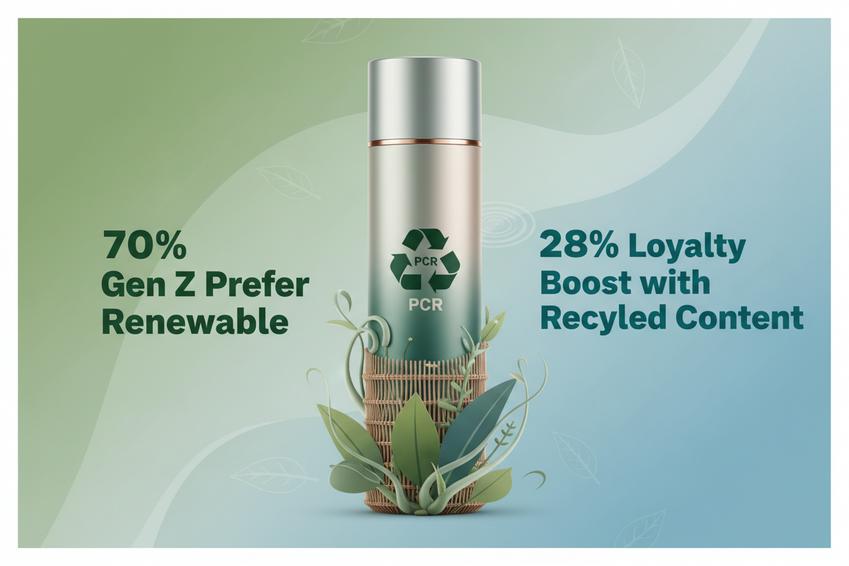
ეკოლოგიურად სუფთა ბრენდებისთვის მდგრადი ლოსიონის კონტეინერის ვარიანტები
მდგრადი არჩევანის გაკეთებალოსიონის კონტეინერიეს მხოლოდ ჭკვიანი არ არის — ის აუცილებელია მომავალზე ორიენტირებული სილამაზის ბრენდებისთვის.
ეკოლოგიურად სუფთა მასალების შესწავლა: კოსმეტიკური შეფუთვის მომავალი
• ბამბუკის, შაქრის ლერწმისა და სიმინდის სახამებლის ბაზაზე დამზადებული შეფუთვა პოპულარობას იძენს, როგორც წამყვანიეკოლოგიურად სუფთა მასალებიბუნებრივი წყაროებიდან მიღებული ეს ვარიანტები ამცირებს წიაღისეული საწვავის დამოკიდებულებას და გამოყენების შემდეგ უფრო ადვილად იშლება.
• მომხმარებლები სულ უფრო მეტად იზიდავენ ბრენდებს, რომლებიც იყენებენმცენარეული წარმოშობის პლასტმასი, განსაკუთრებით მაშინ, როდესაც ის მინიმალისტურ დიზაინთან და შევსებად ფორმატებთან არის შერწყმული.
• სოკოს მიცელიუმის ან ზღვის წყალმცენარეების ნაზავისგან დამზადებული კომპოსტირებადი ქილები კანის მოვლის დამოუკიდებელ ხაზებში ჩნდება - ფუტურისტულზე ხომ ლაპარაკია!
• ერთ-ერთი გამორჩეული? სილიკონის თავსახურიანი, მრავალჯერადი შესავსები შუშის კონტეინერები - გამძლე, ელეგანტური და უსასრულოდ გადამუშავებადი.
→ ეს ცვლილებები უფრო ფართო ასახვას ასახავსკოსმეტიკური შეფუთვის ტენდენციები, სადაც მდგრადობა ხვდება სტილს ფუნქციონალურობის შელახვის გარეშე.
→ ნავთობპროდუქტებისგან მიღებული პლასტმასისგან გადასვლაბიოდეგრადირებადი შეფუთვაეს აღარ არის ნიშური თემა — ეს ლოსიონის ბოთლების ინოვაციის ახალი ნორმაა.
→ McKinsey-ის ბოლოდროინდელი ანგარიში აღნიშნავს, რომ Z თაობის მყიდველების 70%-ზე მეტი უპირატესობას ანიჭებს შეფუთულ სილამაზის პროდუქტებსგანახლებადი რესურსები, თუნდაც ეს უფრო მეტი დაჯდეს - ეს ნათელი სიგნალია იმისა, რომ ეკოცნობიერება ახლა ბაზრის მამოძრავებელი ძალაა.
→ ბრენდები, როგორიცაატოპფილპაკდაიწყეს ჰიბრიდული გადაწყვეტილებების ექსპერიმენტები, რომლებიც აერთიანებს მრავალჯერადი გამოყენების ალუმინის გარსებს კომპოსტირებადი მასალისგან დამზადებულ შესავსებ კაფსულებთან - რაც შეუფერხებლად აერთიანებს გამძლეობას ბიოდეგრადირებადობასთან.
გადამუშავებული პლასტმასის როლი მდგრადი შეფუთვის გადაწყვეტილებებში
გამოყენებამომხმარებლის მიერ გადამუშავებული (PCR)პლასტმასი ამცირებს ნაგავსაყრელზე დაგროვილ ნარჩენებს და არსებულ მასალებს მეორე სიცოცხლეს ანიჭებს — შესრულებისა და ესთეტიკის ხარისხის შელახვის გარეშე.
ბევრი თანამედროვე ლოსიონის კონტეინერი ახლა მინიმუმ 50%-ს იყენებს.rPETრაც მათ გამონაბოლქვს უფრო მსუბუქს ხდის და ამავდროულად, თაროებზე პრემიუმ იერს ინარჩუნებს.
გადამუშავებული შინაარსის შეფუთვაში ინტეგრირება ხელს უწყობს გლობალური ტენდენციების მზარდ იმპულსს.წრიული ეკონომიკამოძრაობა.
აი, როგორ არის გადამუშავებული პლასტმასის სხვადასხვა სახეობა ერთმანეთთან შეხამებული:
| მასალის ტიპი | წარმოშობა | საერთო გამოყენება | გადამუშავებადობის მაჩვენებელი |
|---|---|---|---|
| rPET | ბოთლები და ტექსტილი | ლოსიონის ბოთლები, თავსახურები | მაღალი (~90%) |
| HDPE PCR | რძის დოქები და სარეცხი საშუალების ბოთლები | მილები და ტუმბოები | საშუალო (~70%) |
| PP PCR | საკვების კონტეინერები | ქილის სახურავები | ზომიერი (~60%) |
| LDPE PCR | პლასტიკური ჩანთები | მოქნილი ჩანთები | დაბალი (~30%) |
სწრაფი რჩევა: PCR შინაარსი ყოველთვის მკაფიოდ მონიშნეთ - მყიდველებს გამჭვირვალობა სურთ!
Euromonitor-ის 2024 წლის ბოლოსთვის მდგრადი განვითარების თვალთვალის ანგარიშის თანახმად, „ბრენდებმა, რომლებიც გადამუშავებული კონტენტის თვალსაჩინო პროცენტულ მაჩვენებლებს იყენებენ, +28%-იანი ზრდა აღნიშნეს“.მომხმარებლის ლოიალობაწლიდან წლამდე.“
და არ დაგავიწყდეთ — მოკრძალებული ლოსიონის ტუბი ახლა მთლიანად მონომასალებისგან შეიძლება დამზადდეს, რაც ამარტივებს გადამუშავებას და ზრდის საერთო ეფექტურობას მიწოდების ჯაჭვებში, რომლებიც ჭეშმარიტებაზეა ორიენტირებული.ნარჩენების შემცირება.
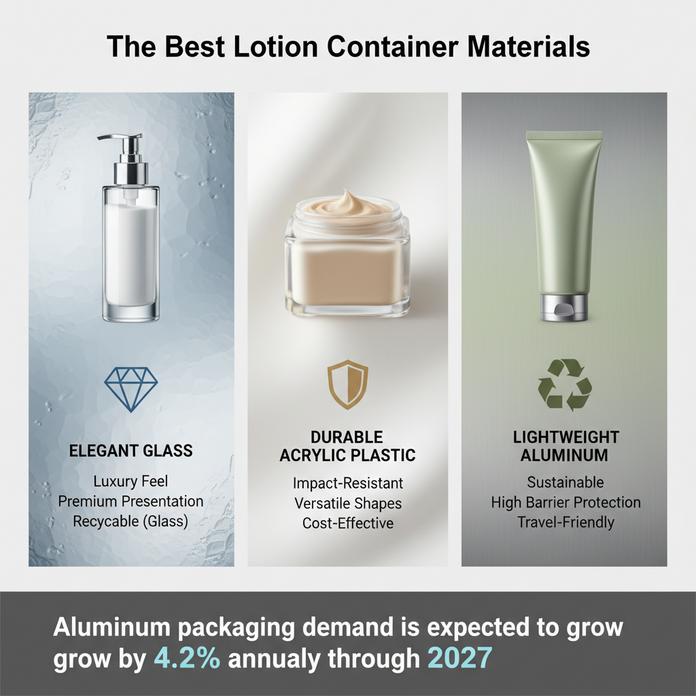
საუკეთესო ლოსიონის კონტეინერის მასალები: დადებითი და უარყოფითი მხარეები
სწორი არჩევანილოსიონის კონტეინერიმასალა მხოლოდ გარეგნობას არ ეხება — საქმე ფუნქციონალურობას, მდგრადობასა და ხელში შეგრძნებაშია.
შუშის ბოთლები: ელეგანტურობა და წონა
- დადებითი მხარეები
- მინაკივილიფუფუნებარაც შიგნით ნებისმიერ პროდუქტს მყისიერად მაღალი კლასის შეგრძნებას ანიჭებს.
- ის არ იწვევს რეაქციას, რაც ნიშნავს, რომ თქვენი ლოსიონი სუფთა და დაუბინძურებელი რჩება.
- უარყოფითი მხარეები
- მოდით, ვიყოთ გულახდილები —შუშის ბოთლებიმძიმეები არიან. ერთი შხაპში ჩააგდეთ? თამაში დასრულდა.
- მყიფეობის გარდა, მათი ტრანსპორტირება წონის გამო უფრო ძვირია.
- რეალური საუბარითუ თქვენთან ერთად სპა-ცენტრის განწყობის ამაღლებას აპირებთლონტონის კონტეინერიმინა საუკეთესო არჩევანია. მაგრამ თუ მოუხერხებელი ხართ ან გზაში ხართ? შეგიძლიათ გამოტოვოთ.
აკრილის პლასტმასი: გამძლეობა და დიზაინის მრავალფეროვნება
- საოცრად გამძლეა:მყიფე მასალებისგან განსხვავებით,აკრილის პლასტმასიარ დაიმსხვრევა დაცემისას. იდეალურია მოგზაურობისთვის განკუთვნილი ლოსიონის კონტეინერებისთვის, რომლებსაც პარკებში ყრიან.
- დიზაინისთვის მოსახერხებელი:ამ ნივთის ჩამოსხმა შესაძლებელია ველურ ფორმებსა და ფერებში - შესანიშნავია იმ ბრენდებისთვის, რომელთაც გამორჩევა სურთ.
- ეკონომიური:თქვენ მიიღებთ პრემიუმ იერსახეს პრემიუმ ფასის გარეშე.
აკრილს შეიძლება არ ჰქონდეს იგივე ეკოლოგიური ვიბრაცია, რაც მინას ან ლითონს, მაგრამ მისი ხელახალი გამოყენება მას გარკვეულ „მწვანე“ თვისებებსაც ანიჭებს.
ალუმინის კონტეინერები: მსუბუქი და გადამუშავებადი
- ძალიან მსუბუქი, მაგრამ ლურსმნებივით მტკიცე - გასაკვირი არ არის, რომ მოლაშქრეებს უყვართ ალუმინის წყლის ბოთლები.
- ბუნებრივი ოქსიდის საფარის წყალობით, ის ადვილად არ იჟანგება, რაც თქვენს ლოსიონს უფრო დიდხანს ინარჩუნებს სიახლეს.
- სრულად გადამუშავებადია მინიმალური ენერგიის მოხმარებით; კიდევ უკეთესი, ის ხშირად უკვე გადამუშავებული მასალისგან მზადდება.
„ალუმინის შესაფუთ მასალაზე მოთხოვნა, სავარაუდოდ, 2027 წლამდე ყოველწლიურად 4.2%-ით გაიზრდება“, - იუწყება Global Packaging Insight (ზიონის ბაზრის კვლევა, 2024). ეს ბევრ რამეზე მეტყველებს იმაზე, თუ საით მიემართება მომხმარებელი შემდეგი ფავორიტის არჩევისას.ლონტონის კონტეინერი.
მაშ ასე, თუ ეკოლოგიურად სუფთა ელფერით დახვეწილ გარემოს ანიჭებთ უპირატესობას? ალუმინი ნამდვილად ღირს განხილვად — როგორც სრული ზომის ბოთლებისთვის, ასევე კომპაქტური სამგზავრო ქილებისთვის.
თითოეული ეს მასალა განსხვავებულ შესაძლებლობებს გვთავაზობს თქვენი იდეალური დიზაინის შექმნისას.ლოსიონის კონტეინერიდაყენება - ესთეტიკური მიმზიდველობიდან რეალურ პრაქტიკულობამდე.
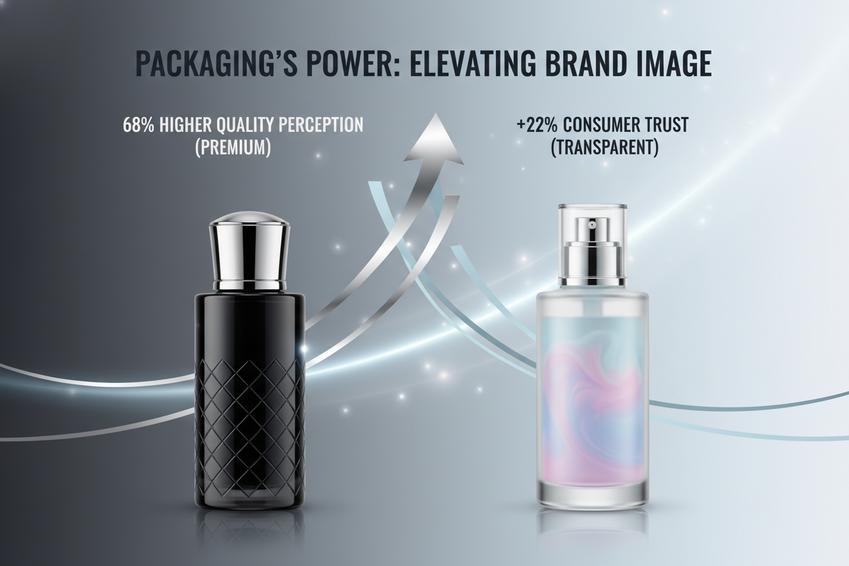
ლოსიონის კონტეინერების როლი ბრენდის იმიჯში
მკვლელილოსიონის კონტეინერიდიზაინს ბრენდის შესახებ მეტის თქმა შეუძლია, ვიდრე თვალშისაცემი სარეკლამო კამპანიას. აი, როგორ აყალიბებს შეფუთვის დეტალები აღქმას.
როგორ მოქმედებს დეკორაციისა და დასრულების ტექნიკა მომხმარებლის აღქმაზე
როდესაც საქმე ეხებადეკორაციადადასრულების ტექნიკაბრენდები არა მხოლოდ ელეგანტურობას ამატებენ, არამედ ქმნიან იდენტობას. გლუვი, მქრქალი ან პრიალა ულტრაიისფერი საფარი მხოლოდ თვალისმომჭრელი არ არის; ეს არის ტაქტილური ბრენდინგი, რომელსაც მომხმარებლები იმახსოვრებენ.
- ულტრაიისფერი საფარიანიჭებს გლუვ, დახვეწილ შეგრძნებას, რომელიც პრემიუმ-კლასს ყვირის ყოველგვარი ყვირილის გარეშე.
- მეტალიზაციაფუტურისტულ, მაღალი კლასის იერს სძენს — წარმოიდგინეთ ქრომის მსგავსი ბზინვარება, რომელიც ყურადღებას ხელის გაშლილი კუთხიდანაც იპყრობს.
- ჭედვა და ამოტვიფრვა ტექსტურირებულ გამოცდილებას უზრუნველყოფს, რაც აძლიერებსტაქტილური გამოცდილებადა პროდუქტს უფრო ექსკლუზიურს ხდის.
Mintel-ის სილამაზის შეფუთვის 2024 წლის პირველი კვარტლის ანგარიშის თანახმად, მომხმარებელთა 68%-ზე მეტი დახვეწილ დასრულებას პროდუქტის უფრო მაღალ ხარისხთან აკავშირებს - ეს პირდაპირი კავშირია შეფუთვის ესთეტიკასა და აღქმულ ღირებულებას შორის ().სილამაზის შეფუთვის მომავალი, Mintel). ეს კავშირი სასიცოცხლოდ მნიშვნელოვანია, როდესაც კონკურენციას უწევთ თაროებზე, რომლებიც სავსეა მსგავსი პროდუქტებით იდენტურ ფასების დიაპაზონში.
მოკლედ, ნუ შეაფასებთ შეხებისა და ბრწყინვალების ძალას თქვენი ბრენდის გარეგნული გარსის შექმნისას — მას შეუძლია თქვენი მთლიანი იმიჯის ამაღლება მხოლოდ დახვეწილი მინიშნებებითაც კი.
გამჭვირვალე ელფერები vs. ერთიანი ფერები: ვიზუალური მიმზიდველობა მარკეტინგში
ფერი მხოლოდ ფერი არ არის — ეს კომუნიკაციაა. არჩევანიგამჭვირვალე ელფერები or მყარი ფერებითქვენი ლოსიონის კონტეინერში რაღაცას ამბობს, სანამ ვინმე ეტიკეტს წაიკითხავს.
ქვემოთ დაჯგუფებულია დასრულების მიხედვით გავრცელებული ეფექტები:
გამჭვირვალე ტონები
- წარმოაჩინეთ პროდუქტის ტექსტურა ან ფერი - შესანიშნავია გელების ან მკვეთრი კრემებისთვის
- შემოგვთავაზეთ სისუფთავე, სიახლე ან ბუნებრივი ინგრედიენტები
- მომხმარებლებს მიეცით საშუალება, ვიზუალურად აკონტროლონ გამოყენება
გამოქვეყნების დრო: 2026 წლის 19 იანვარი
