
Mill-glamour tal-plastik għall-eco chic, ix-xejriet tal-industrija tal-ippakkjar tal-kożmetiċi u tal-prodotti tat-twaletta jġiegħlu lix-xerrejja bl-ingrossa jduru—jew jirriskjaw li jispiċċaw mitlufin.
Ix-xejriet tal-industrija tal-ippakkjar tal-kożmetiċi u l-prodotti tat-twaletta mhumiex biss qed jinbidlu—qed jiġru f'direzzjoni ġdida. Darba żmien, il-plastik tleqq kien jiddomina l-ixkafef. Issa? Ix-xerrejja jridu sostenibbiltà bir-ruħ. Materjali ekoloġiċi, fliexken li jistgħu jimtlew mill-ġdid, u disinji minimalisti huma aktar minn sempliċi kliem ewlieni—huma fattur li jwassal għal ftehimiet.
ReċentiRapport ta' NielsenIQjuri li 78% tal-konsumaturi Amerikani jgħidu li stil ta’ ħajja sostenibbli huwa importanti għalihom—u qed ipoġġu l-flus tagħhom fejn jgħixu l-valuri tagħhom. Dik mhix xi ħaġa żejda; dak hu li jmexxi l-poter tal-akkwist illum.
Għax-xerrejja bl-ingrossa, dan mhux dwar li jaqbżu fuq karru tal-moda—huwa dwar li jibqgħu fin-negozju. Il-bejjiegħa bl-imnut qed jissikkaw ir-rekwiżiti malajr, u l-marki li ma jadattawx jirriskjaw li jitħallew lura bħall-paletta glitter tal-istaġun li għadda.
Mela jekk taħseb li d-deċiżjoni li jmiss tiegħek dwar l-imballaġġ hija biss dwar il-kulur jew it-tip ta' għeluq—tajjeb, agħlaq iċ-ċinturin. Is-sostenibbiltà mhix ġejja; diġà qiegħda hawn b'idejha f'idejha.
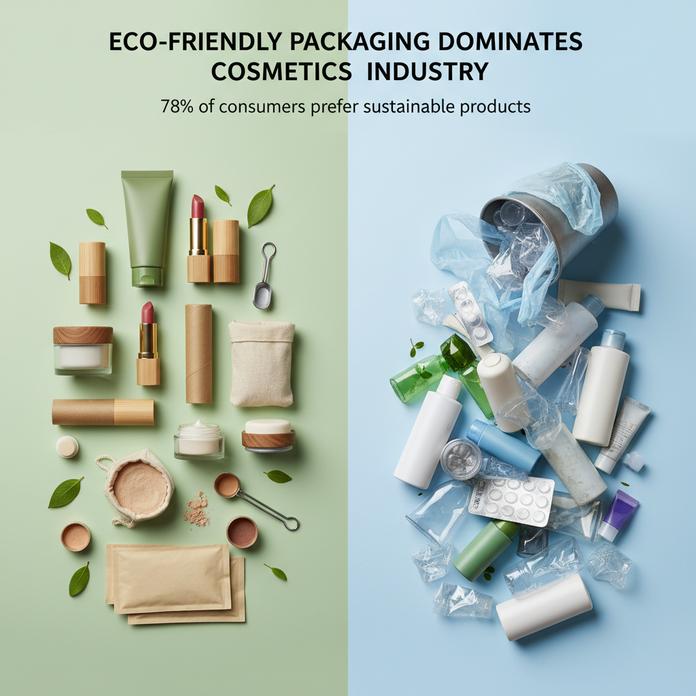
Ħarsa Ġenerali lejn ix-Xejriet tal-Industrija tal-Ippakkjar tal-Kożmetiċi u l-Prodotti tat-Tojlit
- Materjali SostenibbliL-industrija qed tmejjel ħafna lejnplastik PET riċiklatu polimeri b'bażi bijoloġika, li jipprovdu alternattivi ekoloġiċi għall-materjali tradizzjonali.
- Għażliet li jistgħu jimtlew mill-ġdidIl-marki qed jiffokaw fuqippakkjar li jista' jerġa' jimtelau kontenituri li jistgħu jerġgħu jintużaw biex jitnaqqas l-iskart tal-plastik li jintuża darba biss.
- Disinji MinimalistiImballaġġ sempliċi u simplifikat qed isir karatteristika ewlenija tal-marki tas-sbuħija moderni li huma konxji mill-ambjent.
- Kontenut RiċiklatJinkorporakontenut riċiklatfiippakkjar kożmetikuissa hija prijorità għall-atturi ewlenin tas-suq.
- Eko-ĊertifikazzjonijietĊertifikazzjonijiet bħalEcoCertuFSCqed jiġu mfittxija dejjem aktar biex jivvalidaw l-istqarrijiet dwar is-sostenibbiltà.
Għaliex il-Kontenut Riċiklat huwa l-Istandard tad-Deheb il-Ġdid
L-ispinta għalkontenut riċiklathija pedament tax-xejriet attwali tal-industrija tal-ippakkjar tal-kosmetiċi u tal-prodotti tat-twaletta.Pakkett Topfeelrat żieda fid-domanda għal materjali PCR (Post-Consumer Recycled). Għaliex? Għax l-użu ta' materjali riċiklatiPlastik tal-PETmhux biss inaqqas l-iskart—inaqqas ukoll l-impronta tal-karbonju tal-produzzjoni.
Il-konsumaturi huma għaqlin. Qed iħarsu lejn il-qiegħ tal-flixkun għal dak is-simbolu tar-riċiklaġġ. ARapport dwar is-Sostenibbiltà ta' MintelIt-T2/2024 jinnota li aktar minn 65% tax-xerrejja tas-sbuħija jfittxu struzzjonijiet dwar ir-rimi fi tmiem il-ħajja qabel ma jagħmlu xirja. Jekk il-marka tiegħek mhix qed tużakontenut riċiklat, essenzjalment qed tgħid lil dawn il-konsumaturi li ma jimpurtakx mill-futur tal-pjaneta.
Sistemi li jistgħu jerġgħu jimtlew: Minn Niċċa għal Mainstream
Fliexken li jimtlew mill-ġdid kienu offerta niċċa għal marki boutique ta' kwalità għolja. Issa, huma mutur primarju tax-xejriet tal-industrija tal-ippakkjar tal-kożmetiċi u tal-prodotti tat-twaletta fil-punti kollha tal-prezzijiet. Il-loġika hija sempliċi: żomm il-wiċċ sabiħ ta' barra.flixkun tal-lotion or vażett tal-kremau sempliċement ibdel il-pod ta' ġewwa.
Din il-bidla mhix biss favur l-ambjent; toħloq lealtà lejn il-marka. Ladarba klijent ikollu l-kontenitur primarju, ikun aktar probabbli li jibqa' mal-marka tiegħek għar-rifornimenti. Hija rebħa kemm għall-ambjent kif ukoll għall-qligħ nett.
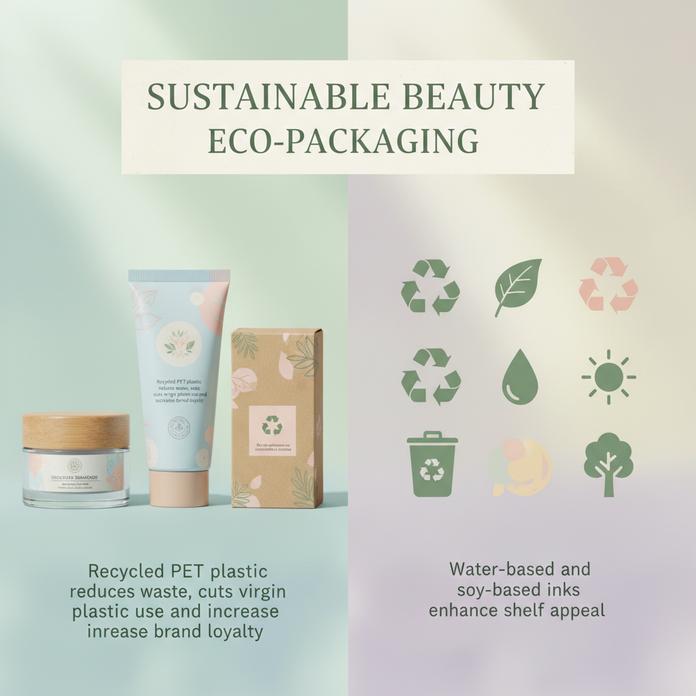
Iż-Żieda tal-Plastiks Bijoloġikament Ibbażati vs. il-Ħġieġ
Fid-dibattitu dwar il-materjali, il-plastiks ibbażati fuq il-bijo qed jiksbu popolarità. Dawn il-materjali, derivati mill-qamħirrum jew mill-kannamieli, joffru l-versatilità tal-plastik mingħajr id-dipendenza qawwija fuq il-fjuwils fossili. Sadanittant,ħġieġjibqa' favorit għall-kura tal-ġilda lussuża, iżda huwa tqil u juża ħafna enerġija biex jintbagħat.
Ix-xejriet tal-industrija tal-ippakkjar tal-kożmetiċi u tal-oġġetti tat-twaletta qed jaraw taħlita—l-użuħġieġgħall-preżenza primarja fuq l-ixkafef u plastiks ibbażati fuq il-bijo għal daqsijiet tal-ivvjaġġar jew eħfefflixkun tal-isprejgħażliet.
Minimalliżmu u Dekorazzjoni “Nadifa”
Għaddew iż-żminijiet ta’ saffi eċċessivi u linka tqila. Il-minimalliżmu huwa wieħed mill-aktar xejriet viżibbli fl-industrija tal-ippakkjar tal-kożmetiċi u l-prodotti tat-twaletta. Il-marki qed jagħżlu linka bbażata fuq is-sojja u jevitaw fojls metalliċi li jagħmlu r-riċiklaġġ diffiċli.
Il-moviment tas-“sbuħija nadifa” mhux biss dwar x’hemm ġewwa l-flixkun; huwa dwar il-flixkun innifsu. Sempliċi, eleganti, uFSCKartun iċċertifikat għall-ippakkjar sekondarju juri lill-konsumatur li l-marka tgħożż it-trasparenza u r-responsabbiltà.
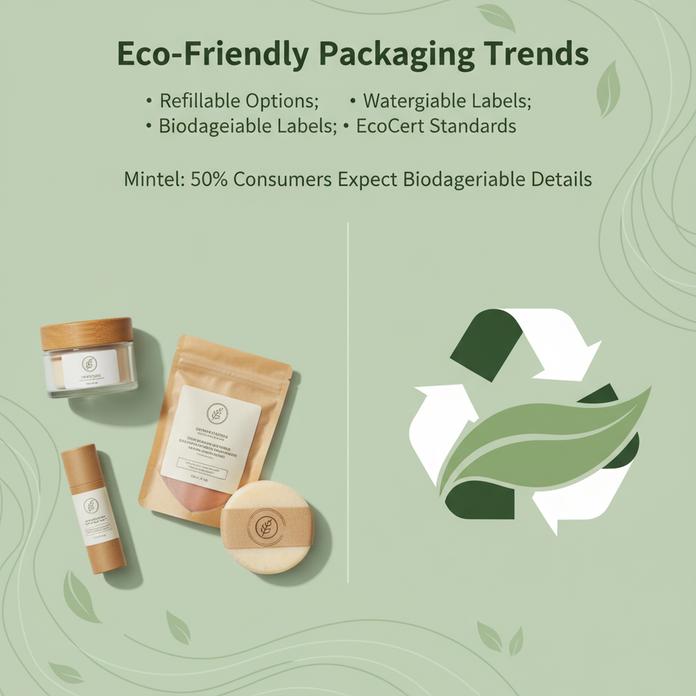
5 Xejriet Ewlenin tal-Industrija tal-Ippakkjar tal-Kożmetiċi u l-Prodotti tat-Tojlit għall-2025
| Xejra | Deskrizzjoni | Impatt fuq ix-Xerrejja |
|---|---|---|
| Mono-materjali | Imballaġġ magħmul minn tip wieħed ta' plastik (bħall-PP kollu) għal riċiklaġġ aktar faċli. | Jissimplifika l-fluss tar-riċiklaġġ u jissodisfa r-regolamenti stretti tal-UE. |
| Stazzjonijiet ta' Riforniment Intelliġenti | Fil-ħanutippakkjar li jista' jerġa' jimtelasistemi għal xampù u sapun tal-ġisem. | Inaqqas il-piż tat-tbaħħir u l-iskart tal-imballaġġ b'mod sinifikanti. |
| Ippakkjar tal-Faqqiegħ u l-Alka tal-Baħar | Materjali sekondarji tal-ippakkjar kompletament kompostabbli. | Joffri fattur ta' "wow" futuristiku u ta' teknoloġija għolja għal konsumaturi konxji mill-ambjent. |
| Sistemi bla arja | Sistemi ta' pompi mingħajr arjali jnaqqsu l-ħtieġa għall-preservattivi. | Ittejjeb il-ħajja fuq l-ixkaffa tal-prodott filwaqt li tappella għal dawk li jħobbu s-sbuħija "naturali". |
| Trasparenza Diġitali | Kodiċijiet QR fuqippakkjar kożmetikuli juru l-oriġini tal-materjal u l-perkors tar-riċiklaġġ. | Jibni fiduċja profonda permezz ta' rakkontar ta' stejjer dwar is-sostenibbiltà bbażati fuq id-dejta. |
Kura tal-Ġilda ta' Lussu: Fejn is-Sostenibbiltà Tiltaqa' mal-Prestazzjoni
Għall-marki lussużi, l-isfida hija li jżommu sensazzjoni ta' premium filwaqt li jsiru ekoloġiċi. Hawnhekk fejnsistemi ta' pompi mingħajr arjajidħlu. Jipproteġu l-formuli sensittivi mill-ossidazzjoni, u jippermettu inqas preservattivi kimiċi—domanda ewlenija fix-xejriet moderni tal-industrija tal-ippakkjar tal-kożmetiċi u l-prodotti tat-twaletta.
It-tqabbil ta'flixkun mingħajr arjab'flixkun b'żewġ kompartimentiId-disinn jippermetti li serums kumplessi jitħalltu fil-punt tal-applikazzjoni, u joffri prestazzjoni għolja f'disinn eleganti, ħafna drabiflixkun li jista' jimtela mill-ġdidformat.
Għaliex xi marki jippreferu PET riċiklat fuq il-ħġieġ?
- Jiflaħ xokkijiet tat-trasport aħjar minn dawk fraġliħġieġ
- Naqqas il-piż tal-ġarr għal iffrankar fil-loġistika bl-ingrossa
- Offerta ċarezza kristallina mingħajr ma tabbandunaStandard Globali Riċiklatmiri
It-tikketti bijodegradabbli huma għażla intelliġenti għall-kożmetiċi tas-suq tal-massa?— tweġiba rapida u preċiża: Iva, meta l-kredibilità tas-sostenibbiltà tkun importanti; iċ-ċertifikazzjonijiet tal-kompostabbiltà jgħidu lill-klijenti li l-wegħda ekoloġika hija reali anke taħt dekorazzjoni minimalista fuq disinji ergonomiċi.
Kif jistgħu l-istandards tal-EcoCert imexxu d-deċiżjonijiet tax-xiri fuq skala kbira?
| Żona ta' Influwenza | Effett |
|---|---|
| Fiduċja fil-katina tal-provvista | Jikkonferma l-konformità ambjentali mis-sors mhux ipproċessat 'il quddiem |
| Allinjament tal-materjal | LogħbietFSCkartun ċertifikat b'għeluq riċiklabbli |
| Pożizzjonament tal-marka | Jagħti sinjali ta' awtentiċità lid-distributuri ffukati fuq l-ambjent |
EcoCertjiġbed lix-xerrejja lejnsistemi ta' pompi mingħajr arjaimqabbad ma' kartun minn sorsi responsabbli.
L-għażliet ta' imballaġġ li jimtlew mill-ġdid iġibu tfaddil reali għal startups tas-sbuħija li jordnaw forom iffurmati apposta?
- Qoxra ta' barra mibnija minntubi ovali tal-aluminjujgħixu mijiet ta' użi
- It-tnaqqis fil-kontenut tal-plastik inaqqas l-ispejjeż tal-provvista fit-tul
Sommarju: L-istartups jiskopru li ż-żamma ta’ forma eleganti waħda ħajja permezz ta’ refills issaħħaħ l-identità tal-marka filwaqt li tnaqqas l-ispejjeż kontinwi tal-produzzjoni. Kemm jekk teħtieġ speċjalizzatflixkun tas-siringagħal trattamenti mmirati jew klassikustikka tad-deodorantkontenitur, l-allinjament ma' dawn ix-xejriet huwa ċ-ċavetta għal-lonġevità fis-suq.
Referenzi
[McKinsey & NielsenIQ: Il-konsumaturi jimpurtahom mis-sostenibbiltà -https://www.mckinsey.com/industries/consumer-packaged-goods/our-insights/consumers-care-about-sustainability-and-back-it-up-with-their-wallets]
[NAPCOR: Benefiċċji tal-PET wara l-Konsumatur -https://napcor.com/]
[EcoCert: Ċertifikazzjoni tal-Imballaġġ Sostenibbli 2025 -https://www.ecocert.com/en/article/why-certify-your-packaging-in-2025-5092826]
[Mintel: Industrija tal-Ippakkjar Sostenibbli u Tagħrif dwar is-Suq -https://www.mintel.com/insights/packaging/sustainable-packaging/]
[FSC: Tikketti tal-Kunsill tal-Amministrazzjoni tal-Foresti -https://fsc.org/en/label]
[Skambju tat-Tessuti: Standard Globali Riċiklat (GRS) -https://textileexchange.org/standards/recycled-claim-standard-global-recycled-standard/]
[Assoċjazzjoni tar-Riċiklaturi tal-Plastik: Disinn għar-Riċiklabbiltà -https://plasticsrecycling.org/]
Ħin tal-posta: 30 ta' Diċembru 2025
