
လိုးရှင်းပန့်ဖွင့်နည်းနဲ့ အခက်တွေ့နေလား။ စမတ်ကျတဲ့ ဝယ်သူတွေက ဘာကြောင့် ဖောက်သည်တွေကို နှစ်သက်စေပြီး အမှတ်တံဆိပ် သစ္စာစောင့်သိမှုကို ထိန်းသိမ်းပေးတဲ့ ထုပ်ပိုးမှုကို ရွေးချယ်ကြလဲဆိုတာ ကြည့်ပါ။
ပုလင်းတစ်လုံးကို လိမ်ပြီး ထိုးဆွနေတာမျိုး၊ ပလတ်စတစ်ဗုံးသေးသေးလေးတစ်လုံးကို ဖယ်ရှားနေသလိုမျိုး လိမ်ပြီး ထိုးဆွနေတာမျိုး ကြုံဖူးလား။ အဲဒါက “လိုးရှင်းစုပ်စက်ဖွင့်နည်း” ရဲ့ နောက်ကွယ်က ဇာတ်လမ်းပါ။ စုပ်စက်တစ်လုံး မကောင်းတာနဲ့ ရုတ်တရက် သင့်ထုတ်ကုန်ရဲ့ ကြယ်ငါးပွင့်သုံးသပ်ချက်က ရေဆင်းပိုက်ထဲက ပတ်ပတ်လည်ကို ပတ်ပြေးနေသလိုပါပဲ။
ဒီမှာ အရည်အသွေးထုပ်ပိုးခြင်းအရေပြားအောက်ပိုင်းထက် ပိုပါတယ်။ အသုံးပြုသူတွေ ကျေနပ်သလား၊ လှည့်စားခံရသလားဆိုတာကို ဆုံးဖြတ်ပေးတဲ့ သေးငယ်တဲ့ ယန္တရားတွေ—လိမ်တဲ့သော့ခလောက်တွေ၊ စပရိန်တင်းအား၊ actuator ဒီဇိုင်း—တွေပါ။
အရMintel ရဲ့ အလှအပနဲ့ ကိုယ်ရေးကိုယ်တာ စောင့်ရှောက်မှု ထုပ်ပိုးမှု အစီရင်ခံစာအမေရိကန်စားသုံးသူ ၆၁% ကျော်က အသုံးပြုရလွယ်ကူမှုသည် ရနံ့ သို့မဟုတ် ဖော်မြူလာထက် အမှတ်တံဆိပ်သစ္စာစောင့်သိမှုကို ပိုမိုအကျိုးသက်ရောက်သည်ဟု ဆိုကြသည်။ သင်မှန်မှန်ကန်ကန်ဖတ်မိပါသည် - ဖွင့်မလာရင် သူတို့က ပြန်လည်မှာယူမှာ မဟုတ်ပါဘူး။
ဒါကြောင့် ကျွန်တော်တို့ဟာ လိုးရှင်းစုပ်စက်တွေရဲ့ ကုလားကာကို ဆွဲချလိုက်ပါတယ်- ဘယ်အမျိုးအစားတွေက ဘယ်ထုတ်ကုန်တွေနဲ့ ကိုက်ညီလဲ၊ ဘယ်လိုဖွင့်ရမလဲ၊ “ပရီမီယံ” လို့ပြောတဲ့ ပေးသွင်းသူတွေဆီကနေ စမတ်ကျတဲ့ ဝယ်သူတွေ ဘာကို တောင်းဆိုသင့်လဲဆိုတာပါ။
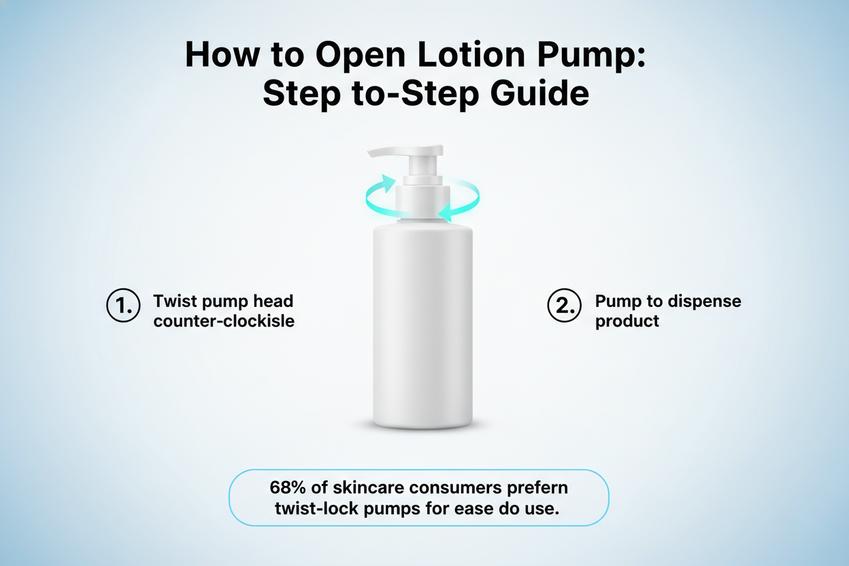
လိုးရှင်းစုပ်စက်ဖွင့်နည်း- အဆင့်ဆင့်လမ်းညွှန်
လိုးရှင်းပန့်ထုပ်ပိုးမှုကို ဘယ်လိုမှန်ကန်စွာဖွင့်ရမလဲဆိုတာ ဒီမှာပါ။
မတူညီသော ပန့်အမျိုးအစားများကို ခွဲခြားသတ်မှတ်ခြင်း- လိုးရှင်းပန့် လှုပ်ရှားမှုများနှင့် ထုတ်ပေးသည့် ယန္တရားများ
သင့်ရဲ့ pump အမျိုးအစားကို နားလည်ခြင်းက ပြဿနာကို တစ်ဝက်ဖြေရှင်းပေးနိုင်ပါတယ်လိုးရှင်းစုပ်စက်ဖွင့်နည်းထုပ်ပိုးမှု။ အသုံးများသော ပုံစံများစွာရှိသည်-
- စံသတ်မှတ်ထားသော တွန်းချသည့်စုပ်စက်များသော့ခတ်ကော်လာများနှင့်အတူ
- လှည့်၍ဖွင့်နိုင်သော actuator များလက်ဆေးဆပ်ပြာများတွင် မကြာခဏတွေ့ရလေ့ရှိသည်
- လေမဲ့ထုတ်ပေးသည့်စက်များdip tube အစား vacuum pressure ကို အသုံးပြုသည်
အရMintel ၏ ထုပ်ပိုးမှု လမ်းကြောင်းများ အစီရင်ခံစာ ၂၀၂၄ ခုနှစ် ဒုတိယသုံးလပတ်၆၈% ကျော်၊အသားအရေထိန်းသိမ်းမှု သုံးစွဲသူများသည် လှည့်ပတ်သော့ခတ်ထားသော ပန့်များကို နှစ်သက်ကြသည်အသုံးပြုရလွယ်ကူစေရန်နှင့် ယိုစိမ့်မှုကာကွယ်ရန်အတွက်။ သင့်ပန့်၏ဒီဇိုင်းကို သိရှိခြင်းဖြင့် ၎င်းကို မှားယွင်းသောနည်းလမ်းဖြင့် အတင်းဖွင့်ခြင်းမှ ရှောင်ရှားရန် ကူညီပေးသည်။
အဆင့် ၁: ဖွင့်ပွဲအတွက် သင့်ထုတ်ကုန်ကို ပြင်ဆင်ခြင်း
တစ်ခုခုကို လော့ခ်ဖွင့်ဖို့ မစခင်မှာ စနစ်ထည့်သွင်းမှုကို မှန်ကန်စွာ လုပ်ဆောင်ပါ။
• တည်ငြိမ်စေရန်အတွက် ပုလင်းကို ပြားချပ်ခြောက်သွေ့သော မျက်နှာပြင်ပေါ်တွင် ထားပါ။
• ဦးထုပ် သို့မဟုတ် ကော်လာဧရိယာမှ အဆီ သို့မဟုတ် အကြွင်းအကျန်များကို သုတ်ပါ။
• အပေါ်ယံကို ပလတ်စတစ်ထုပ် သို့မဟုတ် အဖုံးအကာ ဖုံးအုပ်ထားဆဲ ရှိမရှိ စစ်ဆေးပါ။
အဆင့် ၂: ပန့်ယန္တရားကို အလွယ်တကူ လော့ဖွင့်ခြင်း
အခု စသုံးရမယ့်အချိန်ရောက်ပါပြီ။ လိုးရှင်းစုပ်စက်အများစုရဲ့ ဖွင့်ပုံကတော့ ဒီလိုပါ။
- လည်ပင်းအောက်ပိုင်းကို အောက်ခြေအနီးတွင် ခိုင်မြဲစွာကိုင်ထားပါစုပ်စက်ခေါင်း
- အပေါ်ပိုင်းကို နာရီလက်တံပြောင်းပြန်လှည့်ပါ—များသောအားဖြင့် လေးပုံတစ်ပုံခန့်လှည့်ပါ
- ဘာမှမဖြစ်ပါက၊ ထပ်မံလှည့်နေစဉ် အပေါ်သို့ ညင်သာစွာဆွဲတင်ပါ။
- ပိတ်မိနေတုန်းလား။ နာရီလက်တံပြောင်းပြန်လှည့်ပြီးမှ နာရီလက်တံလည်ပတ်မှုတစ်ကြိမ်လှည့်ကြည့်ပါ။
ပန့်အများစုကို အသုံးပြုသူရှုပ်ထွေးစေရန်မဟုတ်ဘဲ ပို့ဆောင်ရေးဘေးကင်းရေးအတွက် ဤနည်းဖြင့် ဒီဇိုင်းထုတ်ထားသည်။ ၎င်းကို အလွန်အကျွံအတင်းမဆွဲပါနှင့် - အတွင်းပိုင်းအစိတ်အပိုင်းများကို ပျက်စီးစေနိုင်သည်။ကော်လာသို့မဟုတ် actuator။
အဆင့် ၃: အကောင်းဆုံးအသုံးပြုမှုအတွက် ချောမွေ့စွာလည်ပတ်မှုကို သေချာစေခြင်း
လော့ခ်ဖွင့်ပြီးသည်နှင့် ထိုကလေးကို စမ်းသပ်ကြည့်ပါ-
- ထုတ်ကုန်စိမ့်ဝင်သည်အထိ အကြိမ်ပေါင်းများစွာ ဖိထားပါ
- လေက အရင်ထွေးထုတ်ရင် ဆက်ဖိထားပါ - ပူဖောင်းတွေကို ရှင်းပေးရုံပါပဲ
- လှုပ်ရှားမှုကို ခုခံမှုမရှိဘဲ ချောမွေ့စွာခံစားရကြောင်း သေချာစေပါ
သင်ရည်မှန်းထားတာက ဒီလိုပါ။
| စမ်းသပ်လုပ်ဆောင်ချက် | မျှော်မှန်းထားသော ရလဒ် | ပြဿနာရှာဖွေဖြေရှင်းခြင်း အကြံပြုချက် |
|---|---|---|
| ပထမဆုံးနှိပ်ခြင်း | လေထုတ်လွှတ်မှုများ | ပုံမှန်—ဆက်လက်၍ ဖိသွင်းပါ |
| ဒုတိယ/တတိယ ပုံနှိပ်ခြင်း | ထုတ်ကုန်စတင်ထွက်ရှိပါပြီ | နှေးနေရင် ဆက်စုပ်ပါ |
| ဖိထားသည့်အခါ ခုခံအား | တသမတ်တည်း တုံ့ပြန်ချက် | အလွန်အကျွံနှိပ်ခြင်းကို ရှောင်ကြဉ်ပါ |
သန့်ရှင်းသော ပန့်သည် သင့်ပန့်ကို နေ့စဉ်အသုံးပြုရန် အဆင်သင့်ဖြစ်ကြောင်း ဆိုလိုပြီး မနက်တိုင်း ၎င်းကို ရုန်းကန်ရန် မလိုအပ်ပါ။
ဖွင့်ပြီးနောက် နေ့စဉ်အသုံးပြုရန်အတွက် အကျဉ်းချုပ် အကြံပြုချက်များ
• နော်ဇယ်ပေါက်များမှတစ်ဆင့် ယိုစိမ့်မှုမဖြစ်အောင် መልእክትကို መልእክትတွင် သိမ်းဆည်းပါ
• ခြောက်သွေ့သောထုတ်ကုန်ကို ရေနွေးဖြင့် အဖျားတစ်ဝိုက်တွင် အပတ်စဉ် သန့်ရှင်းရေးလုပ်ပါ။
• ပြန်လည်လော့ခ်ချပါက အလွန်အကျွံ မတင်းကျပ်ပါနှင့်—လုံခြုံစေရန် လုံလောက်ရုံသာ
လိုးရှင်းစုပ်စက်ဒီဇိုင်းများကို မည်သို့မှန်ကန်စွာဖွင့်ရမည်ကို သင်နားလည်ပြီးသည်နှင့် ၎င်းတို့ကို ကောင်းစွာအလုပ်လုပ်စေရန်မှာ ရိုးရှင်းသောအလေ့အကျင့်များနှင့်သာ သက်ဆိုင်ပါသည်။
အပိုဆုထိုးထွင်းသိမြင်မှု- အချို့သောပန့်များသည် မပျက်စီးဘဲ "ပျက်စီး" နေသည်ဟု အဘယ်ကြောင့်ခံစားရသနည်း။
ပန့်အချို့သည် ပိတ်ဆို့နေပုံရသော်လည်း ချို့ယွင်းချက်လုံးဝမရှိပါ။ ၎င်းတို့သည် actuator အတွင်းရှိ စပရိန်များနှင့် အဆို့ရှင်များကဲ့သို့သော အတွင်းပိုင်းအစိတ်အပိုင်းများအကြား သင့်လျော်သော ချိန်ညှိမှုသာ လိုအပ်ပါသည်။ လိမ်နေစဉ်အတွင်း ခုခံမှုကို ခံစားရသော်လည်း ရွေ့လျားမှုမရှိပါက လှည့်လိုက်သောအခါ အနည်းငယ်မြှောက်ကြည့်ပါ။ ၎င်းသည် အတွင်းပိုင်းတင်းမာမှုကို ပြန်လည်သတ်မှတ်ပေးသည်။
ဤလှည့်ကွက်များကို သိရှိခြင်းက အချိန်ကုန်သက်သာစေပြီး ပြီးပြည့်စုံသော ထုတ်ကုန်များကို ပစ်ချခြင်းမှ ကာကွယ်ပေးပါသည်။
ပုလင်းကို မပစ်ခင် စစ်ဆေးရမည့်စာရင်းကို အမြန်ပြန်သုံးသပ်ပါ
✔ တံဆိပ်အားလုံးကို ဖယ်ရှားပြီးပြီလား။ ✔ လက်မလျှော့ခင် နှစ်ဖက်စလုံးကို လှည့်ပြီးပြီလား။ ✔ ခြောက်သွေ့တဲ့ ထုတ်ကုန်မှာ တစ်ခုခု ပိတ်ဆို့နေပါသလား။ ✔ ငါးကြိမ် ဖြည်းဖြည်းချင်း ညှစ်ထုတ်ကြည့်ဖူးပါသလား။
အားလုံးမှာ ဟုတ်တယ်၊ ဒါပေမယ့် ကံမကောင်းသေးဘူးဆိုရင်—တကယ်တော့ ချို့ယွင်းနေတာ ဖြစ်နိုင်ပါတယ်။ (ရှားရှားပါးပါး)။ မဟုတ်ရင်၊ အခု ပရော်ဖက်ရှင်နယ်တစ်ယောက်လို ခက်ခဲတဲ့ လိုးရှင်းထုတ်စက်တွေကိုတောင် ဘယ်လိုကိုင်တွယ်ရမလဲဆိုတာ သင်သိပါပြီ။
ပြီးတော့—ပရီမီယံ အသားအရေထိန်းသိမ်းမှုထုပ်ပိုးမှုလိုမျိုးကို ကိုင်တွယ်နေတယ်ဆိုရင် Topfeelpack ရဲ့လေမဲ့စနစ်များဒီဇိုင်းအချို့သည် ရိုးရာစုပ်စက်များကို လုံးဝကျော်သွားနိုင်ပါသည်။
လိုးရှင်းစုပ်စက်များကို ဖွင့်ရန်ကြိုးစားသည့်အခါ အဖြစ်များသောပြဿနာများ
လိမ်ကောက်ပြီး ဘာမှထွက်မလာဖူးလား။ သင်တစ်ယောက်တည်း မဟုတ်ပါဘူး - လိုးရှင်းစုပ်စက်တွေ အလုပ်လုပ်အောင်လုပ်ဖို့က ထူးဆန်းစွာ ခက်ခဲနိုင်ပါတယ်။
သင်ကြားမှုအားနည်းခြင်း- အလှကုန်ပန့်တပ်ဆင်မှုများကို နားလည်ခြင်း
- အသုံးပြုသူ စိတ်ရှုပ်ထွေးမှုများသည် ညွှန်ကြားချက်များ ပျောက်ဆုံးနေခြင်း သို့မဟုတ် မရှင်းလင်းခြင်းတို့ဖြင့် မကြာခဏ စတင်လေ့ရှိသည်။ပန့်ပုလင်းအများစုဟာ အသုံးပြုသူတွေက သူတို့ရဲ့လုပ်ဆောင်ချက်ကို သိတယ်လို့ ယူဆပြီး လက်စွဲစာအုပ်ကို လုံးဝကျော်သွားကြပါတယ်။
- A အလှကုန်စုပ်စက်ပုံမှန်အားဖြင့် အောက်ပါ အစိတ်အပိုင်းများ ပါဝင်သည်-—စုပ်စက်ခေါင်း—နှစ်ပြွန်—အက်ကတာ စပရိန်—အိမ်ရာခန်း
- ဒီဇိုင်းက brand အလိုက် ကွဲပြားပါတယ်ဆိုလိုတာက သင်တစ်ခုဖွင့်ဖူးရင်တောင် နောက်တစ်ခုနဲ့ ခလုတ်တိုက်မိနိုင်ပါတယ်။
တကယ့်အားသာချက်ကဘာလဲ။ အချို့ကို ပို့ဆောင်ရန်အတွက် သော့ခတ်ထားပြီး ယန္တရားကို လော့ခ်ဖွင့်ရန် တည့်တည့်လှည့်ရန် လိုအပ်ပါသည် - သင်ယခင်က မမြင်ဖူးပါက အမြဲတမ်းသိသာထင်ရှားမည်မဟုတ်ပါ။
စိတ်ပျက်အားငယ်မှုကို ရှောင်ရှားရန် အမြန်နည်းလမ်းတစ်ခု ရှိပါသည်။
- လည်ပင်းအနီးတွင် မြှားတစ်ချောင်း ရှိမရှိ စစ်ဆေးပါ - ၎င်းသည် မကြာခဏ လိမ်သွားသည့် ဦးတည်ရာကို ပြသလေ့ရှိသည်။
- အဖုံးအောက်တွင် ခိုးဝှက်ထည့်သွင်းနိုင်သော လက်စွပ်များ သို့မဟုတ် အလုံပိတ်များ ရှိမရှိ ကြည့်ပါ။
- ဘာမှမရွေ့ရင် အတင်းမလုပ်ပါနဲ့။ အချို့သောစုပ်စက်များသည် လိမ်ပြီးနောက် အပေါ်သို့ ညင်သာစွာဆွဲရန် လိုအပ်သည်။
လမ်းညွှန်ချက်မပါဘဲ လိုးရှင်းစုပ်စက်အမျိုးအစားများကို မည်သို့ဖွင့်ရမည်ကို တွေးနေပါက မှတ်ထားပါ- မြင်သာအောင် ဝှက်ထားသော စက်ပိုင်းဆိုင်ရာ သဲလွန်စလေးများကို နားလည်ခြင်းသာဖြစ်သည်။
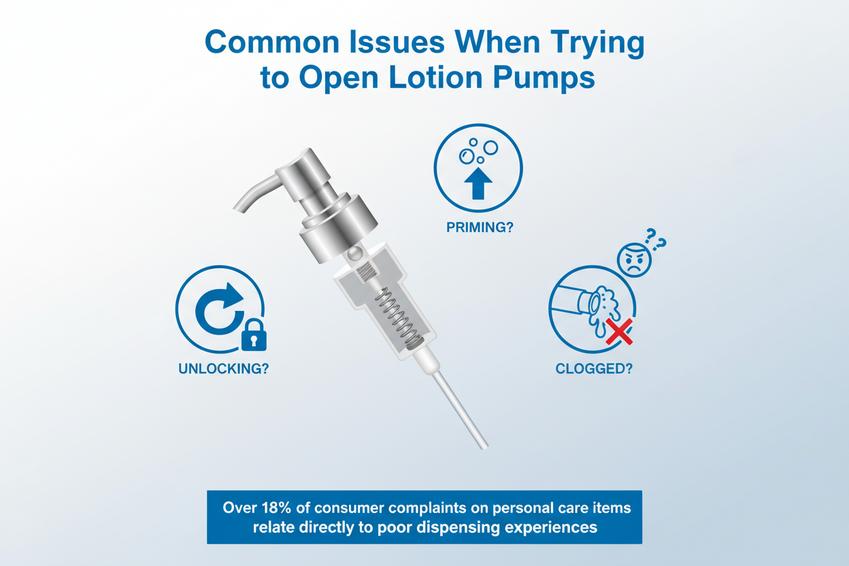
လည်ပတ်ရာတွင် အခက်အခဲ- ချောမွေ့စွာလည်ပတ်မှုဆိုင်ရာစိန်ခေါ်မှုများကို ကိုင်တွယ်ဖြေရှင်းခြင်း
ချောမွေ့စွာလည်ပတ်နိုင်မည်ဟု အာမမခံနိုင်ပါ - သင်အရာအားလုံးကို မှန်ကန်စွာလုပ်ဆောင်ပြီးဟု သင်ထင်မြင်သည့်တိုင်။
▪️ အခန်းအတွင်းရှိ လေအိတ်များကြောင့် တစ်ခုခုထွက်လာရန် ပန့်အသစ်များသည် အကြိမ်ပေါင်းများစွာ ဖိရန် လိုအပ်နိုင်သည်။ ၎င်းကို ဟုခေါ်သည်ပရီမီယံဖြည့်ခြင်း၊ ပြီးတော့ ဒါဟာ လုံးဝပုံမှန်ပါပဲ။
▪️ အလွန်အကျွံပွတ်တိုက်မှုအတွင်းပိုင်းအစိတ်အပိုင်းများကြားတွင် ဖိလိုက်သောအခါ ခုခံမှုဖြစ်စေနိုင်သည်စုပ်စက်ခေါင်းအထူးသဖြင့် ထုတ်လုပ်မှု ခံနိုင်ရည်များ လုံလောက်စွာ မတင်းကျပ်ပါက။
▪️ “ပိတ်မိ” နေတယ်လို့ ခံစားရတဲ့ ထုတ်ပေးတဲ့ အရည်မှာ စင်ပေါ်မှာတင်ထားတဲ့ အချိန်ကတည်းက ထုတ်ကုန်တွေ ခြောက်သွေ့နေနိုင်ပါတယ်—ဟုတ်ပါတယ်၊ အသစ်စက်စက်တွေတောင် သိုလှောင်ထားစဉ်မှာ အနည်းငယ် ပိတ်ဆို့နိုင်ပါတယ်။
အရEuromonitor ရဲ့ ၂၀၂၄ ခုနှစ် ပထမသုံးလပတ် ထုပ်ပိုးမှု အစီရင်ခံစာကိုယ်ရေးကိုယ်တာထိန်းသိမ်းမှုပစ္စည်းများနှင့်ပတ်သက်သည့် စားသုံးသူတိုင်ကြားချက် ၁၈% ကျော်သည် ညံ့ဖျင်းသောထုတ်ပေးမှုအတွေ့အကြုံများနှင့် တိုက်ရိုက်သက်ဆိုင်ပြီး အံ့သြစရာကောင်းလောက်အောင် မြင့်မားသောအရေအတွက်သည် ဖော်မြူလာပြဿနာများထက် လုပ်ဆောင်မှုပြဿနာများတွင် အဓိကအခြေခံသည်။
နောက်တစ်ကြိမ် သင့်စုပ်စက် မလှုပ်ဘူးလား။ ဒါကို စမ်းကြည့်ပါ-
- ဖြည်းဖြည်းချင်း အပြည့်ထိုးပါ (အမြန်ထိုးခြင်းမဟုတ်ပါ)။
- သိမ်းထားတာ အရမ်းကြာရင် ရေနွေးနဲ့ ခဏလောက် ဖွင့်ပေးပါ။
- တစ်ဝက်တစ်ပျက် မနှိပ်ပါနှင့်—စီးဆင်းမှုစတင်သည်အထိ အပြည့်အဝအောက်သို့နှင့် အပေါ်သို့ အပြည့်နှိပ်ပါ။
ပိတ်ဆို့နေသော ဆေးပမာဏ ပေးသည့် ယန္တရား- ပြုပြင်ထိန်းသိမ်းမှုနှင့် သန့်ရှင်းရေးအတွက် အကြံပြုချက်များ
လက်တွေ့ကျကျပြောရရင် အကြွင်းအကျန်တွေစုပုံလာခြင်းက အရာအားလုံးကို မြန်မြန်ပျက်စီးစေပါတယ်။ အရည်အသွေးမြင့်စုပ်စက်တွေတောင် အထဲမှာ ခြောက်သွေ့တဲ့ထုတ်ကုန်တွေ ပိတ်မိနေလို့ အချိန်ကြာလာတာနဲ့အမျှ ပိတ်ဆို့သွားတတ်ပါတယ်။နော်ဇယ်သို့မဟုတ် အတွင်းပိုင်းဆေးပမာဏ ယန္တရား.
ပိတ်ဆို့ခြင်းကို ဖြစ်စေသော အကြောင်းရင်းများမှာ အောက်ပါအတိုင်းဖြစ်သည်- • အခန်းအပူချိန်တွင် ပျစ်လာသည့် viscosity မြင့်မားသော လိုးရှင်းများ • မကြာခဏ အသုံးမပြုခြင်းကြောင့် အညစ်အကြေးများ စုပုံလာခြင်း • လေနှင့်ထိတွေ့ခြင်းကြောင့် အပေါက်တစ်ဝိုက်တွင် ကြွပ်ကြွပ်အလွှာများ ဖြစ်ပေါ်ခြင်း
အလုပ်ဖြစ်သော သန့်ရှင်းရေး အကြံပြုချက်များ- – ပုလင်းမှ ပန့်ကို လုံးဝဖယ်ရှားပါ – ဆပ်ပြာအပျော့စားနှင့် ရောစပ်ထားသော ရေနွေးထဲတွင် ၁၀ မိနစ်ခန့် စိမ်ပါ – နှုတ်သီးထိပ်ကဲ့သို့သော ကျဉ်းမြောင်းသော အပေါက်များတွင် သွားကြားထိုးတံ သို့မဟုတ် ဂွမ်းစကို အသုံးပြုပါ
| ပြဿနာရင်းမြစ် | ရောဂါလက္ခဏာ | အမြန်ပြင်ဆင်ခြင်း | လိုအပ်သော ကြိမ်နှုန်း |
|---|---|---|---|
| အကြွင်းအကျန်ထူထူ | နှေးကွေး/ထုတ်ပေးခြင်းမရှိ | ရေနွေးစိမ်ခြင်း + ရေချိုးခြင်း | လစဉ် |
| လေဖြင့်အခြောက်ခံထားသောထုတ်ကုန် | ကြွပ်ကြွပ်ရွရွ နော်ဇယ် | လက်ဖြင့်ကောက်ယူခြင်း + ဆေးကြောခြင်း | လိုအပ်သလို |
| ဖော်မြူလာ ခွဲထုတ်ခြင်း | မညီမညာစီးဆင်းမှု | ပုလင်းလှုပ်ပါ + ပြန်လည်ပြုပြင်ပါ | အပတ်စဉ် |
| ကွန်တိန်နာဟောင်းဒီဇိုင်း | ယိုစိမ့်နေသော အခြေခံ | မော်ဒယ်ကို အစားထိုးပါ သို့မဟုတ် အဆင့်မြှင့်တင်ပါ | တစ်ကြိမ် |
အတိုချုပ်ပြောရရင် လိုးရှင်းပန့်ဒီဇိုင်းတွေကို ဘယ်လိုဖွင့်ရမလဲဆိုတာ သိထားခြင်းဟာ လော့ခ်ဖွင့်ပေးရုံတင်မကဘူး၊ ဖွင့်လိုက်တာနဲ့ ချောမွေ့စွာလည်ပတ်နေစေဖို့လည်း အရေးကြီးပါတယ်။ ပုံမှန်ပြုပြင်ထိန်းသိမ်းမှုက အသုံးပြုနေစဉ်အတွင်း စိတ်အနှောင့်အယှက်ဖြစ်စေတဲ့ ချို့ယွင်းမှုတွေကို ရှောင်ရှားဖို့ အများကြီးအထောက်အကူပြုပါတယ်။
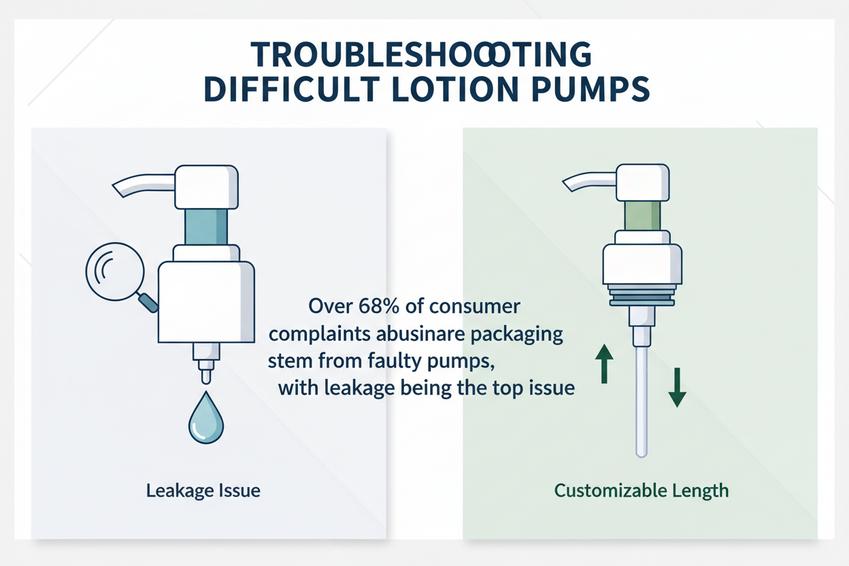
ခက်ခဲသော လိုးရှင်းစုပ်စက်များ ပြဿနာရှာဖွေခြင်း- သင်လိုအပ်သော ဖြေရှင်းနည်းများ
လိုးရှင်းပန့်ထုပ်ပိုးမှုကို ဘယ်လိုဖွင့်ရမလဲ ဒါမှမဟုတ် ဘာကြောင့် အလုပ်မလုပ်တာလဲဆိုတာကို စဉ်းစားရင်း အခက်တွေ့နေပါသလား။ တကယ့်ပြဿနာတွေကို ခွဲခြမ်းစိတ်ဖြာပြီး မြန်မြန်ဖြေရှင်းကြည့်ရအောင်။
ယိုစိမ့်မှုစမ်းသပ်ခြင်းလုပ်ထုံးလုပ်နည်းများ- သင့်ပန့်၏သမာဓိကို အကဲဖြတ်ခြင်း
ယိုစိမ့်နေသော လိုးရှင်းစုပ်စက်သည် သင့်ထုတ်ကုန်အတွေ့အကြုံတစ်ခုလုံးနှင့် သင့်ရေချိုးခန်းစင်ကို ပျက်စီးစေနိုင်သည်။ ပစ္စည်းများကို သပ်ရပ်စွာထားရှိရန်အတွက် ထုတ်လုပ်သူများသည် နည်းလမ်းအမျိုးမျိုးကို အသုံးပြုကြသည်။ယိုစိမ့်မှု ရှာဖွေခြင်းနည်းလမ်းများ:
- မျက်မြင်စစ်ဆေးခြင်းဖြင့် အက်ကွဲကြောင်းများ သို့မဟုတ် လျော့ရဲနေသော အလုံပိတ်များ၏ အစောပိုင်းလက္ခဏာများကို တွေ့ရှိရပါသည်။
- ဖိအားစမ်းသပ်မှုသည် ဖုံးကွယ်ထားသော သင်္ဘောတင်ပို့မှုအခြေအနေများကို ဖော်ထုတ်ရန် တုပသည်တံဆိပ်ချို့ယွင်းမှုများ.
- အရည်အသွေးထိန်းချုပ်ရေးအဖွဲ့များသည် သင်ချက်ချင်းမတွေ့နိုင်သော နှေးကွေးသောယိုစိမ့်မှုများကို ရှာဖွေတွေ့ရှိရန် အရည်စီးဆင်းမှုစမ်းသပ်မှုများကို လုပ်ဆောင်ကြသည်။
၂၀၂၄ ခုနှစ် အစီရင်ခံစာအရKline & ကုမ္ပဏီ"အသားအရေထိန်းသိမ်းမှုထုပ်ပိုးမှုနှင့်ပတ်သက်သည့် စားသုံးသူတိုင်ကြားချက် ၆၈% ကျော်သည် ချို့ယွင်းနေသော ပန့်များကြောင့်ဖြစ်ပြီး ယိုစိမ့်မှုသည် အဓိကပြဿနာဖြစ်သည်။" ထိုစာရင်းအင်းတစ်ခုတည်းကပင် အဘယ်ကြောင့် သင့်လျော်သည်ကို ပြသနေသည်။ချို့ယွင်းချက် ခွဲခြမ်းစိတ်ဖြာခြင်းအရေးပါပါသည်။
လိုးရှင်းပန့်ပုလင်းတွေကို ရှုပ်ပွမနေအောင် ဘယ်လိုဖွင့်ရမလဲဆိုတာ တွေးနေတယ်ဆိုရင်၊ သတိရပါ - တံဆိပ်မှာ ဒီဇိုင်းချို့ယွင်းချက်တွေက အဓိကတရားခံဖြစ်နိုင်ပြီး သင်မဟုတ်ဘဲ။ တစ်ခုခုကို လှည့်ဖွင့်ခင်မှာ ခိုးဝှက်လှည့်ပတ်မှုတွေနဲ့ တင်းကျပ်တဲ့အဖုံးတွေ ရှိမရှိ အမြဲစစ်ဆေးပါ။
တုံ့ပြန်မှုမရှိသော ပန့်များ- စိတ်ကြိုက်ပြုပြင်နိုင်သော Dip Tube အရှည် ပြဿနာဖြေရှင်းခြင်း
သင့်ရဲ့ လိုးရှင်းစုပ်စက်က ဘာမှမထွက်တဲ့အခါ - အမြဲတမ်းပျက်နေတာမဟုတ်ပါဘူး။ တစ်ခါတစ်ရံမှာ အကြောင်းရင်းတစ်ခုကြောင့် ဖြစ်ရတာပါ။ အရွယ်အစားမပြည့်တဲ့ စုပ်ယူမှုပြွန်က စုပ်ယူမှုကို အနှောင့်အယှက်ဖြစ်စေပါတယ်။ သင်စစ်ဆေးသင့်တဲ့အချက်တွေကတော့ -
•နှစ်မြှုပ်ပြွန်အရှည်:တိုလွန်းသလား။ ထုတ်ကုန်ကို မရောက်နိုင်ဘူး။ ရှည်လွန်းသလား။ ကောက်ကွေးပြီး စီးဆင်းမှုကို ပိတ်ဆို့စေတယ်။
• ပရင်မ်ပြဿနာများ- တပ်ဆင်နေစဉ်အတွင်း လေပိတ်မိနေပါက ပန့်သည် ဖိအားကို ကောင်းမွန်စွာ မထုတ်လုပ်နိုင်ပါ။
• ပြွန်စိတ်ကြိုက်ပြင်ဆင်ခြင်း: dip tube ကို အနည်းငယ် ဖြတ်တောက်ခြင်းဖြင့် မကိုက်ညီမှုပြဿနာအများစုကို ချက်ချင်းဖြေရှင်းနိုင်ပါသည်။
ဤအဖြစ်များသော လှုံ့ဆော်မှုများကိုလည်း သတိထားပါ-
- actuator အတွင်းရှိ မညီမညာဖြစ်နေသော စပရိန်ယန္တရားများ
- ထူထဲသော ဖော်မြူလာများ သို့မဟုတ် ခြောက်သွေ့သော ထုတ်ကုန်ကြောင့် ဖြစ်ပေါ်လာသော ပိတ်ဆို့မှုများ
- လိုးရှင်းစုပ်စက်ခေါင်းများကို မည်သို့ဖွင့်ရမည်ကို စဉ်းစားသည့်အခါ အကြိမ်ကြိမ်လှည့်ခြင်းသည် အတွင်းပိုင်းအစိတ်အပိုင်းများကို လျော့ရဲစေနိုင်သည်
တုံ့ပြန်မှုမရှိသော ပန့်ကို ပြုပြင်ခြင်းဆိုသည်မှာ ၎င်းကို အမြဲတမ်းအစားထိုးခြင်း မဟုတ်ပါ။ တစ်ခါတစ်ရံတွင် အရာအားလုံး ပြန်လည်နေရာတကျဖြစ်စေရန် အစိတ်အပိုင်းငယ်တစ်ခုကို ချိန်ညှိရုံသာဖြစ်သည်။
လိုးရှင်းစုပ်စက်ဖွင့်နည်း- ရုပ်ပုံလမ်းညွှန်
လိုးရှင်းပန့်ပုလင်းတွေကို ဘယ်လိုမှန်မှန်ကန်ကန်ဖွင့်ရမလဲဆိုတာ သိထားခြင်းအားဖြင့် အချိန်ကုန်သက်သာစေပြီး ပစ္စည်းတွေကို ရှုပ်ပွနေစေမှာပါ။ သင့်အတွက် အထောက်အကူဖြစ်စေမယ့် ရုပ်ပုံလမ်းညွှန်ချက်တစ်ခုကို ဖော်ပြပေးလိုက်ပါတယ်။
ပန့်အမျိုးအစားများ၏ ပုံကြမ်းများ- လိုးရှင်းပန့်များနှင့် လေမဲ့ပန့်စနစ်များ
ကွဲပြားမှုကို နားလည်ခြင်းထုတ်ပေးသည့် အမျိုးအစားများသင့်ရဲ့ လိုးရှင်းပုလင်းကို ဖွင့်ဖို့ကြိုးစားတဲ့အခါ ဘာနဲ့အလုပ်လုပ်နေလဲဆိုတာကို သိရှိနိုင်အောင် ကူညီပေးပါတယ်။ ပန့်အားလုံးက အတူတူတည်ဆောက်ထားတာမဟုတ်ပေမယ့် အဲဒါက အရေးကြီးပါတယ်။
- လိုးရှင်းစုပ်စက်:
- အထဲမှာ ရှည်လျားတဲ့ ရေစုပ်ပိုက်တစ်ခု ပါရှိပါတယ်။
- အသုံးမပြုမီ လှည့်ခြင်း သို့မဟုတ် လော့ခ်ဖွင့်ခြင်း လိုအပ်သည်။
- ခန္ဓာကိုယ်လိမ်းဆေးများနှင့် ဆပ်ပြာများတွင် အဖြစ်များသည်။
- လေမဲ့စုပ်စက်စနစ်:
- dip tube အစား vacuum pressure ကို အသုံးပြုသည်။
- ပိုမိုချောမွေ့သော ထုတ်ကုန်စီးဆင်းမှုကို ပေးစွမ်းသည်။
- serum တွေ ဒါမှမဟုတ် luxury skincare တွေအတွက် မကြာခဏ အသုံးပြုလေ့ရှိပါတယ်။
ပို့စ်တင်ချိန်: ၂၀၂၆ ခုနှစ်၊ ဇန်နဝါရီလ ၂၁ ရက်
