
TSA dezodorant o'lchamlari qoidalari yuklaringizga tahdid solganda, aqlli qadoqlash mahsulotlarning uchib ketishini ta'minlaydi - xarajatlarni tejaydi va TSA axlat qutisidagi dramadan qochadi.
Biz hammamiz buni ko'rganmiz — TSAdagi bir bechora, yuzi qizarib, o'zlarining ajoyib dezodorantlarini ishga tushirishni tomosha qilmoqda. Ular qasam ichgan o'sha 5 untsiyalik sprey yetarlicha kichikmidi? Yo'q.tsa dezodorant hajmiqoidalar hazil emas va brendlar uchunshaxsiy parvarish vositalariYuk mashinasida noto'g'ri taxmin qilish shunchaki uyatli emas - bu qimmatga tushadi.
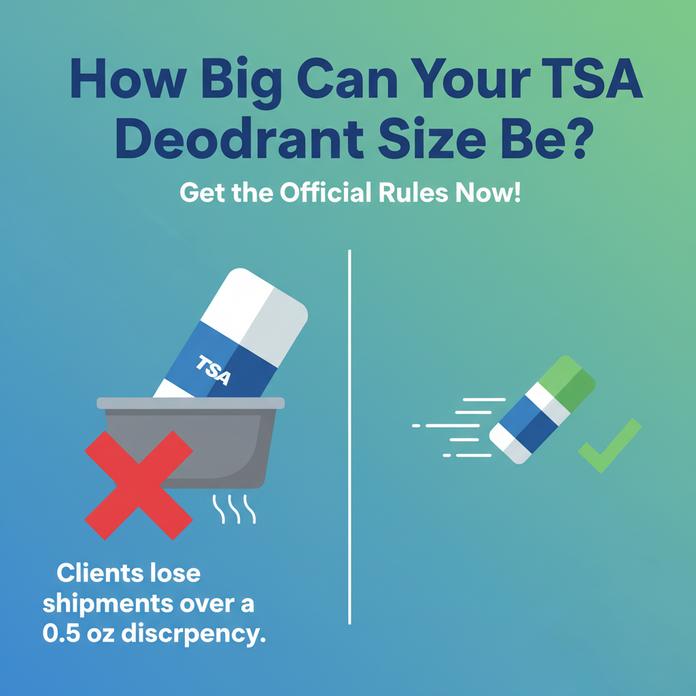
"Mijozlarimiz yarim untsiya farqi tufayli barcha yuklarni yo'qotib qo'yishdi", deydi qadoqlash muhandisi Mia ChenTopfeelpack(2024). “Muvofiqlik uchun dizayn qilish endi ixtiyoriy emas — u mahsulot strategiyasiga singib ketgan.”
Shunday qilib, agar sizning roll-onlaringiz yoki purkagichlaringiz reaktiv samolyotlarni olib yuruvchilar yoki qo'l yuklari bilan uchadigan jangchilar uchun mo'ljallangan bo'lsa, buni to'g'ri bajarganingiz ma'qul. Ushbu qo'llanmada qanchalik katta ekanligi va qadoqlaringiz xavfsizlik qutisiga tushib qolmasligiga qanday ishonch hosil qilish kerakligi batafsil bayon etilgan.
Rasmiy TSA dezodorant hajmi chegarasi nima?
Tez orada uchib ketyapsizmi va qanday o'lchamdagi dezodorant olib kelishingiz mumkinligini bilmayapsizmi? Mana bu haqda bilishingiz kerak bo'lgan barcha narsalarTSA dezodorant hajmisumkangizni yig'ishdan oldin qoidalarni o'rganing.
TSA ko'rsatmalari: Hajm cheklovlarini tushunish
TheTSAjuda oddiy qoidalarga ega, ammo ular odamlarni doimo chalg'itadi. Mana u qanday taqsimlanadi:
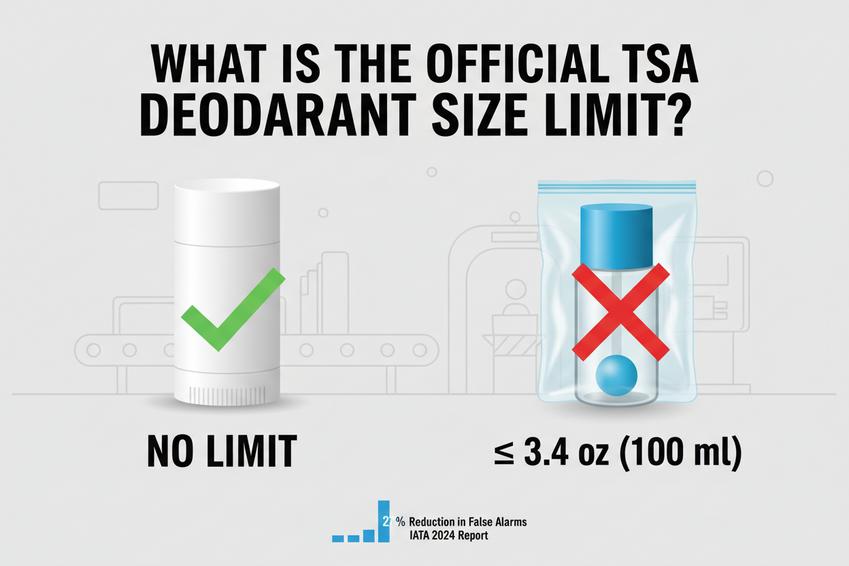
• Agar siz biron bir narsani yig'ayotgan bo'lsangizsuyuq dezodorant, u quyidagilarga amal qilishi kerak3-1-1 qoidasi— bu undan ortiq emas degani3,4 untsiya yoki 100 millilitr, va u sizning shaffof kvart o'lchamdagi sumkangizga sig'ishi kerak.
• Qattiq tayoqchalarmi? Sumka tashqarisida juda yaxshi. Xavfsizlik xizmatida ular haqida tashvishlanishga hojat yo'q.
• Gel, krem, pasta va rulonli turlarining barchasi suyuqlik deb hisoblanadiTSA standartlari, shuning uchun ularni ham shu chegaradan tashqarida saqlang.
Shunday qilib, agar siz yengil sayohatga faqat qo'l yukingiz bilan chiqayotgan bo'lsangiz, mahsulotingiz turini va hajmini ikki marta tekshiring — aks holda uni nazorat punktida tashlab yuborish xavfi tug'iladi!
Necha millilitr yoki untsiya ruxsat berilgan?
Mana shu yerda raqamlar muhim. TSA likvidlik limitlari haqida gap ketganda, hech qanday muammoga duch kelmaydi:
| Dezodorant turi | Qo'l yuki limiti | Ro'yxatdan o'tgan yuk limiti | Quart sumka kerakmi? |
|---|---|---|---|
| Suyuqlik | ≤100 ml | Cheksiz | Ha |
| Aerozol | ≤100 ml | Cheksiz | Ha |
| Qattiq | Cheklov yo'q | Cheklov yo'q | No |
| Gel/Rolikli | ≤100 ml | Cheksiz | Ha |
Bu sehrli raqam ostidagi har qanday narsaga yopishib oling -3,4 untsiya yoki undan kam—va siz qo'l yuklari uchun oltinsiz.
Turli xil dezodorant idishlari va ularning hajmini taqqoslash
Hamma dezodorantlar ham bir xil emas — va hamma qadoqlash ham hajmi jihatidan aniq emas. Mana siz duch keladigan narsalar:
Qattiq yopishqoq dezodorantlarOdatda 2 untsiyadan 4 untsiyagacha bo'lgan hajmda bo'ladi — lekin bular qo'l yuki uchun suyuqlik cheklovlariga bog'liq emas.
Roll-On va gel turlari:Ko'pincha 50-75 ml gacha bo'lgan idishlarda bo'ladi; agar siz bilan olib yursangiz, ularni kvart o'lchamdagi hojatxona sumkangizga solib qo'yishingiz kerak.
Aerozol spreylari:Odatda taxminan 85 g (~3 untsiya) dan boshlang, bu qo'l yuki talablariga javob berish uchun juda mos keladi.TSA ning likvidlik limitiqoidalar.
Agar ishonchingiz komil bo'lmasa, sumkangizga tashlashdan oldin yorliqni tekshiring - bu sizni xavfsizlikda ajralishdan qutqarishi mumkin.
Nima uchun TSA dezodorant o'lchamlari haqida qayg'uradi?
Xavfsizlik tekshiruvi shunchaki shubhali narsalarni aniqlash bilan cheklanib qolmay, balki xavfni izchillik orqali boshqarish bilan ham bog'liq. IATA Aviatsiya xavfsizligi tashabbusi hisobotining (2024) so'nggi yangilanishiga ko'ra, "Global aeroportlarda standartlashtirilgan suyuqlik chegaralari soxta signallarni deyarli 27% ga kamaytiradi, bu esa xavfsizlikka putur yetkazmasdan yo'lovchilar oqimini soddalashtiradi".
Xulosa qilib aytganda? O'lcham qoidasi kemadagi barcha odamlarni himoya qilish bilan birga, kema liniyalarining harakatlanishini ta'minlaydi.
Agar siz katta o'lchamdagi dezodorantlarni olib yursangiz nima bo'ladi?
Qisqa javob? Bu tashlab yuboriladi yoki undan ham yomoni, agentlar sizning narsalaringizni saralash paytida sizni xavfsizlik xizmatida kechiktiradi. Mana nima bo'lishi mumkin:
• Xavfsizlik xizmati rentgen tekshiruvi paytida sumkangizni belgilaydi. • Sizni ikkinchi darajali tekshirish uchun chetga surib qo'yishadi. • Agentlar har qanday talablarga javob bermaydigan buyumlarni musodara qilishadi. • Agar o'z vaqtida to'xtab qolsangiz, samolyotga chiqishni o'tkazib yuborishingiz mumkin.
Hikoyaning axloqiy jihati: o'lchamlaringizni oldindan bilib oling, ayniqsa "purkagich" yoki "gel" deb nomlangan har qanday narsa bilan ishlaganda.
Qo'l yuki va ro'yxatdan o'tgan bagaj qoidalari
Ikkala sumka bilan uchayotganda, dezodorantlar ularni qayerga qo'yganingizga qarab qanday ta'sir qilishi quyidagicha:
Qo'l yukida:
- Sprey, gel, krem yoki rulonli bo'lsa, qat'iy cheklovlarga rioya qilish kerak.
- Qattiq tayoqchalar bundan mustasno.
- Barcha suyuqliklar har bir kishi uchun bitta kvart o'lchamdagi fermuarli paketga solinishi kerak.
Ro'yxatdan o'tgan yuklarda:
- Aqldan ozing! Bu yerda dezodorantlar uchun idish hajmi cheklanmagan.
- Aerozollar bilan ehtiyot bo'ling - ular himoya qopqoqlariga ega bo'lishi va xavfsiz tarzda qadoqlangan bo'lishi kerakFAA ko'rsatmalari.
Har bir tur qayerga tegishli ekanligini bilish xavfsizlik liniyalarida so'nggi daqiqada vahima qo'zg'ashning oldini oladi va qayerga qo'nsangiz ham, tetik hidni his qilishingizga yordam beradi!
Sayohat uchun xavfsiz dezodorantlarni qadoqlash bo'yicha maslahatlar
Sayohat qilish uchun qulay kunni xohlaysizmi? Ushbu tezkor maslahatlar yuklarni qadoqlashni soddalashtirishga va shu bilan birga ushbu zerikarli cheklovlar doirasida bo'lishga yordam beradi:
Sayohat o'lchamidagi versiyalardan foydalaning — ko'plab brendlar "TSA tomonidan tasdiqlangan" deb belgilangan mos variantlarni taklif qilishadi.
Iloji bo'lsa, qattiq formatlarni tanlang - ular qo'shimcha cheklarni butunlay o'tkazib yuboradi va sizning kvart-sumkangiz uchun ajratilgan mablag'ga kiritilmaydi.
Agentlar shaxsiy buyumlarni keraksiz ravishda kovlamasdan narsalarni aniq ko'rishlari uchun hamma narsani shaffof hojatxona buyumlari sumkasida tartibli saqlang.
Maslahat: Agar siz tez-tez sayohat qilsangiz, aniq belgilangan qayta ishlatiladigan sayohat konteynerlariga mablag' sarflang100 millilitr—ular chegaralar ichida qolib, o'zingizning aralashmangizni sozlash uchun juda mos keladi.
Ushbu maslahatlarga amal qiling, shunda siz professional kabi skriningdan o'tasiz — hatto oldinda uchta oraliq masofa bo'lsa ham!
TSA dezodorant o'lchamiga mos kelish bo'yicha eng yaxshi maslahatlar
Tezkor maslahatlar va oqilona tanlovlar dezodorant bilan parvozni dramasiz qiladi. Mana qanday qilib o'zingizni qulay his qilishingiz mumkinTSA dezodorant hajmiortiqcha o'ylamasdan qoidalarni o'rnatadi.
To'g'ri konteyner turini tanlang: Aerozollar va Roll-Ons
• Aerosol purkagichli dezodorantlar bosimli formati tufayli ko'pincha xavfsizlik nuqtai nazaridan hayratga soladi — qo'shimcha tekshiruvni kuting. •Roll-onturlari? Juda ham osonroq. Ular odatda suyuqlik chegarasidan past bo'ladi va ko'pgina tekshiruvlardan o'tkazib yuboriladi.
→ Agar siz yengil narsalarni yig'moqchi bo'lsangiz, qattiq tayoqcha yoki rulonli aerozolni tanlang. Bu kamroq tartibsizlik, kamroq savollar va uni tashlab yuborish xavfi yo'q.xavfsizlik nazorat punkti.
To'g'ri qadoqlash materiallari: alyuminiy, plastmassa va boshqalar
Plastikmi yoki alyuminiymi? Bu tanlov TSA orqali sayohatingizni yaxshilashi yoki buzishi mumkin.
- Plastik idishlaryengil va sinishga chidamli - tez tekshirish uchun ideal.
- Alyuminiy qadoqlashmustahkam, ammo aniq yorliqlanmagan bo'lsa, ogohlantirishlarni ishga tushirishi mumkin.
- Shisha? Agar agentlarga narsalarni tushuntirishni yoqtirmasangiz, undan qoching.
Bosim ostida oqmaydigan yoki yorilib ketmaydigan materiallarni tanlang — tom ma'noda — va har doim ikki marta tekshiringqo'l yuki cheklovlarichiqib ketishdan oldin.
Ideal yopish turlari: purkagichli nozullar yordamida qopqoqlarni yopish
Yopiladigan qopqoqlar yutuqdir — ular chertib mahkam yopiladi va kamdan-kam hollarda parvoz paytida to'kilib ketadi.
Twist-lock ustki qismlari, ayniqsa aerozollarda, qo'shimcha oqishdan himoya qatlamini qo'shadi.
Qopqoqchalar yaxshi ishlaydi, lekin ular joyiga mahkam o'rnashgandagina.
Agar sizda purkagich naychasi bo'lsa, uni xavfsiz saqlash uchun uni yopishqoq lenta bilan yopishtiring yoki shaffof kvart sumkangizdagi fermuarli paketga soling.sayohat uchun gigiena vositalari.
Muvofiqlik uchun yorliqlash: Bosimga sezgir va qolip ichidagi yorliqlarni tushunish
To'g'ri yorliq aslida yukingizni tekshirishni tezlashtirishi mumkin.
Bosimga sezgir yorliqlar:
- Qo'llash oson
- Qoldiqsiz tozalanishi mumkin
- Ko'pincha sayohat o'lchamidagi plastik buyumlarda ishlatiladi
Qolip ichidagi yorliqlar:
- Qadoqlash uchun birlashtirilgan
- Suv/loyqaga chidamli
- Uzoq muddatli chidamlilik uchun juda yaxshi
Umumiy yorliq turlari qanday bir-biriga bog'liq:
| Yorliq turi | Chidamlilik | TSA o'qilishi | Umumiy foydalanish |
|---|---|---|---|
| Bosimga sezgir | O'rta | Yuqori | Plastik idishlar |
| Qolip ichida | Yuqori | O'rta | Qattiq plastik qutilar |
| Qisqartiruvchi yeng | Past | Past | Maxsus buyumlar |
| To'g'ridan-to'g'ri chop etish | Yuqori | Yuqori | Alyuminiy qutilar |
Mintel Research Group tomonidan 2024-yil iyun oyida e'lon qilingan hisobotga ko'ra, sayohatchilar TSA tekshiruvlari paytida aniqlik tufayli bosimga sezgir yorliqlarni deyarli 60% ga afzal ko'rishadi - bu kichik o'zgarish sayohat paytida katta farq qiladi.TSA 3-1-1 qoidasiqo'l yukingizning bir qismi sifatida qadoqlangan gel va spreylar kabi suyuqliklarda.
Ushbu konteyner tafsilotlarini — yopilishdan tortib yorliqlargacha — qulflab qo'yish orqali siz dezodorantingiz yana musodara qilinishidan xavotirlanmasdan aeroport xavfsizligidan o'tasiz. Bu untsiyalarni kam, qopqoqlarni mahkam va yorliqlarni ko'rinadigan qilib saqlang — TSA suyuqlik cheklovlari siyosatining doimiy nazorati ostida har safar havo sayohati gigienasiga rioya qilish o'yinida g'alaba qozonasiz.
TSA dezodorant o'lchamlari haqidagi 3 ta afsona rad etildi
Kodni buzib tashladingiz deb o'ylaymanTSA dezodorant hajmiqoidalar? Keling, ba'zi afsonalarni keng ochib, keyingi aeroport xavfsizlik tekshiruvingizni ancha osonlashtiramiz.
Afsona 1: Kattaroq har doim yaxshiroqmi?
Yo'q, qo'l yukingiz haqida gap ketganda emas. Kattaroq narsa sport sumkangiz uchun mos kelishi mumkin, ammo TSA dunyosida o'lcham, albatta, muhim:
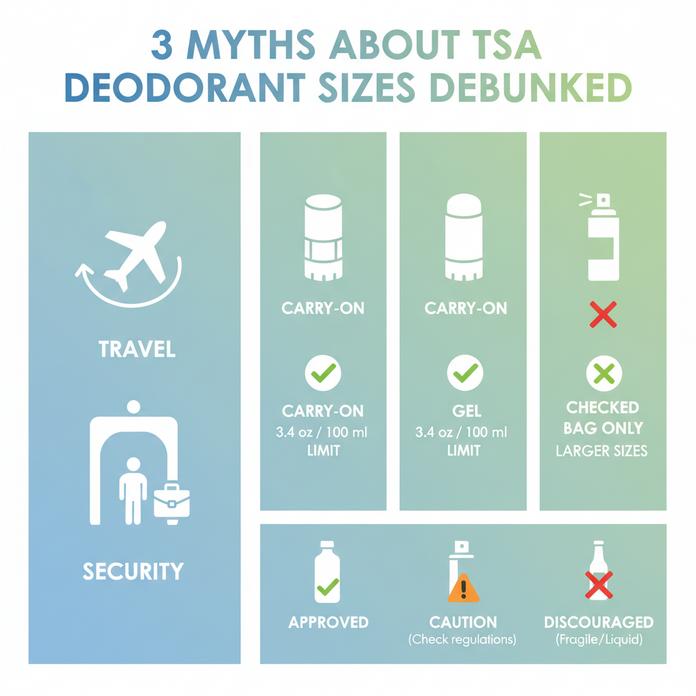
- Yopishqoq dezodorantlarustidan3,4 untsiyaro'yxatdan o'tgan bagajga solinishi mumkin - lekin agar ular sizning qo'l yukingizda bo'lsa, ular belgilanadi.
- TheTSA dezodorant hajmilimit boshqa suyuqliklar bilan bir xil mantiqqa amal qiladi3-1-1 qoidasi, garchi tayoq kabi qattiq moddalar odatda radar ostida uchib ketsa ham.
- Agar siz narsalarni yig'ayotgan bo'lsangizgel dezodoranti, u suyuqlik deb hisoblanadi — shuning uchun uni sehrli raqamda yoki undan pastda saqlang:3.4 untsiya.
- Bu ulkan spreylarmi? Ha, ularni uyda ishlatish uchun saqlang yoki yukxaltangizga soling.
- Qattiq ko'rinsa ham, agar u krem yoki pasta kabi yumshoq tuyulsa ham, TSA uni suyuqlik deb hisoblashi mumkin.
Shunday qilib, to'liq o'lchamli model qulayroq tuyulishi mumkin bo'lsa-da, noqulay axlat qidirishni xohlamasangiz, sayohat o'lchamidagi model eng yaxshi tanlovdir.
Afsona 2: Barcha qadoqlash materiallari TSA ko'rsatmalariga mos keladimi?
Hamma konteynerlar ham bir xil yaratilmagan — va ba'zilari xavfsizlikda muammolarga olib kelishi mumkin. Keling, buni qisqacha tahlil qilamiz:
Plastik qadoqlar ko'p vaqt davomida sirpanib o'tib ketadi - ular yengil va skanerlash oson. Lekin metall idishlarmi? Ular zichligi tufayli ba'zan qo'shimcha tekshirishni talab qiladi. Shisha idishlar uchun ham xuddi shunday - ular mo'rt va ko'pincha qo'l yuklarida olib yurish tavsiya etilmaydi.
Ba'zi sayohatchilar limitdan past bo'lgan har qanday idish yaxshi deb o'ylashadi, ammo TSA uning oqishdan himoyalanganligi va qayta yopilishi mumkinligiga ham e'tibor beradi. Shunday qilib, mini purkagich shishangiz kichkina bo'lsa ham, agar u to'g'ri yopilmagan bo'lsa, siz hali ham muammolarga duch kelishingiz mumkin.
Va aerozollarni ham unutmang. Kichik aerozol qutilariga texnik jihatdan ma'lum cheklovlar ostida ruxsat berilgan bo'lsa-da, ular ham hajm cheklovlariga, ham bosim qoidalariga rioya qilishi kerak.
Xulosa qilib aytganda, tasdiqlangan materiallarga yopishib oling.plastik, yengilalyuminiyyoki uni qanday qadoqlashni tanlashda mustahkam sayohatga qulay naychalardezodorant spreyiyoki gel tayoqchasi. Gap faqat untsiya haqida emas - bu untsiyalarni ushlab turadigan narsa haqida ham.
Keyingi safar kvart o'lchamdagi sumkangizga nimalar ketishini va ro'yxatdan o'tgan bagajingizga nimalar tashlanishini saralashda bularning barchasini yodda tuting.
Tsa dezodorant o'lchami haqida tez-tez so'raladigan savollar
1. Qo'l yuki uchun TSA dezodorantining o'lcham chegarasi qancha?
Suyuq, gel yoki aerozol shaklidagi dezodorantlar himoyalangan joyda saqlanishi kerak.100 ml (3.4 fl oz)qo'l yukingizdagi har bir konteyner uchun. Qattiq moddalar cheklovlarsiz tashiladi.
- Umumiy moslashuvchan turlari:aerozol qutilari, rulonli shishalar, tayoqchali aplikatorlar
- Ko'rinadigan hajm belgisi ostida o'lchanadiTSA ko'rsatmalari
2. Qaysi qadoqlash materiallari va formatlari tsa dezodorant o'lchamiga eng mos keladi?
Chidamlilik va yengillik uchun sayohatchilar ko'pincha moyil bo'ladilaralyuminiy, qayta ishlangan plastikyoki mustahkambioplastik qobiqlarKichik shakllar xavfsizlik va qulaylikni maksimal darajada oshiradi:
| Formatlash | Afzal ko'rilgan hajm (taxminan) | Asosiy kuch |
|---|---|---|
| Roll-on shishasi | 50–75 ml | Yilni va oqishga chidamli |
| Stik aplikatori | 80–90 g | Qattiq formulalar to'kilishni oldini oladi |
| Aerozol qutisi | ≤100 ml / 3.4 suyuq untsiya | Nozik tuman yetkazib berish |
3. Yorliqlash aeroportlarni tezkor tekshirishni qanday qo'llab-quvvatlashi kerak?
Belgilar o'qilishi mumkin bo'lganda, toza vizual ko'rsatmalar ekran tasvirini silliq saqlaydi:
- Shaffofdan foydalaningbosimga sezgir yorliqlaryoki qarsildoqraqamli bosma yorliqlar
- Darhol tekshirish uchun birliklarni oddiygina "100 ml" yoki "3.0 oz" deb belgilang
Har bir birlikdagi aniqlik tekshiruv vaqtini tezlashtiradi va shu bilan birga FAA va TSA spetsifikatsiyalariga muvofiqligini ko'rsatadi.
4. Parvoz paytida oqishning oldini olish uchun qanday yopish usullari yordam beradi?
Sayohat bosimining o'zgarishi qaysi yopilishlar haqiqatan ham kuchli ekanligini ko'rsatadi:
Qattiqvintli qopqoqnasosli purkagich idishlarini oqishdan himoya qiladi;
Tanishyopiladigan qopqoqkremlarni siqish naychalari ichida mahkamlaydi;
Yumshoq sirpanishrulonli to'phavo siqilgandan keyin to'satdan tomchilarni cheklaydi;
Bükülmüş asoslar klassik bo'lib qolmoqdaqattiq tayoqchalariflos suyuqliklarga aylanib ketmaydi.
5. tsa dezodorant o'lchamidan tashqari kengroq qoidalarni ko'rib chiqish kerakmi?
Muvofiqlik aeroportlarda to'xtab qolmaydi — ishonchli brendlar ham global qoidalarga amal qiladi:
• FDA qoidalariga muvofiqlikni saqlang, teri xavfsizligi test natijalarining haqiqiyligini ta'minlang;
• Quyida ko'rsatilgan kimyoviy cheklovlarga rioya qilingREACH muvofiqligizararli qo'shimchalardan qochish;
• Chet elda tarqatishdan oldin Yevropa Ittifoqining kosmetika direktivasida keltirilgan tegishli qadoqlash qoidalariga rioya qiling.
6. Tashqi o'ramlar sayohat o'lchamidagi dezodorantlarning ommaviy tashilishini qanday osonlashtiradi?
Tarqatish ehtiyotkorlikni talab qiladi, shuning uchun kichik bo'linmalar do'konlarga boradigan yo'lda toza qoladi:
- Qattiq o'ralgan ixcham laganda yoki qatlamli stacklarqisqaradigan o'rash
- Yengil, ammo qattiq yostiqchalarkarton qutilar
- Himoya yenglari bilan jihozlangan palletlardagi muvozanatli yuklar orqali yuk hajmini boshqarish
Ushbu tizimlar birgalikda yaltiroq alyuminiy spreylar va mo'rt shisha mini-katakchalarni zarbadan himoya qiladi - bu TSAga tayyor bo'lgan kichkina qahramonlarni keyingi sayohatchining sumkasiga duch kelguncha saqlab qoladi.
Manbalar
[Suyuqliklar, aerozollar va gellar qoidasi -https://www.tsa.gov/travel/frequently-asked-questions/liquids-aerosols-and-gels-rule]
[Suyuqliklar qoidasi -https://www.tsa.gov/travel/security-screening/liquids-rule]
[PackSafe - Dorivor va hojatxona buyumlari haqidagi maqolalar -https://www.faa.gov/hazmat/packsafe/medicinal-toiletry-articles]
[Kosmetika mahsulotlarini etiketlash qoidalari -https://www.fda.gov/cosmetics/cosmetics-labeling-regulations]
Joylashtirilgan vaqt: 2026-yil 14-yanvar
