
लक्झरी इको-चिकला भेटते: पेपर पॅकेजिंग कॉस्मेटिक्स स्पॉटलाइट का चोरत आहेत - आणि ग्रीन ब्युटी बूमचा कसा हुशार खरेदीदार फायदा घेत आहेत.
तुमचे प्लास्टिकचे कॉम्पॅक्ट आणि अनाठायी नळ्या फेकून द्या—कागदी पॅकेजिंग सौंदर्यप्रसाधनेएक गंभीर चमक दिसून येत आहे. पर्यावरणाबाबत जागरूक खरेदीदार घटकांच्या यादी स्कॅन करत आहेत आणि सौंदर्यप्रसाधनांप्रमाणे पॅकेजिंगची छाननी करत आहेत, त्यामुळे शाश्वततेकडे दुर्लक्ष करणारे ब्रँड धूळ खात पडण्याचा धोका आहे (किंवा त्याहूनही वाईट म्हणजे, टिकटॉकवर रद्द केले जातील).
एकमॅककिन्से अहवाल६०% ग्राहक सौंदर्य उत्पादने खरेदी करताना शाश्वत पॅकेजिंगला एक महत्त्वाचा घटक मानतात असे आढळले. जर तुमचे उत्पादन प्लास्टिकने बनलेले असेल, तर ते दुसऱ्या नजरेलाही मिळणार नाही—आतील सूत्र कितीही निर्दोष असले तरीही.
हे फक्त झाडे वाचवण्याबद्दल नाही - ते संबंधित राहण्याबद्दल आहे. स्मार्ट ब्रँड फक्त साहित्य बदलत नाहीत; ते पुनर्वापर करण्यायोग्य आवरणांपासून आणि आकर्षक बनवण्यापासून संपूर्ण अनुभव तयार करत आहेत.कॉस्मेटिक ट्यूबविलासिता दाखवणाऱ्या बाहीआणिजबाबदारी.
झटपट झलक: पेपर पॅकेजिंग कॉस्मेटिक्समधील प्रमुख ग्राहक बदल आणि डिझाइन संकेत
➔पर्यावरणपूरक मागणी: ६०% पेक्षा जास्त अमेरिकन ग्राहक आता शाश्वत पॅकेजिंगला प्राधान्य देतात, ज्यामुळे सौंदर्य ब्रँडसाठी पर्यावरणपूरक कागदी पॅकेजिंग असणे आवश्यक आहे.
➔जनरेशन झेड आणि मिलेनियल प्रभाव: तरुण खरेदीदार सौंदर्यप्रसाधनांच्या पॅकेजिंगमध्ये पारदर्शकता आणि ग्रह-अनुकूल साहित्याची मागणी करून, या ट्रेंडला पुढे नेत आहेत.
➔पुनर्वापर आणि कंपोस्टेबिलिटी बाब: ग्राहक पुनर्वापर करण्यायोग्य, बायोडिग्रेडेबल आणि कंपोस्टेबलमध्ये वाढत्या प्रमाणात फरक करत आहेत - या संज्ञा समजून घेतल्याने ब्रँडच्या विश्वासावर परिणाम होतो.
➔डिझाइन कार्यक्षमता पूर्ण करते: मिनिमलिस्ट शैली, परस्परसंवादी वैशिष्ट्ये आणि बहु-कार्यात्मक स्वरूपे कागदी पॅकेजिंगला साध्या आवरणापासून ब्रँड अनुभवापर्यंत वाढवतात.
➔शाश्वततेसह विक्री: कागदावर आधारित उपायांचा अवलंब करणाऱ्या ब्रँड्सना सुधारित निष्ठा आणि सुधारित प्रतिमा दिसते - हे सिद्ध करते की हिरव्या निवडी नैतिकता आणि कमाई दोन्ही वाढवतात.
ग्राहकांच्या पसंतींमुळे शाश्वत पेपर पॅकेजिंग ट्रेंड चालतात
पर्यावरणविषयक जाणीव मुख्य प्रवाहात येत असल्याने, लोक खरेदी करण्याच्या पद्धतीत बदल करत आहेत - विशेषतः जेव्हा त्यांची उत्पादने कोणत्या पॅकमध्ये येतात याचा प्रश्न येतो.
बदलत्या दृष्टिकोन: ग्राहक शाश्वत पर्यायांना का पसंती देतात
- पर्यावरण जागरूकताआता हे खास राहिलेले नाही - ते मुख्य प्रवाहात आहे. लोक सक्रियपणे अशा पॅकेजिंगच्या शोधात आहेत जे शेवटी मिळत नाहीकचराकुंड्या.
- चा उदयनैतिक वापरम्हणजे खरेदीदारांना केवळ सोयीच नव्हे तर त्यांच्या मूल्यांचे प्रतिबिंबित करणारी उत्पादने हवी असतात.
- खरेदीदार त्यांचेखरेदीचे निर्णयदीर्घकालीन परिणामांसह, ब्रँडना अधिक पर्यावरणपूरक निवडींकडे ढकलत आहे.
- उत्पादनेशाश्वत पॅकेजिंगविशेषतः सौंदर्य आणि त्वचेची काळजी घेणाऱ्या कंपन्यांना आता प्लास्टिक-जड स्पर्धकांपेक्षा जास्त लक्ष वेधले जाते.
- ग्राहकांच्या वाढत्या संख्येने सहयोगीपर्यावरणपूरक उत्पादनेगुणवत्ता आणि जबाबदारीसह, त्यांना स्पर्धात्मक धार देते.
- जागरूक खरेदीदार अनेकदा खरेदी करण्यापूर्वी संशोधन करतात, नफ्यापेक्षा पृथ्वीला प्राधान्य देणाऱ्या कंपन्यांशी जुळवून घेतात.
पासूनपुन्हा भरता येणारी बाटलीबायोडिग्रेडेबल रॅप्सच्या पर्यायांव्यतिरिक्त, स्मार्ट पॅकेजिंगच्या मागणीमुळे पेपर पॅकेजिंग कॉस्मेटिक्सच्या जगात "कंपोस्टेबल" सारख्या संज्ञा रोजच्या वापराचा भाग बनल्या आहेत.
मिलेनियल्स आणि जनरेशन झेड: पर्यावरणपूरक निवडींसाठी आग्रह
• तरुण खरेदीदार—विशेषतःसहस्राब्दी ग्राहकआणि ज्यांचेजनरेशन झेड—स्टेटस सिम्बॉलपेक्षा शाश्वततेला प्राधान्य देऊन ब्रँड लॉयल्टीचे नियम पुन्हा लिहित आहेत.
- हे डिजिटल-जाणकार गट प्रत्येक टचपॉइंटवर पारदर्शकतेची अपेक्षा करतात - सोर्सिंगपासून शिपिंगपर्यंत.
- ते उत्पादनांच्या पुनरावलोकनांइतकेच ब्रँडच्या कार्बन फूटप्रिंटचे बारकाईने मूल्यांकन करतात.
- सोशल मीडिया त्यांच्या आवडीनिवडी वाढवतो; जर तुमचे उत्पादन इको बॅज मिळवत नसेल, तर ते कदाचित ट्रेंडमध्ये येणार नाही.
✦ त्यांची मूल्ये हवामान बदल आणि कचरा कमी करणे यासारख्या मुद्द्यांमध्ये खोलवर जातात - ते फक्त ब्रँड निवडत नाहीत; ते भविष्य निवडत आहेत.
कागदी पॅकेजिंग सौंदर्यप्रसाधनांवर या पिढ्यांचा प्रभाव प्रचंड आहे - त्यांना किमान डिझाइन आणि जास्तीत जास्त टिकाऊपणा हवा आहे. जर तुमचे उत्पादन आतून आणि बाहेरून हिरवेगार दिसत असेल तर तुम्ही त्यांचे लक्ष वेधून घेतले आहे.
ब्रँड पारदर्शकता पॅकेजिंग प्राधान्यांवर कसा प्रभाव पाडते
ब्रँड आता बनावट बनवू शकत नाहीत - ग्राहकांना शाश्वततेच्या आश्वासनांच्या बाबतीत पावत्या हव्या असतात.
• बद्दल स्पष्ट लेबलिंगनैतिक स्रोतीकरण, पुनर्वापरक्षमता किंवा जैवविघटनशीलता खरा विश्वास निर्माण करते.
• जेव्हा कंपन्या त्यांच्या पुरवठा साखळीबद्दल उघडपणे तपशील शेअर करतात किंवा तृतीय-पक्ष प्रमाणपत्रे वापरतात, तेव्हा आजच्या पर्यावरणाविषयी जागरूक लोक त्यांना अधिक विश्वासार्ह मानतात.
• त्यांच्या उत्पादनांमध्ये वापरल्या जाणाऱ्या साहित्यांबद्दल प्रामाणिक माहिती प्रदर्शित करणारी उत्पादनेमेकअप पॅकेजिंग, जसे की FSC-प्रमाणित कागद किंवा सोया-आधारित शाई, झटपट गुण मिळवा.
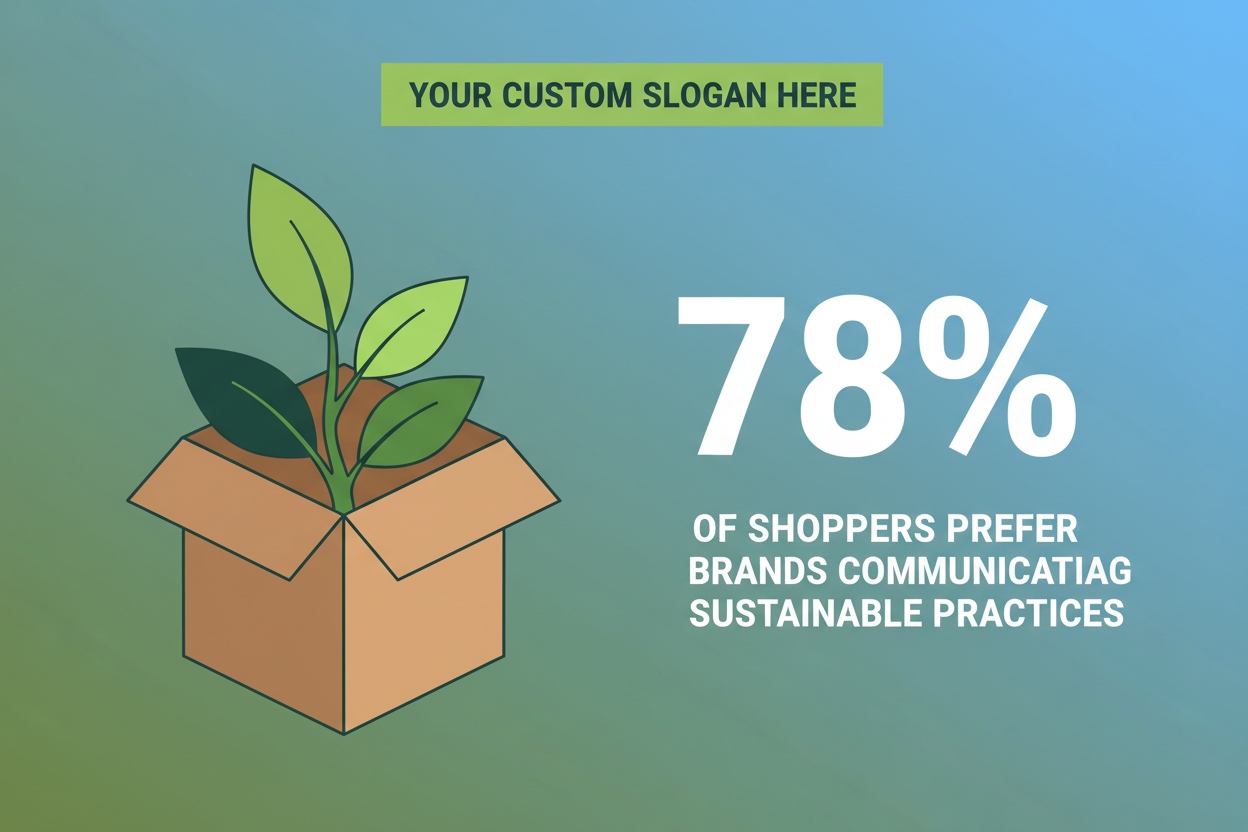
NielsenIQ च्या २०२४ च्या जागतिक शाश्वतता अहवालानुसार,७८% खरेदीदारलेबल किंवा वेबसाइटवर शाश्वत पद्धती स्पष्टपणे सांगणाऱ्या ब्रँडकडून ते खरेदी करण्याची शक्यता जास्त असते असे त्यांनी सांगितले - ही आकडेवारी दुर्लक्षित करणे खूप मोठी आहे.
पेपर पॅकेजिंग कॉस्मेटिक्स सोल्यूशन्समध्ये गुंतलेल्या ब्रँडसाठी, स्पष्टता पर्यायी नाही - ती अपेक्षित आहे. येथेच टॉपफीलपॅक ब्रँडना प्रत्येक गोष्टीत अंतर्भूत असलेल्या पारदर्शक आणि खरोखर शाश्वत पर्यायांसह बोलण्यास मदत करून चमकतो.क्रीम जारआणि ते तयार केलेले बाटलीचे आवरण.
इको-फ्रेंडली पेपर पॅकेजिंगची प्रमुख वैशिष्ट्ये
पर्यावरणपूरककागदी पॅकेजिंग सौंदर्यप्रसाधनेब्रँड शाश्वततेबद्दल कसे विचार करतात ते बदलत आहेत, हुशार साहित्य आणि पर्यावरणपूरक पर्याय यात आघाडीवर आहेत.
कंपोस्टेबल विरुद्ध बायोडिग्रेडेबल: काय फरक आहे?
- कंपोस्टेबलविशिष्ट कंपोस्टिंग परिस्थितीत पदार्थ पाणी, कार्बन डायऑक्साइड आणि बायोमास सारख्या विषारी नसलेल्या घटकांमध्ये मोडतात.
- बायोडिग्रेडेबलवस्तू नैसर्गिकरित्या विघटित होतात परंतु नियंत्रित वातावरणाशिवाय अवशेष सोडू शकतात किंवा वर्षानुवर्षे लागू शकतात.
- कंपोस्टेबल मातीचे कुजल्यानंतर पोषक तत्वांनी समृद्ध करून तिच्या आरोग्याला आधार देतात.
- सर्वच जैवविघटनशील उत्पादने घरी कंपोस्ट करण्यायोग्य नसतात - काहींना औद्योगिक सुविधांची आवश्यकता असते.
- गोंधळात टाकणारी लेबल्स? हो. सारखी प्रमाणपत्रे शोधाएएसटीएम डी६४००किंवा तुम्ही खरोखर काय खरेदी करत आहात हे जाणून घेण्यासाठी EN13432.
- थोडक्यात, कंपोस्टेबल = तुमच्या बागेसाठी चांगले; बायोडिग्रेडेबल = प्लास्टिकपेक्षा चांगले पण नेहमीच आदर्श नसते.
वापरणाऱ्या ब्रँडसाठीकागदी पॅकेजिंग सौंदर्यप्रसाधने, कंपोस्टेबल बनणे म्हणजे पर्यावरणाविषयी जागरूक ग्राहकांशी जुळवून घेणे जे खरोखर स्वच्छ ब्रेकडाउन प्रक्रियेला महत्त्व देतात.
ग्राहकांच्या निर्णयांमध्ये पुनर्वापरक्षमतेची भूमिका
| गुणधर्म | उच्च महत्त्व (%) | मध्यम महत्त्व (%) | कमी महत्त्व (%) |
|---|---|---|---|
| पुनर्वापराच्या स्पष्ट सूचना | 72 | 18 | 10 |
| पुनर्वापर केलेल्या सामग्रीचा वापर | 68 | 22 | 10 |
| स्थानिक पुनर्वापरक्षमता | 64 | 25 | 11 |
| पुनर्वापरानंतर दिसायला आकर्षकता | 59 | 27 | 14 |
रीसायकलिंग आता फक्त एक छान गोष्ट राहिलेली नाही - ती एक सौदा तोडणारी गोष्ट आहे. २०२४ च्या सुरुवातीच्या नीलसनआयक्यू अहवालात असे आढळून आले आहे की चारपैकी जवळजवळ तीन खरेदीदार स्पष्टतेशिवाय उत्पादने सक्रियपणे टाळतातपुनर्वापरयोग्यतापॅकेजिंगबद्दल माहिती. साठीकागदी पॅकेजिंग सौंदर्यप्रसाधने, याचा अर्थ असा की ते छोटे बाण छापणे पुरेसे नाही - तुम्हाला ते स्पष्टपणे लिहावे लागेल. आणि अरे, एकदा रिसायकल केल्यानंतरही तुमचा बॉक्स चांगला दिसत असेल तर? ते बोनस पॉइंट्स आहेत.
पॅकेजिंगमध्ये वनस्पती-आधारित शाईचा नाविन्यपूर्ण वापर
• सोयाबीन, शैवाल आणि अगदी कॉर्न स्टार्च सारख्या अक्षय स्रोतांपासून मिळवलेले, हे शाई पेट्रोलियम-आधारित विषारी पदार्थ पूर्णपणे काढून टाकते.
• ते छपाई दरम्यान VOC उत्सर्जन कमी करतात—कामगारांसाठी आणि ग्रहासाठी खूप चांगले.
• रंग सिंथेटिक शाईइतकेच चमकतात परंतु त्यांचा ठसा कमी असतो.
• इंडी कॉस्मेटिक ब्रँड्सकडून वस्तू ताज्या आणि शाश्वत ठेवण्यासाठी वापरल्या जाणाऱ्या अल्पकालीन बुटीक पॅकेजिंगसाठी आदर्श.
च्या जगातकागदी पॅकेजिंग सौंदर्यप्रसाधने, वर स्विच करत आहेवनस्पती-आधारित शाईहे केवळ सौंदर्यात्मक सुधारणांपेक्षा जास्त आहे - हे एक विधान आहे की सौंदर्य पृथ्वीच्या खर्चावर येऊ नये.
हलके साहित्य: कार्बन फूटप्रिंट कमी करणे
शाश्वतता ही फक्त बॉक्समध्ये काय जाते याबद्दल नाही - ती बॉक्स किती अंतरावर जाते आणि तिथे पोहोचल्यावर ती किती जड असते याबद्दल आहे.
- हलक्या साहित्यामुळे शिपिंग दरम्यान कमी इंधन जाळले जाते—हे सोपे गणित हजारो युनिट्समध्ये जलद जोडते.
- कमी वजनामुळे डिलिव्हरी वाहनांवरील झीज कमी होते आणि कालांतराने उत्सर्जन कमी होते.
- मॅककिन्सेच्या एप्रिल २०२४ च्या सस्टेनेबिलिटी इंडेक्सनुसार, ज्या ब्रँड्सनी पॅकेजचे वजन फक्त २०% कमी केले त्यांच्या लॉजिस्टिक्सशी संबंधित CO₂ उत्सर्जन १२% पर्यंत कमी झाले.
जेव्हा तुम्ही जागतिक वितरण नेटवर्क्सबद्दल बोलत असता तेव्हा ते लहान बटाटे नाहीत जसे कीकागदी पॅकेजिंग सौंदर्यप्रसाधने. हलक्या वजनाच्या पण टिकाऊ बोर्ड स्टॉकचा वापर केल्याने तुम्हाला शेल्फ अपीलशी तडजोड न करता अधिक स्मार्ट - आणि हिरवे - शिपिंग करण्यास मदत होते.
या वर्षी एका विश्लेषकाने स्पष्टपणे म्हटल्याप्रमाणे: "जर तुमच्या बॉक्सचे वजन तुमच्या उत्पादनापेक्षा जास्त असेल तर तुम्ही ते चुकीचे करत आहात."
सौंदर्यप्रसाधनांसाठी शाश्वत कागदी पॅकेजिंगकडे कसे संक्रमण करावे
पर्यावरणपूरक बनवण्याकडे वळत आहेकागदी पॅकेजिंग सौंदर्यप्रसाधनेउपायांसाठी चांगल्या हेतूंपेक्षा जास्त काही लागते - ते स्मार्ट नियोजन, हुशार भागीदारी आणि थोडी चाचणी आणि त्रुटी याबद्दल आहे.
चरण-दर-चरण: तुमच्या सध्याच्या पॅकेजिंगचे मूल्यांकन करणे
• तुमचा करंट तपासापॅकेजिंग साहित्य—ते पुनर्वापर करण्यायोग्य आहेत की कंपोस्ट करण्यायोग्य आहेत?
• मोजापर्यावरणीय परिणामप्रति युनिट कार्बन उत्सर्जन मोजून.
• ग्राहक तुमच्या पॅकेजिंगला कसे पाहतात याचा आढावा घ्या—ते त्यांच्या मूल्यांशी जुळते का?
- मूल्यांकन कराखर्च विश्लेषण: तुम्ही टिकाऊ नसलेल्या स्वरूपांवर जास्त खर्च करत आहात का?
- कामगिरीची तुलना करा: तुमचे सध्याचे पॅकेजिंग उत्पादनाचे चांगले संरक्षण करते का?
- कचऱ्याच्या उत्पादनाचा मागोवा घ्या: कापता येईल असे अतिरिक्त साहित्य आहे का?
मॅककिन्से अँड कंपनीच्या अलीकडील अहवालात असे म्हटले आहे की "प्लास्टिक अवलंबित्व कमी करणारे ब्रँडकागदावर आधारित पर्यायग्राहकांच्या पसंतीत सरासरी १८% वाढ होत आहे.”
प्लास्टिक ट्रेऐवजी इन्सर्ट मोल्डेड पल्पमध्ये बदलणे यासारखे अल्पकालीन बदल, एकाच वेळी सर्वकाही ओव्हरहॉल न करता मोठा परिणाम देऊ शकतात.
शाश्वत पुरवठादारांसोबत भागीदारी: योग्य फिट शोधणे
- पुरवठादार प्रमाणपत्रयावर चर्चा करता येत नाही—FSC किंवा PEFC लेबल्स शोधा.
- त्यांच्या व्यवसायात पारदर्शकता दाखवणाऱ्या भागीदारांना प्राधान्य द्यापुरवठा साखळी पारदर्शकताअहवाल.
- याबद्दल विचाराभौतिक नवोपक्रम, जसे की शैवाल किंवा उसापासून बनवलेले पाणी-प्रतिरोधक कोटिंग पर्याय.
महत्त्वानुसार गटबद्ध:
नैतिक मानके:
– ते उचित कामगार पद्धतींचे पालन करतात का?
– साहित्य जबाबदारीने मिळवले जाते का?
पर्यावरणीय जबाबदारी:
- त्यांचे काय आहे?कार्बन फूटप्रिंटप्रति शिपमेंट?
- ते क्लोज्ड-लूप सिस्टीम देतात का?
सुसंगतता:
- ते तुमच्या व्हॉल्यूमच्या गरजा पूर्ण करू शकतात का?
- लीड वेळा वाजवी आहेत का?
त्यानुसारएलेन मॅकआर्थर फाउंडेशनया वर्षाच्या सुरुवातीला प्रकाशित झालेल्या सर्क्युलर इकॉनॉमी अहवालात, शाश्वत पुरवठादारांसोबत जवळून काम करणाऱ्या ब्रँड्सनी पॅकेजिंग कचरा 35% पर्यंत कमी केला.
संक्रमण प्रक्रियेतील आव्हानांवर मात करणे
शाश्वततेकडे स्विच करणेकागदी पॅकेजिंग सौंदर्यप्रसाधनेनेहमीच सुरळीत प्रवास होत नाही - परंतु दूरदृष्टी आणि लवचिकतेने ते शक्य आहे.
खर्च हा बऱ्याचदा मोठा असतो. मर्यादित प्रमाणात असल्याने नवीन साहित्याच्या किमती सुरुवातीला जास्त असू शकतात. पण घाबरू नका—मोठ्या प्रमाणात ऑर्डर आणि दीर्घकालीन करार हे भरून काढण्यास मदत करू शकतात.
तुम्हाला कठोर देखील आवश्यक असेलकामगिरी चाचणी, विशेषतः ओलावा प्रतिकार आणि शेल्फ लाइफ स्थिरतेसाठी.
येथे सामान्य अडथळ्यांचे विभाजन आहे:
| आव्हान | प्रभाव पातळी | शमन युक्ती | टाइमलाइन |
|---|---|---|---|
| जास्त साहित्य खर्च | उच्च | पुरवठादार सवलतींबद्दल वाटाघाटी करा | मध्यावधी |
| मर्यादित साहित्य उपलब्धता | मध्यम | सोर्सिंग भागीदारांमध्ये विविधता आणा | अल्पकालीन |
| नियामक अनुपालन | उच्च | अनुपालन सल्लागार नियुक्त करा | चालू आहे |
| ग्राहक स्वीकृती | मध्यम | सामाजिक माध्यमांद्वारे शिक्षित करा | तात्काळ |
तांत्रिक ज्ञान विसरू नका - जर तुमची यंत्रसामग्री कागदाच्या सब्सट्रेट्ससाठी ऑप्टिमाइझ केलेली नसेल तर उत्पादन समायोजनादरम्यान तुम्हाला काही बाह्य मदतीची आवश्यकता असेल.
शेवटी, ग्राहकांच्या अपेक्षांना प्राधान्य देऊन लवचिक राहिल्याने या वाढत्या त्रासांना तोंड देताना सर्व फरक पडेल.
सौंदर्यप्रसाधनांसाठी शाश्वत कागद पॅकेजिंगमधील नाविन्यपूर्ण डिझाइन्स
शाश्वत पॅकेजिंग वेगाने विकसित होत आहे - आणि सौंदर्यप्रसाधनांच्या जगात, कागदावर आधारित नवोपक्रम नियमांचे पुनर्लेखन करत आहे.
मिनिमलिस्ट सौंदर्यशास्त्र: साध्या आणि सुंदर डिझाइन्सचा उदय
- स्वच्छ रेषाजे उत्पादनांना दृश्यमानपणे श्वास घेण्यास अनुमती देतात - ग्राहक जे अस्तित्वात आहे त्यापेक्षा जे अस्तित्वात नाही त्याकडे जास्त आकर्षित होतात.
- ब्रँड निवडत आहेतअव्यवस्थितशांतता, पवित्रता आणि विश्वास जागृत करण्यासाठी म्यूट टोनसह लेआउट.
- चा वापरपर्यावरणपूरक साहित्य, जसे की ब्लीच केलेले क्राफ्ट बोर्ड किंवा FSC-प्रमाणित स्टॉक, ओरडून न सांगता शाश्वतता मजबूत करते.
- सूक्ष्म एम्बॉसिंग आणिनैसर्गिक पोतगोष्टी साधेपणावर आधारित ठेवताना स्पर्शिक आकर्षण वाढवा.
- टायपोग्राफी एक प्रमुख भूमिका बजावते—स्लीक सॅन्स-सेरिफ्स आणि उदार पांढऱ्या जागेची जोड शांत परिष्कार निर्माण करते.
- मिनिमलिझम कंटाळवाणे नाही - ते धोरणात्मक आहे; ते छपाईचा खर्च कमी करते आणि कमी-कचरा उत्पादन उद्दिष्टांशी पूर्णपणे जुळते.
या दृष्टिकोनामुळेकागदी पॅकेजिंग सौंदर्यप्रसाधनेशुद्ध आणि जबाबदार दिसणे, कमी असणे खरोखर जास्त असू शकते हे सिद्ध करणे.
परस्परसंवादी आणि कार्यात्मक पॅकेजिंग: ग्राहकांना गुंतवून ठेवणे
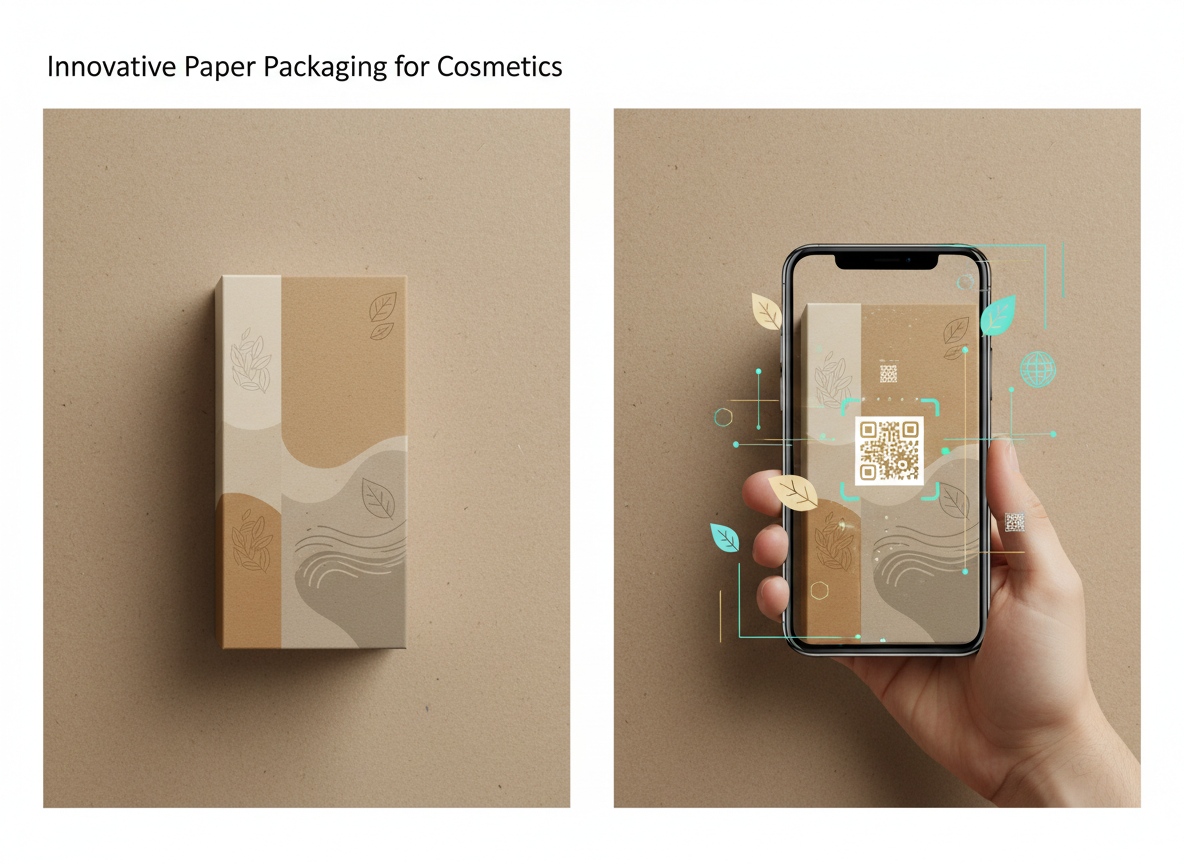
• कधी फक्त व्हर्च्युअल स्किनकेअर ट्युटोरियल शोधण्यासाठी बॉक्स स्कॅन केला आहे का? एम्बेडेडची हीच ताकद आहेQR कोड, आता उच्च दर्जाच्या इको-पॅकेजिंगमध्ये मानक.
- काही ब्रँड जोडतातऑगमेंटेड रिअॅलिटीथर—तुमचा फोन कार्टनवर फिरवा, त्वरित उत्पादन टिप्स किंवा घटकांच्या सोर्सिंगच्या कथा मिळवा.
- इतर काही हुशार घडी किंवा लपलेल्या कप्प्यांसह स्पर्श करतात जे वापरकर्त्यांना नमुन्यांसह आश्चर्यचकित करतात किंवापुन्हा भरता येणारी बाटलीशेंगा.
☼ काही डिझाइनमध्ये पॉप-अप फ्लॅप्स किंवा पुल-टॅब्स असतात जे माहितीपूर्ण कथाकथनासह अनबॉक्सिंगचा आनंद एकत्र करतात.
ग्राहकांना ही वस्तू आवडते कारण ती उपयुक्ततेमध्ये गुंडाळलेल्या खेळासारखी वाटते.
कागदापासून बनवलेल्या सौंदर्यप्रसाधनांचे पॅकेजिंग आता फक्त एक कवच राहिलेले नाही; ते कार्य, संवाद आणि भावनांनी भरलेले अनुभव केंद्र आहे.
बहु-कार्यात्मक उपाय: सौंदर्य आणि उपयुक्तता यांचे संयोजन
- डिस्प्ले स्टँडमध्ये रूपांतरित होणारे कार्टनसारखे दुहेरी-उद्देशीय स्वरूप आकार आणि कार्यक्षमता दोन्ही देतात.
- आरशांसारखे काम करणाऱ्या फोल्डेबल स्लीव्हजचा विचार करा.
- किंवा अॅप्लिकेटर सुरक्षितपणे साठवणारे स्लाइडिंग ट्रे.
- पुनर्वापरक्षमता केवळ ट्रेंडी नाही - ती अपेक्षित आहे.
- खरेदी केल्यानंतर बराच काळ व्हॅनिटीजवर ठेवण्यासाठी असलेल्या कंटेनरसाठी ब्रँड मजबूत पेपरबोर्ड वापरतात.
- काहींमध्ये बाहेरील कवचांच्या आत हलके इन्सर्ट वापरून रिफिल सिस्टम देखील समाविष्ट आहेत.
- उत्पादने एकत्रित येतातकॉस्मेटिक पॅकेजिंग सेटस्टोरेज सोल्यूशन्स, जसे की ड्रॉवर-शैलीतील बॉक्स जे तुम्हाला खरोखर पुन्हा वापरायचे असतील.
- हे दुय्यम कचरा कमी करतात आणि कल्पित मूल्य वाढवतात.
- शाश्वततेची काळजी घेणाऱ्या सौंदर्यप्रेमींसाठी हा दोन-एक असा विजय आहे.
- चुंबकीय क्लोजरपासून ते एकात्मिक ब्रशेसपर्यंत - सर्वकाही व्यावहारिकतेचे ओरड करते - सर्व काही बायोडिग्रेडेबल मटेरियलमध्ये आहे.
या प्रकारची विचारसरणी दैनंदिन वस्तूंना आठवणींमध्ये रूपांतरित करते, ज्यामुळेकागदी पॅकेजिंग सौंदर्यप्रसाधनेस्मार्ट आणि स्टायलिश दोन्ही.
कस्टमायझेशन ट्रेंड्स: इको-फ्रेंडली पॅकेजिंग वैयक्तिकृत करणे
• वैयक्तिकृत स्पर्श बरेच काही सांगतात—आणि आता ते शाश्वतपणे अंमलात आणणे पूर्वीपेक्षा सोपे आहे.
- ब्रँड्स बेस्पोक किट्स देत आहेत जिथे ग्राहक शेड्स, नावे - अगदी बॉक्स आकार - निवडतात आणि पर्याय प्रिंट करतातटिकाऊ शाईपुनर्वापर करण्यायोग्य बोर्डवर.
- मर्यादित धावांमध्ये बहुतेकदा कलेक्टर-शैलीतील बॉक्स असतात जे कस्टम आर्ट किंवा हंगामी आकृत्यांनी सजवलेले असतात जे डिजिटल प्रिंट-ऑन-डिमांड तंत्रज्ञानाचा वापर करतात - त्यांच्या स्वभावाचा त्याग न करता कचरा नाटकीयरित्या कमी करतात.
✧ लेसर-कट आद्याक्षरांपासून ते मेण-सील केलेल्या क्लोजरपर्यंत, वैयक्तिकरण पर्यावरणीय अपराधाशिवाय भावनिक वजन वाढवते.
काही ओळींमध्ये मिक्स-अँड-मॅच कलरवे किंवा मॉड्यूलर डिझाइन्स देखील असतात जेणेकरून खरेदीदार झाकणापासून लेबलपर्यंत प्रत्येक तपशीलाद्वारे ब्रँड व्हॅल्यूजशी पूर्ण संरेखन करून स्वतःचा लूक तयार करू शकतील.
मग ते कोरलेले लोगो असोत किंवा दोलायमानरंग पर्यायआजच्या पर्यावरणाविषयी जागरूक ग्राहकांना अर्थपूर्ण व्यक्तिमत्त्व हवे असते—आणि हो, ते सर्व आधुनिक सौंदर्यप्रसाधनांच्या गरजांसाठी डिझाइन केलेल्या जबाबदारीने मिळवलेल्या पेपरबोर्डपासून बनवलेले असते.
पेपर पॅकेजिंगकडे वळल्याने तुमची विक्री का वाढू शकते
प्लास्टिकऐवजी कागद वापरणे केवळ ग्रहासाठी चांगले नाही - ते एक हुशार व्यवसाय देखील आहे.
ग्राहक निष्ठा: पर्यावरणपूरक निवडी वारंवार खरेदी कशी करतात
- आज ग्राहकांना फक्त एका सुंदर बाटलीपेक्षा जास्त हवे असते - त्यांना उद्देश हवा असतो.
- निवडत आहेपर्यावरणपूरक पर्यायजसे की पुनर्नवीनीकरण केलेले किंवा कंपोस्टेबल साहित्य खरेदीदारांना सांगते की तुम्हाला त्यांची काळजी आहे.
- हे खरे बनवतेब्रँड ट्रस्ट, जे त्यांना परत येत राहते.
- खरेदीदार त्यांच्या मूल्यांशी जुळणाऱ्या ब्रँडकडून - जसे की शाश्वतता - पुनर्खरेदी करण्याची शक्यता 67% जास्त असते.
- शाश्वत पॅकचा अनुभव आणि लूक, विशेषतःकागदी पॅकेजिंग सौंदर्यप्रसाधनेजागा, ग्राहकांना लक्षात राहील असे स्पर्शिक कनेक्शन तयार करा.
हिरव्या पॅकेजिंगचा अवलंब करणाऱ्या ब्रँडना अनेकदा थेट फटका बसतोग्राहक धारणा, विशेषतः जनरेशन झेड आणि मिलेनियल प्रेक्षकांमध्ये.
एका अभ्यासात असे आढळून आले आहे की जे ग्राहक ब्रँडच्या नीतिमत्तेवर विश्वास ठेवतात ते कालांतराने ८०% पर्यंत अधिक निष्ठावान असतात. ही फसवणूक नाही - ती रोख प्रवाह आहे.
अंतर्दृष्टीचे छोटेसे स्फोट:
- पुनर्वापर करण्यायोग्य कंटेनर = जास्त ज्ञात मूल्य
- कंपोस्टेबल रॅप्स = मजबूत भावनिक बंध
- प्लास्टिकमुक्त = "हा ब्रँड मला आकर्षित करतो"
शाश्वत पर्यायांकडे वळणे जसे कीकॉस्मेटिक ट्यूबसोल्यूशन्स किंवा कार्टन आता विशिष्ट राहिलेले नाहीत - ते अपेक्षित आहे. खरेदीदार वाढत असतानानैतिक वापर, तुमचे पॅकेजिंग तुमचे हस्तांदोलन, तुमचे बोलणे आणि तुमचे वचन एकाच वेळी बनते.
स्पर्धात्मक धार: ब्रँड प्रतिमा आणि विक्री वाढवणे
• मॅट-फिनिश कार्टनवरील स्वच्छ, किमान डिझाइन प्रीमियम दिसते—जरी ते पुनर्नवीनीकरण केलेल्या लगद्यापासून बनवलेले असले तरीही.
• सौंदर्य कक्षाच्या गर्दीच्या कपाटांमध्ये, वेगळेपणा हाच सर्वस्व आहे. नाविन्यपूर्ण आकारांचा वापरकागदी पॅकेजिंग सौंदर्यप्रसाधनेस्क्रोल थांबवू शकतो आणि वेगाने डोके फिरवू शकतो.
• शाश्वततेचा स्वीकार करणारे ब्रँड केवळ चौकटी तपासत नाहीत तर ते सोशल मीडियावर शेअर करण्यासारखी कथा तयार करत आहेत.
टप्प्याटप्प्याने धार बांधणी:
- सध्याच्या साहित्याचे ऑडिट करून सुरुवात करा - काय पुनर्वापर करण्यायोग्य आहे? काय नाही?
- प्लास्टिकऐवजी मोल्डेड फायबर ट्रे किंवा क्राफ्ट-आधारित रॅप्स वापरा.
- लेबलवर हे बदल हायलाइट करा: पारदर्शकता सकारात्मकतेला चालना देतेग्राहकांची धारणा.
- विक्री प्रतिनिधींना तुमच्या मूळ ओळखीचा भाग म्हणून शाश्वततेबद्दल बोलण्यास प्रशिक्षित करा - नंतर विचार न करता.
- या कथेचा वापर मोहिमांमध्ये करा; ते तुमच्या व्यापक प्रचाराचा भाग बनवामार्केटिंग स्ट्रॅटेजी.
श्रेणीनुसार गटबद्ध फायदे:
ब्रँड प्रतिष्ठा वाढवणारे घटक:- वाढत्या पर्यावरण-जागरूक मूल्यांशी सुसंगत
- कंपनीला दूरदृष्टी असलेले म्हणून स्थान देते.
विक्री वाढीचे चालक:- खरेदीदारांच्या संकोचाचा वेळ कमी करते.
- अनबॉक्सिंग अपीलद्वारे सामाजिक शेअरिंगला प्रोत्साहन देते
बाजारातील भेदभावाच्या युक्त्या:- प्रत्येक उत्पादन श्रेणीसाठी खास कस्टम डाय-कट स्लीव्हज
- निसर्गाच्या थीमशी थेट जोडलेले पृथ्वी-टोन सौंदर्यशास्त्र
कॉस्मेटिक उद्योगात कागदावर आधारित स्वरूपांवर स्विच करून - फोल्डिंग कार्टन, रॅपअराउंड लेबल्स किंवा अगदी कोरुगेटेड ट्यूब्सचा विचार करा - तुम्ही काळजी आणि जबाबदारीभोवती खोलवर भावनिक ट्रिगर्सचा वापर करता.
टॉपफीलपॅकला हे समजते की हा बदल किती महत्त्वाचा आहे - केवळ पृथ्वीसाठीच नाही तर वाढत्या स्पर्धात्मक बाजारपेठेत पुढे राहण्यासाठी देखील जिथे प्रत्येक तपशील निष्ठा जिंकण्यासाठी आणि स्मार्टिंगद्वारे नफा वाढवण्यासाठी महत्त्वाचा आहे.हवा नसलेली बाटलीशाश्वतता-चालित ब्रँडिंग धोरणांमध्ये आधारित डिझाइन निवडी.
पेपर पॅकेजिंग कॉस्मेटिक्सबद्दल वारंवार विचारले जाणारे प्रश्न
पर्यावरणाबाबत जागरूक खरेदीदारांसाठी कागदी पॅकेजिंग सौंदर्यप्रसाधने इतकी आकर्षक का आहेत?हे फक्त साहित्याबद्दल नाही - ते एक विधान आहे. लोकांना त्यांच्या खरेदीतून ते कोण आहेत हे प्रतिबिंबित व्हावे असे वाटते. कागदावर आधारित कॉस्मेटिक पॅकेजिंगसह, तुम्हाला मिळते:
- पुनर्वापर करण्यायोग्य आणि अनेकदा कंपोस्ट करण्यायोग्य साहित्य जे दोषमुक्त वाटतात
- शिपिंग उत्सर्जन कमी करणारे हलके डिझाइन
- पेट्रोलियमऐवजी वनस्पतींपासून बनवलेली शाई - त्वचेवर आणि मातीवर सौम्य
या प्रकारची पॅकेजिंग टिकाऊपणाची कुजबुज करत नाही - ती ओरडून सांगते.
पेपर पॅकेजिंगकडे वळल्याने लोकांचा माझ्या ब्रँडकडे पाहण्याचा दृष्टिकोन खरोखर बदलू शकतो का?अगदी बरोबर. जेव्हा कोणी तुमचे उत्पादन स्वच्छ, पुनर्वापर करता येण्याजोग्या कागदात गुंडाळलेले आणि कमीत कमी शाईने आणि प्लास्टिकची चमक नसलेले उचलते, तेव्हा ते फक्त मेकअप धरत नाहीत तर ते तुमच्या ब्रँडची काळजी घेतात याचा पुरावा धरत असतात. ते भावनिक कनेक्शन कोणत्याही जाहिरात मोहिमेपेक्षा वेगाने निष्ठा निर्माण करते.
पर्यावरणपूरकतेचा त्याग न करता कस्टमायझेशन शक्य आहे का?हो—आणि ते दरवर्षी सोपे होत चालले आहे. आता अनेक पुरवठादार ऑफर करतात:
- लोगो किंवा नमुने छापण्यासाठी सोया किंवा शैवाल-आधारित शाई
- विविध पोत आणि फिनिशमध्ये FSC-प्रमाणित पेपर्स
- कचरा न टाकता आकर्षकता वाढवणारे डाय-कट आकार
शाश्वत मूल्यांशी प्रामाणिक राहूनही तुम्ही वेगळे दिसू शकता.
प्लास्टिकच्या कंटेनरपासून दूर जाताना मला कोणत्या आव्हानांना तोंड द्यावे लागू शकते?काही अडथळे असू शकतात: जास्त आगाऊ खर्च, मर्यादित वॉटरप्रूफिंग पर्याय किंवा संक्रमणादरम्यान पुरवठादारांकडून होणारा विलंब - परंतु हे डीलब्रेकर नाहीत. तुम्ही काहीतरी चांगले करण्याकडे वळता तेव्हा ते त्रासदायक ठरतात. आणि जेव्हा ब्रँड ती पावले उचलतात - अगदी अपूर्ण देखील - तेव्हा ग्राहकांना लक्षात येते.
तरुण खरेदीदारांना शाश्वत सौंदर्य पॅकेजिंगची खरोखरच इतकी काळजी आहे का?पूर्वीपेक्षा जास्त. जनरेशन झेड विशेषतः खरेदीला सक्रियता म्हणून पाहते; जर तुमची लिपस्टिक आकुंचन पावलेल्या चमकदारपणाऐवजी बायोडिग्रेडेबल सुंदरतेने गुंडाळलेली असेल, तर तुम्ही त्यांची भाषा मोठ्याने आणि स्पष्टपणे बोलत आहात - आणि ते त्यांच्या मित्रांनाही सांगतील.
संदर्भ
[१] २०२५ मध्ये शाश्वत पॅकेजिंगमध्ये विजय: हे सर्व एकत्र आणणे - मॅककिन्से
[२] २०२५ चा शाश्वत पॅकेजिंग ग्राहक अहवाल – शोर
[3] जनरेशन झेड ब्युटी ट्रेंड्स: उद्योगाला हादरवून टाकणारी पिढी – ब्युटीडिरेक्टरी
[४] कंझ्युमर आउटलुक 2024 – NIQ
[5] बायोडिग्रेडेबल विरुद्ध कंपोस्टेबल बायोप्लास्टिक: मुख्य फरक आणि मानके कमी करणे - कॉफीफ्रॉम
[6] शाश्वत पॅकेजिंग सांख्यिकी ग्राहक आणि व्यवसाय क्रांती घडवत असल्याचे दर्शवते – stampedwithlovexoxo
[७] पॅकेजिंगसाठी पर्यावरणपूरक शाई: प्रकार, फायदे, ट्रेंड – मेयर्स प्रिंटिंग
[8] इको फ्रेंडली पॅकेजिंग मार्केट साईज, शेअर आणि फोरकास्ट रिपोर्ट २०३५ – मार्केटरिसर्चफ्यूचर
[9] लवचिक प्लास्टिक पॅकेजिंग कचऱ्याचा सामना करणे – एलेन मॅकआर्थर फाउंडेशन
[१०] जनरेशन झेड इनसाइट्स: वैयक्तिक काळजी आणि सौंदर्यप्रसाधनांमधील ५ प्रमुख ट्रेंड्स - ओपेपल
[11] पॅकेजिंगसाठी 7 सर्वात शाश्वत प्रिंटिंग इंक - किंगहे केमिकल
[१२] जनरेशन झेड ब्युटी ट्रेंड्स २०२५: प्रामाणिकपणा, समावेशकता आणि बरेच काही - प्रमाणित करा
पोस्ट वेळ: नोव्हेंबर-२७-२०२५
