
Вибір правильних типів кришок для пляшок може вберегти вашу косметичну лінію від протікань, відкликань та ганьби через TikTok — ось чому постачальники піклуються про це.
Можна було б подумати, що вибір між типами кришок для пляшок такий же простий, як відірвати кришку від ранкової кави, але ні, не у світі упаковки. Для великих обсягівпокупці косметикиЖонглюючи жорсткими дедлайнами та ще меншою маржею, неправильно встановлена ліміт може означати витоки, втрати або, що ще гірше, зганьблення бренду на TikTok.
Це не просто пластик проти металу; це продуктивність під тиском, сумісність із лініями заповнення та ідеальне покриття Pantone, які роблять ваш брендинг яскравим, зберігаючи при цьому розумні витрати. Одна невідповідна різьба або ненадійне ущільнення? Це може затопити лінійку продуктів швидше, ніж ви встигнете сказати «відкликання партії».
Згідно зЗвіт Smithers про упаковку за 2023 рікпонад 72% споживачів косметики безпосередньо пов’язують відчуття від упаковки зі сприйнятою якістю продукту. Це означає, що кришки — це не просто заглушки, а й довіра.
Отже, так… правильний вибір має велике значення, і ми збираємося розібрати це так, як можуть лише інсайдери.
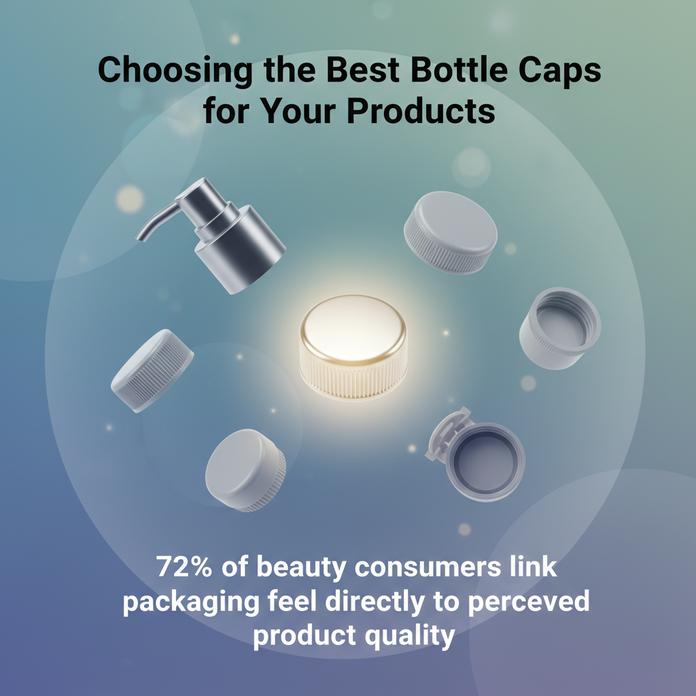
Типи кришок для пляшок: огляд
Давайте розберемо найпоширенішівиди кришок для пляшок, їхні матеріали та що робить їх придатними для різних продуктів та галузей промисловості.
Поширені типи кришок: кришки з відкидною верхньою частиною, дискові кришки та кришки з гвинтовою верхньою частиною.
- Фліп-топичудово підходять для швидкого доступу — просто відкрийте їх однією рукою.
- Верхні частини дисківдозволяють контролювати потік, ідеально підходять дляпляшечки для лосьйонуабо шампуні.
- Гвинтові кришкищільно закрутіть, щоб зберегти свіжість.
ЦідозуванняСтиль — це не лише зовнішній вигляд, він створений для функціональності. Чи то густий кондиціонер, чи рідкий дезінфікуючий засіб, завжди знайдеться кришечка, яка ідеально підійде.
Основні типи матеріалів для кришок для пляшок: поліпропілен, алюміній та ПЕТ-пластик
- Поліпропілен (ПП)– Легкий, міцний та стійкий до хімічних речовин, як чемпіон.
- Алюміній– Елегантне покриття з бонусом за можливість переробки.
- ПЕТ-пластик– Часто використовується, коли має значення прозорість; подумайте про прозорі пляшки з водою.
Кожен матеріал має свою власну атмосферу та призначення, але всі вони прагнуть знайти баланс між довговічністю та вартістю. Більшість сучасних кепок поєднують естетику зсталий розвиток, пам’ятаючи як про користувачів, так і про планету.
Стандартні розміри: горловина 18/410, застібка 20/410 та інше
| Розмір шиї | Тип кришки | Типовий випадок використання | Закриття Fit |
|---|---|---|---|
| 18/410 | Гвинтова кришка | Ефірні олії | Щільне ущільнення |
| 20/410 | Відкинутий верх | Рідке мило | Застібка-кріплення |
| 24/415 | Дозатор-помпа | Лосьйони | Безпечний поворот |
| 28/400 | Тригерний розпилювач | Засоби для чищення | Стопорне кільце |
Ці коди розмірів можуть здатися загадковими на перший погляд, але вони є вирішальними для підбору пляшок до правильних кришок. Невідповідність? Ви отримаєте протікання або нещільно прилягаючі кришки — ну ж бо!
Особливості кришок для пляшок: конструкція із захистом від несанкціонованого відкриття та захистом від протікання
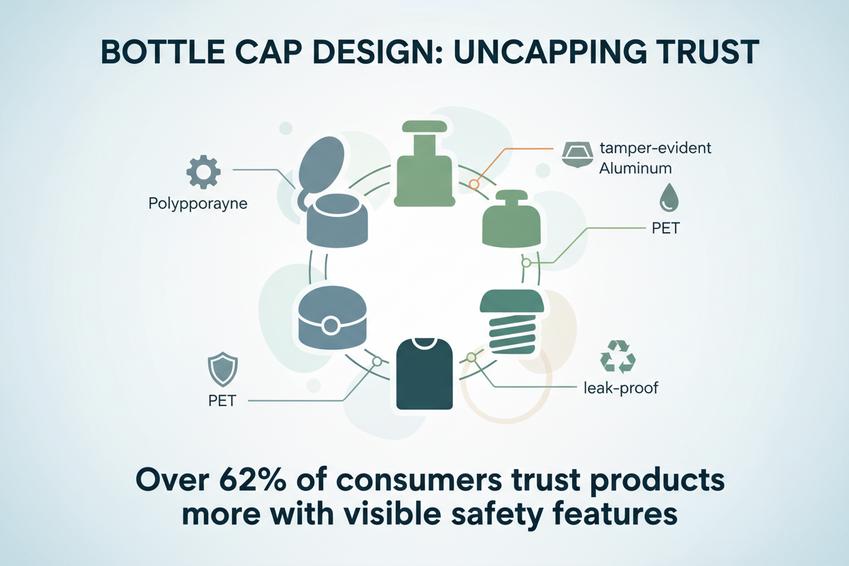
Контрольні пломби — це як охоронці вашого продукту: вони кричать «руки геть», якщо їх втрутити. Герметичні конструкції? Вони зберігають вашу сумку сухою, навіть коли її викидають під час транспортування.
Згідно зЗвіт про тенденції упаковки від Mintel (2024)«Понад 62% споживачів кажуть, що вони більше довіряють продуктам, упаковка яких містить видимі елементи безпеки». Сама ця статистика говорить про те, наскільки важливі ці дрібні деталі дизайну для формування довіри споживачів.
Від систем блокування, захищених від дітей, до індукційно герметизованих вкладишів, ці функції виходять далеко за рамки базової функціональності — вони частково є системою безпеки, частково обіцянкою бренду, загорнутою в одну крихітну кришку.
5 важливих факторів, які слід враховувати під час вибору кепок
Вибір правильної кришки — це не просто заключний етап угоди. Йдеться про функціональність, відчуття та ідеальну посадку вашого виробу.
Тип матеріалу: Чому поліетилен або ABS-смола можуть підійти для вашого продукту
Коли справа доходить до вибору матеріалів для різнихвиди кришок для пляшок, знання того, з чим працюєш, – це вже половина справи.
- Поліетилен (ПЕ):
- Пропонує надійніхімічна стійкість, що робить його ідеальним для агресивних формул.
- Випускається у варіантах високої щільності (HDPE) та низької щільності (LDPE) — кожен зі своєю гнучкістю та міцністю.
- АБС-смола:
- Відомий своєювисока ударна міцністьта довговічність під тиском.
- Ідеально підходить, коли вам потрібне відчуття жорсткості, яке кричить про якість контакту.
ПЕ краще підходить для стискальних контейнерів, тоді як АБС є королем для структурованихупаковка для косметикипотребує гострої естетики.
Варіанти кольорів: користувацькі кольори та важливість зіставлення кольорів Pantone
Колір — це не просто декор, це ідентичність у пляшці. Для брендів, які жонглюють кількомавиди кришок для пляшок, головне — це послідовність.
- Система порівняння Pantone (PMS) забезпечує однаковість відтінків бренду в усіх партіях.
- Індивідуальні відтінки можуть відповідати сезонним трендам або стилю лімітованих випусків.
- Вплив кольорусприйняття споживачамибільше, ніж ви думаєте — сині кольори вказують на довіру, червоні — на невідкладність.
Згідно зЗвіт Mintel про інновації в упаковці за перший квартал 2024 року«понад 64% споживачів заявили, що колір вплинув на їхнє рішення обрати один продукт замість іншого на полицях магазинів».
Незалежно від того, чи ви обираєте кепки з відкидним верхом, чи кепки з відкидним верхом, переконайтеся, що кожен колір кепки чітко та красномовно розповідає вашу історію.
Рішення щодо обробки поверхні: глянцеве покриття проти матового покриття для візуальної привабливості
Вибір між глянцевим та матовим покриттям залежить не лише від зовнішнього вигляду, а й від того, як клієнти взаємодіють з вашою упаковкою.
• Глянцеве покриття: чудово відбиває світло; створює елегантний, сучасний вигляд, який добре поєднується з етикетками з високим блиском. • Матове покриття: забезпечує витонченість; м’яке на дотик та відповідає мінімалістичним тенденціям брендингу. • Комбіноване покриття: деякі бренди використовують подвійну текстуру — матовий корпус з глянцевим обідком — для контрасту, який швидко привертає увагу.
| Тип обробки | Відчуття текстури | Візуальний вплив | Типовий випадок використання |
|---|---|---|---|
| Глянцевий | Гладкий | Високий блиск | Краса/догляд за шкірою |
| Матовий | Оксамитовий | Низький рівень відблисків | Органічні продукти |
| Атлас | Напівгладкий | Збалансоване сяйво | Преміум-лінії |
Для будь-якого видудизайн кришки для пляшокПоєднання текстури з кольором підвищує як привабливість полиці, так і тактильні враження — дві речі, які набагато важливіші, ніж думає більшість людей.
Порівняння пластикових та металевих: які кришки для пляшок вибрати?
Вибір між пластиковими та металевими кришками для пляшок залежить не лише від зовнішнього вигляду, а й від функціональності, відчуття та зручності. Давайте розглянемо це детальніше.
Переваги пластикових ковпачків
Пластикові кришки для пляшок схожі на швейцарський армійський ніж серед кришок — надзвичайно гнучкі та недорогі.
- Легкий дизайнозначає меншу вартість доставки та більше зручності для споживачів.
- Їм можна надати безліч форм, що забезпечує чудову якість.універсальністьу стилях упаковки.
- Доступні в усіх кольорах веселки, вони підтримують ідентичність бренду, не витрачаючи при цьому багато грошей.
- Завдяки сучасним полімерам, таким як HDPE та PP, вони дуже сумісні з різними напоями.
- Зараз пропонується багато варіантівбезпека дітейфункції або спеціалізованіваріанти дозування, особливо у фармацевтичній галузі або сфері особистої гігієни.
Згруповано за перевагами:ФункціональністьКришки, що відкидаються, кришки, що легко стискаються — все це можливо з пластиком.ВартістьМасово виробляється за нижчими цінами, ніж металеві альтернативи.Сталий розвитокДеякі види пластику підлягають переробці, хоча й не всі, але інновації в біорозкладних смолах просувають справи вперед.
Якщо ви балансуєтеекономічна ефективність, простота використання та свобода дизайну, пластик може бути саме вашим вибором серед усіх різноманітнихвиди кришок для пляшоктам.
Переваги металевих ковпачків
Металеві кришки для пляшок несуть зовсім іншу енергетику — вони міцні, елегантні та створені для тривалого використання.
- Виготовлено залюміній or сталь, вони пропонують серйозну міцність проти падінь або коливань тиску.
- Їхніпреміальна естетикароблять їх популярними для високоякісних алкогольних напоїв або косметики.
- Більшість мають вбудовані вкладиші, які забезпечують міцністьгерметичне ущільнення, зберігаючи свіжість довше.
- Також є бонус прозоростідокази несанкціонованого втручання, що одразу ж формує довіру споживачів.
- І не забуваймо — їхній високий рівеньперероблюваністьробить їх екологічнішим вибором за умови правильного поводження.
Згідно зЗвіт Euromonitor про тенденції в упаковці (2024)«Металеві кришки зросли на 12% у сегментах преміальних напоїв завдяки їхній сприйнятій цінності та довговічності».
Згруповані за типом матеріалу: • Алюмінієві кришки – легкі, але стійкі до корозії; ідеально підходять для газованих напоїв • Сталеві кришки – міцний вибір з чудовими бар'єрними властивостями; часто використовуються в соусах або приправах
Тож, якщо ви прагнете довговічності, вишуканої атмосфери або герметичного захисту різних...види кришок для пляшок, метал може просто вирішити справу.
Найчастіші запитання про типи кришок для пляшок
Які основні типи кришок для косметики?
Від ніжного натискання лосьйону до швидкого заливання шампуню, вибір правильного ковпачка робить кожен процес легким:
- Відкидні верхні кришки:Швидке відкриття однією рукою — ідеально підходить для пляшечок з лосьйоном.
- Верхні кришки дисків:Контрольоване дозування зі стилем; підходить для флаконів із сироваткою.
- Гвинтові кришки:Міцна кришка для контейнерів з кремом, що потребують безпеки під час зберігання.
- Помпа та розпилювач:Функціональна елегантність шампунів та спреїв; розроблені для багаторазового щоденного використання.
Як вибір матеріалів впливає на продуктивність та відчуття?
Поліпропілен забезпечує гнучкість, поліетилен — м’якість — він тепліший на дотик. Алюміній сяє міцністю; ПЕТ-пластик залишається легким, але водночас пружним, а АБС-полімер додає надійної точності різьбі та застібкам.
Чому функції захисту від несанкціонованого втручання або протікання такі важливі?
Вони безпосередньо говорять про довіру:
- Захищає лосьйони в кришках 20/410 від розливів під час транспортування.
- Запевняє клієнтів — непорушена пломба означає недоторкану чистоту.
- Підвищує репутацію бренду, поєднуючи контрольні браслети з матеріалами без бісфенолу А.
Чи має значення сумісність розмірів при замовленні великих партій?
Безперечно — оздоблення горловини визначає посадку: маленькі отвори 18/410 підходять для делікатних речейсироватка для губпляшки; 24/410 підходить для міцнихдозатори з насосомяк ці прикрашаючі пляшечки для шампуню; глибша різьба, така як 28/410, без компромісів вміщує важчі баночки з кремом.
| Код розміру | Звичайне сполучення | Приклад шапки |
|---|---|---|
| 18/410 | Флакони з сироваткою | Верхня кришка диска |
| 20/410 | Пляшки для лосьйону | Відкидна верхня кришка |
| 24/410 | Контейнери для шампуню/крему | Кришка насоса |
| 28/410 | Креми для об'єму | Гвинтова кришка |
Як обробка поверхні впливає на сприйняття?
Людська рука пам'ятає свій дотик, а око плекає його блиск:
- Глянцеве покриття надає чорним глянцевим ковпачкам сміливого преміального шарму.
- Матове покриття шепоче вишуканість на білих непрозорих повіках.
- М'який дотик огортає пальці теплом, роблячи їх розкішними для догляду за шкірою.
- УФ-покриття захищає кольори, що використовуються за допомогою зіставлення Pantone, під яскравим освітленням дисплея.
Посилання
- Звіт Smithers про упаковку за 2023 рік –https://www.smithers.com/services/market-reports/packaging/the-future-of-global-packaging-to-2028
- Звіт Mintel про тенденції в упаковці (2024) –https://www.mintel.com/insights/packaging/global-packaging-trends/
- Звіт Mintel про інновації в упаковці за перший квартал 2024 року –https://store.mintel.com/report/us-color-cosmetics-market-report
- Звіт Euromonitor про тенденції в упаковці (2024) –https://www.euromonitor.com/article/top-trends-shaping-pet-bottle-packaging-demand
Час публікації: 20 січня 2026 р.
