
Keep serums safe & customers smiling—Airless Pumps deliver fresh doses, zero mess, and premium appeal for savvy cosmetic brands.
Airless Pumps aren’t just gadgets with springs and pistons—they’re the unsung heroes behind your favorite wrinkle-fighting serum staying fresh till the very last drop. Think of them as tiny bodyguards for skincare: no air sneaks in, no contamination, just a clean pump every time.
Think back to that gunky lotion tube you squeezed too hard one morning—it burped out way too much and ruined your shirt. Yeah, this is how brands lose trust. Airless systems fix that mess with precision dosing so customers get what they paid for—no more, no less.
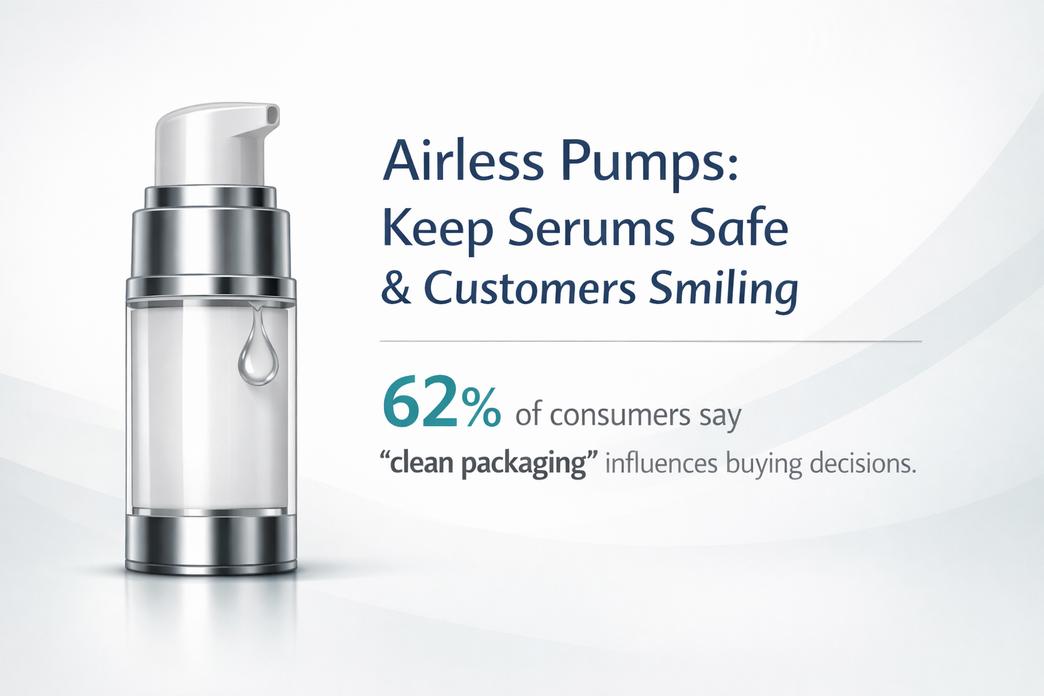
In an era when 62% of consumers say “clean packaging” influences their buying decision (Mintel, 2023), smart brands are switching up their game. The pump? It’s not just functional—it tells a story about quality, care, and keeping up with what buyers actually want now.
Quick Insights on Airless Pumps
➔ Pump Types: Vacuum-based systems, spring-loaded and non-metal contact designs tailor to different viscosities and hygiene needs.
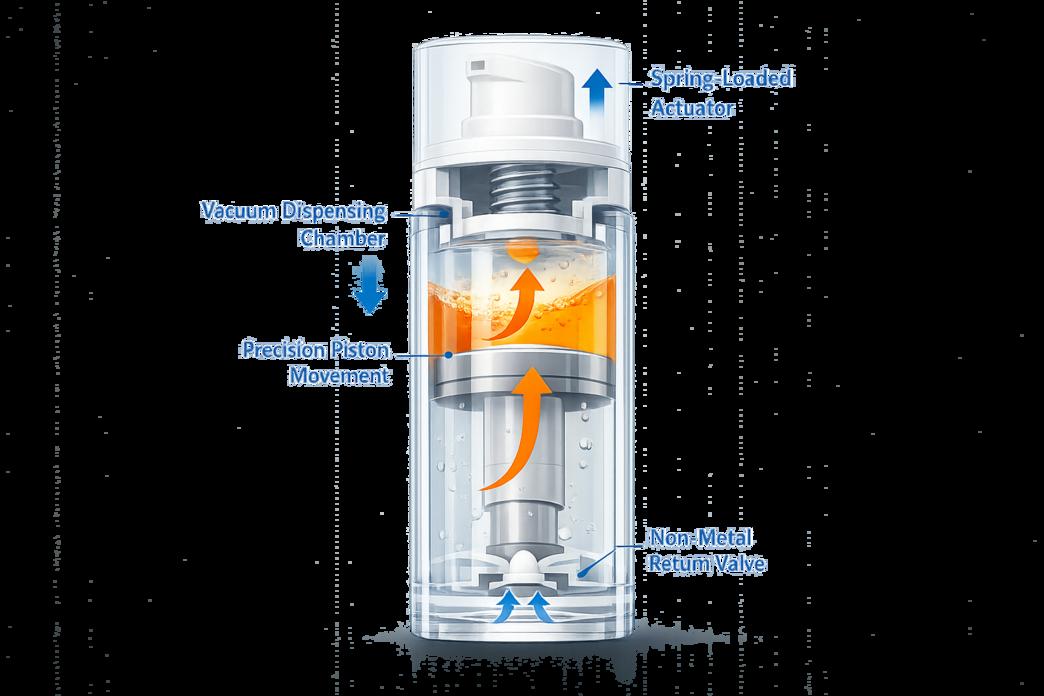
➔ How They Work: A sealed vacuum chamber, spring-loaded actuator and precision piston deliver consistent doses without dip tubes, then a non-metal return valve resets for the next pump.
➔ Key Advantages: Protect sensitive actives from oxidation, extend shelf life, enable refillable eco-friendly systems and offer ergonomic one-handed dispensing.
➔ Material & Design Options: Choose from PP, PETG airless pump bottle or aluminum shells with matte, glossy or custom finishes to balance cost, aesthetics and sustainability.
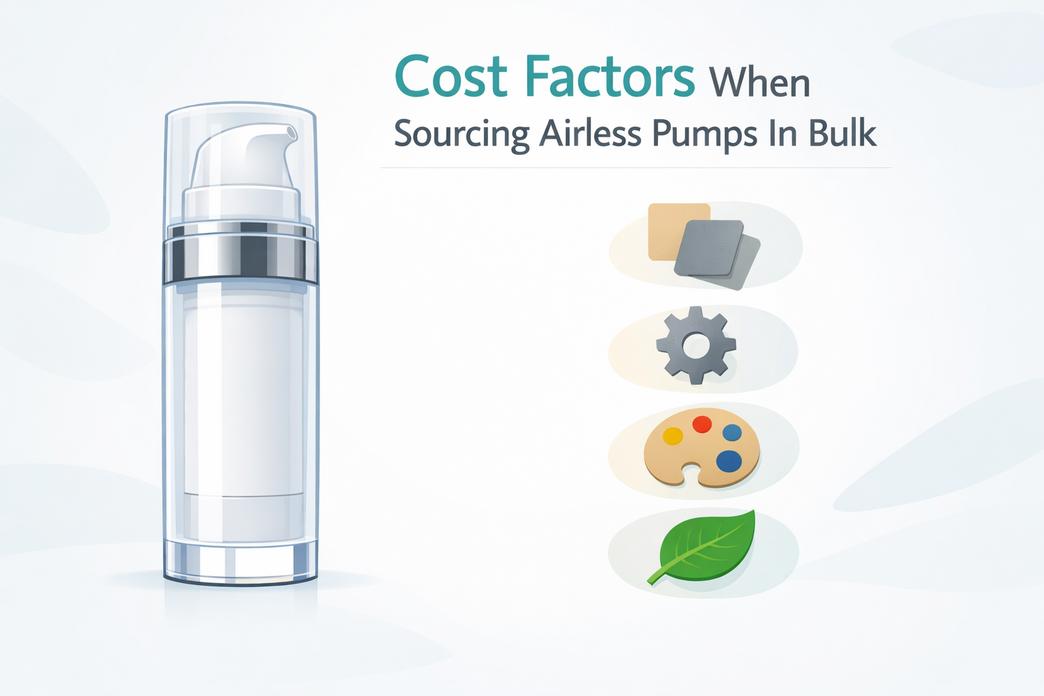
➔ Cost Considerations: Material selection, standard vs custom tooling, decoration extras, sustainable add-ons and lead time/certification fees all impact bulk pricing.
What Are Airless Pumps
Airless pumps are smart dispensing systems that keep products fresher and cleaner by pushing them out without letting air in.
Types of Airless Pumps
Airless pump designs vary based on how they move product and protect formulas. Here’s how the main pump mechanisms break down:
A. Vacuum-Based Systems
- Pull product upward using internal pressure differences.
- Ideal for thick creams or sensitive serums that spoil easily.
- No external air enters, preserving product protection.
B. Spring-Loaded Pumps
- Use a mechanical spring to push the formula up during actuation.
- Great for lightweight lotion bottle or hand sanitizers.
- Offers strong rebound force for faster re-use.
C. Non-Metal Contact Designs
- Prevent metal from touching sensitive ingredients like vitamin C or retinol.
- Helps avoid oxidation and maintains formula integrity over time.
Each style supports different needs depending on viscosity, hygiene sensitivity, and shelf-life requirements—making airless technology incredibly versatile in modern packaging solutions.
Precision Dosage Control with Piston Mechanisms
In cosmetic packaging, consistency is everything—especially when it comes to how much comes out per press.
A. How Piston Systems Work:
- A tightly sealed piston pump moves upward as product is dispensed.
- The vacuum created ensures no backflow or contamination.
- Each press delivers an exact amount—no more, no less.
B. Benefits for Beauty Formulas:
• Keeps foundations uniform across applications.
• Delivers precise amounts of serums without waste.
• Reduces exposure to oxygen, helping with formula preservation.
This kind of controlled dispensing, backed by smart actuation, gives users peace of mind while maintaining the integrity of high-end skincare products.
Packaging Options: PP Plastic, PETG & Aluminum Shells
When it comes to outer shells for airless containers, there’s more than just looks at play—material choice affects function too:
• PP plastic, known for being affordable and lightweight, fits budget-friendly lines well but might lack shine or clarity. It’s also widely recyclable and compatible with many formulas due to its stable chemical nature.
• On the other hand, PETG, a clear plastic often used in higher-end designs, offers crystal visibility that works great when you want your serum color to pop through the bottle—but it’s slightly pricier than PP.
• For a luxe feel? Go with brushed or anodized aluminum shells, which not only look sleek but add durability and weight that signals premium quality on shelves.
Each material balances between cost-efficiency, aesthetics, and long-term durability—making these container options key players in both design and performance-focused packaging decisions involving modern airless pump formats like those offered by Topfeelpack today.
How Airless Pumps Work Step By Step
Ever wonder how those sleek, no-air skincare bottles work? Here’s a quick dive into how airless pumps keep your products fresh and flowing.
Step 1: Establishing Vacuum Dispensing Chamber
To kick things off, the product is loaded into a sealed dispensing chamber. There’s no room for air—literally.
- This creates a vacuum beneath the rising piston.
- No oxygen means zero contamination risk for creams or serums.
- The sealed design keeps every drop clean and potent.
That’s why sensitive formulas love this setup. You’re not just getting better shelf life—you’re keeping stuff like retinol and vitamin C from turning into mush. And with Topfeelpack’s smart bottle tech, your skincare stays fresher, longer.
Step 2: Engaging Spring-Loaded Actuator Mechanisms
Here’s where the action happens—press down on the top, and boom!
- The user applies pressure to the actuator, compressing an internal spring-loaded mechanism.
- This compression triggers suction that pulls product upward without any messy dip tubes.
- The whole thing resets instantly after each press—no clogging, no fuss.
The best part? It works upside down or sideways. These pump mechanisms are built for real life—not just perfect bathroom counters.
Step 3: Precision Piston Movement for Dosage Control
Next up is accuracy—because when it comes to skincare, more isn’t always better.
• With each pump, a small piston shifts upward inside the container.
• This pushes out a measured amount—hello, perfect metered dose!
• No waste, no overuse—and definitely no fingers dipping into jars.
This kind of dosage control makes it super hygienic too. You get what you need without messing up what’s left inside.
Step 4: Refill Cycle with Non-Metal Return Valve
Once you release the actuator… magic happens behind the scenes:
- A specialized non-metal valve kicks in.
- It equalizes pressure inside the chamber while blocking air from sneaking back in.
- That sets everything up for your next pump—clean and ready to go.
Thanks to this clever little valve system, there’s no gurgling or backflow either. Just smooth motion and consistent flow every single time—with Topfeelpack making sure even your last drop gets used right.
Key Advantages Of Using Airless Pumps
Airless pumps aren’t just about sleek looks—they’re changing how skincare works, feels, and stays fresh. Let’s break down why they’re becoming a must-have.
Ideal for Foundation & Serum Formulations
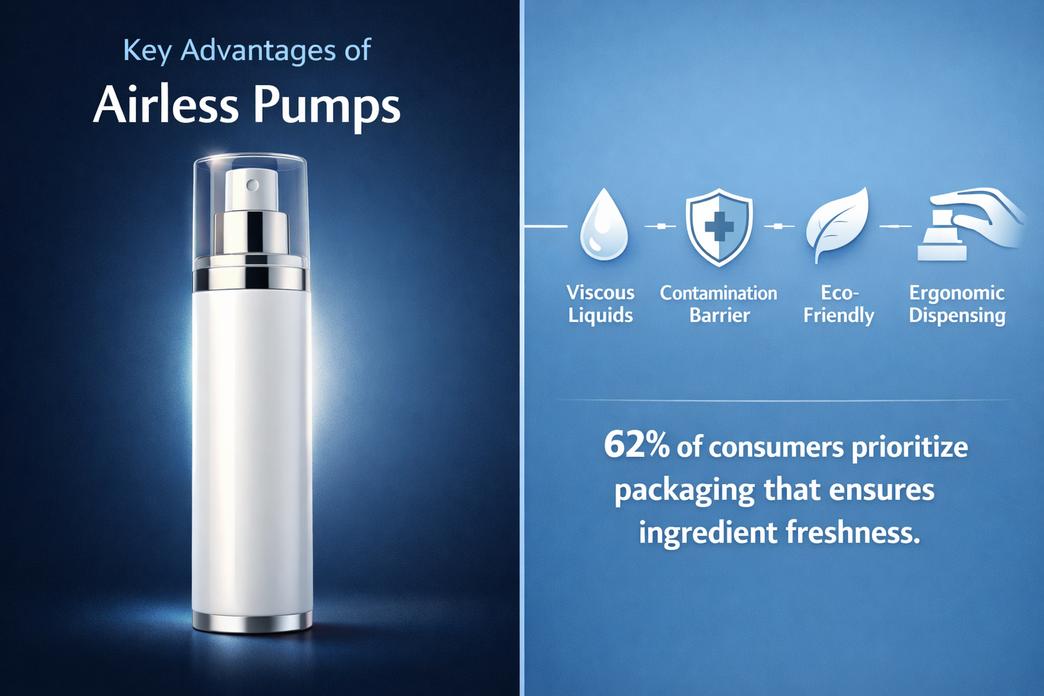
• Works smoothly with viscous liquids like rich creams or dense serums.
• Prevents clogging even in low-pressure environments.
• Handles low viscosity liquids such as watery foundation packaging without leaking or separating.
- Compatible with a wide range of cosmetic formulations, from lightweight gels to oil-based serums.
- Maintains consistent flow without needing to shake or tap the bottle.
No more wasted product stuck at the bottom—every drop gets used efficiently thanks to smart airless dispenser bottle design.
It’s not just about compatibility—it’s about control and smooth delivery across all textures you can imagine applying to your face.
Preserve Sensitive Active Ingredients
To keep formulas potent, air exposure has to be minimized—and that’s where this packaging shines.
- By creating a sealed environment, it acts as a strong contamination barrier.
- It protects delicate compounds like peptides and retinols from oxidation.
- Reduces chances of bacterial growth by limiting oxygen contact entirely.
“Recent findings from Mintel’s 2024 Global Beauty Report show that over 62% of consumers now prioritize packaging that ensures ingredient freshness.”
When it comes to preserving ingredient stability, this is one of the most effective solutions on the market today.
Extend Skincare Product Shelf Life
- No backflow = no re-entry of air = lower contamination risk.
- Fewer preservatives needed because there’s less microbial threat.
- The product maintains texture and scent longer due to reduced degradation.
Longer-lasting doesn’t mean loaded with chemicals—it means smarter storage through optimized skincare packaging that respects the formula inside while extending its usable life span naturally.
Support Refillable Eco-Friendly Systems
Designed for reuse: many models support interchangeable refill cartridges made from recycled materials like post consumer recycle bottle.
Helps cut down on single-use waste dramatically by promoting refillable containers instead of tossing out entire bottles each time.
Aligns with modern consumer values focused on reducing environmental impact and embracing the circular economy mindset.
This shift toward eco-friendly solutions isn’t just buzz—it’s real action taken through better design choices in everyday products you already use.
Ergonomic Dispensing Press Mechanism
Short bursts, no mess, one-handed ease—this is what good design feels like:
• Feels natural in your palm with minimal pressure required for activation.
• Consistent output every time means fewer surprises when applying skincare routines daily.
• The built-in pump allows full product evacuation—no tipping or tapping needed!
That kind of thoughtful engineering makes for a better user experience while ensuring hygienic handling and precise dosage control every single day using this clever little dispensing mechanism system embedded into modern airless designs.
Cost Factors When Sourcing Airless Pumps In Bulk
Bulk buying Airless Pumps sounds like a smart move—but the devil’s in the details. Let’s unpack what really drives cost when you’re going big.
Material Choices: PP, PETG & Glass Components
- Polypropylene (PP) is lightweight and cost-effective, perfect when you need thousands of units fast.
- PETG offers better clarity and chemical resistance but bumps up the price a bit.
- Going with glass? It screams premium but adds weight, fragility, and higher shipping costs.
- Compatibility with formulas matters—some active ingredients break down certain plastics over time.
- Don’t forget recyclability. Brands aiming green often lean toward PCR-enhanced PETG or glass despite the added cost.
Injection Molding vs. Custom Tooling Costs
You’ve got two main roads here:
- Stick with standard injection molding—cheaper per unit, faster turnaround.
- Invest in custom tooling—higher upfront costs but opens doors to unique shapes and custom actuators.
If your brand identity hinges on that signature twist or push mechanism, expect to pay more. And don’t underestimate lead times; custom molds can take weeks to finalize.
Decoration Techniques Add-On Expenses
When it comes to dressing up your airless pump, every extra counts:
• Basic color spraying? Affordable and quick.
• Go fancy with hot-stamping or silk-screening? Expect those setup fees to creep in.
• Matte finishes or soft-touch coatings boost shelf appeal but also add dollars per unit.
Visual impact sells—but it has a price tag.
Sustainability Additions Affect Price
Eco-friendly doesn’t always mean budget-friendly:
– Refillable designs require stronger internal components—and more testing.
– Using recycled content like PCR plastic can increase material sourcing complexity.
– Lightweight builds reduce shipping emissions but may sacrifice durability if not engineered carefully.
Still, many brands consider these investments worthwhile as sustainability becomes non-negotiable among conscious shoppers.
Lead Time, Capacity & Certification Fees
Short timelines + large quantities = stress if your supplier isn’t ready:
• High-capacity facilities help meet tight deadlines—but they book out fast.
• ISO or GMP certifications ensure quality compliance but come with inspection-related fees baked into pricing.
• International shipping delays? Yeah, build that buffer into your timeline just in case customs gets sticky.
Planning ahead saves money—and headaches—down the road when sourcing large volumes of airless containers.
FAQs about Airless Pumps
How do airless pumps protect delicate skincare formulas?
Wrapped inside a vacuum dispensing chamber, your serum or cream meets no hostile oxygen.
- Non-metal contact parts preserve sensitive ingredients like peptides and retinol from reactive surfaces.
- Piston design drives upward with each press, ensuring no backflow or bacterial intrusion.
A single measured push delivers exactly what’s needed—leaving the rest isolated, pristine, and untouched until called forth again.
Which cosmetic products thrive best in airless pump packaging?
The system favors textures that demand care: thick foundation blends maintain smoothness; silky lotions avoid separation; concentrated serums arrive fresh at every use.
- Viscous formulas glide through piston-controlled channels without clogging.
- Vacuum seals cradle active botanicals away from degradation forces of air and light.
Can suppliers tailor aesthetics while keeping performance high?
With prototyping services on busy assembly lines, brands can choose PP plastic for value or PETG for crystal clarity—aluminum shells give luxury weight to the hand.
Decoration techniques bring matte elegance or glossy allure; custom colors match identity precisely; ergonomic actuators ease daily ritual with human-friendly grip—while certification standards ensure function matches beauty throughout global journeys.
References
[Mintel Global Beauty Trends - www.mintel.com]
[Vitamin C Stability in Skincare - www.ncbi.nlm.nih.gov]
[Circular Economy Overview - www.ellenmacarthurfoundation.org]
[Association of Plastic Recyclers - plasticsrecycling.org]
Would you like me to create a comparison table for the different material shells (PP vs PETG vs Aluminum) to help with your sourcing decisions?
Post time: Feb-20-2026
