
-
Why Are Cosmetic Tubes Commonly Used for Sunscreen?
Direct answer: Cosmetic tubes are commonly used for sunscreen because they offer controlled dispensing, portability, clean handling and practical space for product information. The final choice should still be tested with the actual formula, closure and filling process. 01. Tubes Make Sunscreen ...Read more -
What Is Design for Recycling in Cosmetic Packaging?
What Does Design for Recycling Mean in Cosmetic Packaging? Design for recycling (DfR) means designing a cosmetic pack so it can be collected, sorted, processed and converted into usable recycled material within the recycling systems available in the target market. DfR ...Read more -
PPWR and Cosmetic Airless Packaging: What Beauty Brands Should Prepare for in 2026
The EU Packaging and Packaging Waste Regulation (PPWR) changes how brands need to think about cosmetic packaging. For airless bottles, the key question is no longer simply whether a package is made from PP, contains PCR, or is refillable. Brands need to consider the comp...Read more -
PPWR-Ready Cosmetic Packaging: How Mono-Material Solutions Help Beauty Brands Prepare for EU Regulations
As packaging regulations evolve across Europe, cosmetic and beauty brands are paying closer attention to how packaging is designed, manufactured, used, collected, and recycled. One regulation receiving particular attention is the European Union's Packaging and Packaging ...Read more -
How Can Beauty Brands Reduce Packaging Waste? 10 Practical Strategies
Beauty brands are under increasing pressure to reduce packaging waste. Consumers want more sustainable products. Retailers are asking suppliers for better environmental performance. Regulations are becoming more demanding. At the same time, brands still need packaging th...Read more -
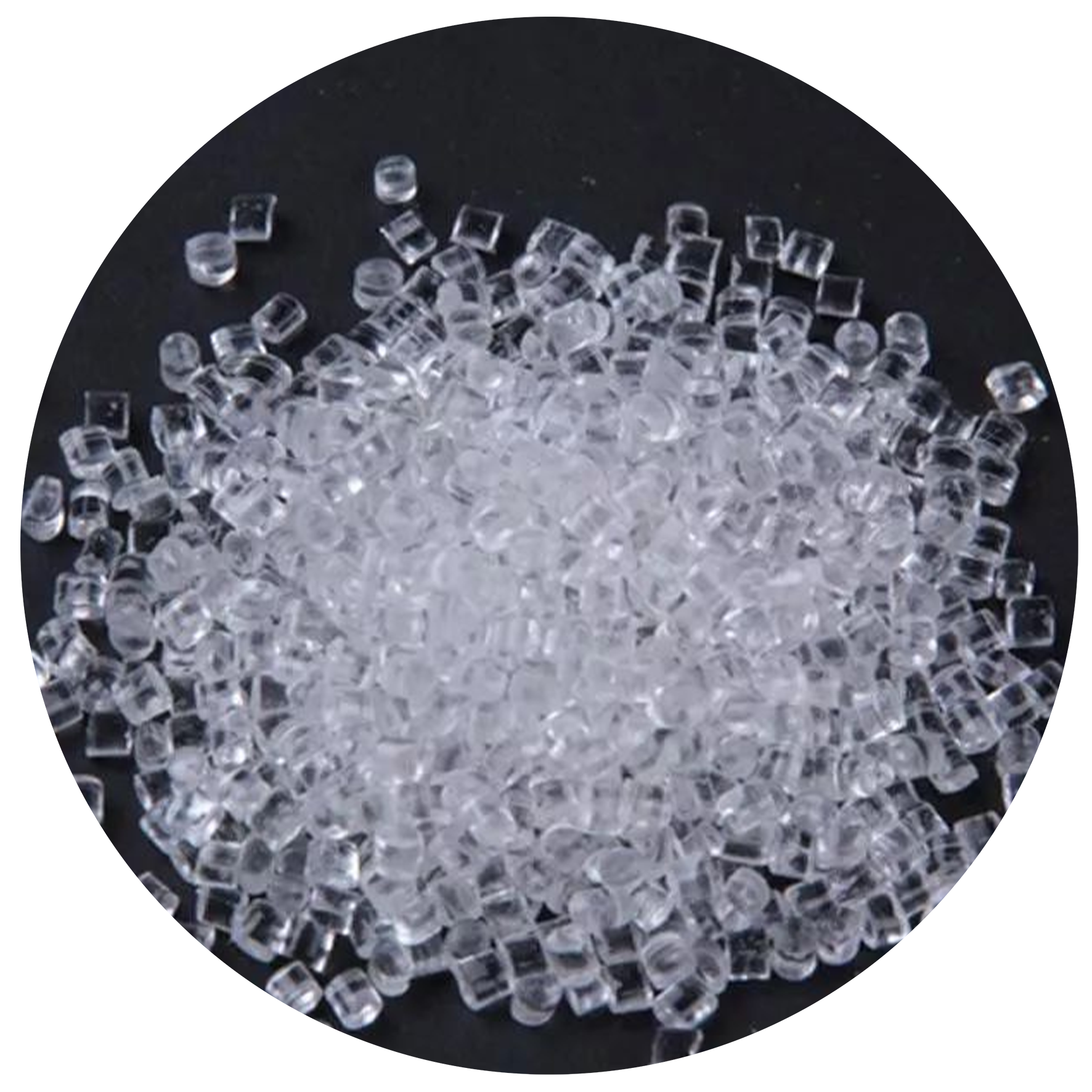
How Does Packaging Material Affect Recyclability? A Guide for Beauty Brands
When beauty brands talk about sustainable packaging, the first question is often: “Which material is the most recyclable?” The answer is more complicated than choosing plastic, glass, aluminum, or paper. Packaging recyclability depends not only on the primary material, b...Read more -
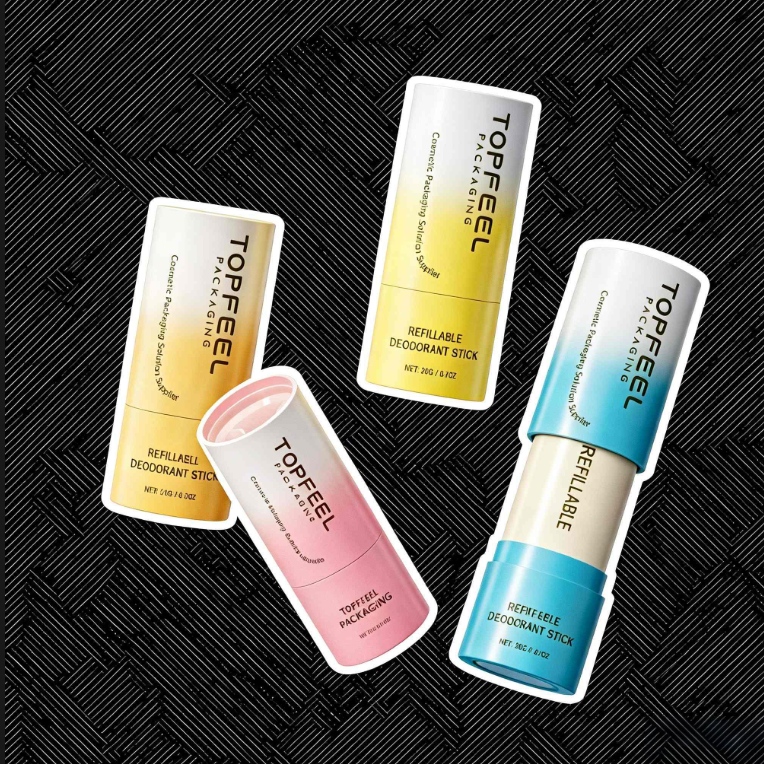
What Is the Best Packaging for Solid Deodorant? A Guide for Beauty Brands
As solid deodorant continues to gain attention in the personal care market, packaging has become an increasingly important part of product development. Consumers want convenient, mess-free products, while beauty brands are looking for packaging that supports sustainabili...Read more -
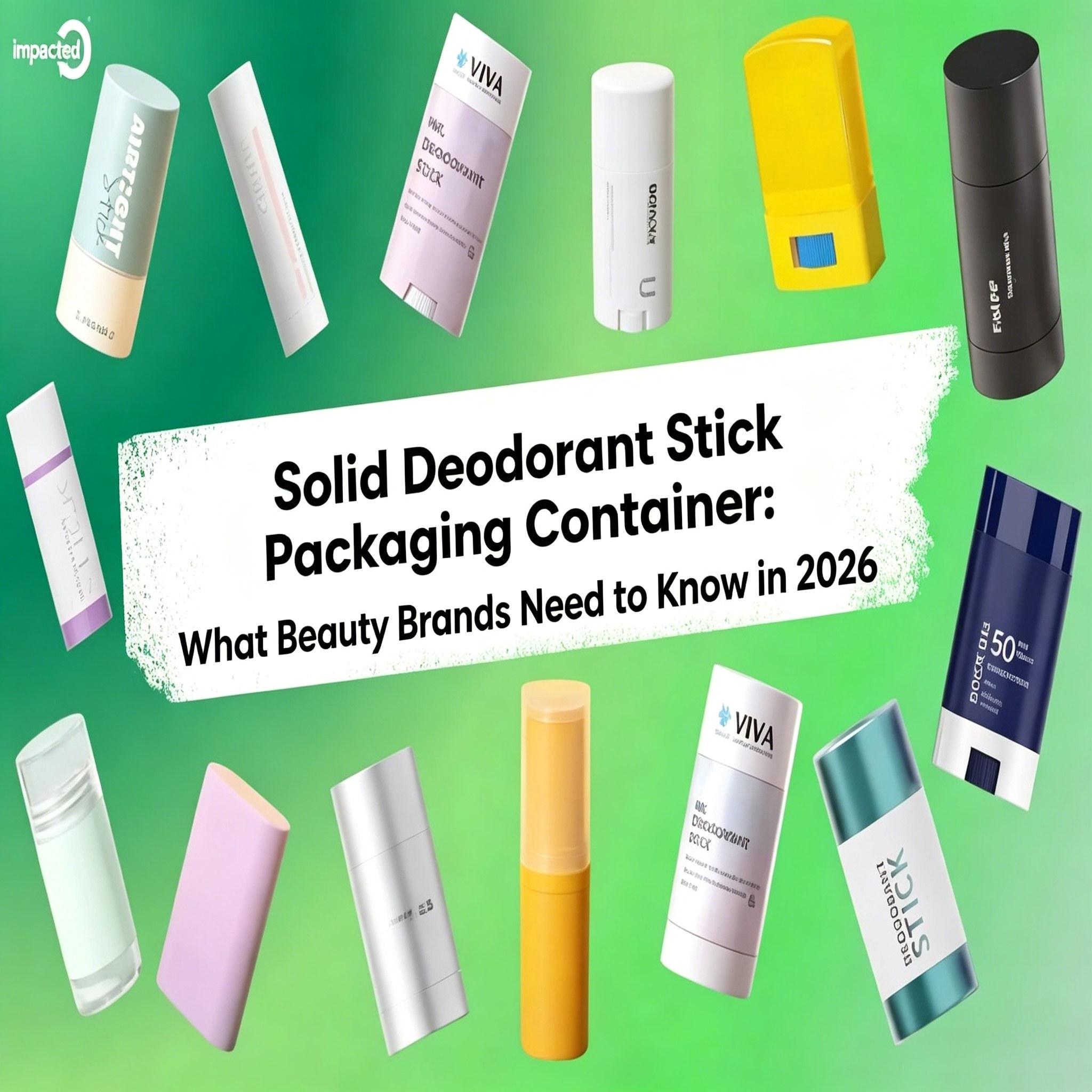
Solid Deodorant Stick Packaging Container: What Beauty Brands Need to Know in 2026
The deodorant market is changing, and packaging is changing with it. As consumers become more interested in solid personal care, plastic reduction, convenient formats, and sustainable beauty, the solid deodorant stick packaging container is becoming an increasingly impor...Read more -
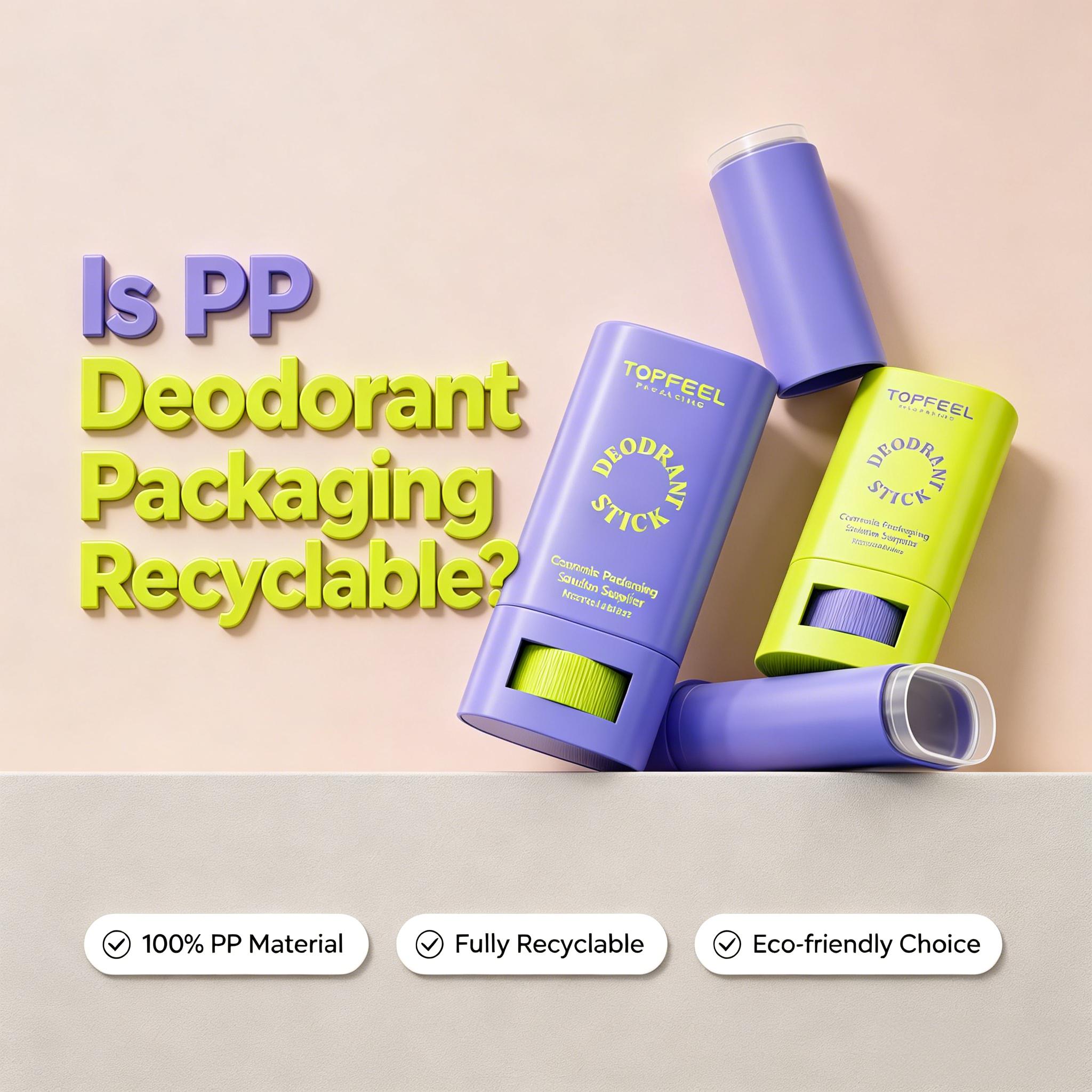
Is PP Deodorant Packaging Recyclable? What Beauty Brands Should Know
As beauty brands look for more sustainable packaging solutions, polypropylene (PP) has become an increasingly discussed material for cosmetic and personal care packaging. For brands developing solid deodorants, one common question is: Is PP deodorant packaging recyclable...Read more
-

Whatsapp
- English
- French
- German
- Portuguese
- Spanish
- Russian
- Japanese
- Korean
- Arabic
- Irish
- Greek
- Turkish
- Italian
- Danish
- Romanian
- Indonesian
- Czech
- Afrikaans
- Swedish
- Polish
- Basque
- Catalan
- Esperanto
- Hindi
- Lao
- Albanian
- Amharic
- Armenian
- Azerbaijani
- Belarusian
- Bengali
- Bosnian
- Bulgarian
- Cebuano
- Chichewa
- Corsican
- Croatian
- Dutch
- Estonian
- Filipino
- Finnish
- Frisian
- Galician
- Georgian
- Gujarati
- Haitian
- Hausa
- Hawaiian
- Hebrew
- Hmong
- Hungarian
- Icelandic
- Igbo
- Javanese
- Kannada
- Kazakh
- Khmer
- Kurdish
- Kyrgyz
- Latin
- Latvian
- Lithuanian
- Luxembou..
- Macedonian
- Malagasy
- Malay
- Malayalam
- Maltese
- Maori
- Marathi
- Mongolian
- Burmese
- Nepali
- Norwegian
- Pashto
- Persian
- Punjabi
- Serbian
- Sesotho
- Sinhala
- Slovak
- Slovenian
- Somali
- Samoan
- Scots Gaelic
- Shona
- Sindhi
- Sundanese
- Swahili
- Tajik
- Tamil
- Telugu
- Thai
- Ukrainian
- Urdu
- Uzbek
- Vietnamese
- Welsh
- Xhosa
- Yiddish
- Yoruba
- Zulu