
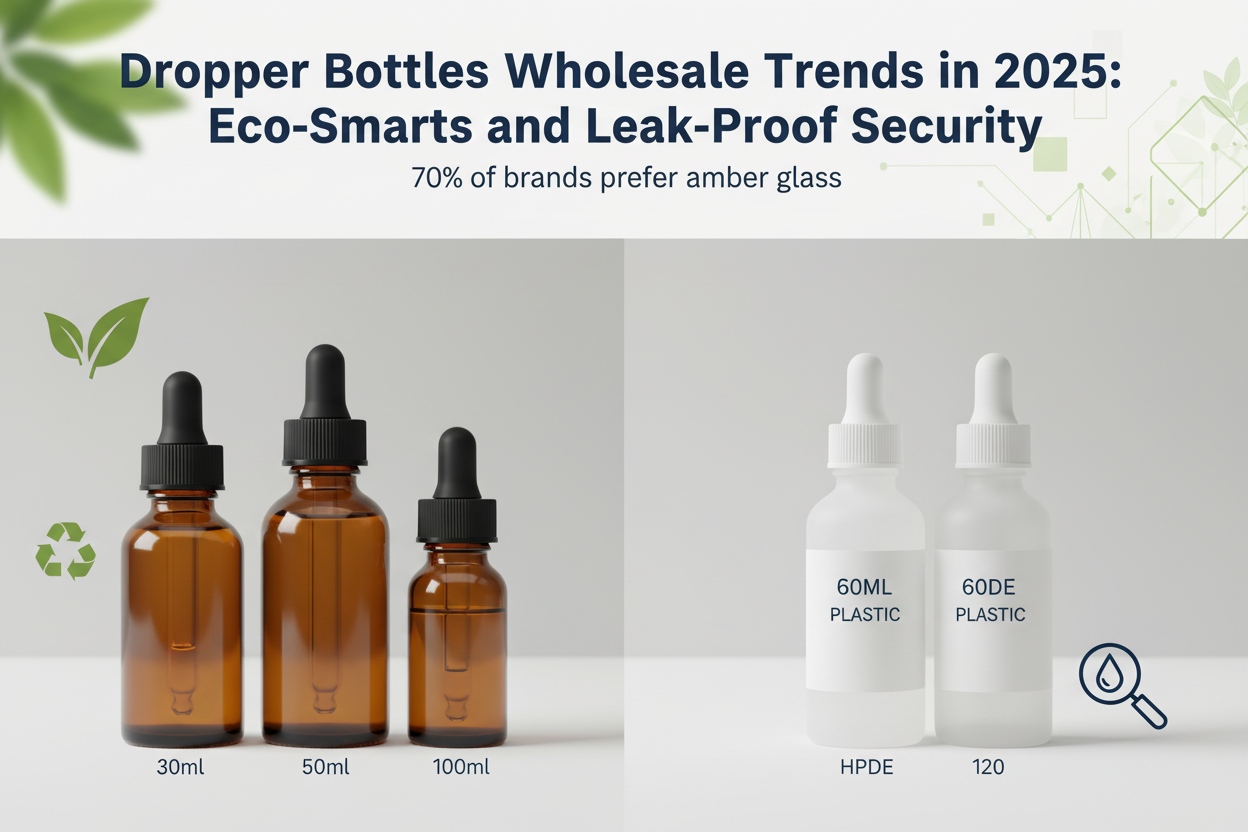
Dropper bottles wholesale isn’t just a supply chain game anymore—it’s branding, it’s sustainability, and honestly? It’s your product’s first impression. In 2025, buyers don’t just want function; they want eco-smarts, leak-proof security, and that “wow” factor when the cap twists open. Amber glass is still king (turns out 70% of brands aren’t wrong), but plastics like HDPE are elbowing in with their lightweight charm and recyclability.
One Topfeelpack packaging engineer put it bluntly back in January: “If your dropper leaks or feels cheap in hand—your customer won’t even care what’s inside.” That stings—but it’s true.
Key Points to Know Before You Dive Into Dropper Bottles Wholesale
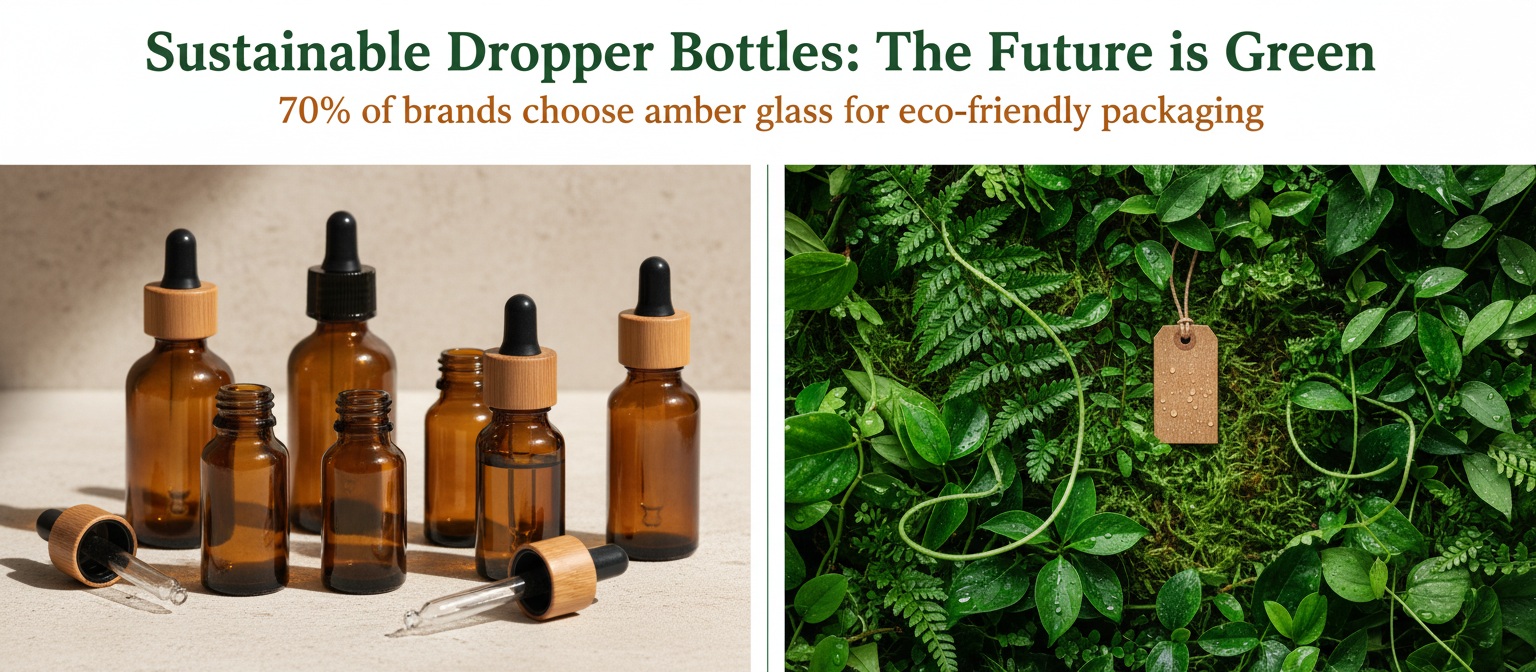
➔ Amber Glass Reigns Supreme: 70% of brands choose amber glass for UV protection and eco-appeal, making it the top pick for sustainable packaging.
➔ Plastic vs. Glass Tradeoffs: Plastic droppers are lightweight and affordable, but glass offers better durability and sustainability—especially for premium products.
➔ Leak-Proofing Matters: Caps like Aluminum and Urea provide superior seals, while tamper-evident droppers stop spills before they start.
➔ Design Is Identity: Cap choices such as Gold or Natural elevate brand presence; frosted bottles add elegance to cosmetic serums.
➔ Smart Sizing & Safety: Bulk-friendly 30 ml and 50 ml bottles improve shipping efficiency; child-resistant closures keep cosmetics secure in transit.
Why Sustainability Drives 2025 Dropper Bottles Wholesale Trends
Sustainability’s no longer just a buzzword—it’s the heartbeat of packaging in the coming year.
70% of brands adopt Amber Glass for greener packaging
- Amber glass blocks UV rays, making it ideal for light-sensitive liquids like essential oils and serums.
- Over 70% of natural wellness brands now favor amber due to its recyclability and premium vibe.
- It aligns with minimalist branding trends, which cut design clutter and emphasize clean aesthetics.
- Compared to clear or cobalt bottles, amber has fewer impurities when recycled, boosting circular economy compatibility.
- Its weight adds perceived value—consumers associate it with quality even before reading the label.
- Refillable designs are easier to implement with sturdy materials like recycled glass, helping reduce single-use waste.
Plastic PET vs. Plastic HDPE: Recycling potential at a glance
| Material Type | Recyclability Rate (%) | Common Use Cases | Durability Score (/10) |
|---|---|---|---|
| PET | Up to 90% | Beverage & cosmetic uses | 6 |
| HDPE | Around 60–70% | Industrial & pharma | 9 |
PET wins on recycling infrastructure—it’s accepted in more curbside programs globally—but HDPE’s toughness keeps it relevant for bulk or refillable dropper-style packaging.
A recent report by Packaging Europe notes that “brands prioritizing PET over HDPE due to ease of consumer disposal may be overlooking long-term durability benefits.”
Natural caps cut down closure waste
- Wood-based closures cut plastic use by up to 80%, especially when paired with glass bottles.
- Bamboo caps are compostable under industrial conditions and add an earthy look customers love.
- Cork and other bio-materials are gaining traction thanks to their low-energy processing needs.
Natural closures aren’t just about looks—they’re part of a bigger push toward sustainable sourcing and smarter end-of-life product planning.
Eco-friendly uses for E-Liquids and Essential Oils packaging
• E-liquids need precise droppers; using bio-based plastics in these helps reduce petroleum dependency without compromising function.
• Essential oil brands increasingly opt for refillable designs, encouraging loyalty while slashing packaging waste.
• Monodose formats are emerging too—tiny sealed drops that eliminate mess, perfect for travel kits or aromatherapy samples.
The common thread? Reducing excess while delivering performance, especially as Gen Z demands cleaner choices across every touchpoint—from formulation to bottle cap.
Minimalist design meets sustainable purpose
Short bursts say it best:
– Less ink = easier recycling; minimal labels mean fewer contaminants in reprocessing streams.
– Slimmer shapes use less material overall—lighter shipments mean lower emissions per unit shipped.
– Brands pairing sleek visuals with eco-friendly materials see better shelf impact without harming the planet.
Designers aren’t just trimming fat—they’re crafting smarter silhouettes that speak sustainability fluently without shouting about it on-pack.
Consumer demand fuels green innovation
Step-by-step breakdown:
Step one: Consumers start asking questions—not just “what is this?” but “how was this made?”
Step two: Brands scramble to respond, shifting from virgin plastics toward monodose packaging, compostables, and refill systems.
Step three: Retailers catch on fast; buyers prioritize SKUs that meet ESG benchmarks or carry third-party certifications like FSC or Cradle-to-Cradle.
Step four: Manufacturers adapt tooling lines for smaller runs using flexible molds suited for both HDPE and PET hybrids—efficiency meets agility here.
Everyone’s reacting fast, but only those who integrate change deep into operations will thrive past trend cycles into true transformation territory.
Circular economy isn’t optional anymore—it’s expected
Grouped insight clusters:
Packaging Lifecycle Awareness
- Consumers now understand what happens after disposal.
- Brands must prove how their materials fit into closed-loop systems using metrics like post-consumer content percentage or landfill diversion rates.
Material Transparency
- Labels increasingly list not just ingredients but also bottle composition.
- Certifications like BioPreferred signal commitment beyond marketing fluff—and customers notice that clarity matters more than ever before.
Carbon Tracking
- Companies measure footprint per unit sold; lighter dropper options made from blended polymers can shave grams off emissions totals.
- Some even publish CO₂ data right on product pages—a bold move toward accountability consumers reward with loyalty clicks.
In short? The shift toward circularity is being driven not by regulation alone but by people power—and the industry’s finally listening loud enough to act smartly about it all.
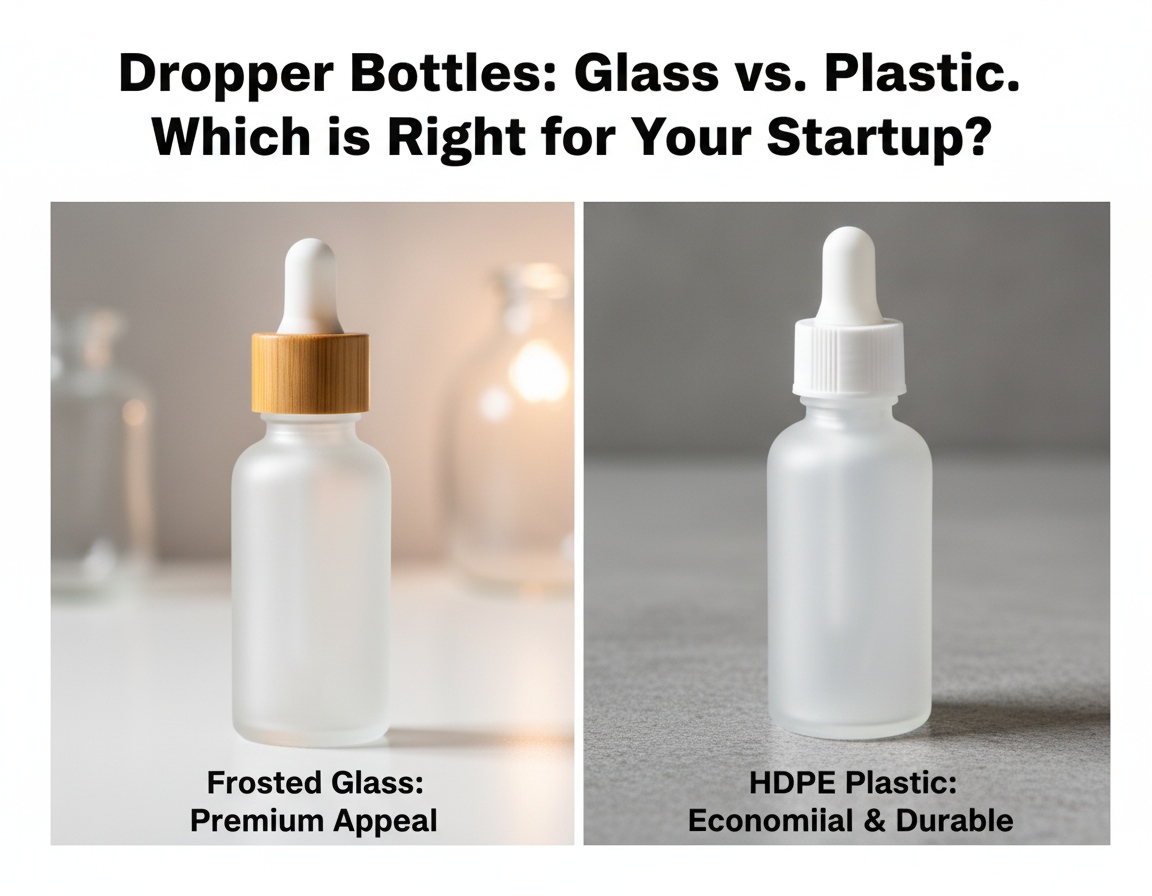
Plastic Vs. Glass Droppers
A quick guide to the pros and cons of plastic vs. glass droppers—two common options in packaging that serve wildly different needs.
Plastic Droppers
- Material composition: These are typically made from polyethylene or polypropylene. That means they’re flexible, lightweight, and cheap to mass-produce.
- Chemical compatibility: Good with non-reactive liquids like essential oils or vitamins, but not ideal for aggressive solvents.
- Durability and resistance: They bounce instead of shatter—great for travel kits or kids’ products.
- Environmental impact: Here’s the kicker—they’re not biodegradable. Recycling helps, but it’s still a concern.
- Applications:
• Over-the-counter meds
• DIY skincare kits
• Travel-size serums - Cost analysis & bulk use: Lower upfront costs make them a go-to for businesses buying dropper bottles wholesale. The price tag matters when you’re ordering thousands at a time.
Short-tail variations like “dropper bottles” and “wholesale bottles” naturally pop up when brands are looking to scale without busting the budget.
Glass Droppers
- Precision and accuracy – Glass droppers offer finer control over dosage, especially important in pharmaceuticals or high-end skincare formulas.
- Sterilization methods – You can boil them, autoclave them, or use UV sterilizers without warping the material—unlike plastic ones that might melt or degrade.
- Durability and resistance – Sure, they break easier than plastic if dropped—but they resist chemical corrosion way better.
- Environmental impact & sustainability goals – According to Future Market Insights’ April 2024 report, eco-conscious consumers are driving a sharp uptick in demand for glass packaging alternatives due to their reusability and recyclability credentials.
Grouped uses include:
- Premium cosmetic lines needing precise application tools
- Lab environments requiring sterile handling
- Apothecaries reviving old-school presentation styles
It’s no surprise that as more buyers search for upscale dropper bottles wholesale, glass often tops their list despite the higher cost per unit.
In short bursts:
• Heavier? Yes.
• Pricier? Usually.
• Better long-term value? For many brands—absolutely.
Topfeelpack has even noted increased interest from boutique brands seeking sustainable options with refined aesthetics.
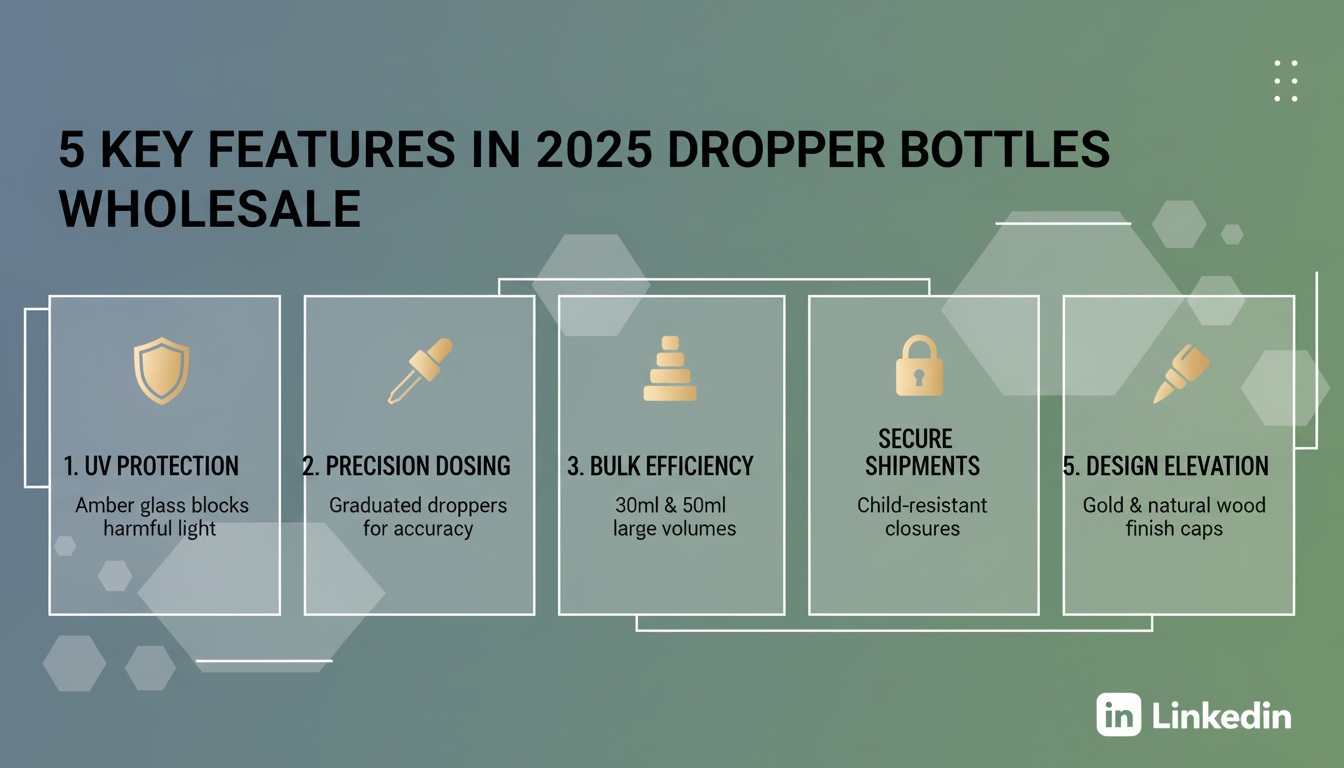
5 Key Features In 2025 Dropper Bottles Wholesale
From UV defense to design-forward caps, these five features are shaping the next wave of bulk dropper packaging.
Amber Glass construction for UV-sensitive formulations
Amber glass isn’t just pretty—it’s practical.
• Blocks out harmful rays that degrade light-sensitive formulas like vitamin C and retinol.
• Keeps contents potent longer, reducing spoilage and returns in bulk shipments.
It’s a go-to material when you’re bottling anything that reacts badly to sunlight. And let’s be honest—UV protection isn’t optional when your formulas are delicate.
Graduated droppers enabling precise dosing control
Precision matters, especially with serums or tinctures where a little goes a long way.
① Marked droppers let users see exactly how much they’re dispensing.
② Reduces overuse and product waste—big win in wholesale scenarios.
③ Supports compliance with dosage guidelines in pharma-grade applications.
These precision droppers make it easier to trust what’s going into each use, every time.
Bulk-ready 30 ml and 50 ml bottle sizes for efficiency
★ Stocking up? These two sizes do all the heavy lifting:
▸ The 30 ml size is compact but roomy enough for daily-use products like facial oils or CBD blends.
▸ The 50 ml version handles larger volume needs without bulking up shipping costs too much.
Together, they strike a balance between consumer convenience and warehouse optimization—ideal when scaling up your dropper bottles inventory.
Child-resistant closures for secure cosmetic shipments
Safety meets compliance here—and it looks good doing it.
Short segment ①: These caps twist open only with deliberate pressure, so curious kids can’t accidentally access essential oils or skincare actives.
Short segment ②: They meet international standards, making them perfect if you’re shipping across borders in large quantities.
Short segment ③: Their compatibility with most bottle necks means fewer headaches during assembly runs.
In short? These child-resistant caps are peace-of-mind built right into your product line.
Gold and Natural caps elevating packaging design
Step-by-step guide to standing out on shelves:
Step 1 – Choose your vibe: Luxe? Go gold. Organic? Stick with natural tones.
Step 2 – Match cap finish with label design; consistency = brand recognition.
Step 3 – Use contrast strategically; gold pops against amber while natural blends seamlessly.
Step 4 – Test appeal before mass production—get feedback from real buyers.
These finishes aren’t just pretty toppers—they’re part of a full-on customizable design strategy that makes bulk packaging feel boutique-level premium.
Struggling With Leakage Issues? Upgrade Your Droppers Now
Tired of messy leaks and wasted product? Let’s fix that with smarter seals and tougher caps.
Stop spills with Tamper-Evident Droppers
You want peace of mind when you’re shipping or storing liquids, right? That’s where Tamper-Evident Droppers shine:
- They snap securely into place, signaling if tampering has occurred.
- The design helps prevent accidental loosening during transit.
- Ideal for essential oils, tinctures, and serums—especially when buying in bulk through dropper bottles wholesale suppliers.
These droppers don’t just look safe—they actually are. And customers love the extra layer of trust they offer.
Can Polypropylene Caps prevent leakage?
Absolutely. But it’s not magic—it’s material science at work. According to a 2024 report by Smithers Pira, over 65% of personal care brands switched to Polypropylene Caps due to their high seal integrity and chemical resistance.
Now let’s break it down:
• Lightweight yet durable—great for repeated use.
• Compatible with most bottle threads used in large-scale packaging runs.
• Resistant to heat and moisture—perfect for travel kits or steamy bathrooms.
If you’re dealing with frequent leaks during shipping, this cap might be your hero upgrade.
Easy seal upgrades: Switch to Urea Caps now
Let’s walk through why switching to Urea Caps could be your smartest move yet:
Step 1: Identify current leakage points—usually around the neck or under loose caps.
Step 2: Replace standard closures with urea-based ones that resist cracking under pressure.
Step 3: Test compatibility across your existing bottle types—especially if you’re sourcing from different dropper bottle wholesale vendors.
Urea offers both chemical resistance and a snug fit that stays put—even on rough delivery routes.
Brand Mention
Topfeelpack makes it easy to switch out old caps for leak-free alternatives without blowing up your budget—or your timeline.
Cosmetics Startups: Order Dropper Bottles Wholesale Smarter
Getting smart with dropper bottles wholesale options means knowing what makes packaging pop, what keeps costs low, and how your brand can shine on shelves.
How 15 ml Frosted Dropper Bottles enhance serum appeal
- Visual Texture: The frosted finish gives a soft matte look that feels premium without shouting.
- Light Protection: Helps protect sensitive serums from UV exposure—ideal for vitamin C or retinol blends.
- Tactile Appeal: Feels smooth and elegant, boosting perceived value during unboxing.
Frosted glass isn’t just about looks—it’s functional. Many indie skincare brands use it to elevate their product while staying within reasonable cost margins. It’s a small tweak with big impact on shelf presence.
Economical Plastic HDPE dropper bottles for CBD oils
- Budget-Friendly: HDPE is cheaper than glass but still offers excellent barrier protection.
- Durable & Lightweight: Won’t shatter during shipping—a must for online orders or bulk fulfillment.
- Regulatory Friendly: Meets most compliance standards for CBD packaging across North America and Europe.
HDPE’s flexibility allows startups to scale without overcommitting financially. And since these bottles are recyclable, they align well with growing demand for sustainability in the wellness space.
Why customization options matter more than ever
Custom touches aren’t fluff—they’re foundational now:
- Embossing logos onto droppers
- Using gradient tints on glass
- Offering limited-edition colors per season
- Pairing unique pipette styles with standard neck finishes
All these tweaks help build emotional connection—and loyalty. In an age where buyers snap pics before using products, your bottle better be camera-ready. That’s why smart startups treat bottle design like part of the product itself.
Comparing dropper bottle materials: Glass vs Plastic vs PETG
Short takes on each material type:
• Glass: Premium feel but fragile; best for high-end serums and oils
• HDPE Plastic: Affordable and durable; ideal for bulk CBD drops or tinctures
• PETG: Crystal-clear like glass but lightweight; great middle-ground choice
Each has its place depending on volume needs, branding goals, and shipping realities. Knowing when to choose which saves money—and headaches later.
Working with wholesale suppliers efficiently
To avoid chaos when ordering:
– Always request samples before committing large orders
– Confirm MOQs early so you don’t waste time negotiating later
– Ask about lead times—and pad them by two weeks minimum
Reliable wholesale suppliers will help you avoid stockouts and keep pace with launch timelines. A little prep goes a long way toward smoother scaling.
Regulations and compliance tips when sourcing dropper bottles
Multiple must-knows here:
• Label space requirements vary by region—design accordingly
• Food-safe plastics are often required even if you’re selling topicals like beard oil
• Child-resistant caps may be mandatory depending on local laws
Skipping these checks could get your products pulled off shelves—or worse, fined. Best bet? Work with vendors who understand the ins-and-outs of regional rules around cosmetic-grade packaging compliance.
Cost analysis hacks every startup should know
Don’t just compare unit prices—dig deeper:
1) Calculate total landed cost including shipping/duties/taxes
2) Compare price breaks at different volume tiers—not just MOQ
3) Factor in storage costs if ordering large quantities upfront
Understanding true cost helps you avoid overpaying—or running out of cash mid-launch. One mention of Topfeelpack here—they offer tier-based pricing that makes this math easier to manage from day one.
By taking control of your numbers early, you’ll stretch every dollar further without cutting corners on quality packaging choices.
FAQs about Dropper Bottles Wholesale
Why is amber glass such a popular choice for wholesale dropper bottles?
Amber glass isn’t just pretty—it’s practical. It shields sensitive ingredients like essential oils and serums from UV light, helping them stay potent longer. For brands that care about the planet, it checks another box: it’s fully recyclable and fits beautifully into eco-conscious packaging strategies.
How do I decide between plastic or glass droppers when buying in bulk?
It often comes down to your product’s personality—and your audience’s expectations:
- Glass droppers feel upscale and align with natural or luxury branding.
- Plastic droppers are lighter, more affordable, and better for travel kits.If you’re selling high-end skincare or CBD tinctures, customers may expect the weight and clarity of real glass.
What cap materials help prevent leaks during shipping?
No one wants their serum arriving soaked through the box. To keep things tight:
- Aluminum caps offer a firm grip that resists pressure changes.
- Polypropylene caps are reliable workhorses—durable without adding much cost.
- Urea caps strike a balance between strength and lightweight design.
Each option has its own vibe—but they all aim to protect what’s inside until it reaches someone’s hands.
Do frosted dropper bottles really make a difference on store shelves?
Absolutely. Frosted finishes give off an air of quiet confidence—softening reflections while making colors pop subtly beneath the surface. If you’re launching a boutique serum line or want something that whispers “premium,” frost can be far more persuasive than flashier designs.
Are child-resistant closures necessary for cosmetic products sold online or in stores?
If your formula includes active botanicals, essential oils, or CBD extracts—yes. Child-resistant closures aren’t just about safety compliance; they show responsibility. Parents notice these details when shopping online—and trust grows from small signals like this.
Post time: Oct-03-2025
