
From luxe jars to smart pumps, the right eye cream container can turn packaging into profit—your brand’s first flirt with customers.
You ever stood in the skincare aisle, squinting at a shelf full of dainty pots, sleek tubes, and mysterious pumps—and thought, “Why do eye cream containers look like they’re auditioning for a sci-fi movie?” You’re not alone. The right eye cream container isn’t just about holding goo—it’s your brand’s handshake.
Think about it: this little package has to scream luxury or whisper sustainability… all while keeping air out and gunk-free. It needs to feel good in hand but also survive shipping across three time zones without cracking under pressure (literally). Kind of like dating—but with polymers.
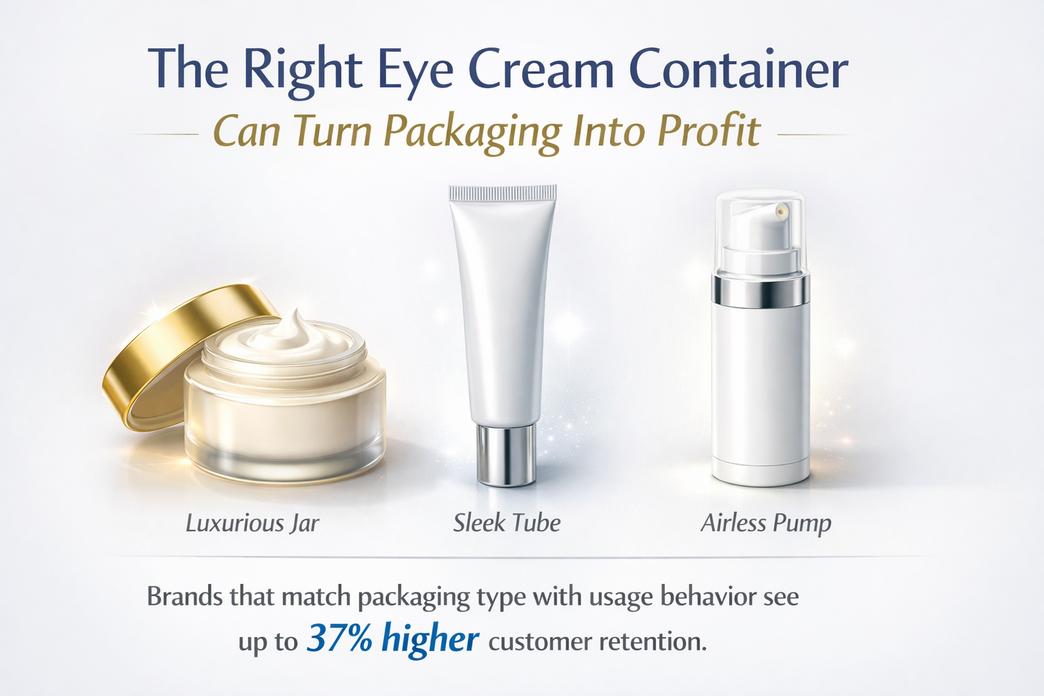
According to Topfeelpack’s senior product engineer Lily Zhao (April 2024), “Brands that match packaging type with usage behavior see up to 37% higher customer retention.” That means picking between glass jars and airless pumps isn’t just a design choice—it’s business strategy dressed as aesthetics.
So what’ll it be? The elegant jar that glows on vanities? A no-nonsense tube meant for busy mornings? Or something greener that’ll make Gen Z swipe right? Keep reading—we’re opening up every option on the table.
Types of Eye Cream Container Materials
A quick look at what makes each eye cream container material tick—from luxe glass to travel-ready plastic and planet-friendly picks.
Glass Jars: The Classic Choice for Eye Cream Packaging
- Transparent look adds a clean, high-end vibe
- Compatible with premium finishes like UV coating and frosting
- Often used for airtight seal to preserve formula integrity
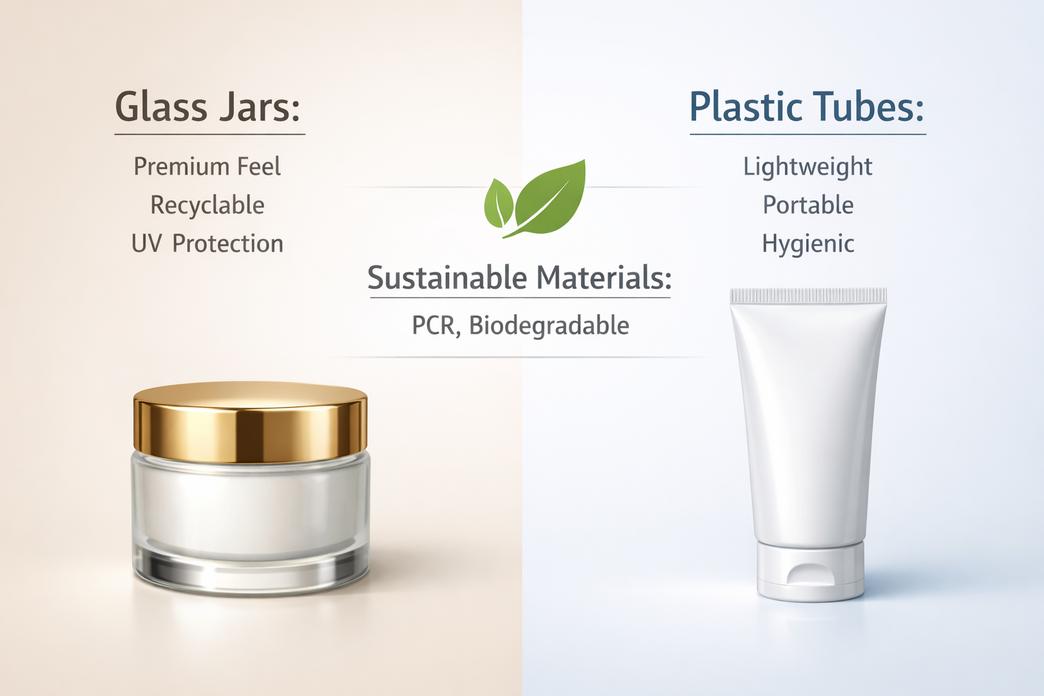
- Glass jars provide a premium feel, making them ideal for prestige skincare lines.
- They’re more recyclable than most plastics, appealing to eco-conscious consumers.
- Their UV protection helps shield sensitive ingredients from light degradation.
• Downsides? They’re heavier and can be fragile, which means higher shipping costs and breakage risks.
Glass offers excellent chemical resistance, so it’s perfect when the eye cream formula contains active ingredients that need stability over time. Brands like Topfeelpack use thick-walled glass designs that scream luxury while ensuring product safety.
| Feature | Advantage | Disadvantage | Best Use Case |
|---|---|---|---|
| Weight | Feels substantial | Adds shipping cost | High-end retail displays |
| Visibility | Easy product viewing | Prone to fingerprints | Luxury branding |
| Chemical Resistance | Preserves actives | None | Anti-aging formulas |
Plastic Tubes: Lightweight and Convenient for Daily Use
Plastic tubes are the go-to for everyday users who want something simple yet effective.
- Easy-squeeze design with a clean dispensing tip
- Made from durable materials like PP or PETG
- Often chosen because they’re super lightweight and travel-friendly
- These containers are extremely portable, fitting into makeup bags or carry-ons without worry.
- The squeeze mechanism keeps things hygienic—no dipping fingers in the jar.
- Despite being less fancy than glass, they’re still tough enough to handle drops thanks to their durable nature.
Short bursts of convenience: twist off cap, squeeze out just enough cream, snap it shut—done! It’s no wonder plastic tubes dominate the mid-range market segment.
Topfeelpack offers flexible tube packaging in various sizes and finishes, ideal for brands targeting on-the-go consumers who value both function and style.
Sustainable Materials: Exploring Recycled and Eco-Friendly Containers
Sustainability isn’t just a trend—it’s becoming the new standard in packaging design.
These newer options focus on reducing environmental harm without sacrificing performance:
- Containers made from post-consumer resin (PCR) give old plastics new life.
- Some brands now use mono-materials that are easier to recycle as one piece.
- Others explore fully biodegradable or even compostable alternatives sourced from plants or other renewable resources.
Multiple short takes:
- Less waste = more love from eco-aware shoppers
- Still compatible with branding elements like embossing or screen printing
- Ideal for clean beauty lines that walk the talk
Sustainable containers cut down on landfill waste while maintaining shelf appeal—especially when paired with minimalist labels or refillable designs featuring minimal parts made from recycled content or low-impact materials.
By using sustainable options in their eye cream container lineup, Topfeelpack helps brands meet rising consumer demand for products with lower overall environmental impact, proving you don’t have to choose between ethics and aesthetics.
Jar vs. Tube: Which Eye Cream Container?
Choosing the right eye cream container isn’t just about looks—it’s about function, hygiene, and how it fits into your daily routine.
Jar Containers: Luxury and Visibility in Eye Cream Packaging
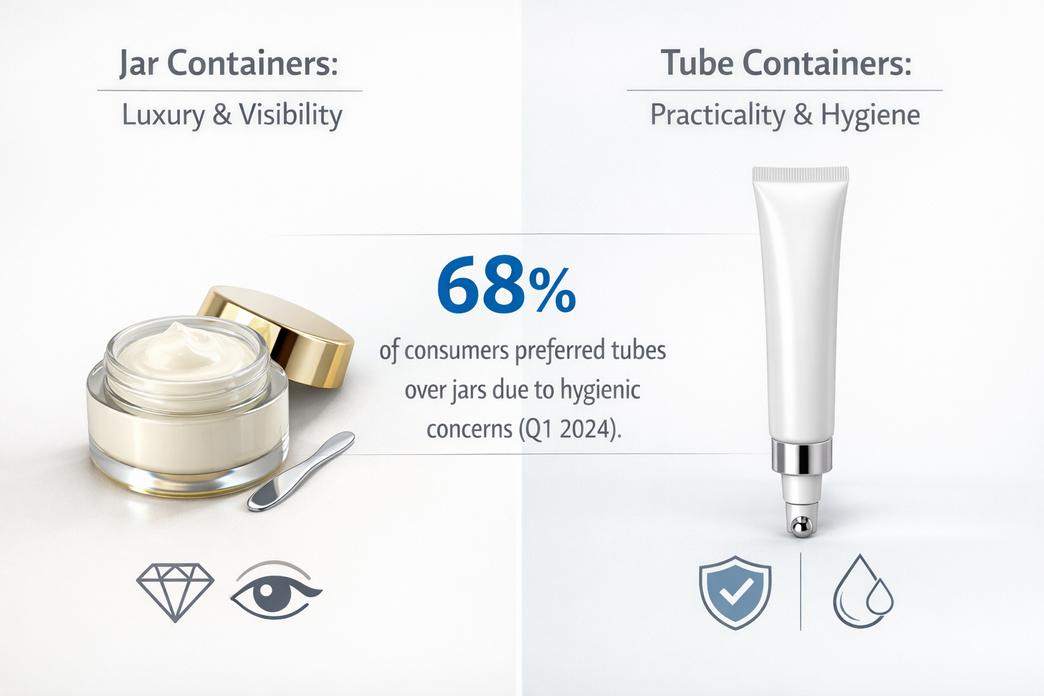
- Glass, plastic, or even ceramic jars give off a high-end vibe.
- You can see the product texture instantly—great for rich creams.
- But dipping fingers? Not ideal. That’s why many include a small spatula.
- The wide-mouth design makes it easy to scoop out thicker formulas.
- It’s perfect for nighttime routines where you’re not rushing.
- However, exposure to air and fingers may reduce shelf life over time.
▸ Ideal for those who prioritize tactile experience and visual appeal.
A jar feels luxurious in hand—especially when made from thick glass or glossy acrylic—but it does demand more care during use. Hygiene-wise, using a clean tool like a spatula is key to keeping bacteria at bay.
Short bursts of pros:
– Looks fancy on your vanity
– Lets you feel the product directly
– Best suited for creamy textures
Short bursts of cons:
– Needs tools or clean hands
– Can lead to contamination if misused
If you’re someone who enjoys ritualistic skincare, applying with fingertips or a chilled ceramic spoon might actually enhance the experience.
Tube Containers: Practicality and Hygiene in Eye Cream Packaging
• Tubes are all about ease—just twist, squeeze, apply. Done.
• Designed with narrow tips or an applicator tip, they minimize mess.
• Often stored in a sealed environment, so less chance of germs sneaking in.
- Squeeze control helps prevent waste.
- Great for travel—lightweight and compact.
- Less exposed = longer-lasting formula potency.
Especially useful when dealing with active ingredients that degrade quickly upon exposure to air or light.
“As of Q1 2024, 68% of consumers preferred tubes over jars due to hygienic concerns,” notes Mintel’s Global Skincare Trends Report.
Tubes often feature an airless pump system that prevents oxidation while giving controlled access to every last drop—a win-win for both skin health and wallet sense.
Grouped benefits:
A) Convenience
- Quick application
- No tools needed
B) Cleanliness
- Minimal contact with air
- Reduces risk of bacterial growth
C) Portability
- Slim design fits makeup bags easily
That said, some folks miss the sensory connection that comes from scooping their cream out of a jar—but if efficiency is your thing? Tubes are hard to beat when choosing an ideal eye cream container setup.
3 Benefits of Airless Eye Cream Containers
Airless tech is changing the game for how we store and use skincare. Here’s why it’s a big deal for your favorite eye cream.
Extended Shelf Life with Airless Pump Technology
According to Mintel’s Global Packaging Trends Report (2024), “Consumers now expect packaging to actively preserve the product, not just contain it.”
To keep your skin glowing, your cream needs to stay fresh. That’s where airless pump systems really shine. These containers:
- Stop air from sneaking in — no air exposure, no early spoilage.
- Block oxidation, which means less product degradation and more time for you to use every drop.
- Help maintain the strength of active ingredients by reducing the need for heavy preservatives — boosting overall preservative efficacy.
Here’s how it works:
- The pump mechanism creates a vacuum inside.
- No oxygen gets pulled in after each use.
- This keeps sensitive formulas stable longer.
- The design eliminates contact with external contaminants.
- Your cream stays safe from bacteria and moisture.
So if you’re tossing out half-used jars because they went bad too soon, switching to an airless eye cream container could be your skin’s best friend.
Minimal Contamination Risk in Airless Eye Cream Containers
Let’s be real — dipping fingers into jars is gross. With airless packaging, contamination becomes way less of a worry.
• Every pump dispenses product without letting anything back in — that means zero chance of finger contamination or dirty backflow.
• It forms a sealed barrier against outside germs, keeping things ultra clean and maintaining top-notch product purity.
• You’re also avoiding accidental exposure to moisture or dust, which can kickstart unwanted bacterial growth inside traditional tubs.
That sealed-off setup? It helps prevent formula breakdown and supports long-term stability. So even if you’re using it months later, your eye cream still feels like day one — smooth, potent, and safe on skin.
Maximizing Product Efficiency with Airless Packaging
Nothing’s worse than scraping the bottom of a jar trying to get that last bit of product out. With airless packaging?
A. You get nearly full use:
- The internal piston moves up as you pump.
- That ensures near-total evacuation — minimizing annoying leftover waste (product waste, gone).
B. Each dose is controlled:
i) Push once = one measured amount
ii) No guessing or squeezing needed
iii) Helps preserve consistent texture and ensures exact application every time (precise dosage, check).
C. The airtight seal protects formula strength:
• No drying out
• Less ingredient decay
• Maintains long-term ingredient potency
And when brands like Topfeelpack design their containers this smartly? You know they’ve got both performance and practicality down pat — making sure every drop counts in your daily skincare routine.
Whether you’re new to using an eye cream container or just upgrading from old-school jars, this tech makes all the difference.
Can Container Design Affect Hygiene?
Thought packaging was just about looks? Think again—smart design can be the secret to keeping your skincare cleaner and safer.
How Flip-Top Caps Improve Hygiene for Eye Cream Packaging
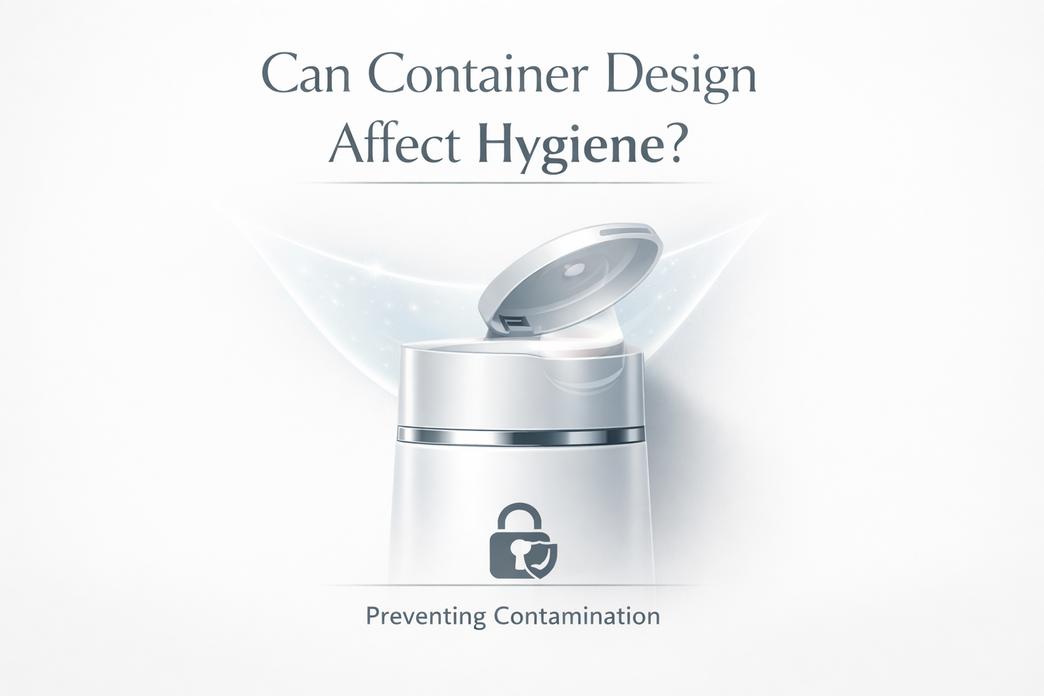
You reach for your favorite eye cream container, pop it open, dab a bit, and go. But what if the cap itself helps keep bacteria out? That’s where flip-top caps shine.
• These caps reduce direct contact with the cream, which cuts down on germs hopping in.
• The one-handed open-close motion keeps things neat—no need to fumble or unscrew anything.
• It also limits air exposure, preserving both texture and formula stability.
The built-in dispensing mechanism makes it easy to control how much product you get without digging fingers into the jar. This isn’t just about convenience—it’s serious contamination prevention. A clean cap equals better hygiene, longer shelf life, and more trust in your routine.
Topfeelpack’s smart approach to eye cream packaging ensures that every flip-top option they offer protects both user experience and product integrity, right down to the last dab.
The Role of Child-Resistant Closures in Preventing Contamination
Kids are curious. That’s why smart brands use child-resistant closures—not just for safety, but also for keeping products clean and secure.
- These closures limit accidental spills or tampering by tiny hands.
- They often feature locking mechanisms that require coordinated movement—easy for adults, tough for toddlers.
- Added layers like seals or twist-locks enhance protection against airborne particles too.
According to Euromonitor International’s 2024 report on skincare packaging trends: “Consumer demand has shifted toward safety-enhanced designs that double as contamination barriers.”
A well-designed closure doesn’t just stop kids from getting in—it also blocks dust, moisture, and bacteria from messing with your formula. When you’re investing in premium skincare like an anti-aging eye cream container, this kind of thoughtful packaging design matters more than ever.
With Topfeelpack’s tamper-proof innovations, you’re not only getting smarter storage—you’re protecting every drop of your product with style and purpose.
FAQs about Eye Cream Container
Which materials create the most premium feel?
Glass jars convey weight and clarity like a jewel in the palm, while acrylic bottles mimic that brightness with lighter touch. Aluminum containers slide into modern skincare lines with a cool shimmer and protect against light spoilage. Each choice brings a tactile moment — smooth curves, solid lids, or delicate frosting finish — turning routine use into small luxury.
How do airless pumps change how users experience their eye cream?
- Keeps product sheltered from oxygen to guard fragile active extracts.
- No dipping fingers in cream jars; PP or PETG housings deliver clean touches every time.
- Pump dispensers coax out nearly every drop, rewarding loyal customers who hate waste.
The result is an intimate ritual: gentle pressure on the pump head, seeing serum rise through sleek walls toward your fingertips without compromise to quality or hygiene.
Can sustainable packaging still charm high-end buyers?
Mono-material design and PCR plastics can hold elegance in their lines as well as recycled content pride within brand stories. Silk screening over recyclable aluminum creates artistry that lasts long after lotion dispensers are emptied; refillable systems give compact cases fresh life again without losing aesthetic appeal or ergonomic design balance cherished by discerning hands.
References
[Glass Recycling Facts - https://www.gpi.org/glass-recycling-facts]
[PCR Certification and Benefits - https://plasticsrecycling.org/pcr-certification]
[Mintel Skincare Market News - https://www.mintel.com/skincare-market-news/]
[Poison Prevention Packaging Act (PPPA) Guide - https://www.cpsc.gov/Business--Manufacturing/Business-Education/Business-Guidance/PPPA]
Post time: Feb-23-2026
