
The global beauty and personal care industry is facing a monumental challenge: the urgent need to reduce packaging waste and lower carbon footprints. For decades, brands relied heavily on single-use plastics, leading to significant environmental degradation. Today, conscious consumers and strict environmental regulations are forcing a paradigm shift. If you are a brand owner or product manager asking how to lower your packaging's carbon footprint while maintaining a premium feel, the answer lies in glass airless bottles.
This innovative packaging solution marries the high-end aesthetic and chemical stability of glass with the functional superiority of airless pump technology. As the market pivots toward sustainable cosmetic packaging, glass airless technology is emerging not just as a trend, but as an industry standard. In this comprehensive guide, we will analyze the environmental characteristics, material advantages, and lifecycle benefits of glass airless systems, and how they can elevate your brand's eco-friendly positioning.
The Material Edge of Glass Airless Bottles
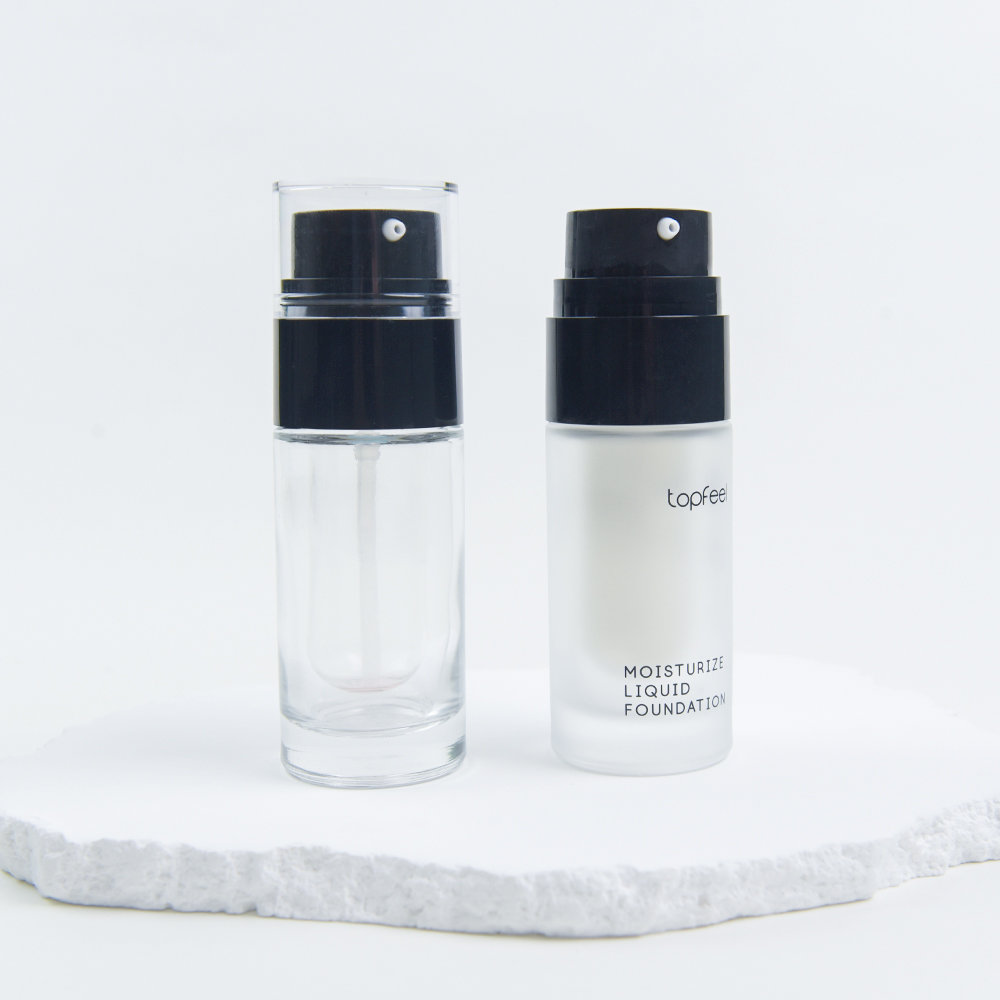
When evaluating eco-friendly beauty containers, the primary material used is the most critical factor. Glass airless bottles are predominantly manufactured from high-quality flint or borosilicate glass. This material offers a multitude of chemical and environmental advantages that traditional plastics simply cannot match.
Unmatched Chemical Stability and Purity
Glass is inherently inert. Unlike certain plastics that can leach microplastics or chemical compounds (such as BPA or phthalates) into the product over time, glass guarantees zero chemical migration. This ensures that the liquid or cream inside remains pristine, maintaining its original scent, texture, and efficacy.
For high-value skincare formulations containing sensitive active ingredients like Vitamin C, retinol, or peptides, chemical stability is non-negotiable. The airless pump mechanism complements the glass perfectly by creating a vacuum seal that prevents oxygen exposure. This synergistic combination effectively prevents the oxidation and deterioration of the contents, significantly extending the product's shelf life without the need for excessive synthetic preservatives.
Durability Meets Luxury Aesthetics
Beyond its chemical properties, glass offers a weighty, luxurious feel that elevates the consumer experience. While glass manufacturing requires higher initial energy inputs, its durability means it can withstand repeated use without degrading in quality. This robust nature is a cornerstone of sustainable design, moving away from the "take-make-dispose" model and encouraging long-term use.
Reducing Plastic Waste: A Zero-Waste Beauty Solution
As global awareness of plastic pollution reaches an all-time high, glass airless bottles serve as a highly sustainable alternative that actively reduces a brand's reliance on virgin plastics. The beauty industry generates billions of units of plastic packaging annually, much of which ends up in landfills or oceans. Transitioning to glass is a powerful statement and a tangible action against this crisis.
Replacing Virgin Plastics with Better Alternatives
By utilizing glass for the primary container body, brands instantly eliminate a massive volume of plastic from their supply chain. While the pump mechanisms and caps still typically require some plastic to function correctly, forward-thinking manufacturers are optimizing these components as well.
Many B2B suppliers, including Topfeelpack, are actively integrating PCR plastic (Post-Consumer Recycled plastic) into the pump collars and overcaps. By combining a recyclable glass base with a PCR plastic pump, brands can create a hybrid, eco-friendly beauty container that drastically lowers the demand for virgin petrochemicals.
Driving the Circular Economy
The recycling rate of glass is significantly higher than that of plastic. According to reports from authoritative environmental organizations like the Ellen MacArthur Foundation, establishing a circular economy is vital for the future of packaging. Glass is infinitely recyclable; it can be melted down and reformed endlessly without any loss of quality or purity. When consumers choose glass over plastic, and when brands facilitate its recovery, they are actively reducing resource waste and driving the circular economy forward.
Lifecycle Analysis of Glass Airless Bottles
To truly understand the environmental impact of glass airless bottles, we must conduct a Lifecycle Assessment (LCA) examining every stage from raw material extraction to end-of-life disposal.
Sustainable Production and Manufacturing
The lifecycle begins with the extraction of raw materials—primarily sand, soda ash, and limestone. While melting these materials into glass is an energy-intensive process, modern glass manufacturers are increasingly adopting renewable energy sources and utilizing cullet (recycled glass). Using cullet lowers the melting point required during production, which in turn reduces energy consumption and greenhouse gas emissions. High-quality manufacturing facilities often adhere to stringent environmental standards, such as ISO 14001, ensuring that the production process minimizes ecological harm.
Usage Phase: Minimizing Formula Waste
During the consumer usage phase, the environmental benefits of the airless system shine. Traditional dip-tube pumps often leave up to 15% of the product trapped at the bottom of the bottle. This not only frustrates the consumer but results in significant cosmetic waste—which also means wasted water, agricultural resources (for botanical ingredients), and manufacturing energy.
An airless system utilizes a vacuum and a rising internal piston. As the user depresses the pump, the vacuum pulls the piston upward, ensuring an evacuation rate of 95% to 99%. By practically eliminating product waste, the overall environmental footprint of the cosmetic product is drastically reduced.
End-of-Life: True Closed-Loop Recycling
At the end of its life, a glass bottle can re-enter the production cycle. Unlike plastics, which are often "downcycled" into lower-quality materials (like park benches or synthetic textiles) before eventually becoming waste, glass operates in a true closed loop. A recycled glass bottle can become a new glass bottle, preserving natural resources and saving up to 30% of the energy compared to manufacturing from raw materials.
How to Properly Recycle and Reuse Glass Packaging
For the environmental benefits of glass packaging to be fully realized, correct recycling and reuse protocols must be followed. Brands play a crucial role in educating their consumers on how to handle empty packaging responsibly.
Consumer Recycling Guidelines
To ensure that glass bottles are efficiently processed at municipal recycling facilities, consumers should follow a few simple steps:
-
Disassemble the Components: The glass bottle must be separated from the pump and cap. Since pumps often contain mixed materials (plastics and small metal springs), they usually cannot go into standard glass recycling bins.
-
Clean the Bottle: Consumers should rinse the empty glass bottle to remove any residual skincare product. Contaminated glass can sometimes be rejected by recycling sorters.
-
Use Designated Facilities: Consumers should be encouraged to drop the glass off at designated municipal recycling bins or local glass drop-off centers to ensure it enters the correct waste stream.
The Rise of Refillable Systems
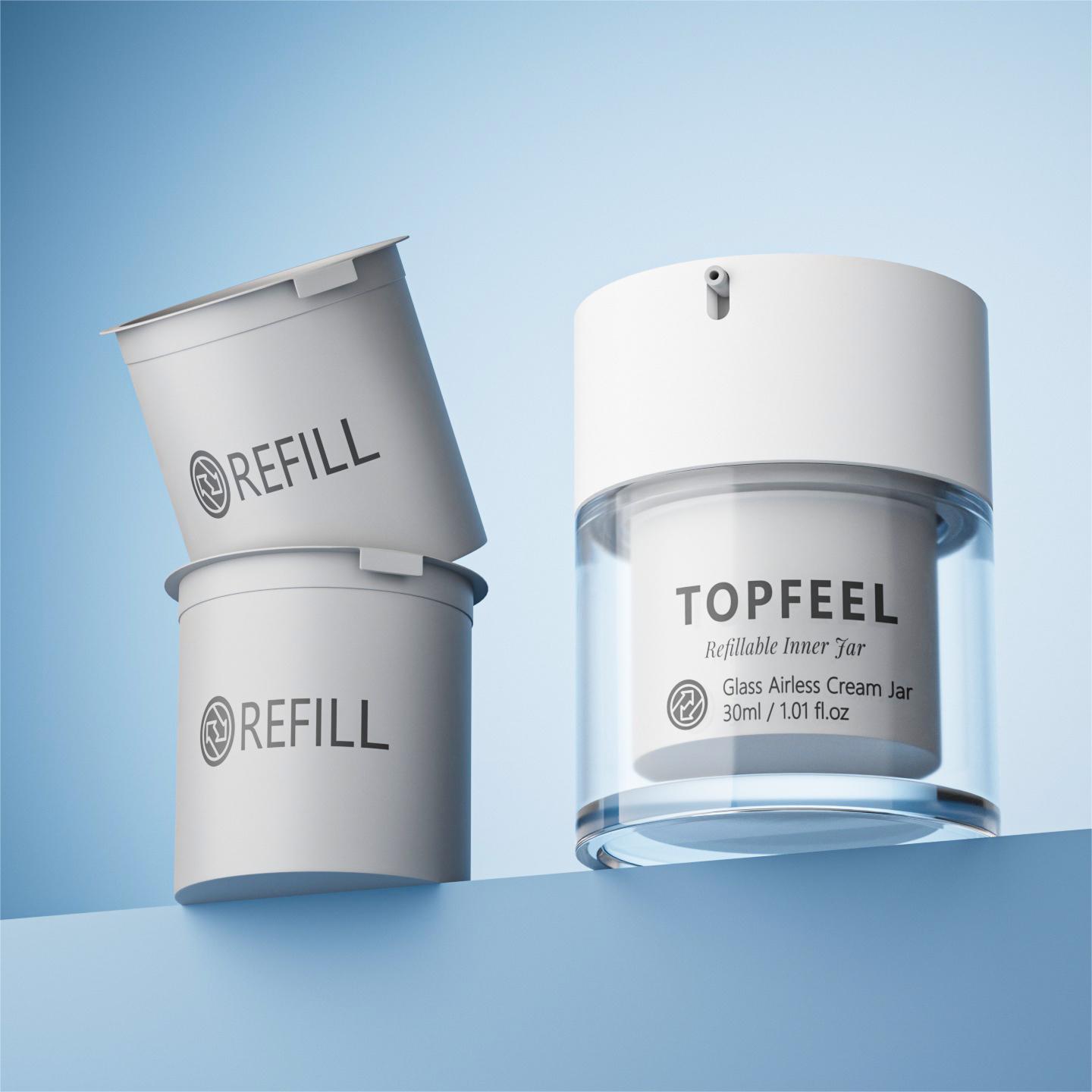
Beyond standard recycling, the ultimate eco-friendly strategy is reuse. The industry is seeing a massive surge in the popularity of refillable jars and bottles. In a refillable glass airless system, the heavy, luxurious glass outer bottle is retained by the consumer, while only the lightweight, recyclable inner plastic pod (often made of PCR plastic) is replaced. This system, championed by innovative packaging providers like Topfeelpack's product lines, slashes packaging waste by over 70% with each refill, offering a premium yet highly sustainable consumer experience.
Future Trends: The Role of Glass in Eco-Packaging
As the concept of sustainable development becomes deeply ingrained in global consumer consciousness, the role of glass in eco-friendly packaging will only grow more prominent.
Regulatory Push and Industry Standards
Governments worldwide are tightening regulations around packaging waste. For example, the European Union's Packaging and Packaging Waste Directive (PPWD) and various Extended Producer Responsibility (EPR) laws are financially penalizing brands that use non-recyclable materials. Furthermore, certifications like the Global Recycled Standard (GRS) are becoming baseline expectations rather than optional accolades. In this stringent regulatory landscape, glass provides a safe, compliant, and future-proof packaging solution.
Technological Advancements in Glass Manufacturing
The future of glass packaging lies in technological innovation. "Lightweighting" is a major trend where manufacturers use advanced blowing and molding techniques to create glass walls that are significantly thinner and lighter, yet equally strong. Lighter glass means reduced shipping weights, which directly translates to lower carbon emissions during transportation.
Conclusion: Building Brand Value Through Sustainability
Choosing the right packaging is no longer just about aesthetics; it is a core component of a brand's identity and ethics. By adopting glass airless bottles, beauty brands can powerfully communicate their commitment to environmental stewardship. As technology advances and recycling infrastructures improve globally, glass will continue to solidify its position as the premier choice for zero-waste beauty. Investing in sustainable glass packaging today is not just a contribution to environmental protection—it is a strategic business decision that builds deep, lasting trust with the modern, eco-conscious consumer.
Post time: Apr-08-2026
