
Switching to eco friendly cosmetic packaging at scale? Skip the greenwash—get tips to wow buyers, please auditors & keep costs sane.
Here’s a punchy, human-centered introduction with a splash of whimsy and authority, as requested:
Eco friendly cosmetic packaging isn’t just a buzzword—it’s the new dress code for brands that want to be taken seriously. Consumers are eyeing labels like hawks, regulators are breathing down necks, and plastic? Might as well be wearing a scarlet letter. If you’re in charge of sourcing packaging at scale, you know the tightrope: make it green without going broke or losing shelf appeal.
Think of it like switching your entire wardrobe from fast fashion to slow couture—except your wardrobe needs to pass ISO 14001 audits and ship globally by Q3.
“We’ve seen demand for refillable systems jump 38% in the past year alone,” says Mei Zhang, senior designer at TopfeelPack (2024). “But clients still need help balancing aesthetics with recyclability.” This article trims the fluff and gets into brass tacks—materials, certifications, design tweaks—all tailored for decision-makers ready to stop greenwashing and actually get stuff done.
Why Choose Eco Friendly Cosmetic Packaging
Choosing eco friendly cosmetic packaging isn’t just about saving the planet—it’s also a smart move for brands looking to stay relevant, responsible, and respected.
Enhance Brand Reputation with EcoCert and ISO 14001 Compliance
A brand’s image can shine or sink based on how it treats the planet. Here’s how aligning with global certification standards boosts your brand reputation:
- Tier One – Certification Types
- Tier Two – Strategic Impact
- Builds consumer trust through visible commitment to compliance.
- Enhances credibility by meeting internationally recognized sustainability standards.
- Opens access to eco-conscious markets that demand verified practices.
By weaving these into your packaging strategy, you’re not just ticking boxes—you’re telling a story of responsibility that resonates.
Lower Carbon Footprint through PCR Plastic and Biodegradable Polymers
Reducing your brand’s environmental mess starts with what you’re packing. Here’s how materials matter:
• Use of PCR plastic slashes reliance on virgin materials—less extraction, less pollution.
• Switching to biodegradable polymers means the product won’t outlive the customer by centuries.
• Opting for higher levels of recycled content lowers the overall carbon footprint, making production more climate-friendly.
These changes aren’t just trendy—they’re foundational. With rising pressure from both consumers and regulators, upgrading to more sustainable materials is no longer optional; it’s essential.
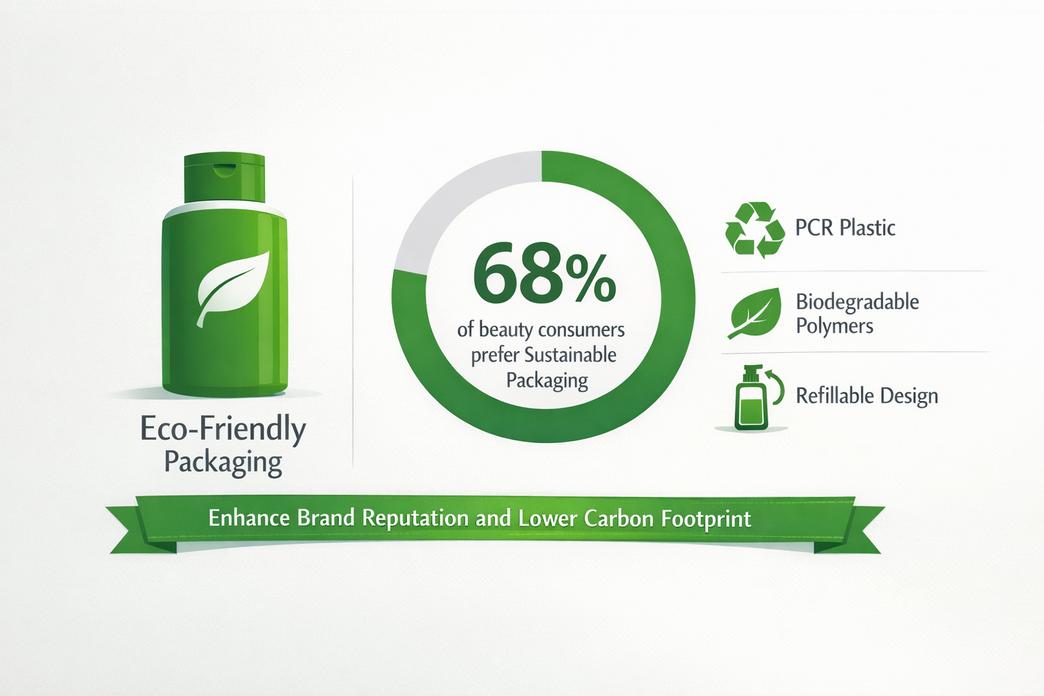
“According to Mintel’s Global Packaging Trends Report 2024, nearly 68% of beauty consumers prefer brands that use visibly sustainable packaging solutions.”
That stat alone should spark some serious thinking about material choices.
Appeal to Eco-Conscious Consumers with Refillable Design Features
There’s a whole crowd out there asking, “Can I reuse this?” Here’s how you answer yes—and win them over:
- Refillable systems reduce single-use waste while enhancing long-term value.
- Smart closures and modular components make refills easy and mess-free.
- Sleek yet functional design keeps things stylish without sacrificing sustainability.
Now let’s break it down even further:
- For skincare lines – magnetic refill pods are killing it in popularity.
- For lipsticks – twist-up cartridges are becoming standard among high-end labels.
- For lotions – pump bottles with screw-off bases make refilling intuitive.
This kind of thoughtful packaging innovation doesn’t just serve function—it builds loyalty among today’s savvy, eco-conscious consumers, who crave products aligned with their values around reusability and reduced waste.
Meet Regulatory Standards with Carbon Neutral Packaging
It’s not enough anymore to be green—you gotta be compliant too. And fast.
• New global rules around emissions mean brands must meet strict new requirements for packaging-related CO₂ output.
• Achieving true carbon neutral packaging includes measuring impact, investing in verified offsets, and maintaining transparency across supply chains.
• Adhering to regional or international environmental regulations, like those in the EU or California, isn’t just smart—it protects against fines or bans.
Cosmetic companies embracing full-spectrum compliance—from carbon tracking tools to third-party audits—are staying ahead of tightening policy changes while reinforcing their commitment to real change through strong internal policies on sustainable sourcing and offsetting strategies tied directly into broader corporate goals around ethical operations and environmental integrity.
Limited Budget? Affordable Eco Friendly Cosmetic Packaging Hacks
Want to go green without going broke? These budget-friendly packaging tricks prove you don’t need deep pockets to make your brand more sustainable.
Choose Recycled PET for Affordable Eco Packaging
- Recycled plastic isn’t just a buzzword—it’s smart business.
- Using PET material from post-consumer waste cuts raw material costs.
- You’ll find suppliers offering bulk discounts on post-consumer resin, especially when ordering at scale.
Many indie beauty brands are switching to sustainable packaging made with recycled content because it lowers their carbon footprint and aligns with eco-aware shoppers’ values.
Short-term cost savings aside, recycled PET also gives your product a clean, modern look that screams “responsible choice” without the hefty price tag of glass or metal alternatives in the eco friendly cosmetic packaging game.
Embrace Lightweighting to Reduce Shipping Costs
- Reduce thickness of jars and bottles while maintaining structure using smarter molds.
- Opt for minimalist caps or closures that eliminate excess materials.
- Replace heavy glass with durable bioplastics or thin-walled tubes.
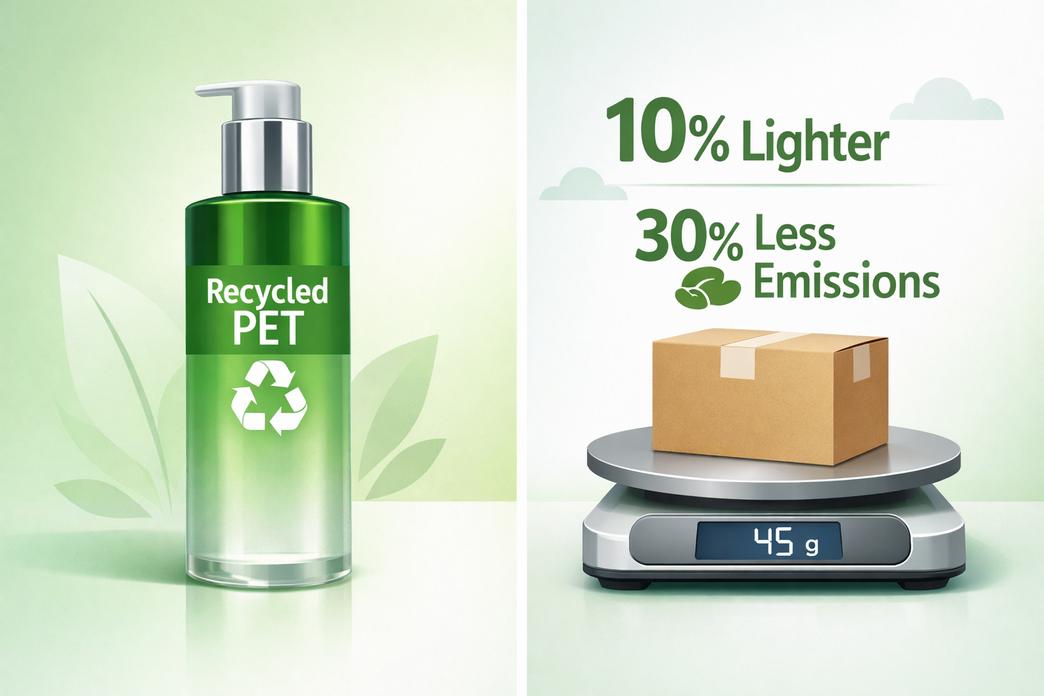
A 2024 McKinsey report notes that “brands reducing packaging weight by even 10% can cut shipping emissions by up to 30%, especially across long-haul routes.”
Lightweight doesn’t mean flimsy. With the right balance, you’ll optimize your logistics, improve shelf appeal, and save big—especially if you’re shipping large volumes of eco friendly cosmetic packaging units globally.
Implement Refillable Design Kits for Long-Term Savings
• Think refill pods snapped into reusable cases—clean, stylish, and low-waste.
• Offer consumers incentives like discounts for returning empty containers.
• Design around universal sizes so multiple SKUs use one base unit.
Brands tapping into the circular economy aren’t just winning sustainability points—they’re locking in repeat buyers who love convenience and cost savings. Plus, fewer single-use packages = less cash burned on reorders.
Topfeelpack’s modular systems give small brands a leg up by letting them test refillable formats affordably before scaling up their full line of eco friendly cosmetic packaging options.
Leverage Supplier Prototyping for Cost-Effective Samples
Step-by-step:
A) Reach out to suppliers offering free or discounted prototyping services—many do this to attract long-term clients like emerging beauty startups.
i) Ask about customization limits per prototype batch size.
ii) Confirm turnaround time—some offer express mock-ups within days.
B) Use prototypes for consumer feedback before final production:
i) Test closure ease-of-use, leakage resistance, and branding fit on real users.
ii) Adjust based on insights before committing big bucks to full runs.
C) Partner with vendors like Topfeelpack who specialize in small-batch runs paired with expert guidance on material testing and mold tweaks—ideal when experimenting with new forms of eco friendly cosmetic packaging without draining your wallet upfront.
Done right, prototyping is less an expense and more an investment in getting it right from day one.
Types of Eco Friendly Cosmetic Packaging Materials
From recycled plastics to sleek glass jars, today’s eco friendly cosmetic packaging choices are smarter, cleaner, and way more stylish.
Recycled PET and PCR Plastic
- Made from post-consumer recycled waste like used water bottles.
-
- Reduces the need for virgin plastic.
- Keeps plastic waste out of oceans and landfills.
- Fits right into a circular economy model.
By using rPET, brands slash carbon emissions while giving trash a second life. The recycling process turns old materials into new, durable bottles and jars—no compromise on quality.
Short-term perks? Lower costs and faster production runs. Long-term? Cleaner planet.
Topfeelpack’s PCR-based solutions tick all boxes—sustainable, reliable, and seriously good-looking for any brand embracing greener goals.
Biodegradable Polymers and Sugarcane Bioplastic
• Made from corn starch or sugarcane—totally renewable stuff.
• Breaks down naturally without leaving toxins behind.
These plant-based plastics are game-changers in the fight against microplastics. They’re part of a new wave of compostable materials, built to vanish instead of lingering for centuries.
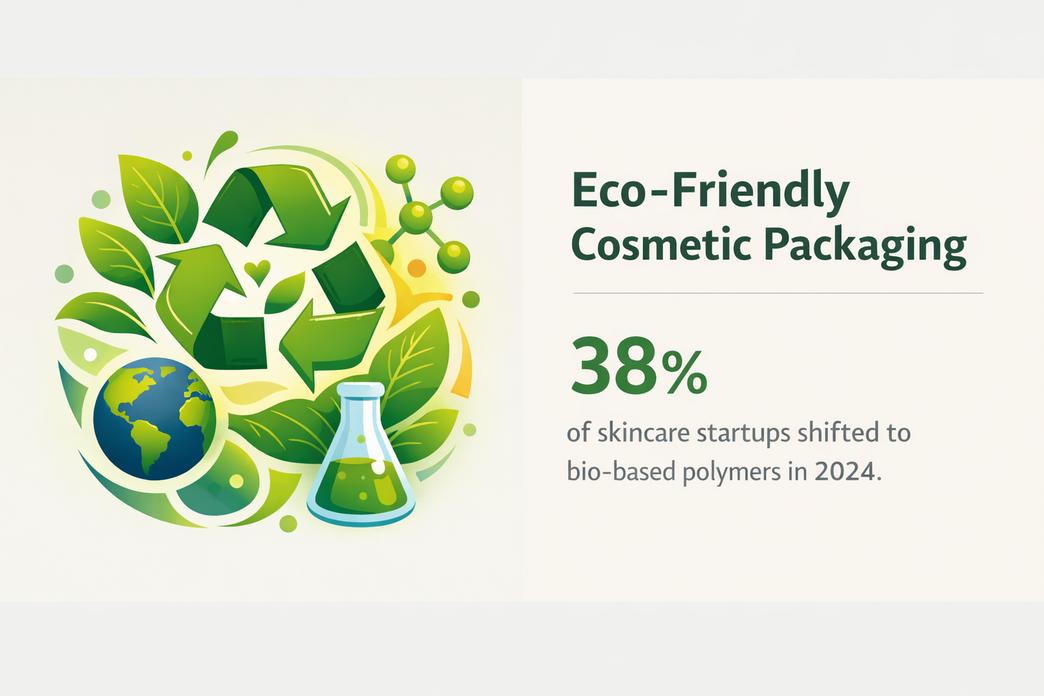
“In 2024, over 38% of skincare startups shifted to using at least one type of bio-based polymer, driven by consumer demand for low-impact packaging.” — Mintel Sustainability Report
The switch doesn’t just help the planet—it makes your brand look woke too.
Bamboo Fiber Solutions
Grows like crazy—some species shoot up nearly a meter per day!
Requires no pesticides or fertilizers.
➤ That’s why it’s hailed as a top-tier renewable material in beauty circles.
Bamboo pulp is molded into sleek shapes that scream earthy elegance while being totally biodegradable post-use. You’ll find it in caps, compacts, even mascara tubes now.
It’s light but tough—a win for shipping costs—and delivers that handcrafted vibe consumers love in modern eco friendly cosmetic packaging design.
Glass and Aluminum Choices
Let’s break this down:
Glass: Pure, non-toxic, endlessly reusable with zero loss in quality over time. Delivers that luxury feel everyone craves in their skincare shelfies.
Aluminum: Lightweight yet strong; ideal for sprays or creams requiring airtight containers to preserve formula integrity.
Both offer unmatched longevity thanks to their place in the closed-loop system, where they can be melted down and reborn forever—without degrading performance or aesthetics.
If you’re aiming high-end with your sustainable line, these two are your go-to materials for combining style with serious eco creds. Topfeelpack offers custom designs using both options—because saving the earth shouldn’t mean skimping on looks.
5 Key Benefits of Eco Friendly Cosmetic Packaging
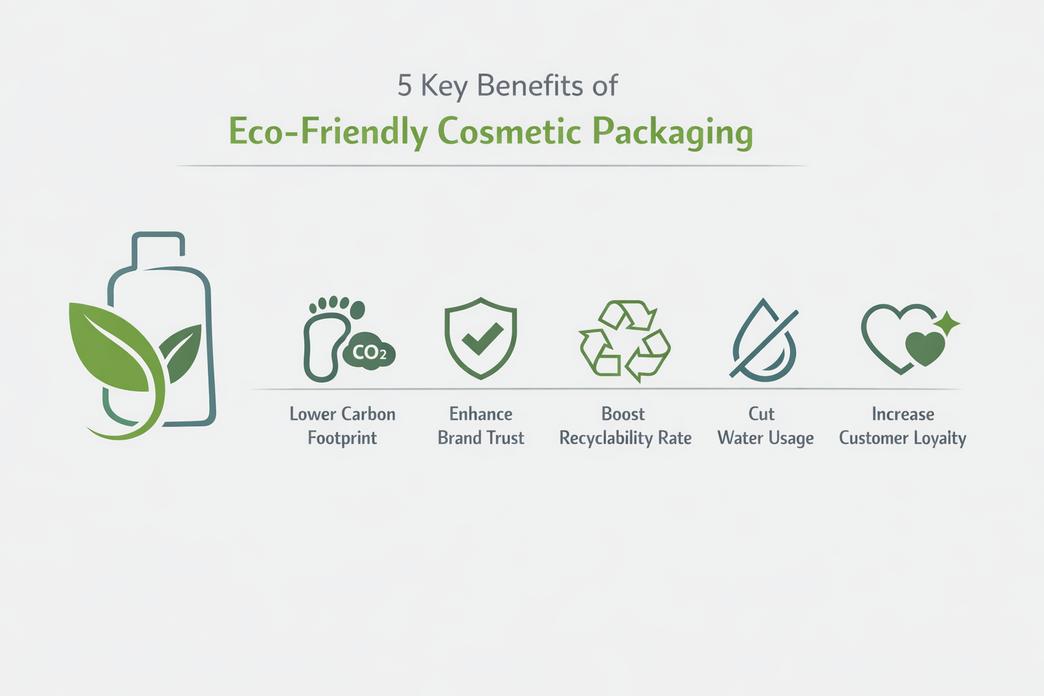
Going green in beauty isn’t just trendy—it’s smart. Here’s how eco friendly cosmetic packaging delivers real-world wins for brands and buyers alike.
Lower Carbon Footprint via Energy-Efficient Manufacturing
- Switching to energy-efficient production methods reduces electricity consumption by up to 40%, especially when powered by renewable energy sources like solar or wind.
- Brands that optimize their production processes with low-emission equipment see a measurable drop in their carbon footprint reduction metrics.
- A growing number of manufacturers are adopting smarter systems that prioritize sustainability without compromising output speed or quality.
This shift doesn’t just look good on paper—it cuts real emissions. Cleaner tech equals cleaner air.
Enhance Brand Trust with FSC Certified or Cradle-to-Cradle Labels
- Boosts credibility: Certifications like FSC certification and Cradle-to-Cradle certification act as trust badges for eco-conscious shoppers.
- Signals transparency: These labels show commitment to ethical sourcing and material safety.
- Increases sales: Shoppers are more likely to purchase from brands aligned with their values.
“Consumers are gravitating towards brands that back up sustainability claims with third-party verification,” according to a 2024 NielsenIQ report on consumer behavior trends.
That little stamp? It can mean a lot when it comes to building long-term loyalty through visible accountability.
Boost Recyclability Rate through Reduced Material Usage
• Minimalist packaging designs reduce waste and simplify disposal steps
• Using fewer layers or mono-materials increases the overall recyclability improvement rate
• Lighter, leaner formats support both cost savings and better compliance with circular economy goals
By focusing on smart, streamlined design, brands make it easier for consumers to recycle—and feel good doing it.
Cut Water Usage with Closed-Loop Systems
Water waste is out; reuse is in. Closed-loop setups allow factories to clean and reintroduce water into the system instead of dumping it after one use. This approach supports serious strides in:
- Reducing freshwater demand
- Enhancing overall resource efficiency
- Lowering environmental discharge through internal filtration
These systems not only cut costs but also help meet increasingly strict environmental regulations around water use in manufacturing.
Increase Customer Loyalty with Refillable Design Features
Step-by-step, refillables are changing the game:
A. Product Design Phase
- Use durable materials for long-lasting containers
- Ensure compatibility across refills
B. Consumer Experience Phase
- Make refills easy to find and buy
- Offer incentives for returning used cartridges
C. Post-Sale Engagement Phase
- Provide education on proper reuse practices
- Celebrate customer participation in reducing waste
Refillable packaging taps into rising demand among eco-conscious consumers, boosting both brand love and repeat purchases while encouraging more mindful consumption patterns of cosmetics.
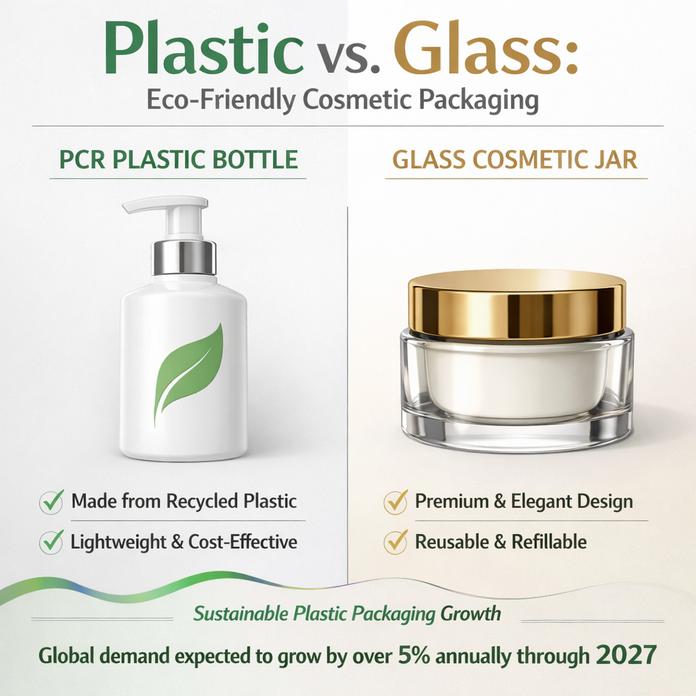
Plastic vs. Glass: Which Suits Eco-Friendly Cosmetic Packaging?
Choosing between plastic and glass for eco friendly cosmetic packaging isn’t just about looks—it’s about weight, waste, and what your customers care about.
Plastic
- Lighter to ship = lower carbon footprint
- Doesn’t shatter = safer in transit
- Can use post-consumer resin or biodegradable polymers
- Many brands now opt for recycled content, especially PCR plastics, to cut back on virgin material use.
- Some plastics are designed with compostable materials, breaking down under industrial composting conditions.
The beauty of plastic lies in its adaptability—form it, refill it, recycle it again.
Plastic can be molded into nearly any shape or finish, making it a go-to for brands that want flexibility without sacrificing their green goals. It’s also incredibly durable and often supports refill systems when designed right.
• A light squeeze bottle made from 100% PCR? That’s both practical and planet-friendly.
• Airless pumps crafted from mono-materials? Easy recycling with less contamination risk.
“Global demand for sustainable plastic packaging is expected to grow by over 5% annually through 2027,” according to a recent Euromonitor report.
When used smartly, plastic doesn’t have to be the villain—it can be part of the solution in eco friendly cosmetic packaging if paired with smart design choices like lightweight design and improved recyclability.
Glass
- Glass offers unmatched chemical inertness, which means no leaching into formulas.
- It feels premium—think luxe serums and creams—and aligns with high-end branding goals.
• Heavier than plastic but built for longevity through reusability and elegant refill systems
Glass is infinitely recyclable without losing quality—a huge win for zero-waste lovers. Its weight can increase shipping emissions slightly, but many argue the trade-off is worth it for long-term sustainability gains.
Products stored in glass also benefit from natural UV resistance, preserving sensitive ingredients longer without needing extra additives or coatings.
• Brands embracing glass often highlight its alignment with circular design: use → clean → refill → repeat.
• When paired with aluminum or bamboo closures, glass packaging becomes even more attractive to conscious consumers chasing that aesthetic-meets-sustainability sweet spot.
In short: if your eco friendly cosmetic packaging strategy leans toward permanence and prestige, glass might just be your holy grail—with added bonus points for being endlessly reusable and always recyclable.
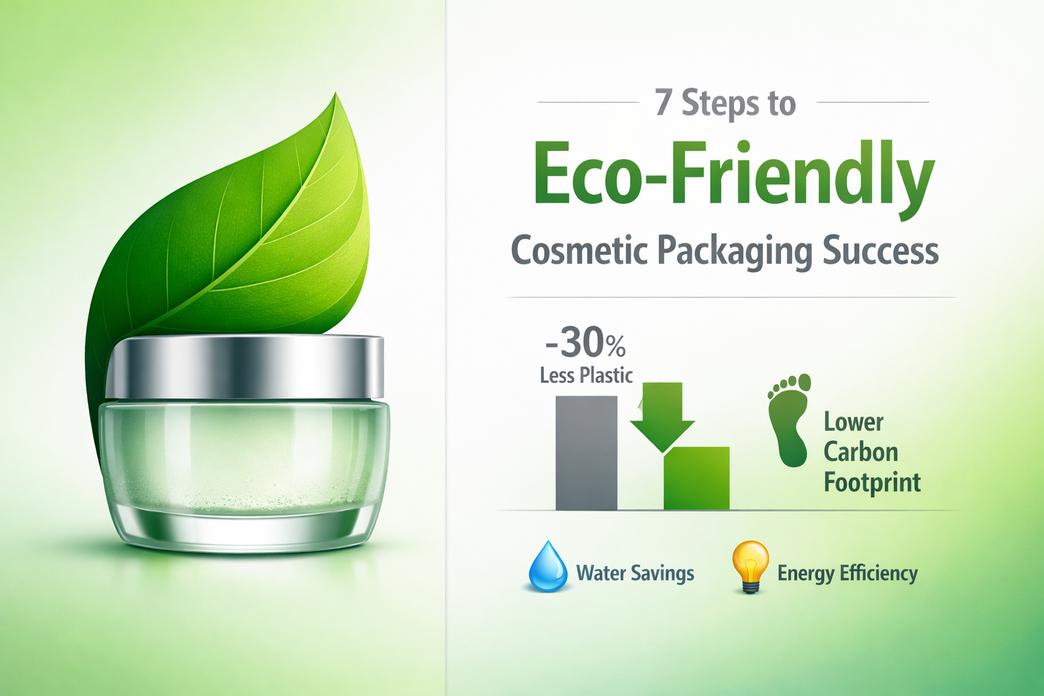
7 Eye-Opening Steps to Eco Friendly Cosmetic Packaging Success
Get ready to rethink how you package beauty—these smart moves will help your brand go greener without losing its edge.
Define Clear Sustainability Objectives and Carbon Footprint Goals
You can’t fix what you don’t measure. To kick off any eco-friendly packaging shift:
- Set specific sustainability objectives like cutting plastic use by 30%.
- Track and reduce your carbon footprint goals using emissions data.
- Focus on resource conservation, especially water and energy during production.
Without these targets, you’re just guessing at impact—and that won’t cut it with today’s conscious consumers.
Conduct a Comprehensive Life Cycle Assessment
Understanding the full journey of your packaging pays off big time. Here’s how:
- Map out every stage—from raw material sourcing to disposal.
- Analyze energy use, waste, and emissions in the manufacturing process.
- Look at how customers dispose of it—can they recycle or reuse?
This kind of deep-dive into your packaging’s total environmental impact gives you a clear picture of where change matters most.
Choose Materials like Sugarcane Bioplastic or Bamboo Fiber
Want packaging that’s green from the inside out? Go for:
- Sugarcane bioplastic, a renewable option made from plant waste.
- Strong yet compostable bamboo fiber, perfect for jars or tubes.
- High-quality recycled content for secondary components.
Swapping traditional plastics for these kinds of biodegradable materials makes your brand stand out while helping the planet.
Optimize Packaging with Lightweighting Strategies
Less really is more here. By using smart design tweaks:
• You cut down on material weight—hello, lower shipping costs!
• You reduce overall resource use with clever structural changes.
• You shrink transportation-related emissions, which adds up fast.
This type of minimalist approach doesn’t just look good—it saves money and boosts your green cred too.
Select Formats: Airless Pumps, Tubes, and Jars
Picking the right format isn’t just about looks—it’s about function and sustainability too.
Short tips to guide you:
– Use refillable jars for cream-based products.
– Try sleek tubes made from post-consumer resin (PCR).
– Go with durable, recyclable airless pumps that extend shelf life.
The right format enhances usability while aligning with low-waste goals in your cosmetic packaging game plan.
Collaborate with Suppliers on Custom Molding and Traceability
Success is all about who you team up with. Work closely with suppliers who offer:
- Full transparency into material origins (traceability)
- Ethical sourcing certifications embedded in their supply chain
- Flexible options for sustainable molds tailored to brand needs
Topfeelpack leads here by offering precise customization plus insight into every step of production—a win-win when building trust through responsible choices.
Achieve Certifications like EcoCert and Measure Recyclability Rate
It’s not enough to say you’re sustainable—you’ve got to prove it:
‣ Aim for third-party validations like an official EcoCert certification.
‣ Regularly track your product’s true-world recyclability percentage (recyclability rate) across regions.
‣ Keep tabs on changing compliance rules so you’re always ahead of the curve.
These steps build credibility fast—and consumers are watching closely when it comes to those eco promises tied to their beauty buys involving everyday-use cosmetic packaging solutions.
FAQs about Eco Friendly Cosmetic Packaging
1. How do large cosmetic brands gain from switching to sustainable packaging?
Low-carbon production and closed-loop systems help reduce total carbon footprint. Brands adopting recycled PET or bamboo fiber packaging often see measurable energy savings and improved life cycle assessment results.
- Verified standards such as ISO 14001 and EcoCert support Carbon neutral goals.
- Refillable design adds emotional appeal for repeat buyers who value conscious beauty choices.
2. What difference does lightweighting make in transportation efficiency?
Lightweight bottles, jars, or compact cases lower shipping costs while remaining durable in bulk movements. The reduced material usage also decreases waste generation through every step of distribution—a visible benefit on a brand’s water usage report and recyclability rate chart.
| Metric | Impact Reduction (%) | Notes |
|---|---|---|
| Fuel Usage | 20–25% | Less emission during transport |
| Packaging Waste | 15–30% | Owing to efficient shapes |
| Carbon Footprint | Up to 40% improvement | Measured via life cycle assessment |
3. Which materials most effectively combine eco ethics with premium aesthetics?
Glass jars provide timeless quality; aluminum tubes offer strength without excess weight; sugarcane bioplastic gives soft touch compostable alternatives for pouch packaging formats—all Cradle-to-Cradle certified elements keeping elegance intact alongside renewability.
4. Why are supplier capabilities crucial when sourcing eco friendly cosmetic packaging at scale?
Suppliers offering custom molding, prototyping, and transparent material traceability shape a confident partnership approach:
→ Design services ensure consistency across airless pumps and bottle lines
→ Large-scale production maintains ethical balance using renewable energy sources.
Such trust resonates through the supply chain—clear evidence that sustainability doesn’t require artistic compromise.
5. How do certifications strengthen the credibility of sustainable packs?
FSC certified paper labels protect forest integrity; Global Recycled Standard guarantees real PCR plastic origin; ISO 14001 guides waste reduction strategies under controlled audits; Cradle to Cradle verification assures product circularity maintained beyond its shelf life—the silent proof behind truly responsible beauty presentation shaped around mindful science & emotion together.
References
[The Future of Beauty Packaging - mintel.com]
[Sustainable packaging 2025: Top barriers for packaging purchasers - mckinsey.com]
[The Future of Plastic Packaging Amid Sustainability Pressures - euromonitor.com]
[Ecocert Certifications - ecocert.com]
[ISO 14001 Environmental management - iso.org]
[Forest Stewardship Council - fsc.org]
[Cradle to Cradle Certified - c2ccertified.org]
Post time: Feb-16-2026
