
Liquid cosmetics are the most common products in skincare. Choosing the right packaging is not just about looks; it is about keeping the product safe and easy to use. This guide explains how to choose the best packaging based on product types, design logic, and buying strategies.
1. What are Liquid Cosmetics?
Liquid cosmetics are products that can flow at a room temperature of 25°C. They range from watery liquids to thick gels.
Key Characteristics:
- Flowability: They move freely because of gravity.
- Consistency: They are usually smooth mixtures like lotions, oils, or gels.
- No Fixed Shape: They take the shape of whatever bottle or tube they are in.
- High Risk of Evaporation: Liquids can leak through bad materials or dry out faster than creams.
- Easy to Contaminate: Once opened, they can easily get dirty if the packaging doesn’t protect them from the air.
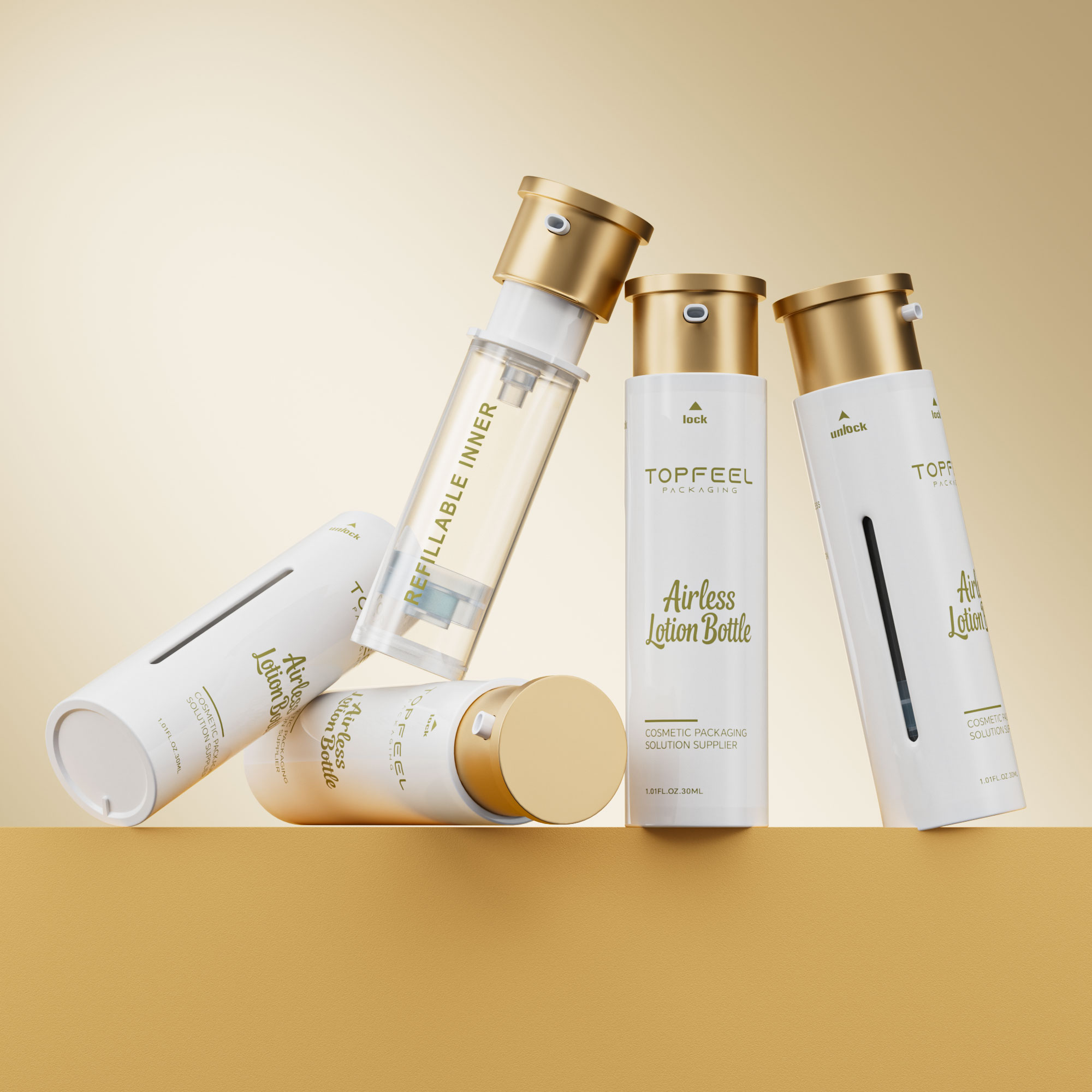 |
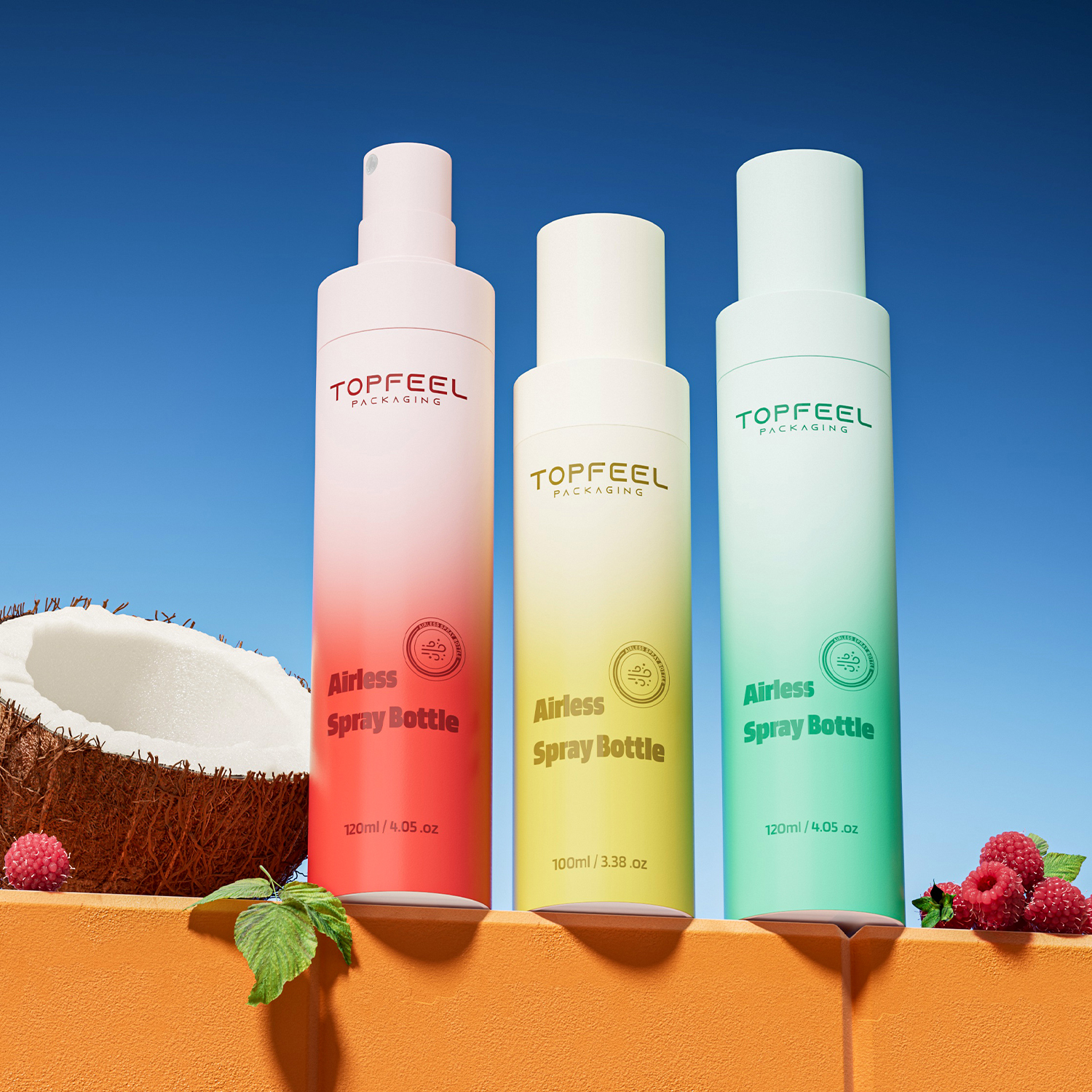 |
| Airless lotion bottle | Airless spray bottle |
2. Common Product Types and Their Challenges
Different liquids face different problems. The packaging must solve these issues to keep the customer happy.
| Category | Examples | Main Packaging Challenges |
|---|---|---|
| Skincare | Toners, Serums, Lotions | Stopping air from ruining ingredients; precise dosing. |
| Hair Care | Shampoo, Conditioners, Hair Oils | Staying waterproof in showers; preventing thick liquid from clogging pumps. |
| Body Care | Shower Gels, Body Milks | Preventing leaks; making sure it is easy to open with one hand. |
| Makeup | Foundations, Nail Polish, Perfume | Preventing the product from drying into a “clump”; protecting it from light. |
| Specialty | Sunscreen Sprays, Body Scrubs | Handling high pressure; preventing heavy particles from sinking. |
3. Best Packaging Designs and Why They Work
Popular Choices
- Pump Bottles: Used for serums and lotions to stop air from going back into the bottle and to give the user the exact amount they need.
- Dropper Bottles: Usually made of glass for expensive oils; they help control the number of drops used.
- Tubes: Great for travel and sunscreens because they are hard to break and you can squeeze out every last drop.
- Aerosol Cans: Used for sprays (like dry shampoo) because they use pressure to create a fine mist.
Design Logic: The “Why” Behind the Choice
To design the best package, brands look at five main areas:
- Safety: Does the bottle react with the product? For example, glass is often used for acids to make sure no plastic melts into the liquid.
- Protection: Does it need to block light or air? Dark bottles or special inner bags help keep Vitamin C active for a longer time.
- Ease of Use: Is it easy to get the product out? Airless pumps prevent waste and keep the product clean.
- Eco-Friendliness: Can we use recycled plastic (PCR) or make the bottle refillable? This helps the planet and follows new laws.
- Cost: Can we use a standard bottle shape but use a cool label? This saves money on expensive custom molds.
4. Buying Guide: 5 Rules for Purchasing Managers
When buying packaging, companies must look at more than just the price. They need to manage risks and long-term value.
| Priority | What to Look For | Why It Matters |
|---|---|---|
| Quality | Safety certificates (like FDA) and test reports. | Avoids bad reactions, lawsuits, or having to throw away thousands of products. |
| Cost | The “Total Cost” (including shipping and mold fees). | Packaging can be 30% to 50% of the total product cost. |
| Reliability | On-time delivery and backup suppliers. | If the bottles are late, the factory stops, costing up to $100,000 per hour. |
| Sustainability | At least 30% recycled material. | Many regions (like Europe) will require 30% recycled content by 2030. |
| Innovation | New tech like special coatings or smart labels. | Unique packaging can help a brand charge 30% more for its products. |
Summary:
A good buyer should be involved from the start. By choosing the right materials early, tracking the price of plastic (like PET), and checking if suppliers are eco-friendly, they can build a stronger, more profitable brand.
Post time: Feb-25-2026
