
When a perfume bottle becomes art and eco-luxury in one, packaging turns into seduction—where bold brands win buyers before the scent does.
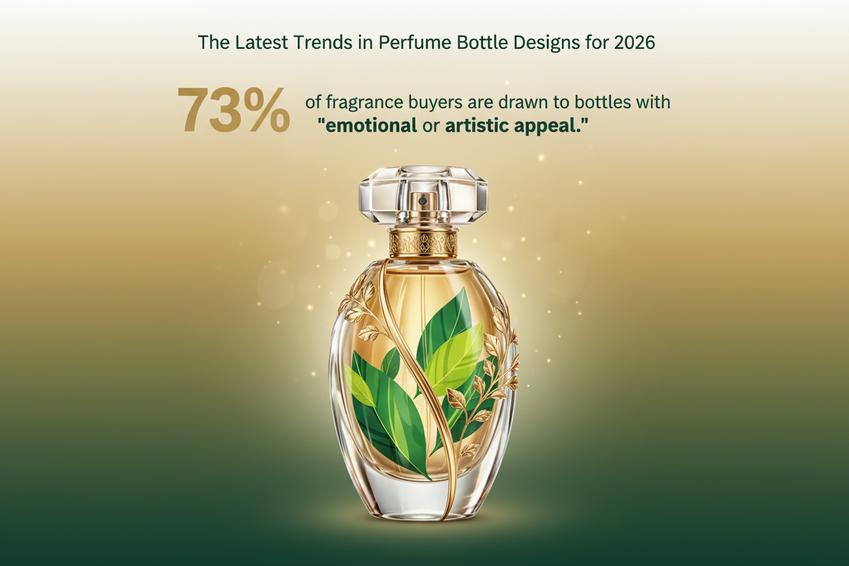
The perfume bottle isn’t just a container—it’s the first flirtation, the visual wink before the scent even hits. As quirky as that sounds, in 2026, packaging is pulling more weight than ever. With consumers craving sustainability wrapped in luxury and designs that scream personality over plastic sameness, brands can’t afford to play it safe anymore.
According to Mintel’s Global Packaging Trends report, 73% of fragrance buyers say they’re drawn to bottles with “emotional or artistic appeal.” Translation? If your bottle doesn’t tell a story at first glance, you might already be collecting dust on the shelf.
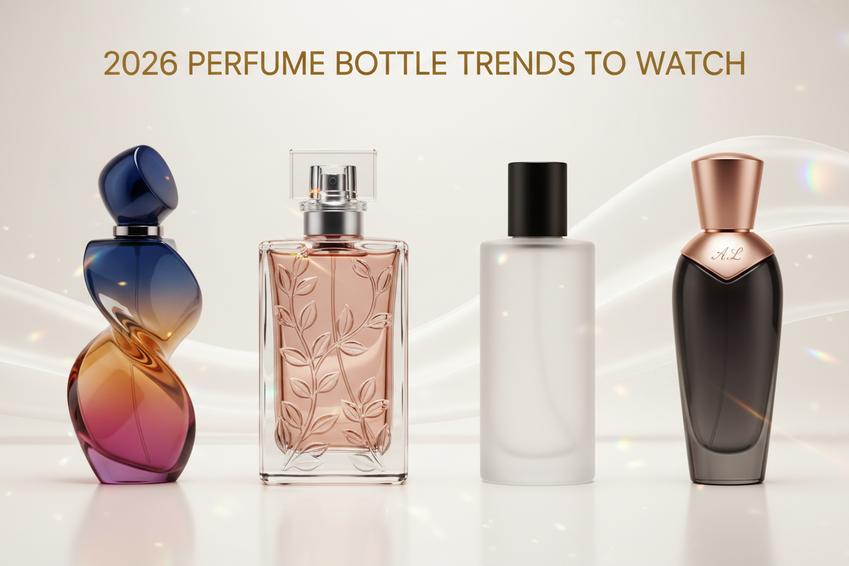
2026′s Top Perfume Bottle Trends to Watch
This year’s perfume bottle trends are anything but boring—expect bold shapes, luxe textures, and color blends that practically flirt with your shelf.
Abstract Shapes: The New Frontier in Bottle Design
Perfume packaging is ditching the traditional for something far more avant-garde and visually disruptive:
- Geometric silhouettes like asymmetrical prisms or twisted cubes offer a futuristic vibe.
- Organic curves inspired by nature—think droplets, petals, or shells—create a softer aesthetic.
- Sculptural forms that double as décor blur the line between fragrance and art.
- Ultra-minimalist designs strip away excess, leaving only essential lines and contours.
- Bottles with an unconventional base or tilted posture grab attention instantly on retail displays.
- Some brands are experimenting with abstract, almost surrealist outlines that challenge symmetry.
- A few niche houses even go full-on avant-garde, crafting collectible bottles that resemble modern sculptures.
These new shapes aren’t just about standing out—they’re reshaping how we interact with the scent experience itself.
Gradient Colors: A Visual Delight for Modern Consumers
Color blending is having a serious moment in the world of perfume packaging—and it’s not just pretty to look at.
• Subtle ombré transitions—from blush pink to lilac or ocean blue to emerald—give off dreamy vibes. • Bright neon-to-pastel gradients feel youthful without being over-the-top. • Translucent glass paired with a soft spectrum fade makes each bottle feel like it’s glowing from within.
- Brands use gradient tones to hint at fragrance profiles—citrusy scents might fade from yellow to green; florals often shift through rose hues.
- This chromatic play also helps perfumes stand out on crowded shelves where solid colors tend to blend in.
→ Designers are even incorporating iridescent finishes over gradients for added depth—a trend that’s catching fire on social media thanks to its photogenic appeal.
The result? Bottles that aren’t just containers but mood boards come alive.
Premium Materials: Glass and Crystal Take Center Stage
The material matters—and in 2026, it’s all about elevating the tactile experience through high-end finishes:
- Thick-cut glass adds weight and prestige while allowing light refraction through colored liquids.
- Hand-polished crystal, especially lead-free variants, brings clarity you can feel as much as see.
- Embossed surfaces highlight artisanal techniques, giving every bottle a handcrafted aura.
- Frosted or etched finishes give premium bottles a matte softness against glossy caps.
- Dual-material combinations like crystal bodies with metal accents add contrast and sophistication.
- Recycled yet refined glass options cater to eco-conscious buyers without sacrificing luxury appeal.
- Decorative facets carved into the surface amplify shelf presence under store lighting.
Luxury isn’t loud—it’s felt in details like these that quietly whisper quality every time you pick up your favorite scent vessel.
Customizable Cap Options: The Rise of Personalized Closures
Caps aren’t just functional anymore—they’re fast becoming personal statements tied directly to identity.
• Some brands now offer modular cap systems where users can swap out tops based on mood or season. • Others allow names or initials engraved directly onto metallic closures—a subtle nod to personalization without screaming it.
- Bespoke caps made from exotic woods or semi-precious stones are gaining traction among collectors looking for exclusivity.
- Limited-edition drops often feature unique cap designs no longer available after launch—creating urgency among fans.
→ Modular designs also serve practical purposes, making refilling easier while reducing waste—a win-win for both aesthetics and sustainability-minded users.
In short? These little toppers are becoming big players in how people connect emotionally with their favorite fragrances—even before they take off the lid.
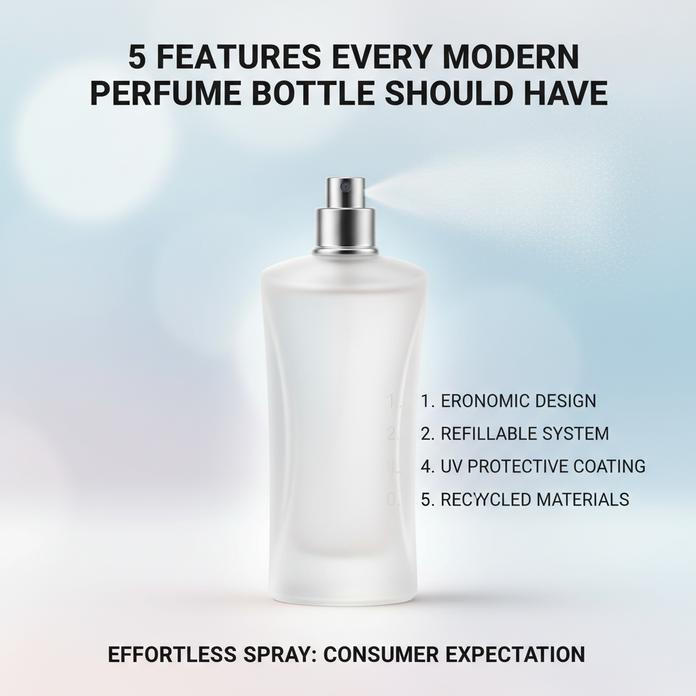
5 Features Every Modern Perfume Bottle Should Have
Today’s perfume bottle isn’t just about holding fragrance—it’s about how it feels, looks, and works. Let’s break down what truly makes a modern bottle stand out.
Ergonomic Cylindrical Designs for Comfort in Use
A good-looking bottle is great, but if it slips out of your hand or feels awkward to hold, it’s a no-go. That’s why the focus on ergonomic design has become non-negotiable:
- Cylindrical shape allows for easy rotation and grip with one hand.
- Smooth curves minimize pressure points during use.
- Balanced weight distribution ensures better control during spraying.
What makes this even cooler? The fact that these designs don’t just feel good—they look sleek too. A comfortable grip paired with high-end aesthetics is now the baseline for any stylish perfume container.
Easy-to-Use Atomizer: A Must for Effortless Application
No one wants to wrestle with their scent. You want a quick mist—no drama. That’s where the modern easy atomizer comes into play:
• Press once, get an even spray—no clogs, no leaks. • Built-in air compression tech ensures consistent pressure every time. • Ergonomic nozzle placement reduces wrist strain.
According to Mintel’s Fragrance Packaging Trends Report Q2/2024, “Consumers now expect their fragrance experience to begin at the press of the sprayer.” In other words, if your spray bottle doesn’t offer an effortless spray, you’re already behind.
Frosted Finishes: Combining Aesthetics with Practicality
The whole point of a frosted exterior isn’t just looking fancy—it actually does more than you’d think.
One: It diffuses light beautifully, giving your shelfie game a serious upgrade. Two: It hides fingerprints and smudges like magic—because who has time to wipe down glass daily? Three: The slight texture from the matte finish helps you grip better without slipping mid-spray.
This combo of visual style and tactile function is exactly why brands are leaning hard into using more frosted glass, especially for minimalist or unisex scents. It gives off that clean-but-luxury vibe people crave while being totally practical too.
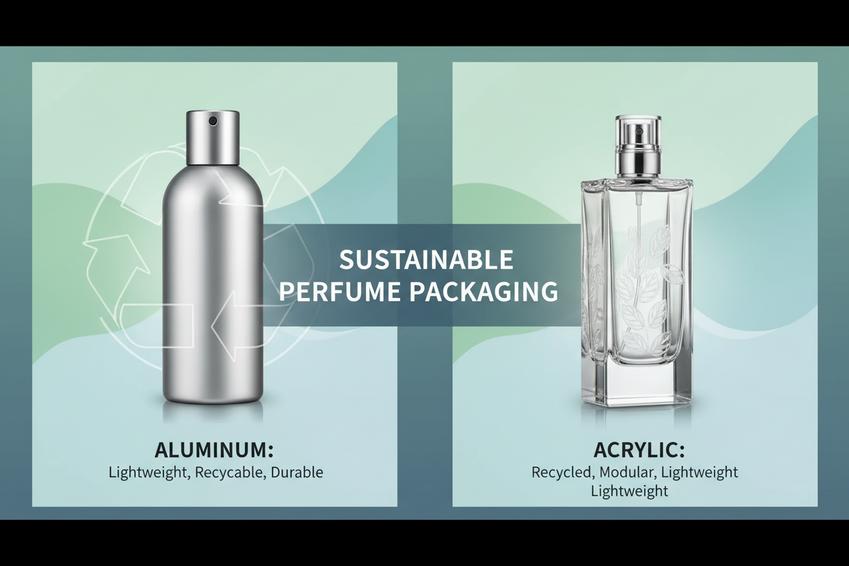
Sustainable Materials: The Future of Perfume Packaging
The future of scent packaging is getting a serious eco-upgrade—think lighter, smarter, and way greener.
Aluminum Bottles: A Lightweight and Eco-Friendly Choice
When it comes to rethinking the perfume bottle, aluminum is stealing the spotlight—and for good reason.
• It’s ultra-lightweight, which makes shipping easier and cuts down on emissions. • Unlike plastic, metal bottles made from aluminum are endlessly recyclable without losing quality. • The brushed metal finish adds a sleek edge to modern perfume bottle design, giving it that luxe-but-conscious vibe.
Now let’s talk durability—these bottles don’t just look cool; they’re tough as nails. They handle travel, drops, and even heat better than most glass containers. Plus, because aluminum is opaque, it helps protect delicate fragrance formulas from sunlight degradation.
Also worth noting? Many brands are starting to use post-consumer recycled aluminum, pushing the envelope on what truly eco-friendly materials can achieve in luxury packaging.
Acrylic Innovations: Reducing Plastic Waste in Packaging
Modern fragrance design isn’t just about aesthetics—it’s also about doing right by the planet with smarter materials like acrylic.
- Recycled Forms:
- Many new designs use high-grade recycled acrylic, cutting down virgin plastic demand.
- These forms still offer that crystal-clear shine consumers love without the guilt.
- Modular Designs:
- Components snap together for easy disassembly.
- Facilitates recycling after end-of-life use—a big win for sustainability fans.
- Weight Reduction:
- Compared to traditional glass or thick plastics, lightweight acrylic trims down shipping weight.
- Less fuel used = smaller carbon footprint per unit shipped.
By integrating these smart tweaks into their perfume packaging solutions, brands aren’t just reducing waste—they’re building trust with eco-conscious buyers who want both beauty and brains in their purchases. And when you pair these innovations with refillable formats? You’ve got a next-gen solution that’s ready to shake up how we think about scent storage.
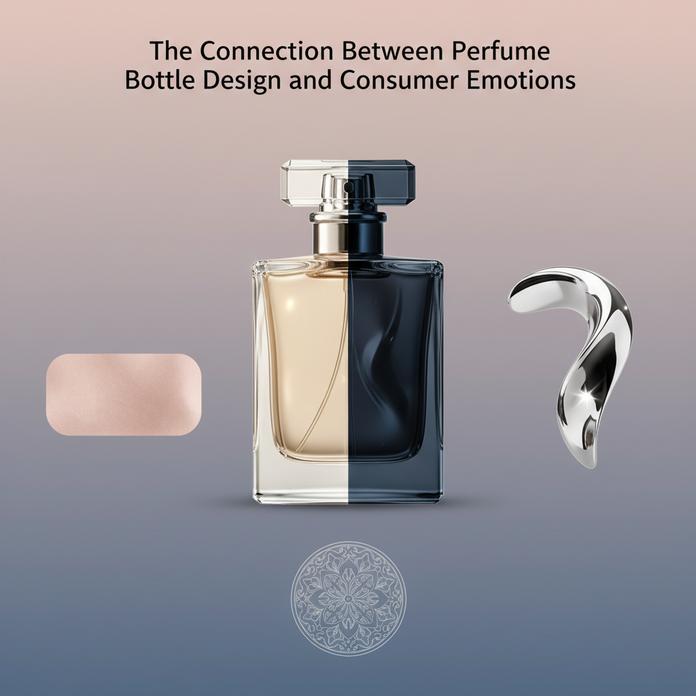
The Connection Between Perfume Bottle Design and Consumer Emotions
How a perfume bottle looks and feels isn’t just about pretty packaging—it taps into emotions, memories, and impulse buying.
Color Psychology: How Transparent vs. Opaque Bottles Impact Choices
• Transparent bottles often suggest purity, freshness, or lightness—think citrusy or aquatic scents. They give off a clean vibe that makes people feel like they’re choosing something honest and uncomplicated. • Meanwhile, opaque bottles trigger curiosity. They hide the juice inside, which can make them feel more exclusive or mysterious—ideal for deeper, muskier perfumes. • Both types of bottles influence consumer perception, but in different emotional directions: clarity versus allure.
People associate clear packaging with minimalism and trustworthiness. But when you wrap a scent in an opaque shell? It whispers luxury and intrigue. That’s why many high-end brands use deep-colored or frosted glass to amplify the emotional response.
Engraving vs. Silk Screening: Which Method Evokes Stronger Feelings?
Multiple short descriptive segments:
Engraving feels personal. It adds weight—literally and emotionally—to the bottle’s story.
Silk screening is sleeker but less tactile; it leans on visuals over touch.
Consumers often link engraving with craftsmanship and legacy—it’s got depth.
In contrast, silk screening offers design flexibility but doesn’t always scream premium unless paired with other elements like metallic inks or embossing.
The stronger emotional pull? Engraving usually wins when creating lasting impressions tied to memory and sentimentality.
The Importance of Surface Treatments in Shaping Brand Perception
Grouped bullets by surface treatment type:
● Matte finish
- Feels soft to the touch.
- Gives off a modern, understated vibe.
- Often linked with niche or artisanal brands.
- Enhances the sense of exclusivity through restraint.
● Glossy finish
- Reflects light beautifully.
- Projects boldness and glamour.
- Common among mainstream designer lines.
- Appeals to those drawn to shine and visibility.
● Textured bottles
- Offer a unique tactile experience.
- Connect directly with our fingers before our nose even gets involved.
- Suggest innovation or luxury depending on execution.
- Reinforce brand identity through sensory memory triggers.
Surface treatments don’t just dress up a container—they shape how people think about what’s inside it. A smooth matte bottle might say “quiet sophistication,” while high-gloss screams “look at me.” These subtle cues help define the perfume’s personality even before it’s sprayed.
Each time someone picks up a thoughtfully treated bottle, they’re not just touching glass—they’re touching an emotion shaped by materials, finishes, and design intent woven into every curve of that little vessel.
Future-Proofing Your Perfume Bottle Designs
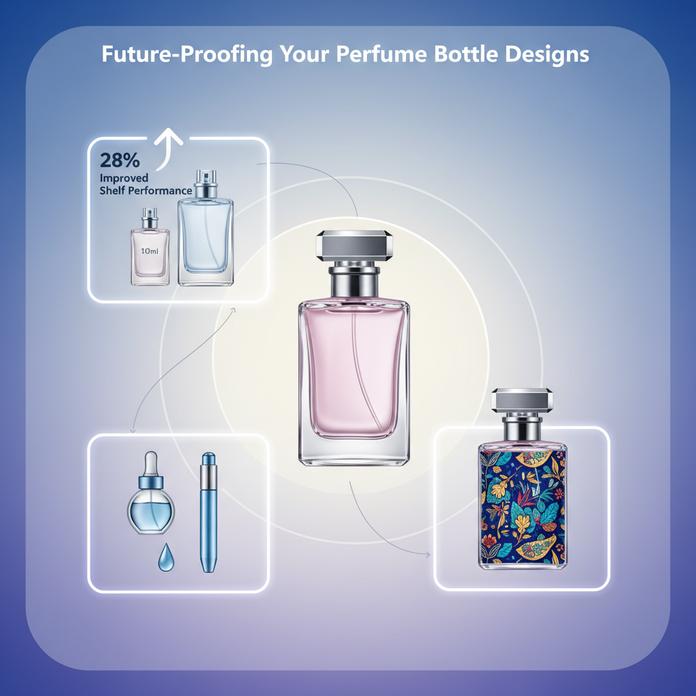
Keeping your perfume bottle game strong means nailing the right size, closure, and decoration. Here’s how to stay ahead of the curve without breaking a sweat.
Exploring 50ml vs. 100ml Capacities: Balancing Demand and Affordability
- Small bottles like 50ml are perfect for on-the-go users or those testing new scents.
- Larger 100ml formats suit loyal customers who want more bang for their buck.
- Stocking both sizes can help you cover different price points and preferences.
- Market segmentation shows younger buyers lean toward smaller volumes due to price sensitivity.
- Bulk buyers—often repeat customers—gravitate toward larger capacities for value.
- Offering both helps brands tap into seasonal demand shifts and gifting trends.
• A 50ml option feels premium but accessible. • A 100ml format conveys luxury and long-term commitment.
The NPD Group’s late-2024 fragrance report noted that “dual-size strategies improved shelf performance by up to 28% across mid-tier fragrance lines.” That’s not just good news—it’s actionable data.
Shorter runs of 50ml bottles also help test limited editions or seasonal drops without overcommitting inventory. Meanwhile, large-volume formats reduce packaging costs per mL—a smart move when margins matter.
Mini bottles aren’t just cute—they’re strategic tools for reaching travel retail markets and Gen Z consumers prioritizing affordability over volume. On the flip side, full-size packaging still dominates luxury sales because it reinforces perceived value.
Innovative Closure Types: Transitioning to Dropper and Rollerball Options
- Switching from traditional spray pumps to modern closures like droppers or rollerballs changes how users experience your scent.
- These applicators offer precision, less waste, and a luxe feel that resonates with eco-conscious buyers.
- Plus, they open doors to new product types like perfume oils or solid colognes.
- Droppers deliver control—ideal for layering scents on pulse points without overspray.
- Rollerballs are discreet, portable, and perfect for reapplication during the day.
- Both options reduce leakage risk during shipping or travel.
• Spray caps? Kinda old school now. • Droppers? Precision meets elegance. • Rollerballs? Convenience in your pocket.
Roll-on perfume oils have surged in popularity thanks to TikTok-driven beauty hauls where function meets aesthetic minimalism. The shift isn’t just trendy—it’s practical too.
More than just usability upgrades, these closures change how people perceive the product itself—from casual spritzes to intentional rituals of self-care using tactile tools like a smooth-gliding rollerball or sleek glass dropper.
By integrating alternative closures into your next run of perfume containers, you’re not just innovating—you’re adapting your brand experience around evolving consumer behavior patterns rooted in personalization and portability.
Decoration Techniques: Embracing Decal Application for Greater Appeal
- Using high-quality decals allows brands to create intricate designs without committing to full-surface printing methods.
- They’re cost-effective and support small-batch customization with minimal setup time.
- Ideal for indie launches or limited-edition collaborations seeking visual punch on a budget.
- Decals enable multi-color graphics that mimic hand-painted effects at scale.
- They’re compatible with curved glass surfaces common in most fragrance packaging.
- Easy swaps make seasonal rebranding quick—no mold change required!
✦ Want holographic finishes? Decals got you covered! ✦ Need metallic accents but hate foil stamping costs? Again—decals win!
For niche players especially, decals offer an edge by letting them experiment with bold branding without massive upfront investment in tooling or print plates—keeping things agile yet stylish across production cycles of custom-designed bottle packaging.
From floral motifs wrapping around cylindrical flacons to minimalist logos centered on square-cut glass vessels, decals let designers play freely across form factors while maintaining consistent brand identity through color theory and surface texture alignment—all vital components when shelf appeal is everything in crowded retail aisles filled with competing scents wrapped in glass armor.
FAQs about Perfume Bottle
1. What perfume bottle styles are attracting bulk buyers today?
Cylindrical and rectangular shapes remain favorites for efficiency, yet abstract or customized silhouettes now command attention on crowded shelves.
- Glass offers weight and clarity; Acrylic provides safe lightness for travel sets.
- Limited-edition lines often turn to Crystal for a luxurious shimmer that speaks of exclusivity.
2. How do colors influence the buyer’s intuition when choosing a perfume bottle?
Color isn’t decoration—it’s emotion in form:
① Transparent bottles whisper honesty and purity.
② Frosted finishes hide mystery behind soft diffusion of light.
③ Amber tones evoke vintage warmth, while gradient hues suggest modern movement between moods.
3. Which capacities are proving most practical in wholesale markets?
Compact 15ml samplers—ideal for discovery sets; 30ml and 50ml serve everyday users; the grand 100ml remains a classic gift choice; bold brands sometimes stretch to 200ml, transforming fragrance into statement décor pieces.
| Capacity | Consumer Perception | Common Material |
|---|---|---|
| 15ml | Portable & collectible | Acrylic / Glass |
| 50ml | Everyday balance | Glass |
| 100ml+ | Premium indulgence | Crystal / Aluminum |
4. What closure types create better usability and design coherence?
A cap can define experience as much as scent:
• Spray tops deliver elegance with each misting motion, ideal for daily fragrances.
• _Atomizer bulb_s speak retro charm within luxury ranges.
• For oil blends, gentle control comes with the Rollerball.
• Refilling brands rely on reliable Screw Caps, merging practicality with sustainability aims.
5. How does surface treatment elevate perceived value in large orders?
Quality lives in detail—each finish tells its own story: Polishing reflects precision handwork; Coating shields longevity against warehouse dust; Hot Stamping glints under display lights like metal sunlight across glass curves.
- Combined treatments (Printing + Labeling) heighten differentiation during mass runs without altering bottle shape—a small gesture turning uniformity into signature art.
6. Why do decorators favour engraving or silk screening over simpler labels?
Because touch complements sight: engraved marks sink texture beneath fingertips—memorable even before uncapping the scent inside.
Silk Screening bathes surfaces in colorfast imagery fit for repeated handling.
Small accents such as Metalizing rims or Decal Applications highlight brand emblems while retaining clean aesthetics—the meeting point where functional packaging turns quietly poetic on every shelf.
References
[Mintel’s Global Packaging Trends report - mintel.com]
[Mintel's Fragrance Packaging Trends Report Q2/2024 - store.mintel.com]
[NPD Group's late-2024 fragrance report - circana.com]
Post time: Jan-15-2026
