
In the rapidly evolving beauty and personal care industry, brands face a complex dual challenge: maintaining the absolute potency of high-performance active ingredients (such as Retinol, Vitamin C, and Peptides) while simultaneously meeting stringent environmental regulations and rising consumer demand for sustainability. Glass lotion bottles have emerged as the premier solution that bridges the gap between high-end luxury and ecological responsibility.
As an innovative packaging format that merges advanced vacuum dispensing technology with the traditional benefits of glass, glass airless bottles do more than just enhance a product’s shelf appeal. They represent a strategic shift toward reducing carbon footprints, minimizing dependency on synthetic preservatives, and fostering a truly circular economy. This article provides a deep dive into the material science, Life Cycle Analysis (LCA), and industry standards that make glass airless technology the “Gold Standard” for modern beauty brands.
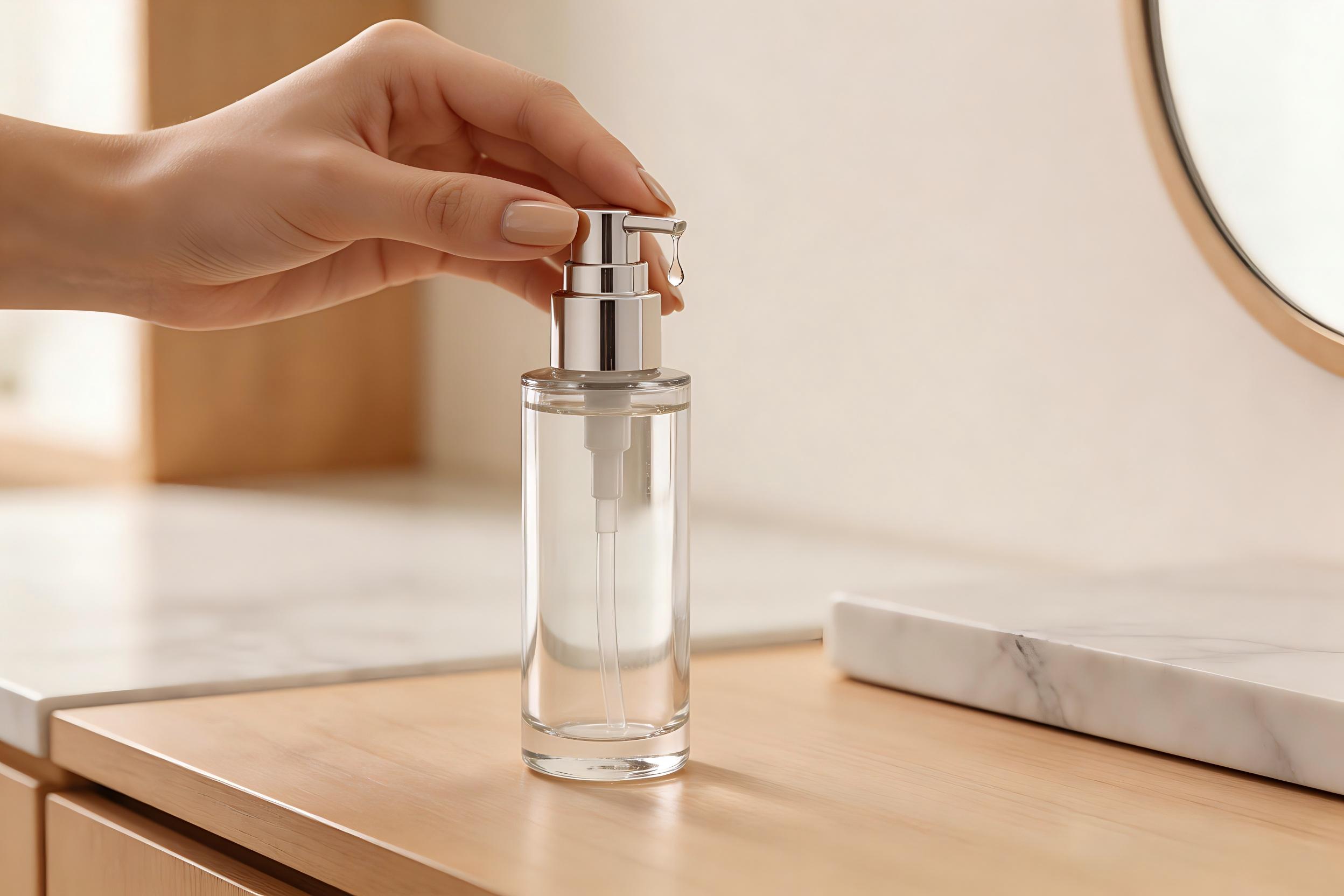
1. Material Science: Why Glass is the Core of Eco-Friendly Beauty Containers
When comparing primary packaging materials, the high-quality glass—typically soda-lime or borosilicate—used in glass airless bottles offers natural chemical inertness that polymers cannot match. In the world of professional skincare, this means near-zero migration between the formula and the container.
Chemical Stability and Formula Purity
Glass possesses a high-density molecular structure that acts as a total barrier against oxygen and UV light, preventing the oxidation and degradation of expensive serums and creams. For brands pursuing the “Clean Beauty” movement, glass airless bottles are essential. They allow for a significant reduction in synthetic stabilizers and preservatives because the physical barrier of the packaging itself provides the ultimate protection. This characteristic eliminates the risk of microplastic leaching, ensuring that the liquid remains as pure as the day it was formulated.
Reducing Reliance on Virgin Plastics
While the industry frequently discusses the use of PCR plastic (Post-Consumer Recycled plastic), the infinite recyclability of glass gives it a long-term sustainability advantage. Unlike plastic, which undergoes polymer degradation after several recycling cycles, glass can be recycled 100% indefinitely without any loss in quality or purity. By choosing eco-friendly beauty containers made of glass, brands contribute to a reduction in the global demand for virgin petroleum-based materials.
2. Engineering Zero Waste: How Glass Airless Bottles Redefine the User Experience
The brilliance of an airless system lies in its mechanics. Unlike traditional dip-tube pumps, which rely on gravity and a straw, glass airless bottles utilize a vacuum pressure system—either through a rising piston or a flexible internal pouch—to push the product upward.
The Economics of the 98% Evacuation Rate
Standard pump bottles often leave 10% to 15% of the product trapped at the bottom, frustrating consumers and wasting high-value formulas. However, the precision engineering of glass airless bottles allows for an evacuation rate of 98% or higher. For B2B clients, this translates into higher consumer satisfaction and increased repurchase rates, as customers feel they are getting the full value of every drop.
360-Degree Dispensing Capability
Because the system does not depend on a tube reaching the bottom, these bottles allow for seamless dispensing from any angle—even upside down. This versatility is particularly beneficial for body lotions, sunscreens, and professional-grade treatments. At Topfeelpack’s innovation center, we calibrate the pump engine springs to ensure consistent dosage per stroke, meeting the rigorous demands of medical-grade cosmetic applications.
3. Life Cycle Analysis (LCA): The Environmental Truth from Cradle to Grave
To determine if a packaging solution is truly “green,” we must look at its entire life cycle. While glass production is energy-intensive, its durability and recyclability often result in a lower total environmental impact compared to single-use plastics when analyzed over time.
Energy Optimization in Manufacturing
The melting of glass requires high temperatures, but modern facilities—especially those with ISO 14001 Environmental Management certification—are implementing electric furnaces and heat recovery systems. Furthermore, increasing the percentage of “cullet” (recycled glass) significantly lowers energy requirements. Every 10% increase in cullet reduces energy consumption by approximately 2-3%.
Durability and Reduced Transit Loss
One of the core tenets of sustainable cosmetics packaging is longevity. Glass is naturally resistant to scratches and chemical erosion. This durability ensures that products remain pristine throughout the global supply chain, reducing the “hidden” carbon cost associated with damaged goods and returns.
The Mature Recycling Loop
Glass is the poster child for the circular economy. In many international markets, glass recycling infrastructure is highly developed and efficient. According to reports from Cosmopack and industry environmental groups, utilizing a closed-loop recycling system for glass can reduce carbon emissions by up to 50% compared to manufacturing from raw sand and soda ash.
4. Innovations in Sustainability: Refillable Jars and Modular Systems
The next frontier for the beauty industry is moving beyond “recyclable” toward “reusable.” We are seeing a massive surge in refillable jars and modular glass systems.
The Rise of the Hybrid Refillable Model
To further minimize environmental impact, many luxury brands are adopting a “Permanent Glass Outer + Replaceable Inner” model. The consumer makes a one-time purchase of the high-quality glass airless bottles and subsequently purchases lightweight refills made of aluminum or thin PCR plastic. This reduces the carbon footprint per use cycle dramatically while maintaining the premium tactile experience that glass provides.
Mono-Material Pump Design
A major hurdle in recycling traditional pumps is the mix of metal springs and various plastics. Topfeelpack is at the forefront of developing “All-Plastic” or “Metal-Free” pump engines. When paired with a glass body, the entire unit can be disassembled more easily, ensuring that each component reaches the correct recycling stream. This commitment to sustainable cosmetics packaging is what separates industry leaders from those merely “greenwashing.”
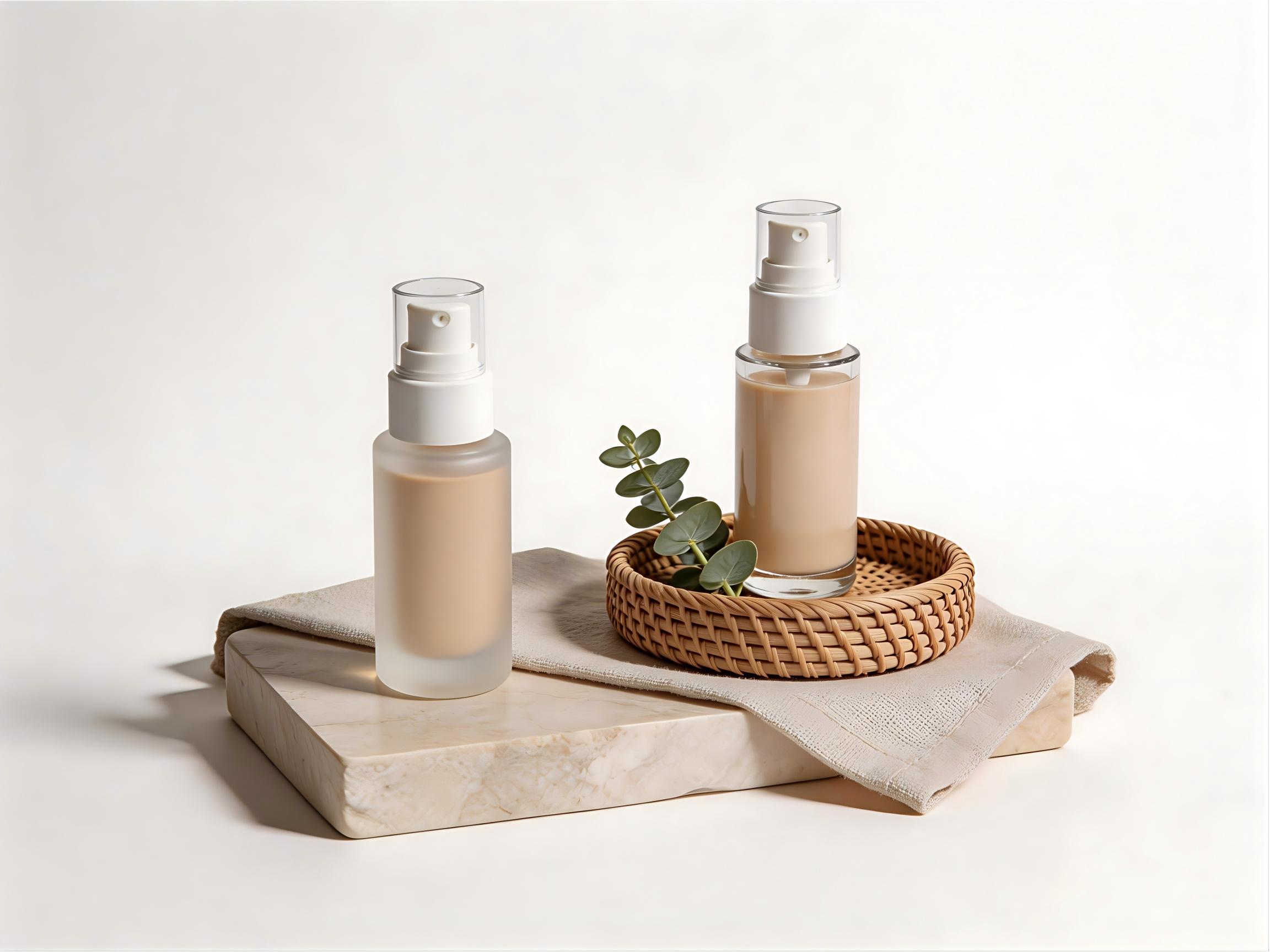
5. Technical Standards: The Foundation of E-E-A-T in Packaging
In B2B procurement, professional authority is built on data and certifications. High-quality glass airless bottles must adhere to strict international benchmarks:
- ISO 9001 & ISO 22716: These ensure that the production environment—especially the assembly of the vacuum engine—takes place in a controlled, dust-free cleanroom to prevent contamination.
- GRS (Global Recycled Standard): If the pump assembly includes recycled content, GRS certification provides the necessary chain-of-custody proof for brand transparency.
- Airtightness Testing: Topfeelpack subjects every batch to rigorous vacuum leak tests (maintaining -0.08MPa for 5 minutes). This is critical for glass airless bottles, as even a microscopic air leak can jeopardize the stability of the formula.
6. Branding Strategy: Capturing the Conscious Consumer
Modern consumers aren’t just buying a product; they are investing in a brand’s values. Using glass airless bottles is a powerful visual and tactile statement of intent.
- Visual Transparency: The clarity of glass allows the natural color and texture of the formula to shine, building immediate trust.
- Tactile Luxury: In consumer psychology, weight is often equated with value. The substantial “hand-feel” of a glass bottle instantly elevates the brand’s perceived positioning.
- Storytelling through Packaging: By printing recycling instructions or QR codes (linking to the brand’s Sustainability Progress Report) directly on the glass, brands can turn a simple container into an educational tool for the consumer.
7. Best Practices for Recycling and Reusing Glass Airless Bottles
To ensure that glass airless bottles fulfill their environmental promise, both brands and consumers must play a role in the end-of-life process:
- Complete Evacuation: Use the pump until it no longer dispenses. Because of the airless design, very little residue will remain.
- Component Separation: If the bottle is not a mono-material design, consumers should be encouraged to separate the glass base from the plastic pump head.
- Empty Bottle Programs: Brands can implement “Take-Back” schemes, offering rewards to customers who return their empty glass containers to be professionally cleaned or crushed for high-grade cullet.
Conclusion: The Strategic Imperative of Glass in a Green Economy
Glass airless bottles are more than just containers; they are the intersection of mechanical precision and ecological mindfulness. By combining the unmatched protective properties of glass with the zero-waste efficiency of vacuum dispensing, brands can offer a superior product experience while leading the global charge against plastic pollution.
As manufacturing technology continues to improve, we expect to see even lighter glass (light-weighting) and even higher integration of refillable components. For brand owners currently searching for eco-friendly beauty containers, investing in glass airless technology is not just a fulfillment of Corporate Social Responsibility (CSR)—it is a savvy move to secure a premium, sustainable future in a competitive market.
About Topfeelpack
As a global leader in cosmetic packaging, we specialize in providing cutting-edge glass airless foundation bottle solutions tailored to your brand’s unique needs. From R&D to final production, we adhere to the highest standards to help your brand shine in the green beauty sector.
References:
1. Ellen MacArthur Foundation – The New Plastics Economy Vision.
2. FEVE – The European Container Glass Federation: Circularity and Sustainability.
3. Topfeelpack Internal R&D: Vacuum System Performance Analysis 2024.
Post time: Apr-10-2026
