
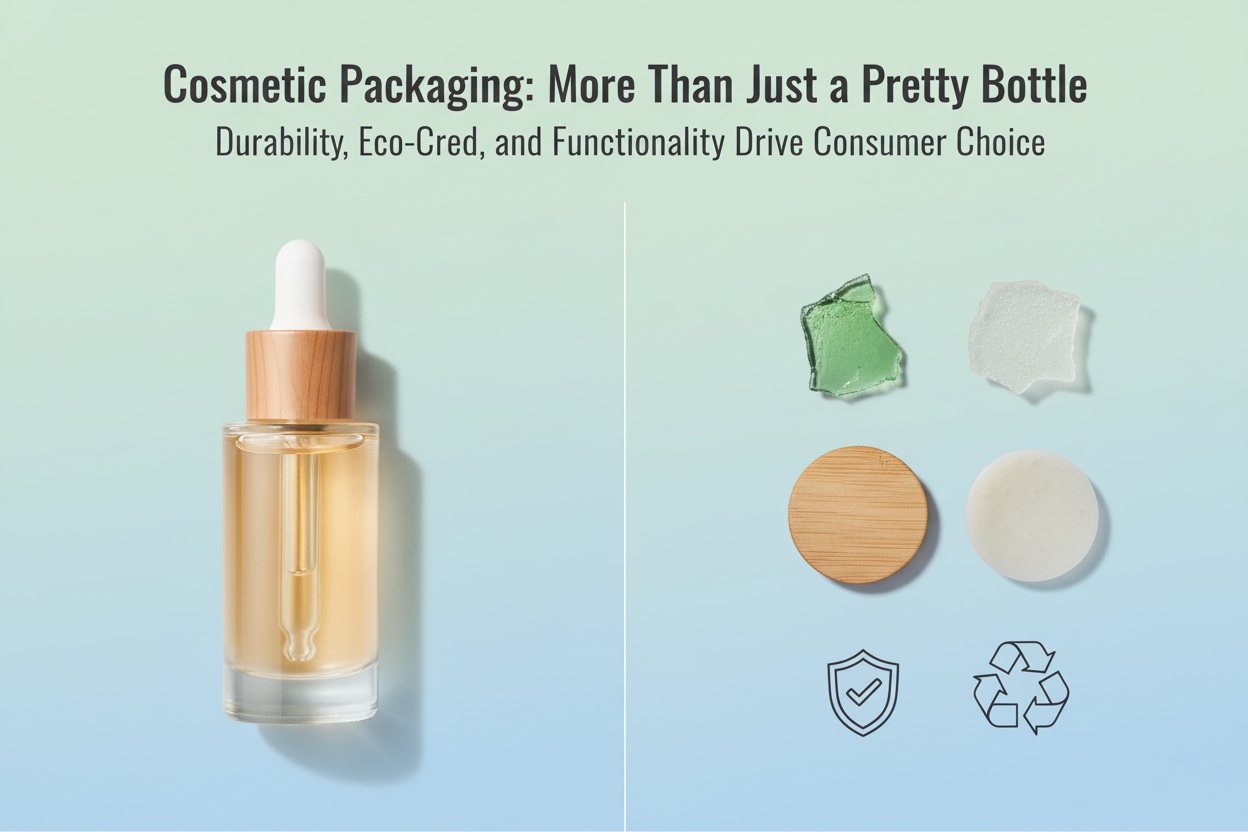
Ever cracked open a bottle of fancy face serum only to have it leak all over your bathroom counter? Yeah—packaging matters. In fact, “cosmetic containers packaging” isn’t just industry lingo; it’s the unsung hero behind every shelfie-worthy product photo and TikTok skincare haul. Brands today aren’t just picking bottles—they’re choosing silent salespeople that speak volumes from the vanity.
Now here’s the kicker: buyers want more than pretty plastics. They’re hunting for durability, eco-cred, and customization jazzed up with dispenser pumps or dropper bottles that don’t dribble like a toddler’s juice box. The pressure’s on to find materials that hold their own under scrutiny while staying kind to Mother Earth.
One senior sourcing manager put it bluntly: “If your container breaks in transit or can’t be recycled—it doesn’t matter how great your moisturizer is.” Ouch… but true.
Key Points for Smarter Cosmetic Containers Packaging Decisions
→ Material Types Matter: Choose from PET plastic, glass, aluminum, acrylic, or eco-friendly bio-plastic to match durability and brand goals.
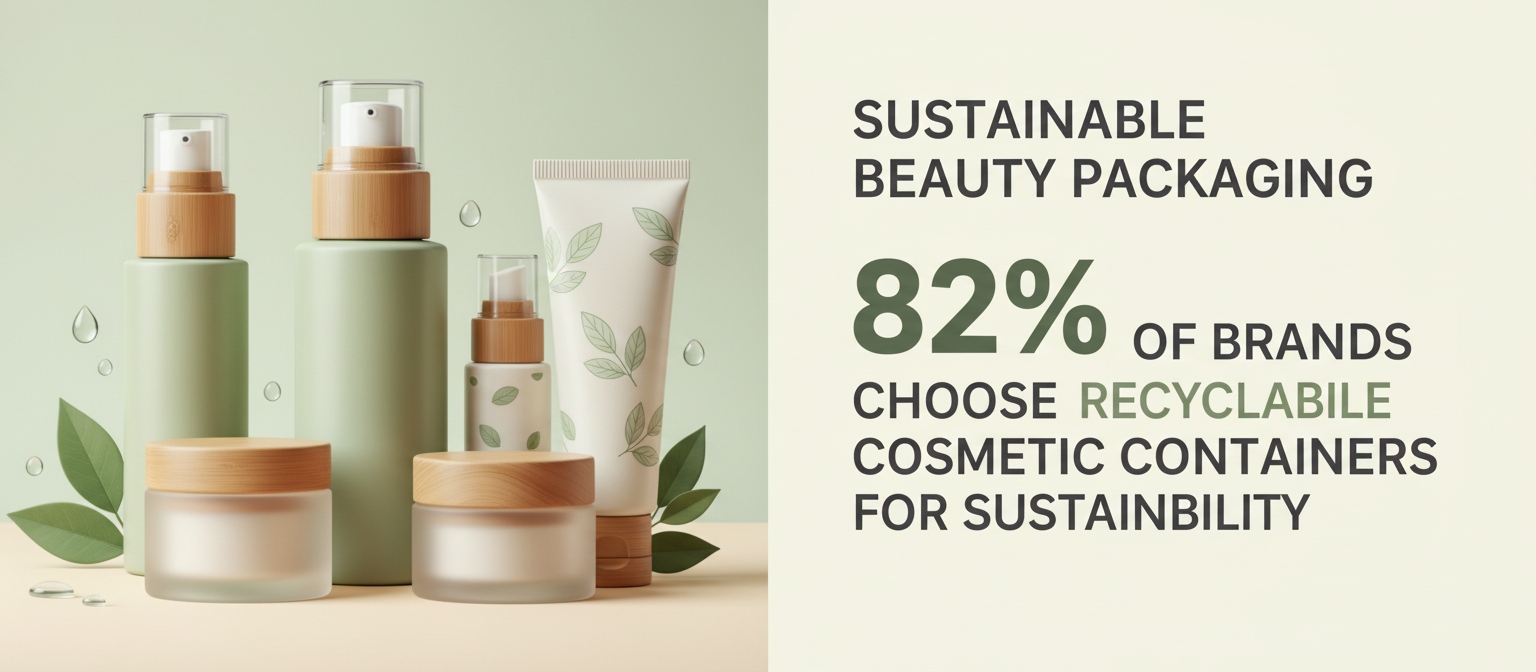
→ Eco Trends Drive Choices: 82% of brands now opt for recyclable options like recycled PET and glass to align with sustainability values.
→ Customization Steps Simplified: From selecting volumes (15 ml–200 ml) to decoration techniques like silk screen printing—tailor packaging that speaks your brand.
→ Dispensing Components Count: Lotion pumps, dropper pipettes, or flip tops impact usability and consumer satisfaction.
→ Glass vs Plastic Insights: Glass offers luxury aesthetics and recyclability; plastic wins in cost-efficiency and portability.
→ Durability Upgrades Available: Shock-resistant acrylics and reinforced aluminum components reduce product loss during transit.
82% Of Brands Choose Recyclable Cosmetic Containers Packaging For Sustainability
Sustainability isn’t just a buzzword—it’s how smart beauty brands are winning hearts and cutting waste.
Eco-Friendly Bio-Plastic Bottles for Skincare Cream Products
Bio-plastic is changing the game in cosmetic containers packaging, especially in skincare.
- Brands use sugarcane-based bio-resins to reduce dependence on fossil fuels.
- These materials decompose faster than traditional plastics, yet remain shelf-stable.
- Lightweight yet durable, they cut down shipping emissions too.
- Works seamlessly with airless pump bottles, keeping creams fresh and contamination-free.
Topfeelpack offers tailored solutions using these eco-materials, helping brands stay green without sacrificing style or performance.
Recycled PET Plastic Material in 100 ml Retail Packaging
PET plastic gets a second life—and your brand gets a sustainability badge of honor.
• 100 ml sizes are ideal for travel kits and retail shelves alike—compact but impactful.
• Recycled PET maintains clarity and strength, even after multiple uses.
• Compatible with cosmetic tubes, flip-top caps, and spray pumps—super versatile stuff!
Using recycled materials doesn’t just feel good—it looks good on your shelf too.
Recycled Glass Bottle Containers for Hair Serum Treatment
Glass gives luxury vibes while staying planet-friendly—that’s why it’s hot right now.
Recycled glass bottles are perfect for preserving delicate serums thanks to their non-reactive nature. They’re also endlessly recyclable without quality loss, making them a favorite among eco-conscious haircare lines. Pairing well with dropper bottles or precision-tip applicators, these containers elevate both function and aesthetics while reducing landfill load.
Sustainable Sourcing Practices from Certified Manufacturing Facilities
Ethical sourcing isn’t optional anymore—it’s expected by today’s savvy consumers.
Short segment 1: Certified facilities follow strict environmental protocols during production cycles.
Short segment 2: Water usage reduction, renewable energy integration, and closed-loop systems are common practices now.
Short segment 3: Audited supply chains ensure fair labor standards alongside reduced carbon output.
When your sustainable packaging solutions come from responsible factories, it shows you care beyond the label—and that builds real loyalty fast.
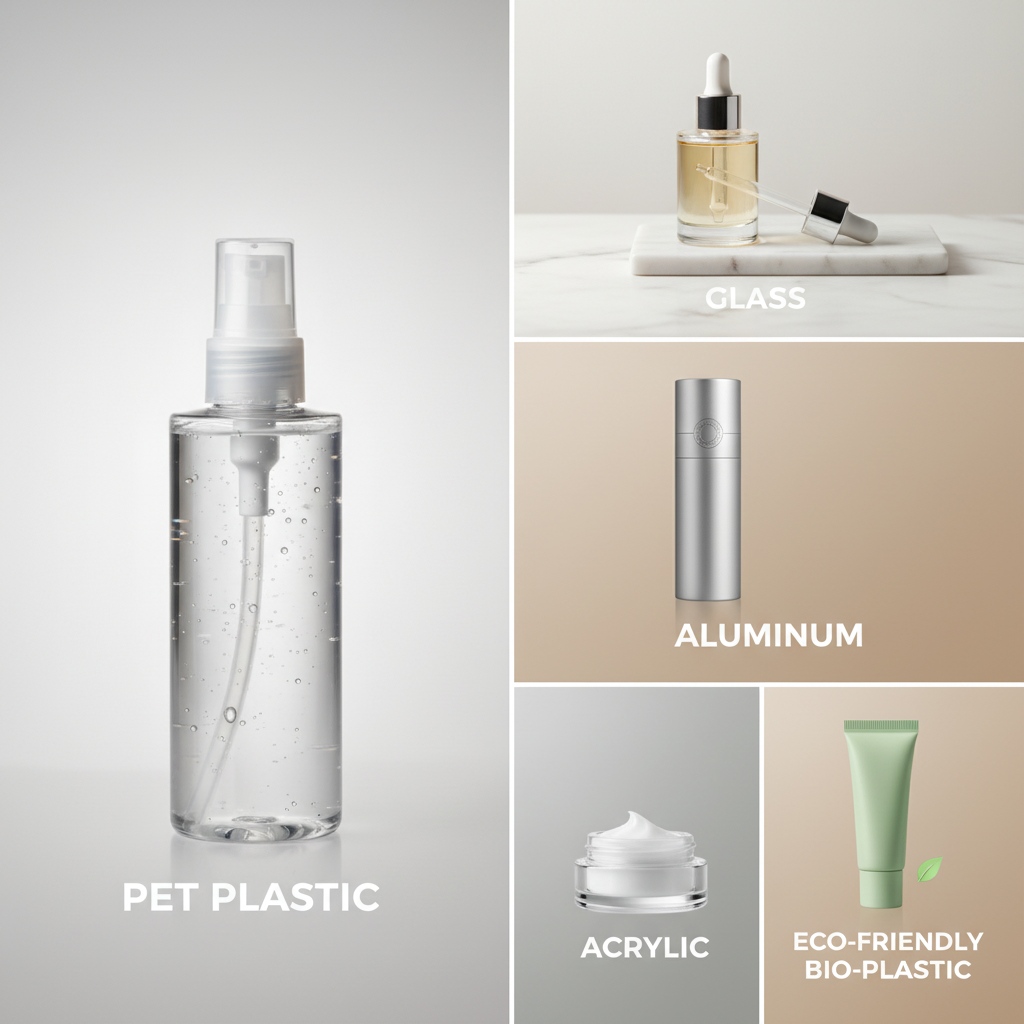
Types Of Cosmetic Containers Packaging Materials
From sleek bottles to sustainable tubes, cosmetic containers packaging comes in all shapes and materials. Let’s break down what makes each one tick.
PET Plastic Material
- Lightweight, but not flimsy
- Shatterproof, making it travel-friendly
- Compatible with a wide range of formulas
- Most commonly used in shampoos, lotions, and body sprays due to its durability.
- Offers excellent barrier properties against moisture and oxygen — keeping your product fresher longer.
✱ PET is easily molded into various shapes, allowing brands to get creative with design.
PET hits the sweet spot between functionality and affordability in plastic cosmetic containers packaging. It’s widely recyclable too — just rinse and toss it into the blue bin.
Short bursts of insight:
- Clear or tinted? PET can do both.
- Great for squeezing or pumping.
- Doesn’t crack under pressure — literally.
Glass Bottle Container
• Feels luxe in hand — weighty and smooth
• Ideal for serums, oils, perfumes
• Non-reactive with active ingredients
Glass isn’t just about looks; it’s about performance too. It doesn’t leach chemicals or degrade over time like some plastics might. For high-end skincare lines or essential oil blends, nothing beats that crisp clink of glass on countertop marble.
Want eco points? Glass is endlessly recyclable without losing purity or strength. It also appeals to customers who are trying to ditch single-use plastic entirely.
Aluminum Metal Component
Grouped Benefits:
— Rust-free even in humid bathrooms
— Shields products from UV rays and air exposure
— Easy to emboss or decorate for branding flair
Market insight: According to Mintel’s 2024 Global Packaging Report, 68% of consumers associate metal packaging with higher quality products — especially when it comes to deodorants and balms.
Aluminum stands out because it’s both featherlight and strong as heck. It also supports refillable designs which are becoming a hot trend in sustainable beauty circles.
Acrylic Polymer Substance
| Feature | Acrylic | Glass | PET |
|---|---|---|---|
| Clarity | High | Medium | High |
| Weight | Light | Heavy | Light |
| Impact Resistance | Strong | Fragile | Strong |
| Cost | Moderate | High | Low |
Acrylic gives off a crystal-clear vibe while being way less fragile than glass. It’s often used where you want that prestige look without the risk of shattering during shipping.
It’s no surprise luxury brands opt for this type of plastic when designing their eye creams or foundation jars—it screams premium while staying practical.
Eco-Friendly Bio-Plastic
Grouped Traits:
- Made from renewable sources like corn starch or sugarcane
- Breaks down faster than traditional petroleum-based plastics
- Often paired with minimalist branding styles
Bio-based materials are changing the game in cosmetic containers packaging by cutting down on carbon emissions without sacrificing shelf appeal. These alternatives still offer decent barrier protection against light and air but shine brightest when paired with other sustainable elements like compostable labels or refillable inserts.
Consumers are actively hunting for greener options—and if your brand can deliver that through innovative use of sustainable materials, you’re already ahead of the curve.
Topfeelpack has been leading this charge by integrating biodegradable solutions into modern beauty packaging designs that don’t skimp on style or performance.
5 Steps To Customize Cosmetic Containers Packaging
From size to shipping, customizing your cosmetic containers packaging takes more than just picking a pretty bottle. Here’s how to get it right, step by step.
Identify Ideal Volumes From 15 ml Samples to 200 ml Family Sizes
• Travel minis, deluxe samples, and full-size bottles all serve different customer needs.
• Common volume tiers include:
– 15 ml for testers or serums
– 30–50 ml for daily skincare routines
– 100–200 ml for family-use body lotions or shampoos
→ Align your product’s function with the right container size and shape. A serum doesn’t belong in a bulky jar, just like a shampoo shouldn’t come in a tiny dropper. Matching usage frequency with volume ensures customers don’t feel shortchanged—or overwhelmed.
Select Materials—Glass Bottles or PET Plastic for Distinct Branding
- Glass: Best for upscale branding and sensitive formulations; adds weight and class.
- PET Plastic: Lightweight, durable, travel-friendly—ideal for mass-market appeal.
Also consider:
• Recyclability—if you’re pushing sustainable values, opt for PCR plastics or refillable glass.
• Compatibility—some actives degrade faster in certain plastics; always test first.
Your brand’s vibe should match its material choice. A sleek anti-aging serum feels right at home in frosted glass, while a cheerful kids’ shampoo might shine best in squeezable PET.
Choose Dispenser Types Like Lotion Pumps or Dropper Pipettes
• Lotion pumps = perfect for creams and gels; control dosage without mess.
• Dropper pipettes = ideal for oils and serums where precision matters.
• Mist sprayers = great for toners or lightweight hydration products.
Think about user experience here—not just looks. The wrong dispenser can ruin an otherwise flawless product experience.
And don’t forget the role of closure systems—flip caps, screw tops, twist locks—all impact safety and convenience during use and transport.
Design Decoration Using Silk Screen Printing and Custom Color Matching
You’re not just selling cream—you’re selling shelf appeal.
- Use silk screen printing when you want clean lines that won’t fade after weeks of handling.
- Go bold with custom Pantone color matching to create that signature brand hue.
- Pair matte finishes with metallic foils if you want that premium edge.
- Consider transparent labeling if you’re showcasing the product’s color inside clear bottles.
Decoration isn’t fluff—it’s strategy wrapped around design thinking. Every visual element ties back to brand recall.
Partner With Suppliers for Quality Control and Global Shipping Logistics
This is where things get real.
• Pick suppliers who offer batch testing protocols—that’s your frontline defense against formula contamination inside your chosen container type.
• Make sure they understand international regulations around cosmetics packaging—including the EU’s strict REACH compliance.
• Ask about their logistics partners; global shipping is about more than tracking numbers—it’s about customs clearance timing too.
• Always check their track record on timely delivery windows before signing long-term contracts.
Working closely with suppliers also means better visibility into production runs—and fewer surprises when launching new SKUs across markets.
And if you’re aiming high-volume distribution? You’ll need airtight coordination between quality control, freight forwarders, warehouse teams—and yes—even local retailers who expect consistent presentation on shelf every time your product lands there.
By syncing up these five customization steps smartly—from material selection through logistics—you’ll turn standard cosmetic containers packaging into something people remember—and repurchase.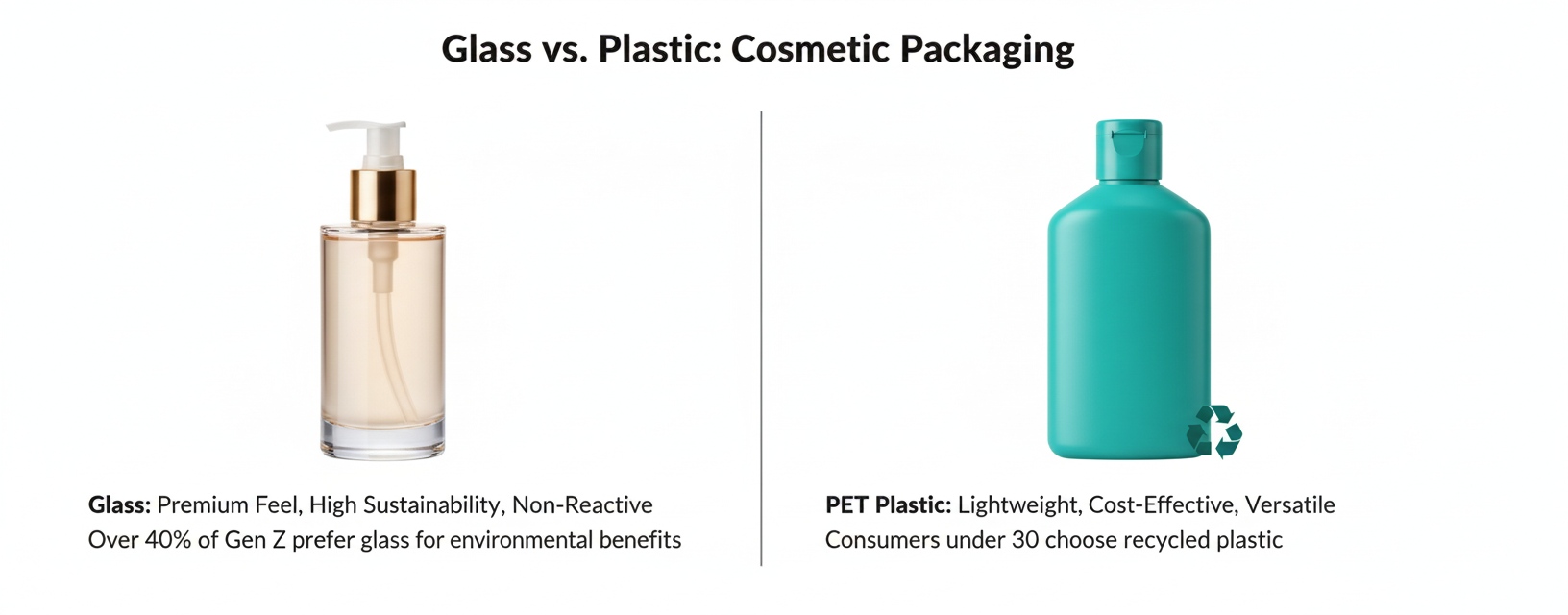
Glass Vs. Plastic Cosmetic Containers Packaging
A quick guide comparing glass and plastic options in cosmetic containers packaging—from sustainability to branding, and everything in between.
Glass Bottle Container
• Glass gives off that high-end vibe—think luxury skincare or niche perfumes. It’s heavy, yes, but that’s part of the charm.
• It’s endlessly recyclable without losing quality, so if you’re big on sustainability, this one’s a win.
• Consumers often associate glass with purity and prestige, making it a solid choice for upscale branding.
- Glass is non-reactive—perfect for formulas that don’t play well with plastics.
- It withstands heat better during manufacturing processes, though energy consumption is higher.
- Breakability? Yeah, that’s the trade-off—but many brands see it as worth it.
➤ Want a container that screams premium? Choose glass when your target audience values branding and marketing over portability.
Glass isn’t just about looks—it’s about eco-conscious messaging too. According to Euromonitor International’s 2024 report, “Over 40% of Gen Z consumers prefer glass packaging due to its perceived environmental benefits.”
Short bursts of insight:
- Heavier shipping weight affects your bottom line.
- Higher upfront costs but long-term brand value.
- Recyclable but needs more energy to produce.
- Often used by high-end beauty brands targeting conscious consumers.
Grouped breakdown:
Material Properties & Compatibility
- Inert material; won’t react with active ingredients
- Suitable for essential oils and serums
Cost Analysis & Transportation Impact
- Expensive to produce and ship
- Fragile during transit; may require extra packaging
Recycling & Sustainability
- Fully recyclable without degradation
- High carbon footprint during production
Naturally combining points:
You’re paying more upfront—for both the bottle and shipping—but gaining serious traction in the premium space. If your product includes sensitive formulas or botanical actives, glass has your back thanks to its stable material properties. Just know you’ll need extra protection during transport unless you like refunding broken bottles.
PET Plastic Material
• Lightweight as heck—perfect for travel kits or gym bags where dropping stuff is inevitable.
• PET plastic is tough, flexible, and cheaper across the board from production through distribution.
• Great choice if you’re aiming at mass-market appeal or launching multiple SKUs fast.
- Lower production costs make PET ideal for startups watching their margins.
- Easier compliance with global regulatory compliance standards thanks to standardized formats.
- Compatible with most formulations except those requiring airtight seals or UV protection.
Bonus: PET can be recycled too—just not infinitely like glass—but newer tech is improving this fast.
PET’s versatility makes it king in everyday beauty routines—from body lotions to shampoo bottles—and its durability reduces returns caused by damage-in-transit issues (a big deal in e-commerce).
Quick-fire insights:
– Won’t shatter = fewer customer complaints
– Comes in endless shapes/colors = stronger shelf presence
– Works well with pumps/sprays = functional flexibility
Multi-item grouped bullets:
Cost Analysis & Manufacturing Processes
- Lower cost per unit
- Faster mold turnover time
- Scales easily with demand spikes
Product Compatibility & Material Properties
- Safe for water-based products
- Can leach under extreme heat (watch out!)
- Not ideal for natural preservatives needing opaque barriers
Branding & Consumer Preference
| Feature | PET Plastic | Glass |
|---|---|---|
| Perceived Luxury | Moderate | High |
| Eco Appeal | Growing | Strong |
| Cost Efficiency | Very High | Low |
| Customization Flexibility | Excellent | Limited |
According to Mintel’s Global Beauty Packaging Report Q1 2024: “Consumers under age 30 are more likely to choose plastic-packaged cosmetics if they’re made from recycled materials.”
Final word? PET plastic nails affordability without sacrificing design flexibility—it’s not just cheap; it’s smart when used right in modern cosmetic containers packaging strategies aimed at broad audiences seeking convenience over prestige.
Fragile Jars? Upgrade To Shock-Resistant Containers
Say goodbye to shattered jars and hello to smart design. These upgrades bring toughness, style, and peace of mind to your cosmetic containers packaging.
Shock-Resistant Acrylic Polymer Substance for 50 ml Cream Jars
• Built for action: The acrylic polymer shell absorbs daily bumps without cracking.
• Light but mighty: Material strength doesn’t mean added weight—perfect for travel kits.
• Keeps it fresh: Airtight seal maintains formula integrity longer.
The impact resistance of this material is off the charts compared to glass or traditional plastics, making it ideal for active lifestyles and mobile users who need their skincare staples safe and sound.
Reinforced Aluminum Metal Component With Quality Control Inspection
- Precision-forged aluminum adds serious structural strength.
- Every unit undergoes dimensional checks using laser-guided QC systems.
- Surface coating resists corrosion and fingerprints over time.
According to Mintel’s Packaging Trends Report Q2/2024, “Durability has become a key purchase driver among beauty consumers aged 25–44.” That’s where Topfeelpack steps ahead—delivering not just looks but long-lasting performance with every jar.
Custom Mold Development for Tubular Container Style
☑ Unique silhouette options tailored for brand identity
☑ Ergonomic grip designs enhance user experience on-the-go
☑ Compatible with multiple dispensing mechanisms
These molds aren’t just about aesthetics—they’re about function too. Whether you’re launching a minimalist serum or an edgy balm stick, tubular shapes elevate your container design while keeping things practical during transit and storage.
Durability Comparison Table by Material Type
| Material Type | Drop Resistance Score (/10) | Weight Index | Avg Lifespan (Months) |
|---|---|---|---|
| Glass | 3 | High | 12 |
| PET Plastic | 5 | Medium | 10 |
| Acrylic Polymer | 9 | Low | 18 |
| Reinforced Aluminum | 10 | Medium | >24 |
This data shows how acrylics and aluminum outperform traditional materials when it comes to shock absorption, especially during shipping or shelf drops—key moments where fragile goods often fail.
Why Cushioning Materials Still Matter
Even with strong outer shells, interior protection counts:
- Inner cushioning materials help absorb micro-vibrations.
- Foam inserts protect sensitive formulas from temperature spikes.
- Flexible liners prevent internal pressure buildup during air transport.
Your product’s outer armor is only half the battle; inside support matters just as much for full-spectrum protection across the entire supply chain journey.
Protective Liners & Their Role in Impact Resistance
Short bursts of insight:
• Liners reduce direct shock transfer from lid-to-base contact.
• They also preserve airtightness post-drop impact.
• Without them? Even tough jars risk internal cracking under duress.
So while external materials grab the spotlight, don’t sleep on what’s inside your jar—it’s doing heavy lifting too when it comes to durability and product longevity.
How Transportation Affects Cosmetic Containers Packaging Safety
Grouped insights into real-world logistics:
Post time: Nov-12-2025
