
Bulk packaging isn’t just about saving a few bucks—it’s the difference between smooth scaling and constant fire drills. When supply slips, costs creep, and filling lines stall, packaging becomes the bottleneck nobody planned for.
Smart systems fix that—better materials, cleaner runs, less waste, and fewer headaches on the floor.
Reading Notes on Bulk Packaging Brilliance
➔ Material Selection: Choose HDPE, PET, glass, or aluminum based on product compatibility, barrier needs, and sustainability goals.
➔ Process Optimization: Streamline injection/blow molding and automated filling to cut cycle times, reduce waste, and boost throughput.
➔ Quality & Sustainability: Integrate inspection for PCR content, leak tests, and regulatory compliance while prioritizing recyclable or biodegradable formats.
➔ Flexibility & Storage: Adopt modular PET cases, refillable airless systems, and stackable jars to handle supply fluctuations and maximize warehouse efficiency.
3 Steps To Streamline Bulk Packaging Workflow
Bulk packaging sounds simple, yet real-world bulk pack operations can get messy fast. From picking the right containers to checking PCR content, every move affects speed and cost. If bulk packaging workflow feels stuck, tightening a few core areas can seriously upgrade your packaging process.
Step 1 — Selecting Containers and Closures for Large Batches
Choosing container types for bulk packaging starts with scale. HDPE for durability. PET for clarity. Glass for premium lines.
Key checks include:
- material selection aligned with formula stability
- matching closure options like pumps or caps
- confirming product compatibility with active ingredients
For large batch volume, look closer at:
- Neck finish alignment with dispensing systems
- Cap torque control for leak prevention
- Visual impact tied to packaging aesthetics
Bulk packaging isn’t just storage; it’s brand presence at scale.
Step 2 — Streamlining Injection Molding and Filling Processes
Efficient bulk packaging depends on tight control across molding techniques, filling machinery, and process automation.
- Tooling optimization reduces cycle time
- Smarter workflow management improves line balance
- Real-time monitoring boosts production efficiency
For higher throughput improvement, focus on:
- Equipment Layer
- Injection units calibrated for resin flow
- Blow systems tuned for wall thickness
- Filling Layer
- Automated nozzles synced with conveyor speed
- Sensors reducing overfill waste
- Control Layer
- Data tracking dashboards
- Preventive maintenance schedules
“Global packaging operations are accelerating automation investment to stabilize high-volume output,” noted McKinsey’s 2025 manufacturing outlook.
Step 3 — Implementing Quality Inspection with Recyclable PCR Materials
Sustainable bulk packaging needs solid quality assurance.
Checkpoints often include:
• material verification of post-consumer recycled content
• inspection methods for wall strength
• defect identification during compression tests
Reliable PCR material sourcing should link with:
1.Supplier audits
2.recyclability assessment documentation
3.Ongoing resin traceability
Strong inspection protects eco-claims and supports cleaner bulk packaging cycles. With verified sustainable practices, bulk packaging becomes both scalable and responsible.

Which Materials Suit Household Skincare Bulk Packaging?
Choosing materials for bulk packaging in household skincare is not just about cost. It’s about protection, shelf life, refill culture, and how the pack feels in someone’s hand at 7 a.m. Skincare bulk, smart packaging, and refill-ready bulk packaging solutions all shape buying decisions. Let’s break down what actually works.
Glass Bottles: UV Protection & Airless Systems
When sensitive serums meet air and light, formulas shift fast. That’s where Glass steps in.
- Core strengths of a Bottle system:
- High Barrier resistance
- Natural UV filter properties
- Premium feel for skincare bulk packaging
- Add an Airless pump to limit oxygen exposure.
- Pair it with a precision Dispenser for controlled dosage.
- Reduce contamination risk in daily Skincare use.
★ Ideal for vitamin C, retinol, and botanical blends.
According to McKinsey’s 2025 beauty packaging outlook:
“Airless and refill-compatible glass formats are gaining traction in premium skincare as brands respond to sustainability pressure and product stability concerns.”
For large-format bulk packaging, glass keeps formulas steady while supporting refill loops. Topfeelpack develops customized airless glass systems designed for repeat-use household packaging needs.
HDPE Plastic Jars with Refillable Pumps
For family-size creams and masks, HDPE makes sense.
- Why brands pick this Plastic Jar option:
- Impact-resistant
- Lightweight for shipping
- Widely recyclable
Nested functionality matters:
- Container system
- Outer container shell ensures durability
- Inner refill pod
- Snap-fit lock
- Hygienic Pump head
Quick refill flow: open → swap core → reseal → pump.
This setup reduces waste while keeping bulk packaging practical. It also lowers freight weight, which helps large-scale bulk distribution stay cost-efficient.
Aluminum Tubes featuring Tamper-Evident Seals
If protection is top priority, Aluminum Tube formats stand out.
- Material advantages:
- Total light and air barrier
- High protection for actives
- Fully metal and recyclable
Layered safety approach:
- Tube body:Collapsible Squeeze control
- Neck finish:Tamper-evident Seal, Break confirmation, Freshness assurance
For dense balms and ointments in bulk packaging, aluminum keeps exposure minimal. It’s simple, tough, and trusted.
Paperboard Containers with Biodegradable Liners
Sustainability-driven households often lean toward fiber-based Paperboard Container designs.
- Structure overview:
- Outer Fiber shell
- Inner Biodegradable Liner
- Moisture resistance
- Compostable layer
Best suited for:
- Dry cleansers
- Powder masks
- Semi-solid bars
Eco-friendly doesn’t mean flimsy. With proper liner pairing, Sustainable and Compostable solutions can handle light-duty bulk packaging needs while cutting plastic use.
From glass to HDPE, from Aluminum to Paperboard, the right bulk packaging choice depends on formula, refill strategy, and user habits. Smart material pairing keeps skincare fresh—and keeps customers coming back.
Simplified Bulk Packaging Solutions
Inventory swings can throw off even seasoned skincare brands. When bulk packaging plans fall apart, costs rise and storage gets messy. Smart bulk, packaging, and bulk pack systems help stabilize supply, protect formulas, and keep warehouses running smoothly without the daily scramble.
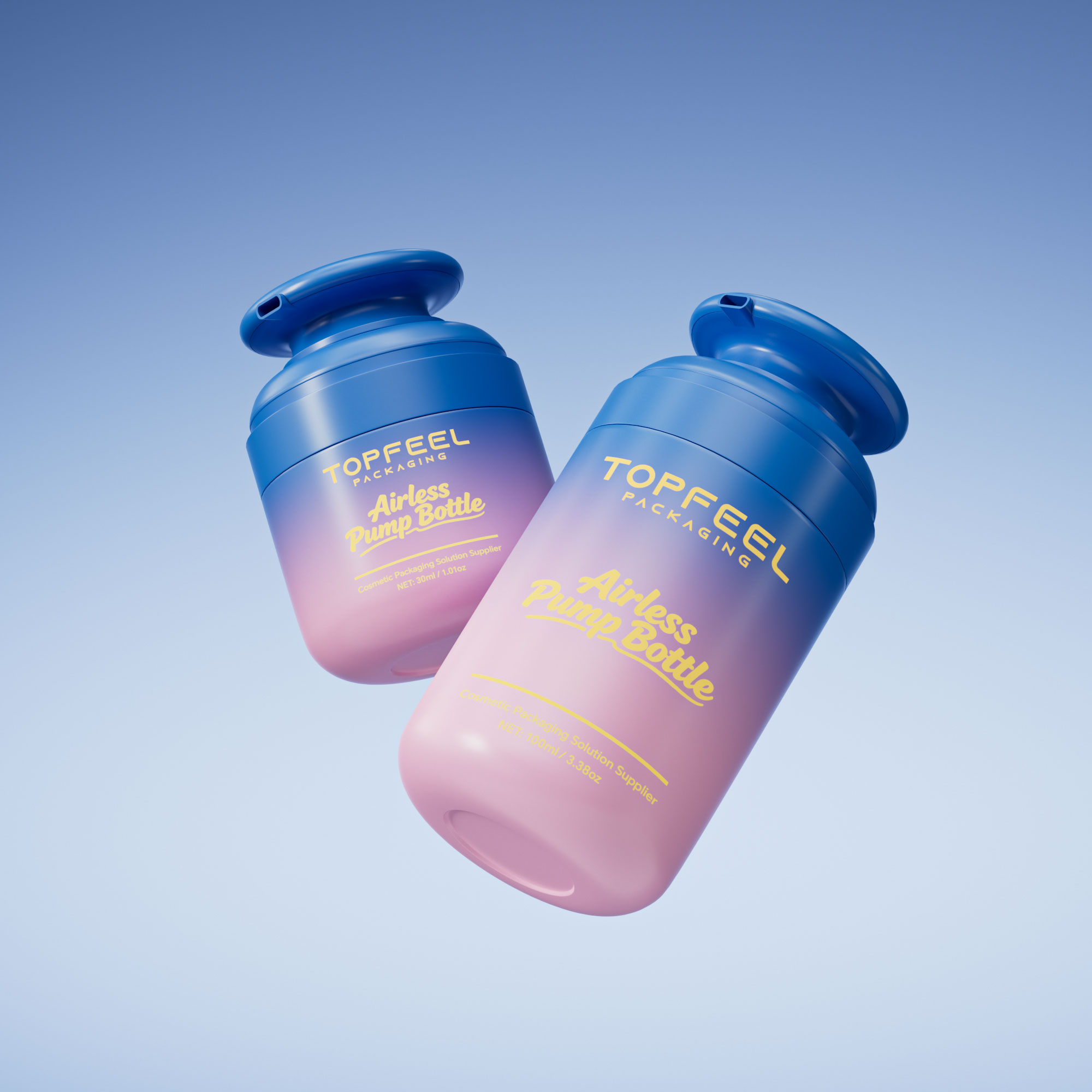
Transition to Refillable Airless Bottles
Running low too often? Switch the mindset from constant refill orders to refillable airless bottles built for smart bulk packaging.
- refillable systems reduce emergency reorders
- airless dispensing protects each skincare product
- durable packaging improves long-term cost control
- Assess current bulk packaging turnover rates.
- Match bottle capacity with forecasted sales cycles.
- Redesign outer packaging for refill pod integration.
In daily operations, controlled dispensing minimizes waste. Less oxidation. Fewer returns. Cleaner storage.
For brands working with large-volume bulk packs, a nested approach works well:
- Primary Layer
- airless bottles
- refill cartridges
- airless bottles
- Secondary Layer
- transport-safe outer containers
- labeled storage trays
Topfeelpack supports custom refillable formats that align with scalable bulk packaging programs, helping teams breathe easier when shelves start looking thin.
Inconsistent Supply
Supply hiccups happen. That’s where recyclable PET modular cases shine in a flexible bulk packaging strategy.
“Sustainable packaging demand continues accelerating in 2025, with modular PET formats improving supply resilience,” notes Smithers’ 2025 packaging industry outlook.
Performance comparison in bulk pack storage:
| Material | Load Capacity (kg) | Reuse Cycles | Recycling Rate (%) |
|---|---|---|---|
| PET modular cases | 25 | 50+ | 90 |
| Corrugated cartons | 15 | 5–7 | 70 |
| HDPE crates | 30 | 60 | 65 |
Key structure for adaptable bulk packaging:
- Core components
- interlocking modular frames
- replaceable panels
- Storage benefits
- efficient storage stacking
- simplified inventory counts
- Sustainability gains
- high recyclable content
- reduced secondary packaging waste
Post time: Jun-04-2026
