
Start with the formula, then choose the deodorant stick packaging
For a solid deodorant project, the best starting point is not a container shape. It is a short formula-and-process brief: how firm the stick is across its expected temperature range, how it will be filled, how much product the consumer should dispense, and what must happen when the mechanism is turned or pushed. Those answers help a brand narrow the available deodorant stick packaging formats before it requests samples.
An empty deodorant stick package is a system, not just a body. The cap, cup or platform, internal drive, base and body all affect dispensing, handling and the questions that need to be answered during sampling. Ask a supplier to identify the components and intended operating sequence before treating two similar-looking packs as interchangeable.
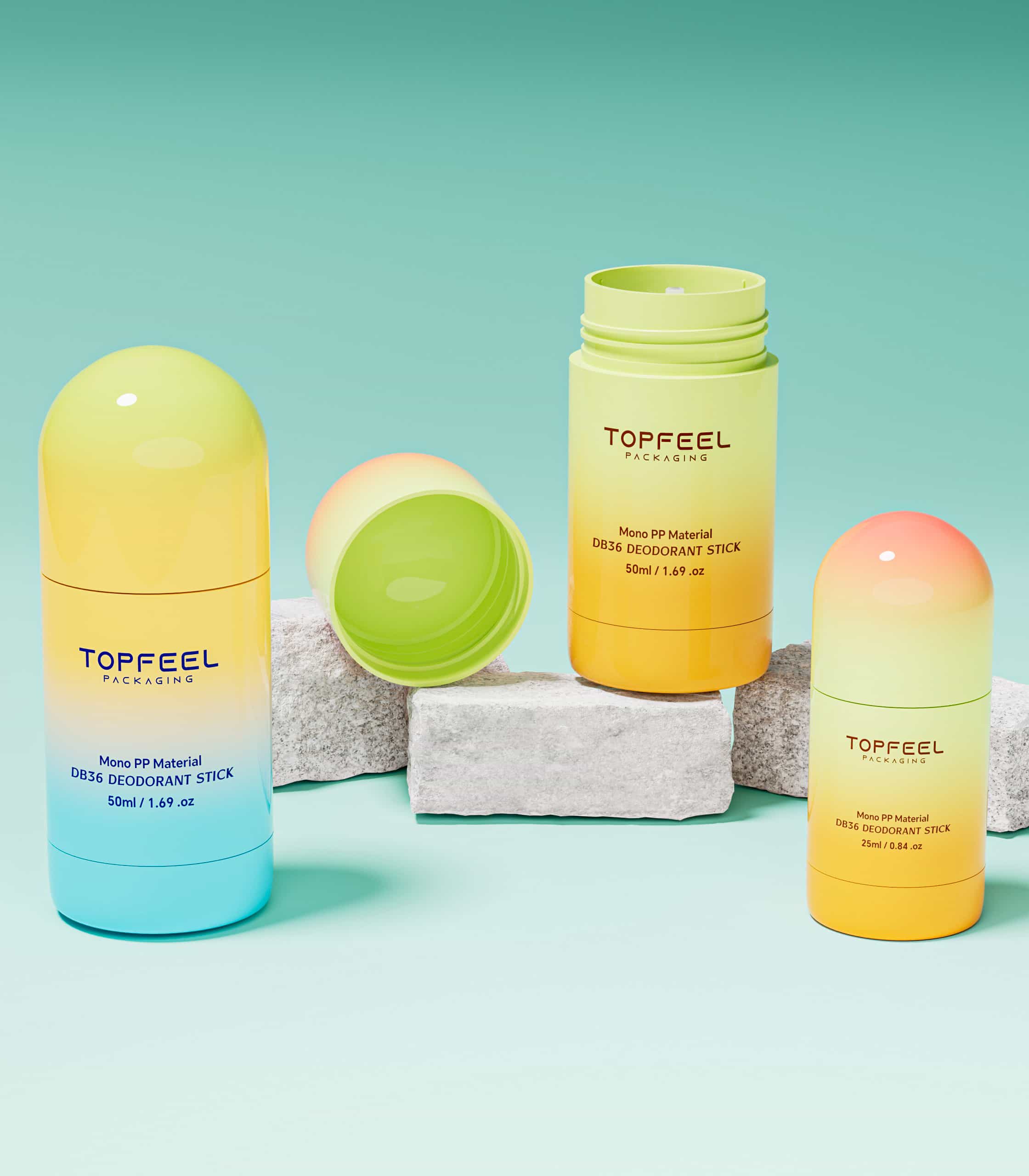
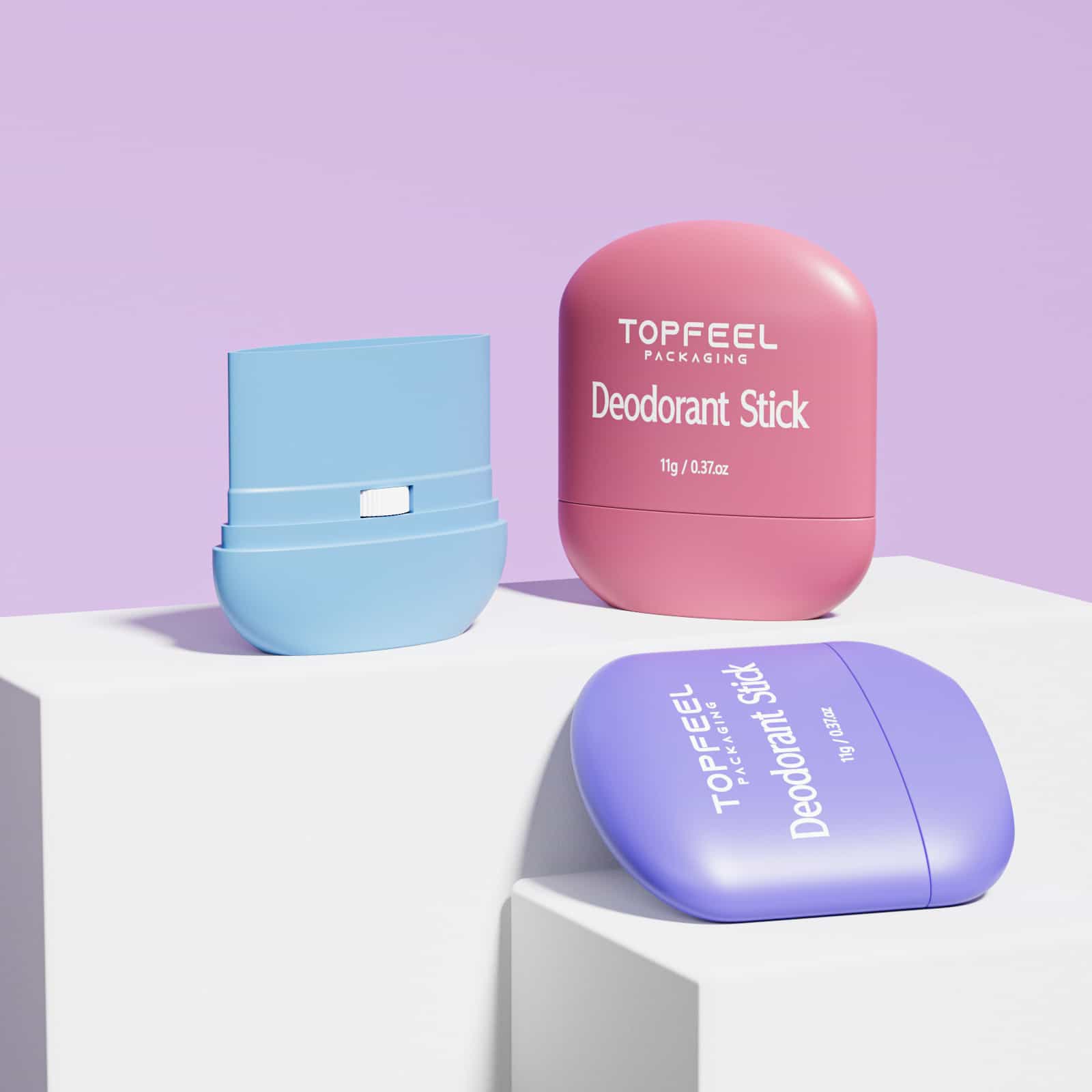
1. Define the product and launch conditions first
Give the packaging team a usable project brief before asking for a quotation. At minimum, record:
- formula type and whether it is a deodorant, antiperspirant, balm, sun-care stick, or another solid cosmetic;
- target net content and desired finished stick dimensions;
- expected filling method and fill temperature range, confirmed by the formula and filling teams;
- target sales markets and transport or storage conditions to be considered in validation;
- desired consumer action: twist, push, retract, or another mechanism;
- decoration, label and artwork constraints; and
- whether the project needs a refill concept, without assuming that refillability alone proves a sustainability or regulatory outcome.
This is not a substitute for formulation, safety or regulatory review. It gives the packaging supplier the context needed to propose a suitable sampling route and tells the brand which assumptions still need to be tested.
2. Match the dispensing format to the formula and user experience
The question is not simply whether a pack can hold a solid formula. It is whether the formula, filling route and dispensing mechanism work together through production, transit and normal use.
| Decision area | What the brand should define | What to ask during sampling |
|---|---|---|
| Dispensing action | How far the product should advance and how much control the user needs | Does the mechanism advance in usable increments for the intended product? |
| Product return or retraction | Whether the stick must return into the pack after use | Can the intended mechanism perform this action consistently with the filled product? |
| Product support | How the formula is held at the top of the pack | Is the cup or platform appropriate for the proposed fill and use sequence? |
| Filling route | The confirmed filling conditions and equipment constraints | Which sample and production checks are needed before commercial filling? |
| Consumer handling | Cap removal, grip, orientation and application | Does the pack remain practical when opened, closed and carried as intended? |
Do not turn these questions into unverified performance claims. The correct result is a test plan and an agreed acceptance process, not an assumption based on an unfilled component.
3. Set size, shape and target fill before comparing quotations
Capacity labels alone do not complete a packaging specification. Before suppliers quote comparable options, define the target net content, desired stick height and diameter or profile, and the amount of clearance needed for the product and cap. If a brand is comparing round, oval or other profiles, it should evaluate both the user grip and the usable product surface—not only the appearance in a render.
Ask each supplier to state exactly what its quotation refers to: the empty component set, decoration, tooling, assembled sample, or another scope. This keeps design options from being compared as if they contained the same components and services.
4. Evaluate the pack as a component system
For supplier qualification, request a component map. It should show the cap, outer body, moving parts, product-contact platform or cup, and base or drive components. The map makes it easier to manage artwork, material questions, replacement parts and future change control.
For example, a product page may show a particular size or material description, but that does not automatically establish suitability for a new formula. Topfeelpack's empty deodorant container category is a useful starting point for reviewing formats; final selection should still follow sample evaluation for the actual project.
5. Build a pre-fill compatibility and transit-test plan
The most useful supplier conversation before sampling is about what will be evaluated, by whom and against which acceptance criteria. A practical plan can include the following checkpoints:
- Review the unfilled package for assembly, cap fit and mechanism operation.
- Fill representative samples using the agreed development method.
- Check dispensing, product appearance and any intended retraction after conditioning at project-relevant conditions.
- Review closed-pack handling and transit exposure appropriate to the intended distribution route.
- Record observations, failures and the next sample revision in writing.
The formula owner, filler and packaging supplier may each control different parts of this process. Assign responsibilities before a sample is treated as approved.
6. Questions to ask a deodorant stick packaging supplier before sampling
Use these questions to make the first request more actionable:
- Which components are included in the proposed empty deodorant stick packaging?
- What product information is needed to select a sample route?
- Which dispensing action is the package designed to provide?
- What must the brand confirm about its filling process before trials?
- Which dimensions and net-content assumptions are built into the quotation?
- What test samples, drawings or approval records can the supplier provide?
- How will decoration, tooling or component changes be communicated and approved?
- Which information should the brand provide if it is assessing a refill concept?
For a broader pre-sampling supplier review, see the Cosmetic Packaging Supplier Checklist.
A procurement checklist before requesting samples
- Formula and target use are described in writing.
- Target net content and preferred package profile are agreed internally.
- Filling assumptions are reviewed with the responsible technical team.
- Component scope is clear in each quotation.
- The proposed dispensing action matches the intended consumer experience.
- A sample-evaluation plan and approval owner are assigned.
- Any sustainability, recyclability or regulatory statement is reserved for evidence-based review in the relevant market.
Ready to compare deodorant stick packaging options?
Share your formula type, target fill weight, intended filling route and preferred dispensing experience. Topfeelpack can help start the discussion around an appropriate deodorant stick packaging sampling route.
External sources for editor verification
- U.S. Food and Drug Administration, Cosmetics: Good Manufacturing Practice (GMP) Guidelines/Inspection Checklist: https://www.fda.gov/cosmetics/cosmetics-guidance-regulation/cosmetics-good-manufacturing-practice-gmp-guidelinesinspection-checklist
- U.S. Food and Drug Administration, Modernization of Cosmetics Regulation Act of 2022 (MoCRA): https://www.fda.gov/cosmetics/cosmetics-laws-regulations/modernization-cosmetics-regulation-act-2022-mocra
Post time: Aug-06-2026
