
When beauty brands talk about sustainable packaging, the first question is often: “Which material is the most recyclable?”
The answer is more complicated than choosing plastic, glass, aluminum, or paper.
Packaging recyclability depends not only on the primary material, but also on the complete packaging structure, component compatibility, decoration, additives, product residue, sorting technology, recycling infrastructure, and the market where the packaging is sold.
This distinction is becoming increasingly important for cosmetic brands. The EU Packaging and Packaging Waste Regulation (PPWR), for example, is moving the industry toward a broader definition of recyclability that considers whether packaging is designed for material recycling and whether it can actually be collected, sorted and recycled at scale.
For beauty brands developing bottles, tubes, jars, deodorant sticks, airless packaging or refill systems, understanding the relationship between material selection and recyclability is therefore an important part of packaging development.
What Does Packaging Recyclability Actually Mean?
Recyclability is not simply the same as “made from a recyclable material.”
A package can be made from a theoretically recyclable material but still have limited practical recyclability because the finished package may:
- contain incompatible materials;
- be too small for local sorting systems;
- use pigments or coatings that interfere with identification;
- contain permanent metal components;
- use barrier layers that complicate recycling;
- be difficult to empty; or
- lack a suitable collection and recycling stream in the destination market.
The EU PPWR provides a useful example of this broader approach. Under the regulation, packaging recyclability is connected to design for material recycling, separate collection and sorting, and recycling at scale.
This means packaging teams need to evaluate the whole package, rather than looking at one material label.
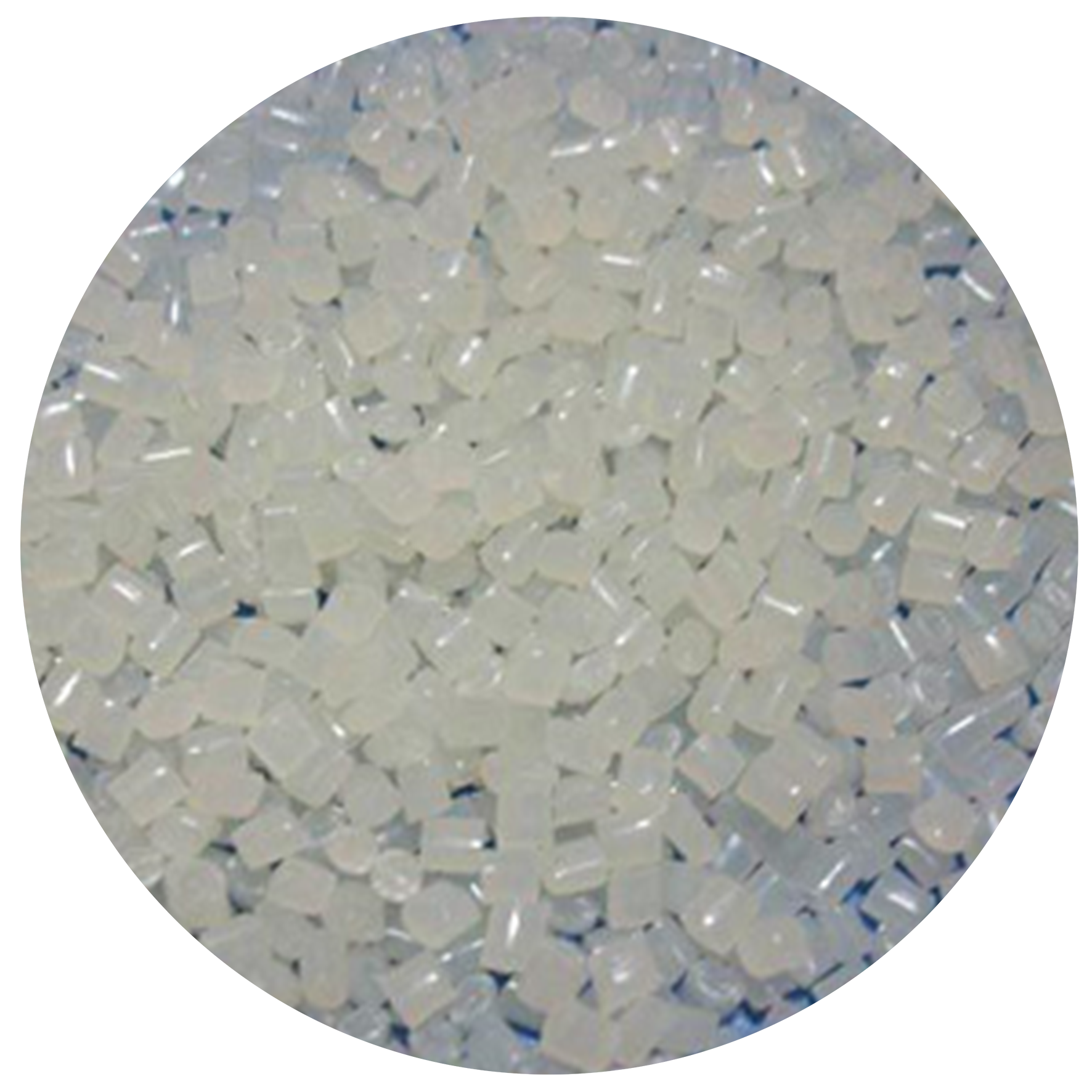
PET
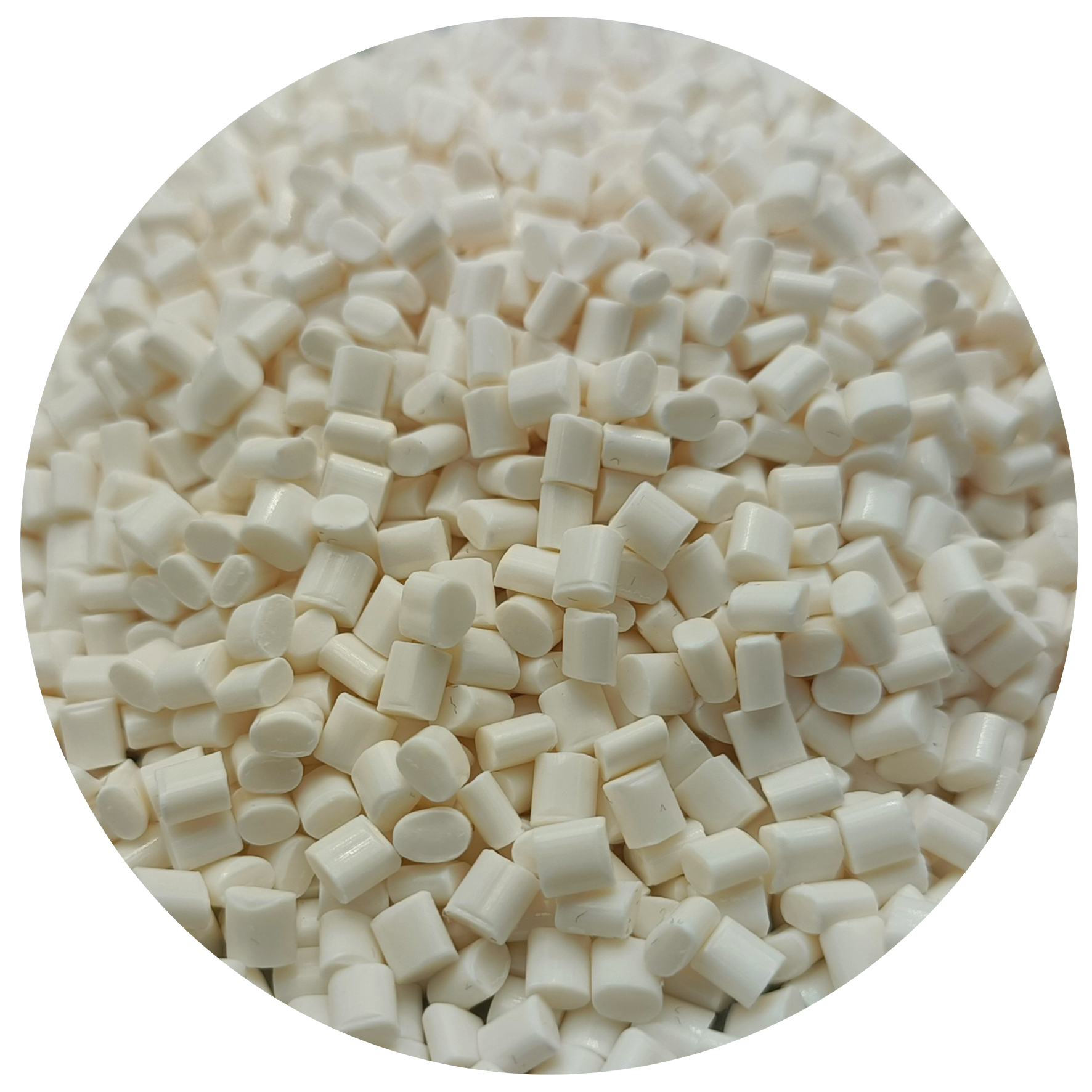
ABS
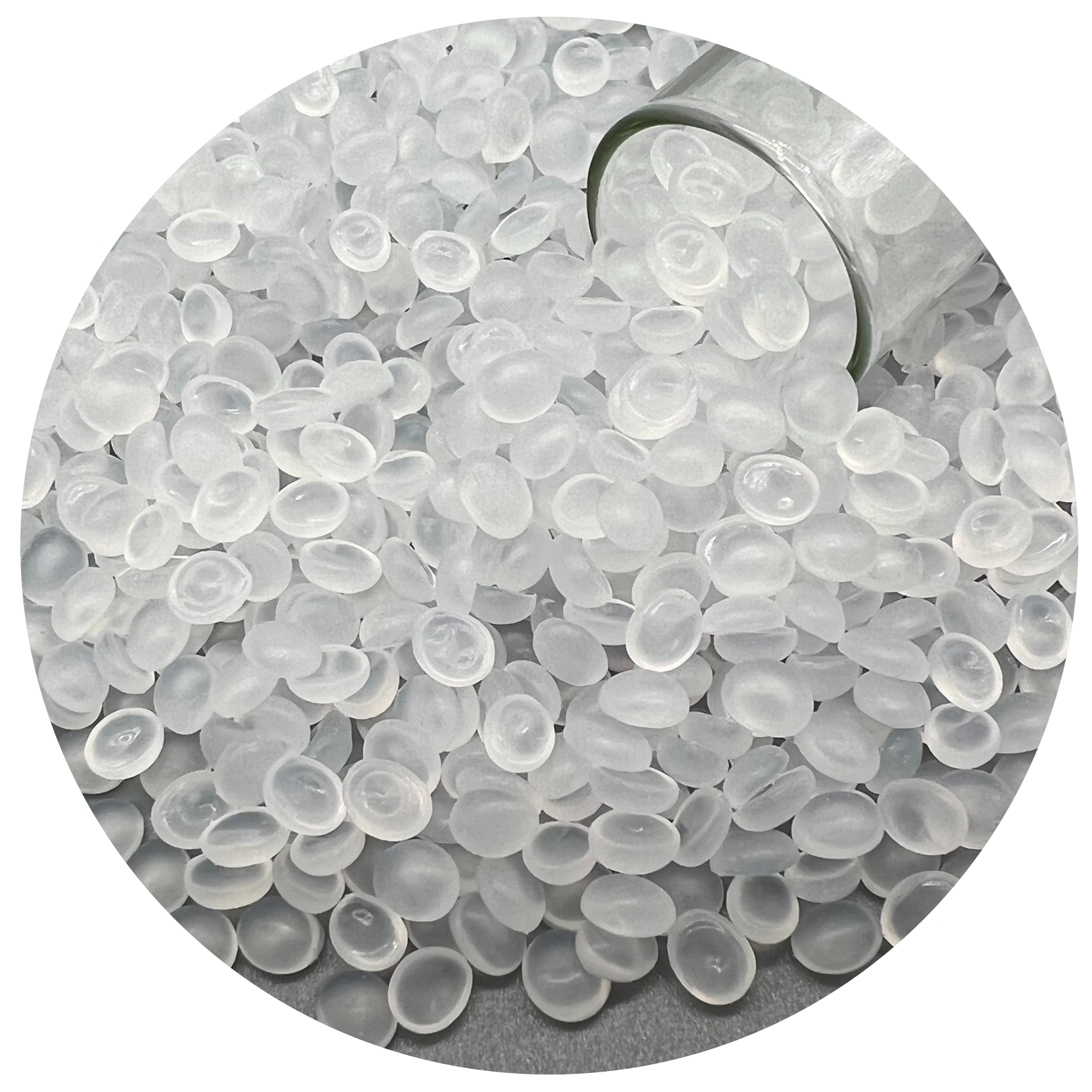
PP
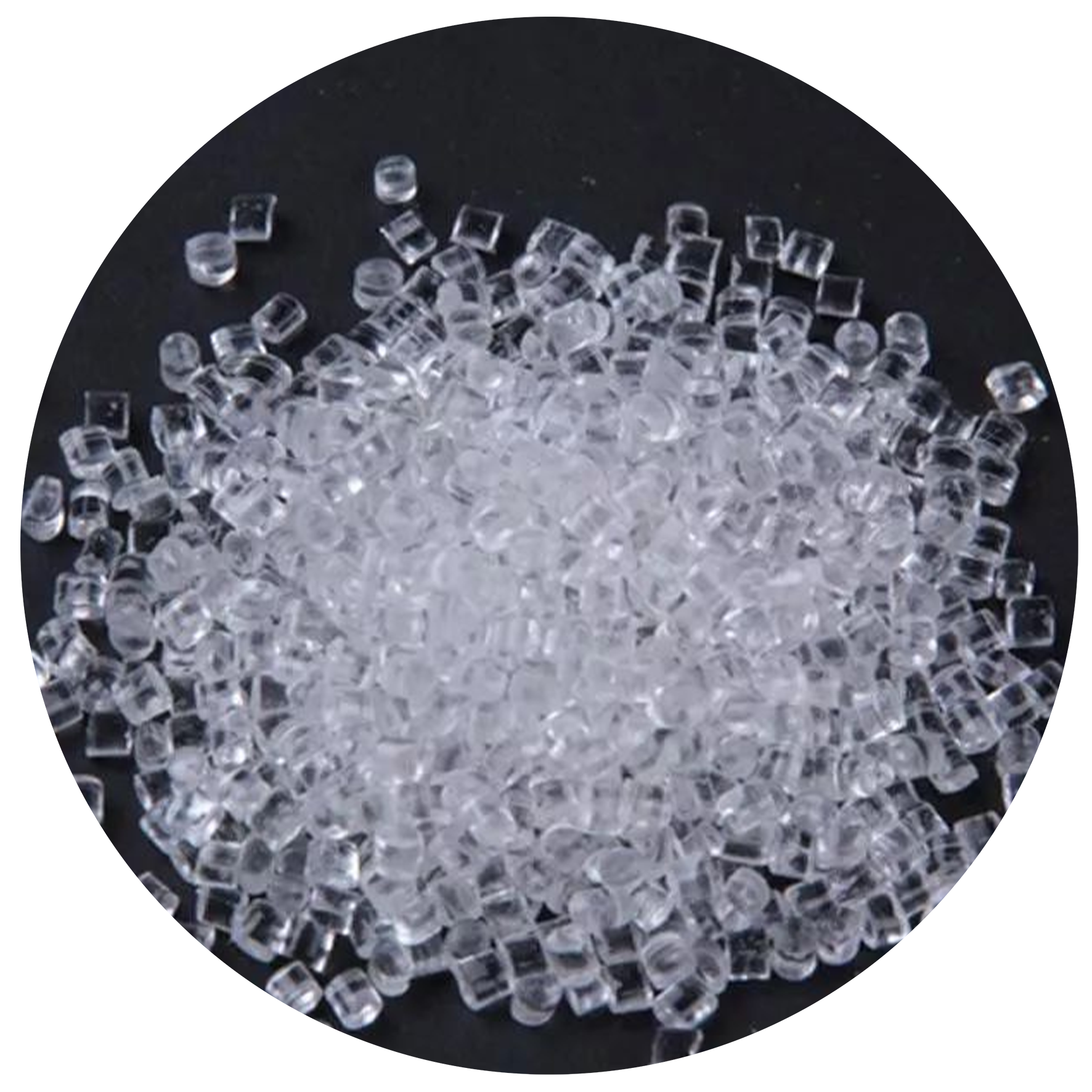
AS
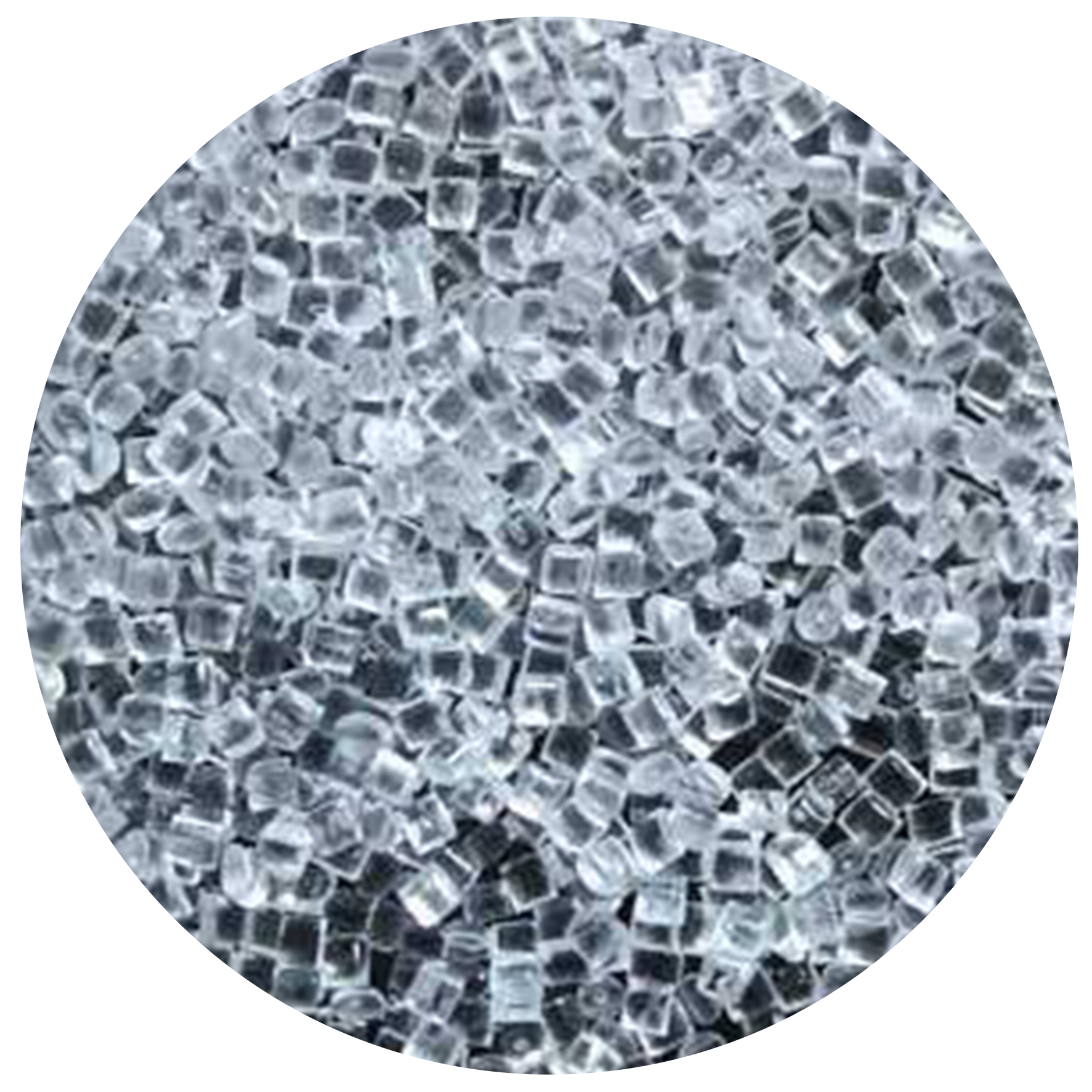
PETG
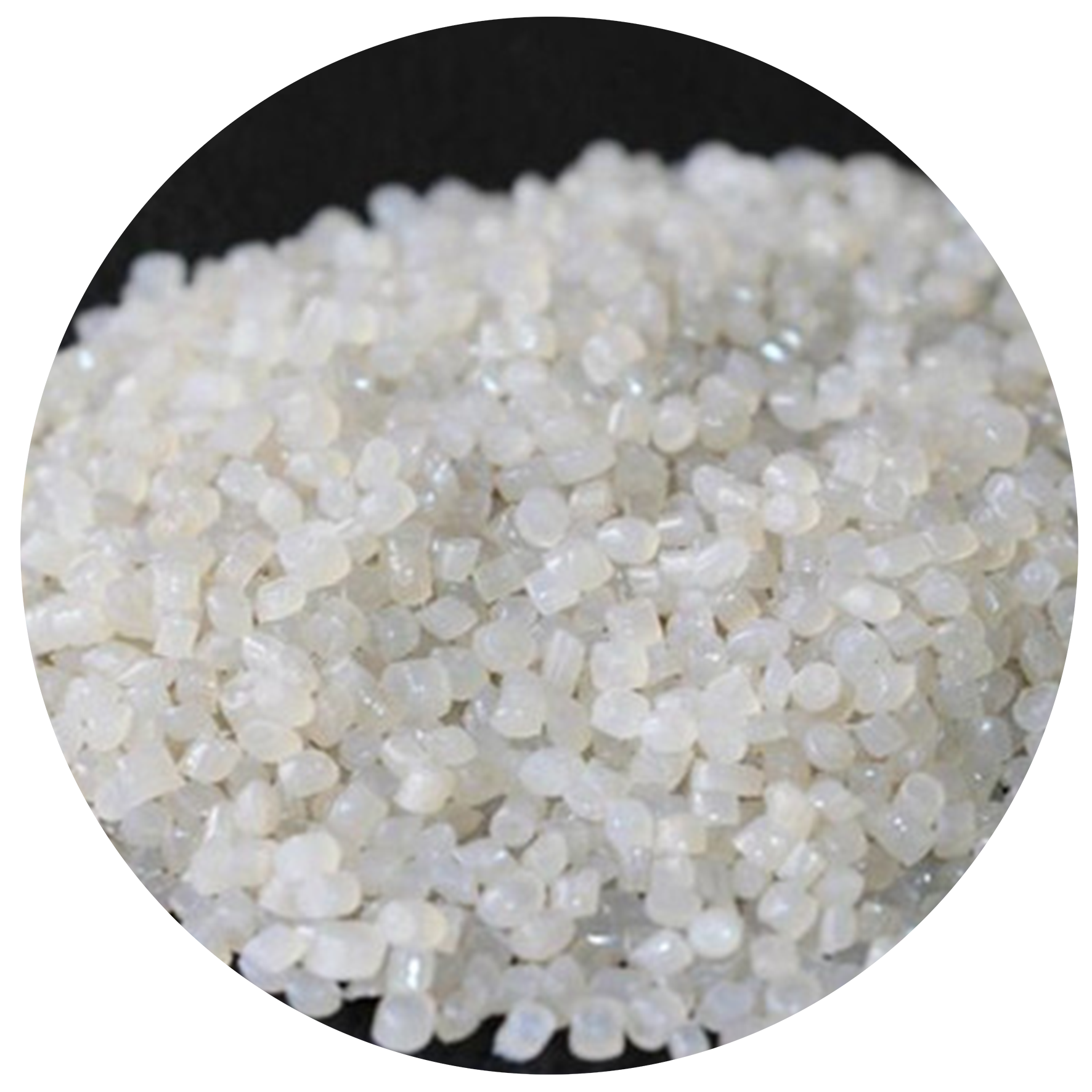
PE
1. Why Packaging Material Matters
Different materials behave differently during collection, sorting and reprocessing.
For cosmetic packaging, commonly used materials include:
Plastic
Plastics such as PET, PE and PP are widely used because they are lightweight, durable, moldable and compatible with many cosmetic applications.
However, recyclability differs significantly by resin type and package design.
For example, a simple PET bottle may fit an established PET recycling stream, while a package made from several plastic families may require additional separation or may not be accepted by a particular recycling system.
For this reason, material consistency can be an important design advantage.
Mono-material packaging attempts to use one main material family across the packaging structure. In cosmetic packaging, this may mean an all-PP or predominantly PE structure rather than combining several incompatible polymers.
Glass
Glass is widely recycled in many markets and is often associated with premium beauty packaging.
However, a cosmetic glass package is rarely “glass only.”
A serum bottle, for example, may also include:
- a pump;
- plastic actuator;
- metal spring;
- silicone gasket;
- decorative coating;
- label;
- adhesive.
The recyclability of the complete package therefore depends on how these components interact with the relevant collection and recycling system.
Glass can also be significantly heavier than many plastic alternatives, which means recyclability should not automatically be treated as the only sustainability criterion.
Aluminum
Aluminum is widely used in cosmetic tubes, aerosol containers, jars and premium packaging and has an established recycling value in many markets.
However, an aluminum cosmetic tube may include internal coatings, liners, closures, plastic components or decorative layers.
Again, the question is not simply:
“Is aluminum recyclable?”
The better question is:
“Can this specific finished aluminum package enter an appropriate recycling stream and be effectively processed?”
Paper and Paperboard
Paper and paperboard can be highly useful for secondary packaging reduction, but coatings, laminations, plastic films, metalized layers and other treatments can affect fiber recovery.
A paper carton with minimal treatment is fundamentally different from a paper-based structure that combines multiple permanent layers.
This is why material simplification should be evaluated at the package-system level.
2. Mono-Material Packaging Can Simplify Recycling Design
One of the most important trends in cosmetic packaging is the development of mono-material structures.
The basic concept is simple:
Use one material family wherever practical, while maintaining the required function.
For example, a packaging system designed predominantly around PP may be easier to evaluate within PP recycling infrastructure than a structure combining PP, ABS, PETG, metal and other materials.
This does not mean that every mono-material package is automatically recyclable.
Instead, mono-material design can remove one important source of complexity: material incompatibility.
Topfeelpack offers mono-PP airless packaging solutions for skincare applications.
When evaluating a mono-material package, brands should still examine:
- Bottle or tube body
- Pump mechanism
- Cap
- Piston or inner components
- Gaskets and seals
- Labels
- Printing and decoration
- Metallic effects
- Adhesives
- Remaining product after use
A “mono-material body” is not necessarily the same thing as a mono-material finished package.
3. Multi-Material Packaging Can Create Additional Recycling Challenges
Multi-material packaging is not automatically bad.
In many cosmetic applications, different materials exist for legitimate technical reasons.
A barrier layer may protect a formula from oxygen or moisture.
A metal component may provide mechanical strength.
A plastic component may improve dispensing performance.
A decorative layer may create the required visual appearance.
The problem occurs when these components become difficult to separate or prevent the packaging from entering an appropriate recycling stream.
This issue is especially relevant to laminated tubes.
Colgate-Palmolive provides a well-known example from the personal-care packaging sector. The company developed an HDPE toothpaste tube and worked with the Association of Plastic Recyclers to establish recyclability recognition. Traditional toothpaste tubes commonly used mixed-material laminate structures, while the newer design was developed around HDPE and tested against recycling requirements.
The important lesson for cosmetic brands is not simply “use HDPE.”
The lesson is:
Packaging structure must be engineered around the intended recycling stream.
4. Color, Pigments and Decoration Can Affect Recyclability
Packaging design does not stop at resin selection.
Colorants, coatings and decoration can also influence recyclability.
For example, some highly pigmented or carbon-black packaging formats can create challenges for optical sorting technologies because sorting equipment may have difficulty detecting certain colors.
The Ellen MacArthur Foundation's cosmetics-sector analysis reported that participating companies were working to reduce materials and additives that could interfere with recycling, including PETG in certain rigid formats and undetectable carbon black.
This means beauty brands should consider sustainability during the artwork and decoration stage rather than adding it after the packaging structure has already been finalized.
Possible design questions include:
- Can a metallic effect be achieved without a permanent metal component?
- Can the label coverage be minimized?
- Is the adhesive compatible with the intended recycling process?
- Can the package use a color that is easier for sorting equipment to detect?
- Can printing be applied directly to the packaging without introducing problematic layers?
Sustainable packaging design is therefore partly a graphic design decision as well as an engineering decision.
5. Packaging Size Also Matters
A theoretically recyclable package may still have practical limitations if it is too small for a specific collection and sorting system.
This is particularly relevant to beauty products such as:
- sample containers;
- travel-size packages;
- lip products;
- eye-care packaging;
- small stick containers;
- miniature jars.
The smaller the component, the more important it becomes to understand the actual sorting infrastructure.
This is one reason brands should avoid making broad claims such as:
“This package is recyclable everywhere.”
A more technically responsible approach is to define the intended market and recycling pathway first.
5. Product Residue Is Another Part of the Equation
Cosmetic packaging is different from empty beverage packaging because it frequently contains creams, oils, makeup, sunscreen, or other viscous products.
Packaging needs to allow consumers to empty as much product as reasonably possible.
For this reason, packaging design and product waste cannot always be separated.
Airless packaging is one example where dispensing performance can become part of the sustainability discussion.
Topfeelpack offers airless packaging solutions for skincare applications, including PCR and refillable formats.
The sustainability question should therefore include both:
How is the package recycled?
and
How effectively is the product inside used?
6. Local Recycling Infrastructure Is Just as Important as Material Selection
There is no single global recycling system.
A material accepted in one market may have limited collection or processing infrastructure in another.
This matters especially for international beauty brands selling the same SKU across Europe, North America, Asia and other markets.
For global packaging development, brands should ask:
Where will this package be sold?
Which material stream is available in those markets?
Can the package be sorted?
Can recyclers process it at commercial scale?
The OECD's Global Plastics Outlook illustrates the broader challenge. Globally, only about 9% of plastic waste was ultimately recycled in 2019, after accounting for losses during recycling. This is a global plastics-system indicator, not a cosmetic-packaging-specific recycling rate.
Its significance for beauty brands is that designing recyclable packaging does not guarantee that the package will actually be recycled unless the necessary collection, sorting and recycling infrastructure exists.
7. What PPWR Means for Cosmetic Packaging Development
For beauty brands selling in Europe, this issue is becoming even more important.
Regulation (EU) 2025/40 entered into force on February 11, 2025, and its general application began on August 12, 2026. The regulation establishes a framework that will progressively tighten packaging recyclability requirements.
Under Article 6, packaging recyclability is expressed through performance grades A, B and C. From 2030, the framework moves toward design-for-recycling assessment. From 2035, recycled-at-scale considerations are introduced, and from 2038 only higher recyclability grades remain eligible under the regulation's framework.
This creates an important shift in the packaging conversation.
The question is no longer only:
“Is this material recyclable?”
Instead, brands increasingly need to ask:
“Is the complete package designed so that it can realistically be collected, sorted and recycled within the applicable system?”
8. A Practical Checklist for Choosing Recyclable Cosmetic Packaging
When developing a new package, procurement and R&D teams can use the following checklist.
Material
Is the primary material clearly identified?
Structure
Are incompatible materials permanently combined?
Components
Can caps, pumps, seals and other functional parts affect the recycling pathway?
Decoration
Could pigments, metallization, coatings, labels or adhesives interfere with sorting or recycling?
Emptying
Can consumers efficiently use the product inside?
Collection
Is the packaging accepted by a collection system in the target market?
Sorting
Can the package be correctly identified and sorted?
Recycling
Is there a practical recycling route at commercial scale?
Documentation
Can the supplier provide material and component information to support sustainability and regulatory assessment?
How Topfeelpack Approaches Recyclable Cosmetic Packaging
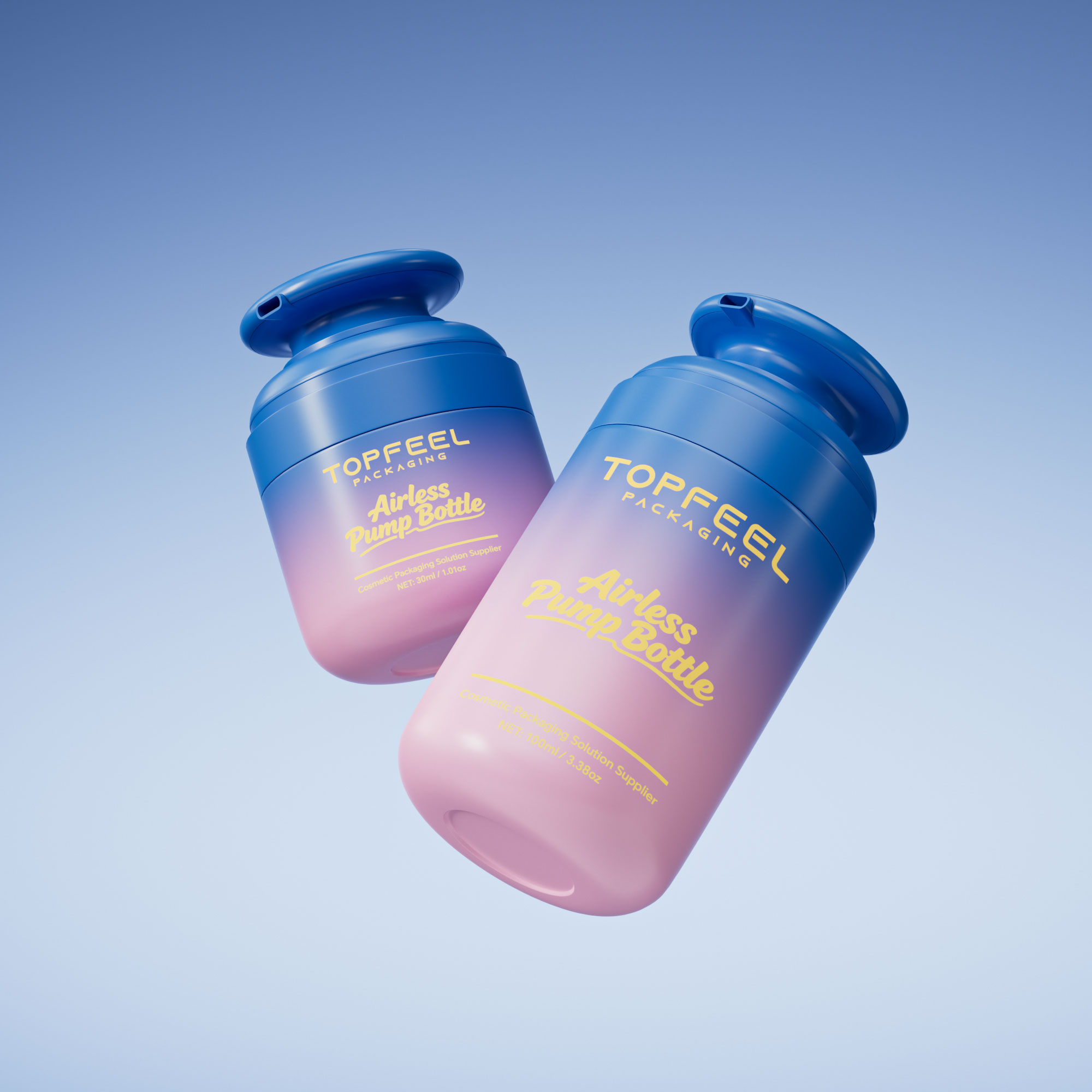
At Topfeelpack, packaging sustainability is approached as a combination of material selection, structural design, functionality and application requirements.
Our packaging portfolio includes mono-material concepts, PCR packaging, refillable packaging and airless formats for beauty and personal-care applications.
Relevant solutions include:
The specific recyclability outcome of a finished package should always be evaluated according to its complete configuration and target market rather than based solely on a product name such as “PP,” “PCR,” or “mono-material.”

Final Takeaway
Packaging material has a major influence on recyclability, but material alone does not determine recyclability.
A truly thoughtful cosmetic packaging strategy considers the complete system:
Material → Structure → Components → Decoration → Product Protection → Consumer Use → Collection → Sorting → Recycling
Mono-material packaging can simplify material compatibility. PCR can introduce recycled feedstock into new packaging. Refillable systems can extend packaging use. Lightweighting can reduce material consumption.
But each solution addresses a different part of the sustainability challenge.
For beauty brands, the goal should not simply be to select the material with the strongest sustainability marketing message.
The goal should be to develop a package that performs well, uses resources efficiently and has a credible end-of-life pathway in the markets where it is sold.
Frequently Asked Questions
Is mono-material packaging always recyclable?
No. Mono-material construction can simplify material compatibility, but actual recyclability still depends on the complete package, decoration, collection, sorting and recycling infrastructure.
Is PCR plastic the same as recyclable plastic?
No. PCR describes the origin of the material—it means post-consumer recycled material. Recyclability describes what happens to the finished packaging after use. A package can contain PCR material and still require careful recyclability assessment.
Which cosmetic packaging material is the most recyclable?
There is no universal answer. PET, HDPE, PP, glass and aluminum can all have established recycling pathways, but performance depends on the specific package design and local infrastructure.
Does PP packaging automatically comply with PPWR?
No. Material selection alone does not establish PPWR compliance. The complete packaging unit must be assessed against the applicable regulatory requirements and methodologies.
What should brands ask a cosmetic packaging supplier?
Ask for the complete material structure, component materials, decoration specifications, PCR information, testing or recyclability evidence where available, and information about the intended recycling stream.
Regulatory note: This article provides packaging-development information, not legal advice. PPWR requirements, delegated acts, implementing acts and national enforcement arrangements should be reviewed for the specific market and packaging configuration.
Post time: Sep-17-2026
