
Innovative cosmetic packaging formats observed in August 2026 beauty launches included metal roller-tip tubes, twist-up sticks, dual-ended packs, grinding balm jars, syringe-style ampoules, fine-mist pumps, and controlled-dose dispensers. Across new-arrival listings from Sephora US, OLIVE YOUNG Global, Adore Beauty Australia, and Cult Beauty UK, packaging increasingly helped communicate precision, portability, sensorial application, or professional performance.
This article is a monthly retail snapshot by Topfeelpack, not a forecast for the whole of 2026. It examines packaging structures recorded in 80 makeup, skincare, body-care, and hair-care product entries across four retail platforms during August 2026. The examples indicate formats worth evaluating, but they do not prove total market share or long-term consumer demand.
What Did the August 2026 Retail Snapshot Cover?
The sample covered new beauty-product listings from four markets:
- United States: Sephora
- Korea: OLIVE YOUNG Global
- Australia: Adore Beauty
- United Kingdom: Cult Beauty
The packaging observations were coded from the product descriptions and pack structures shown in the August 2026 new-arrival report. Recurring product messages included long-wear makeup, PDRN and barrier care, cooling or watery textures, face-grade body care, scalp treatments, and hair-bond repair.
For packaging buyers, the important point is not simply that a pack looks different. Each format changes how the formula is filled, protected, dispensed, applied, tested, decorated, transported, and eventually handled by the user.
Seven Cosmetic Packaging and Applicator Formats to Evaluate
| Packaging format | Observed application | Main buyer opportunity | Priority validation |
|---|---|---|---|
| Metal roller-tip tube | Plumping or treatment lip gloss | Cooling, targeted application | Ball movement, leakage, formula viscosity |
| Twist-up stick | Lip color, highlighter, sunscreen, hair styling | Portable and touch-free application | Pay-off, retraction, heat stability |
| Dual-ended pack | Two-finish lip product | Multiple functions in one SKU | Chamber sealing, balance, applicator compatibility |
| Grinding balm jar | Solid cleanser or balm | Freshly dispensed, memorable ritual | Grinding output, torque, residue control |
| Syringe-style ampoule | Concentrated repair serum | Precision and professional positioning | Dose consistency, plunger force, seal integrity |
| Fine-mist pump | Toner, cream mist, treatment spray | Fast, even and sensorial delivery | Spray pattern, clogging, particle compatibility |
| Controlled-dose dispenser | Serum, body serum, cream | Cleaner and more repeatable dispensing | Output per actuation, priming, evacuation |
The right choice depends on the formula and intended routine. A visually distinctive component should not be selected until the brand has confirmed dispensing behavior, product compatibility, transportation performance, and user handling.
1. Metal Roller-Tip Tubes for Targeted Lip Application
A metal roller-tip tube combines a flexible reservoir with a rolling applicator. In the August sample, this structure appeared on a high-shine lip product positioned around moisture and visible plumping.
The applicator can support a targeted, sensorial experience because the ball applies product directly while moving across the lip surface. For a brand, this can differentiate a treatment-gloss concept from a standard wand-and-vial presentation.
However, the roller is part of the dispensing system, not merely a decorative accessory. Before sampling, buyers should evaluate:
- Whether the formula is fluid enough to wet and rotate the ball.
- Whether pigments, pearls, powders, or suspended ingredients restrict movement.
- Whether the tube-to-roller connection remains sealed after repeated squeezing.
- Whether the formula collects around the ball housing.
- Whether the application rate remains acceptable at different temperatures.
The same principle applies to other cosmetic tube packaging: applicator geometry must be assessed together with viscosity and intended dose.
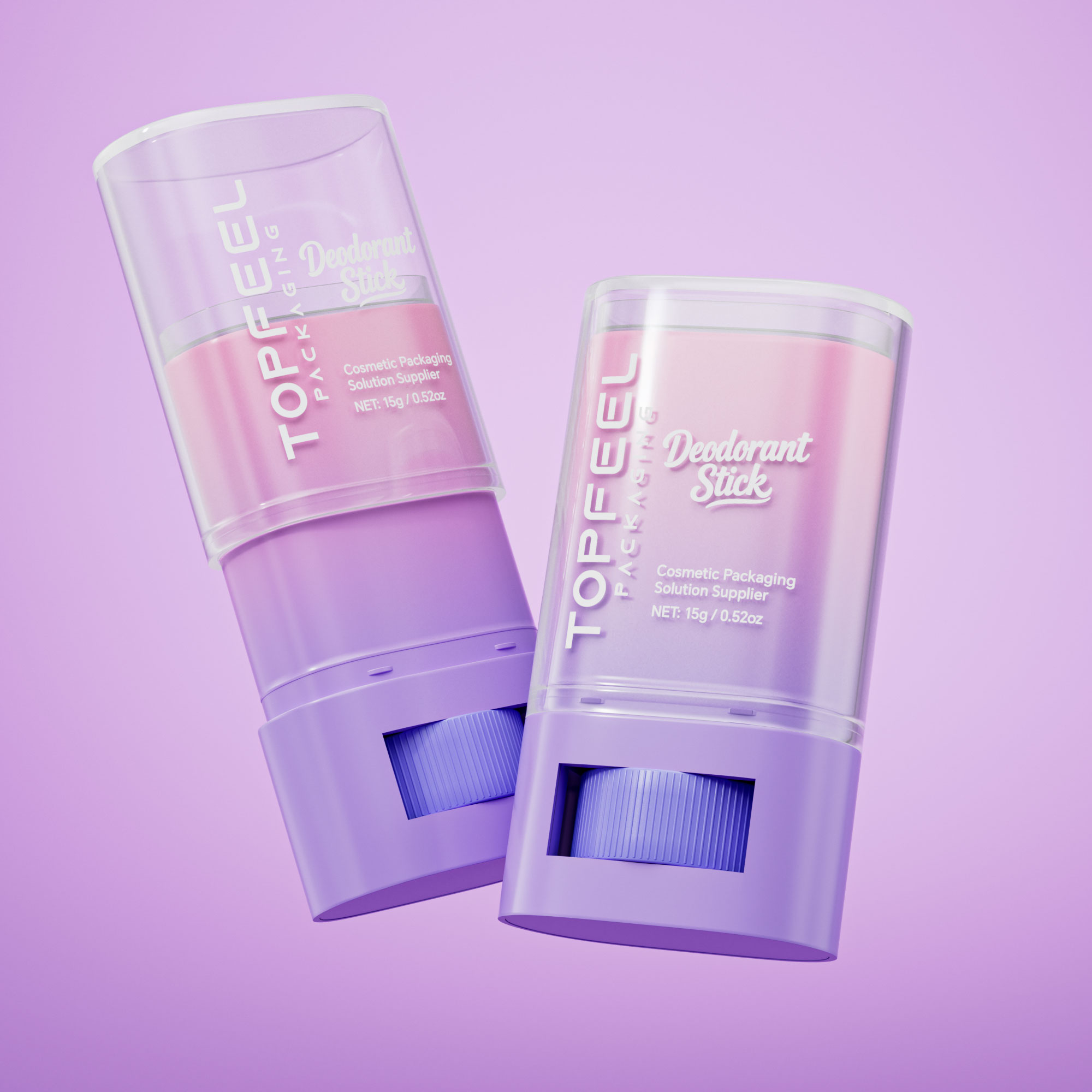
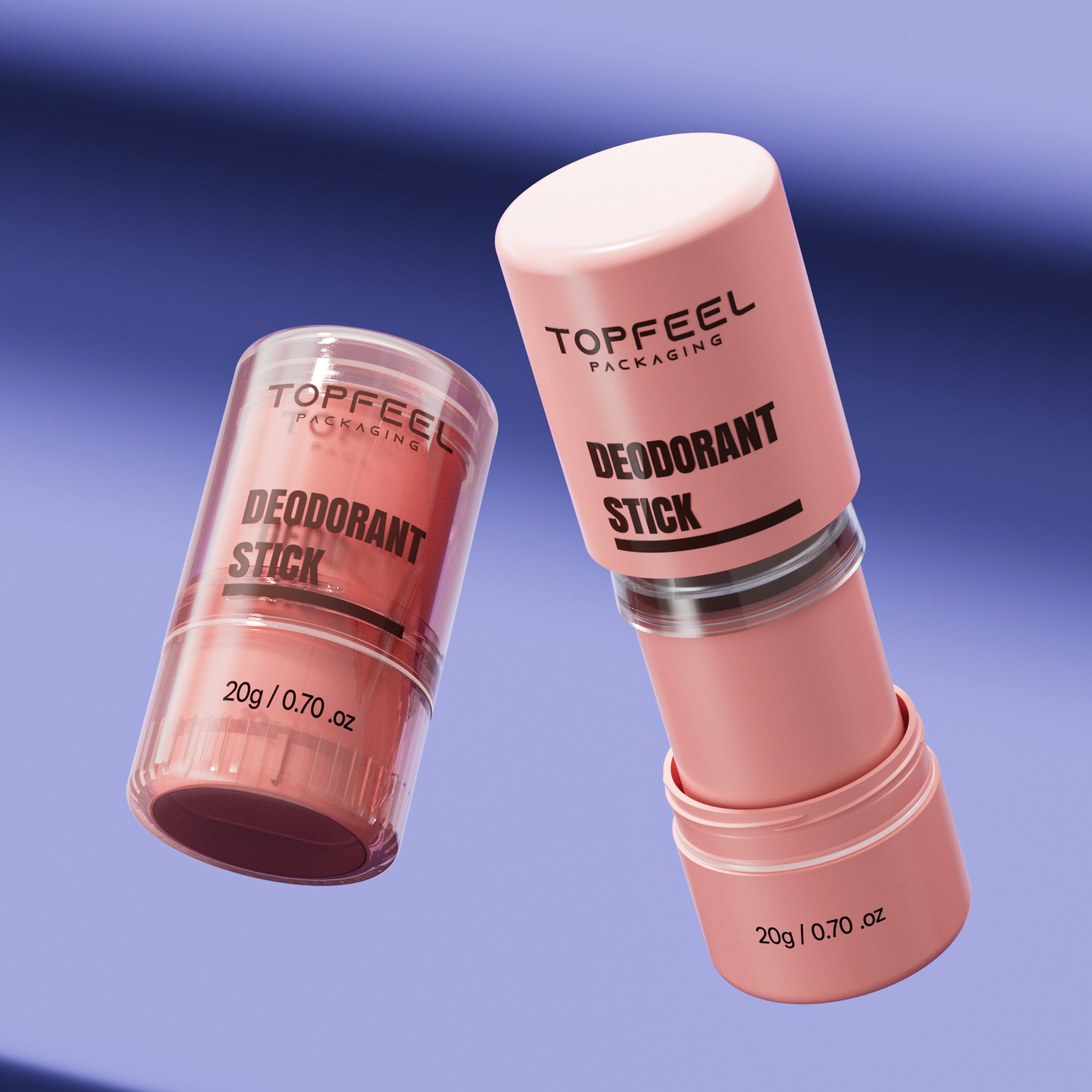
2. Twist-Up Stick Packaging for Portable Beauty Routines
Twist-up sticks appeared across several applications in the monthly sample, including metallic lip color, highlighter, sunscreen, and hair styling. This cross-category use is significant because the stick format can turn a formula into a portable, direct-application product.
For makeup, a stick can support precise placement and blending. For sunscreen, it may reduce contact between the hand and formula during reapplication. For hair styling, it can place product on flyaways or selected areas without dispensing a liquid into the palm.
Brands should not assume that one stick mechanism works for every anhydrous or semi-solid formula. The development team needs to validate:
- Bullet hardness and pay-off
- Formula shrinkage or sweating
- Breakage during application
- Compatibility between the bulk and cup
- Up-and-down screw performance
- Cap retention
- Performance after heat and transportation testing
The pack also needs enough internal clearance to avoid scraping the formula during extension or retraction. These mechanical details often determine whether the concept feels premium or frustrating in daily use.
3. Dual-Ended Packaging for Multi-Finish Makeup
Dual-ended packaging appeared in the Korean retail sample for a lip product offering two finishes. The format gives brands a way to combine complementary colors, textures, preparation steps, or finish options in a single consumer unit.
This format can be useful when the product story genuinely requires two separate formulas. Examples include color plus gloss, base plus topper, treatment plus pigment, or day and night applications.
The buyer must decide whether the concept needs:
- Two independent reservoirs
- Two different applicators
- Equal or unequal fill volumes
- A shared central connector
- Clear product identification at each end
The most important development risk is imbalance between the two sides. Weight distribution, cap torque, applicator length, leakage protection, and filling sequence can all affect usability and production.
When the formulas must mix at the moment of dispensing rather than remain as two separate application steps, buyers should evaluate a true dual-chamber system instead. Topfeelpack's guide to dual-chamber packaging for separate formulas explains the questions to resolve before sampling.
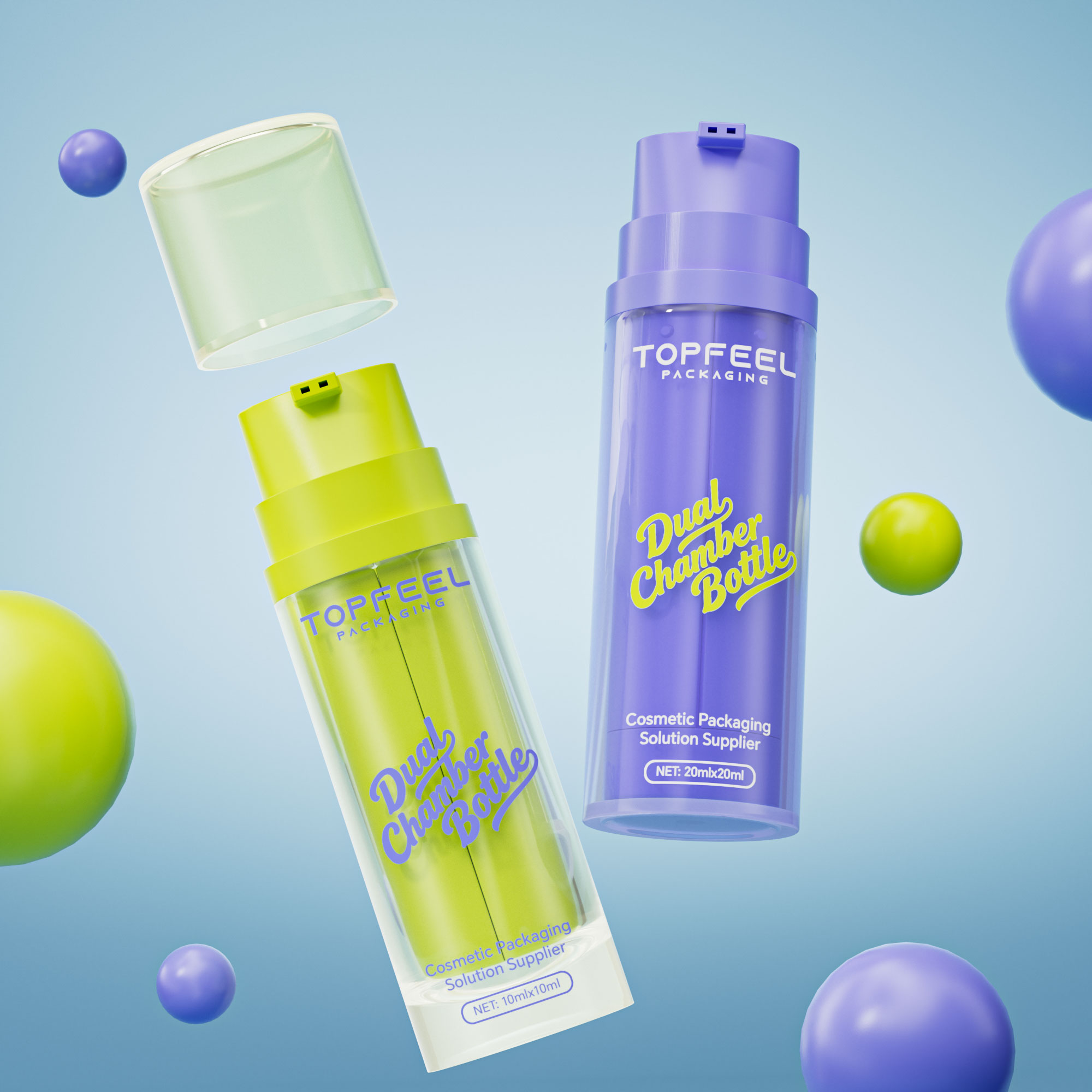
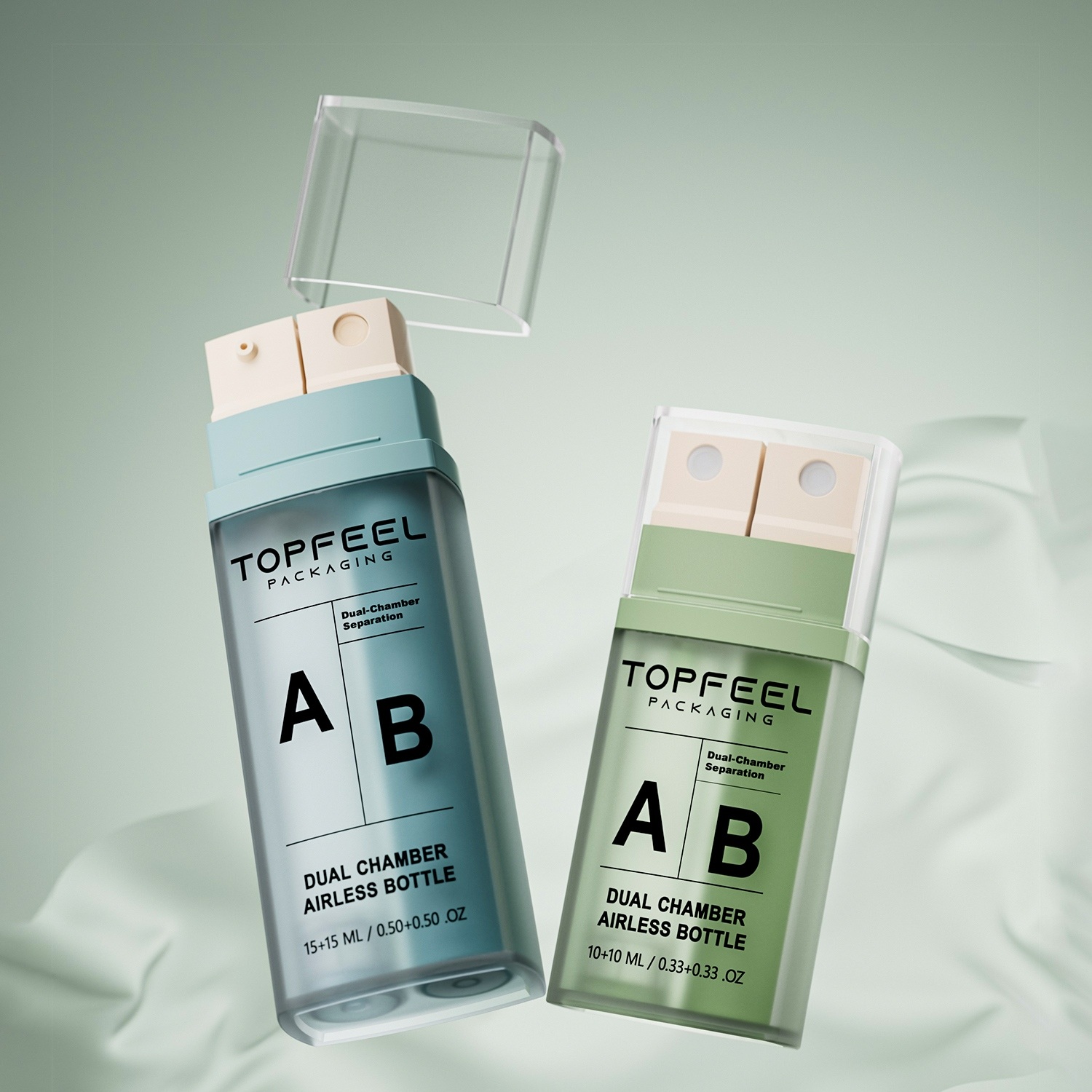
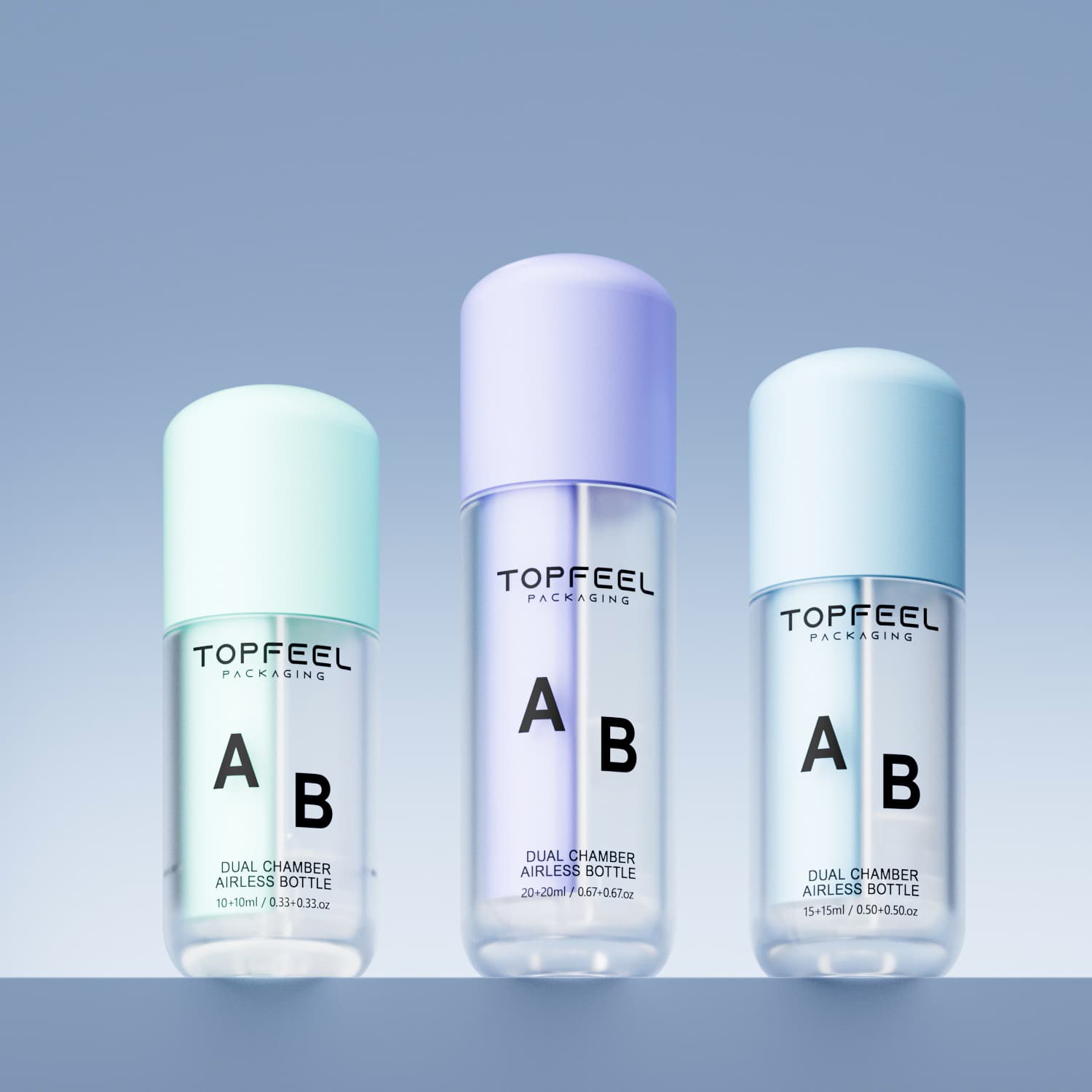
4. Grinding Balm Jars for a More Controlled Cleansing Ritual
A grinding balm jar uses an internal plate or dispensing mechanism to shave or release a portion of solid balm. The August Korean retail sample included this format for a cleansing balm.
Compared with repeatedly placing fingers or a spatula into a wide-mouth jar, a grinding mechanism changes the dispensing ritual. It can create a more distinctive interaction and may help the user release a smaller portion onto the upper surface.
That does not automatically make the pack suitable for every balm. The formula must have enough structural strength to grind cleanly without crumbling, smearing excessively, or blocking the mechanism. Buyers should test:
- Output generated by each rotation
- Required turning torque
- Behavior at high and low temperatures
- Residue beneath and around the grinding plate
- Access to the remaining formula near end of use
- Cleaning and reassembly risks, if components are removable
Topfeelpack's PJ100-1 grinding balm jar is one example of how a twist-to-dispense format can be presented for balm and cream projects. Final suitability still depends on formula testing and project requirements.
5. Syringe-Style Ampoules for Concentrated Skincare
Syringe-style ampoule packaging appeared in the OLIVE YOUNG Global sample for a concentrated repair treatment. The visual language resembles a clinical dosing tool, which can reinforce precision and professional-care positioning.
For product development, the more important benefit is controlled movement of the plunger and a narrow dispensing point. The structure may suit concentrated formulas used in small quantities, but the package must be tested as a complete system.
Key questions include:
- How much product is delivered for a defined plunger movement?
- Is the operating force comfortable and consistent?
- Can air enter the reservoir during use?
- Does the tip remain clean and protected between applications?
- Can the product leak if the pack is stored tip-down or transported?
- Does the formula interact with the barrel, piston, seal, or tip components?
Brands considering syringe bottle packaging should provide the supplier with the target dose, formula viscosity, filling process, orientation, and number of expected uses before requesting a final component recommendation.
6. Fine-Mist Pumps for Watery, Creamy, and Sensory Skincare
Spray packaging was one of the most repeated delivery approaches in the report. It appeared with toner, moisturizing mist, cream mist, hypochlorous-acid facial spray, jelly-inspired hydrating mist, hair fragrance, and leave-in hair care.
This does not mean one standard sprayer can handle all those formulas. A watery toner, a two-phase cream mist, and a formula containing suspended material place different demands on the pump, actuator, dip tube, and orifice.
For a fine-mist project, buyers should request evaluation of:
- Droplet size and spray-pattern consistency
- Coverage area at the intended distance
- Dose per actuation
- Priming time
- Clogging after repeated use
- Formula separation during storage
- Leakage through the actuator or closure
- Performance after transportation and temperature cycling
The applicator is closely connected to the consumer claim. Words such as “cooling,” “jelly,” “refreshing,” or “instant hydration” create expectations about droplet feel and coverage. The spray system must deliver an experience that matches those claims.
7. Airless and Controlled-Dose Dispensers for Treatment Products
The August sample also included airless-style pumps, narrow treatment nozzles, droppers, and other controlled-dose structures across facial treatments, body serums, moisturizers, and hair serums.
These formats are relevant when the brand needs cleaner dispensing, a repeatable dose, or a more technical product presentation. Yet “airless,” “dropper,” and “precision nozzle” are not interchangeable descriptions. Each structure handles formula flow and user operation differently.
Before choosing among them, compare:
- Formula viscosity and thixotropic behavior
- Target dose per use
- Need for localized or broad application
- Sensitivity to air exposure
- Required evacuation performance
- Filling and assembly process
- Consumer ability to control the dose
A pump may provide a repeatable actuation, while a narrow nozzle may offer more precise placement. A dropper can make dosage visible but may introduce different sealing, handling, and contamination considerations. Packaging selection should start from the use case rather than the visual trend.
What Do These Cosmetic Packaging Applicator Trends Mean for Buyers?
The August 2026 sample suggests that applicators are increasingly part of the product proposition. Packaging is being used to make benefits such as precision, cooling, portability, multi-step application, and controlled dosage visible before the consumer tries the formula.
For procurement teams, this creates both an opportunity and a risk:
- Opportunity: A relevant dispensing structure can make the product easier to understand and distinguish on a crowded retail page.
- Risk: A complex mechanism can add more compatibility, filling, assembly, leakage, and user-experience variables.
The best innovative cosmetic packaging format is therefore not the most unusual structure. It is the format that delivers the intended dose, protects the formula, supports the positioning, survives distribution, and remains intuitive throughout the product's use.
How to Choose an Innovative Cosmetic Packaging Format
Use the following sequence before requesting samples:
- Define the formula: Record viscosity, phase, particles, alcohol or oil content, and any known sensitivity.
- Define the dose: Specify the target amount per application and expected number of uses.
- Define the application area: Decide whether the formula needs targeted, broad, direct, or hand-assisted application.
- Shortlist dispensing systems: Compare pumps, tubes, sticks, rollers, droppers, jars, and syringe mechanisms against the same brief.
- Review filling requirements: Confirm how the pack is filled, assembled, sealed, and inspected.
- Plan compatibility testing: Evaluate the complete formula-pack system rather than relying only on component material names.
- Test distribution conditions: Include leakage, vibration, orientation, temperature, and secondary-packaging considerations.
- Run user trials: Check dose control, comfort, mess, clarity of instructions, and end-of-use access.
- Review decoration and claims: Make sure the design area and pack behavior support the intended market message.
- Compare total project complexity: Consider component count, assembly, quality control, tooling or customization requirements, and launch timing.
Pre-Sampling Checklist for Packaging Suppliers
Send the following information when discussing an innovative format with a packaging supplier:
- Product category and intended market
- Formula type and preliminary ingredient information
- Viscosity range or a representative bulk sample
- Target fill volume
- Target dose per use
- Preferred application method
- Expected storage orientation
- Primary and secondary packaging concept
- Decoration requirements
- Target launch schedule
- Planned compatibility and transportation tests
- Any market-specific regulatory or recycling requirements that must be reviewed
This information helps the supplier identify whether the project should begin with an existing format, a modified component, or a custom development route. It also reduces the risk of comparing visually similar packs that behave differently with the actual formula.
Frequently Asked Questions
What is an innovative cosmetic packaging format?
An innovative cosmetic packaging format is a package that changes how a beauty formula is stored, dispensed, applied, combined, or experienced. Examples include syringe dispensers, grinding balm jars, dual-ended makeup packs, roller-tip tubes, fine-mist pumps, and twist-up sticks.
Which cosmetic packaging applicator is best for a new formula?
The best applicator depends on formula viscosity, particle content, target dose, application area, and consumer routine. A buyer should compare formats using a written formula and dispensing brief, then confirm the choice through compatibility, leakage, transportation, and user testing.
Are the formats in this article the biggest cosmetic packaging trends of 2026?
No. They were observed in an August 2026 new-arrival sample from Sephora US, OLIVE YOUNG Global, Adore Beauty Australia, and Cult Beauty UK. The sample provides current retail signals, but it should not be treated as a full-year market-share study.
What should a beauty brand test before approving an applicator?
At minimum, test formula compatibility, dose consistency, leakage, clogging, operating force, repeated-use performance, storage orientation, temperature exposure, transportation, consumer handling, and access to the remaining product.
When should a brand involve its packaging supplier?
Involve the packaging supplier during concept development, before the formula and pack design are fully locked. Early collaboration allows the formulation, filling, dispensing, decoration, and testing requirements to be reviewed as one system.
Turn a Retail Format Idea into a Testable Packaging Brief
An unusual applicator can attract attention, but a successful package must also work with the formula, filling process, distribution route, and consumer routine. Topfeelpack supports beauty brands exploring packaging categories including syringe bottles, makeup packaging, cosmetic tubes, cream jars, lotion bottles, airless bottles, droppers, and dual-chamber systems.
Explore Topfeelpack cosmetic packaging categories or contact the team with your formula type, fill volume, target dose, application method, and launch market. These details provide a practical starting point for format selection and sampling discussions.
Post time: Aug-26-2026
