
For brands choosing between mono-material cosmetic packaging and multi-material designs, the right decision is rarely based on one factor. It requires a practical comparison of formula compatibility, component design, decoration, consumer use, transportation, and the recycling infrastructure in the markets where the product will be sold.
Topfeelpack, a cosmetic packaging manufacturer, can support this process by helping brands assess cosmetic bottle materials, closure structures, decoration options, and filling requirements before packaging is finalized.
Quick answer: Choose mono-material packaging when performance requirements allow it and a realistic recycling stream exists for that material. Choose multi-material cosmetic packaging only when the added components provide a necessary function—such as product protection, precision dosing, safety, or refillability—and design those components for easy separation whenever possible.
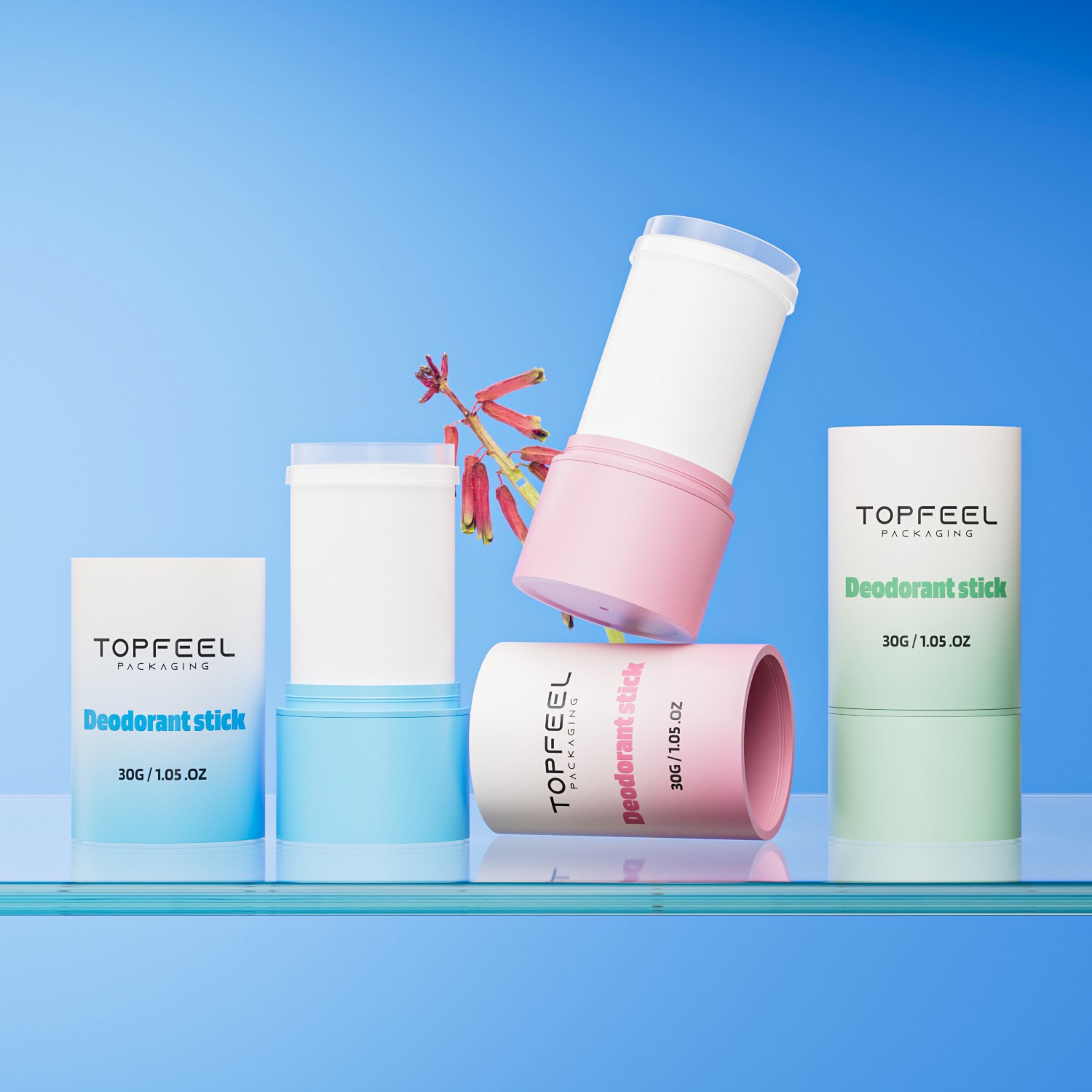
What Is Mono-Material Cosmetic Packaging?
Mono-material cosmetic packaging is packaging made predominantly from one material family. In beauty packaging, this often means a bottle, cap, pump, or tube designed around a single resin family, such as polypropylene (PP), polyethylene terephthalate (PET), or polyethylene (PE). Glass packaging may also be considered mono-material when the primary pack is glass and accessories are removable.
The goal is to reduce the number of incompatible materials entering the recycling stream. A clear PET bottle with a compatible closure, for example, is generally easier for a recycler to identify and process than a bottle made from PET, metal, silicone, several plastics, and permanent decorative layers.
Still, “mono-material” should not be used as a shortcut for “recyclable.” A mono-material package can face recycling barriers if it is too small, heavily colored, contaminated with product, difficult to collect, or not accepted by local facilities.
What Is Multi-Material Cosmetic Packaging?
Multi-material cosmetic packaging combines two or more different materials in one pack or dispensing system. This is common in the cosmetics industry because products often need different materials to achieve specific functions.
A serum dropper, for example, may include a glass bottle, glass pipette, rubber bulb, PP collar, and decorative aluminum shell. An airless pump may combine several plastic resins, a metal spring, and an internal piston. A luxury cream jar may combine glass, plastic, metalized finishes, labels, and adhesive components.
These designs can offer strong performance and a premium customer experience. The challenge is end-of-life management. When materials are permanently joined or difficult to separate, recycling facilities may not be able to recover them efficiently.
Mono-Material vs Multi-Material Packaging: At a Glance
| Factor | Mono-Material Cosmetic Packaging | Multi-Material Cosmetic Packaging |
|---|---|---|
| Material composition | Primarily one material family | Combines two or more material types |
| Recycling potential | Often simpler if accepted in local recycling systems | Can be difficult if parts cannot be separated |
| Design flexibility | May have limits for barriers, dispensing, and decoration | Can offer more functions and luxury finishes |
| Formula protection | Depends on selected material and product compatibility | Can combine materials to improve protection or performance |
| Consumer disposal | Usually simpler when the full pack is accepted | May require consumers to separate components |
| Typical examples | PP jar with PP cap; PET bottle with compatible closure | Dropper bottles, pumps, airless systems, metalized jars |
Why Material Simplicity Matters
Recycling depends on more than the technical properties of a material. Packaging must be collected, sorted, cleaned, and processed into a usable recycled material. Every additional component can make that process more difficult.
According to the OECD, only 9% of plastic waste generated worldwide in 2019 was ultimately recycled. The figure shows why packaging design matters: recycling systems already face major challenges from collection gaps, contamination, and the wide variety of packaging formats in circulation.
Mono-material cosmetic packaging can help by reducing material complexity at the design stage. If a bottle, cap, and label are compatible with the same recycling pathway, there are fewer decisions for consumers and fewer material conflicts for recyclers.
However, simplicity should not come at the expense of product quality. A cosmetic bottle that leaks, fails to protect the formula, or forces consumers to use more product is not a successful packaging solution. Sustainable packaging must work throughout its full life cycle—from filling line to customer use to end-of-life handling.
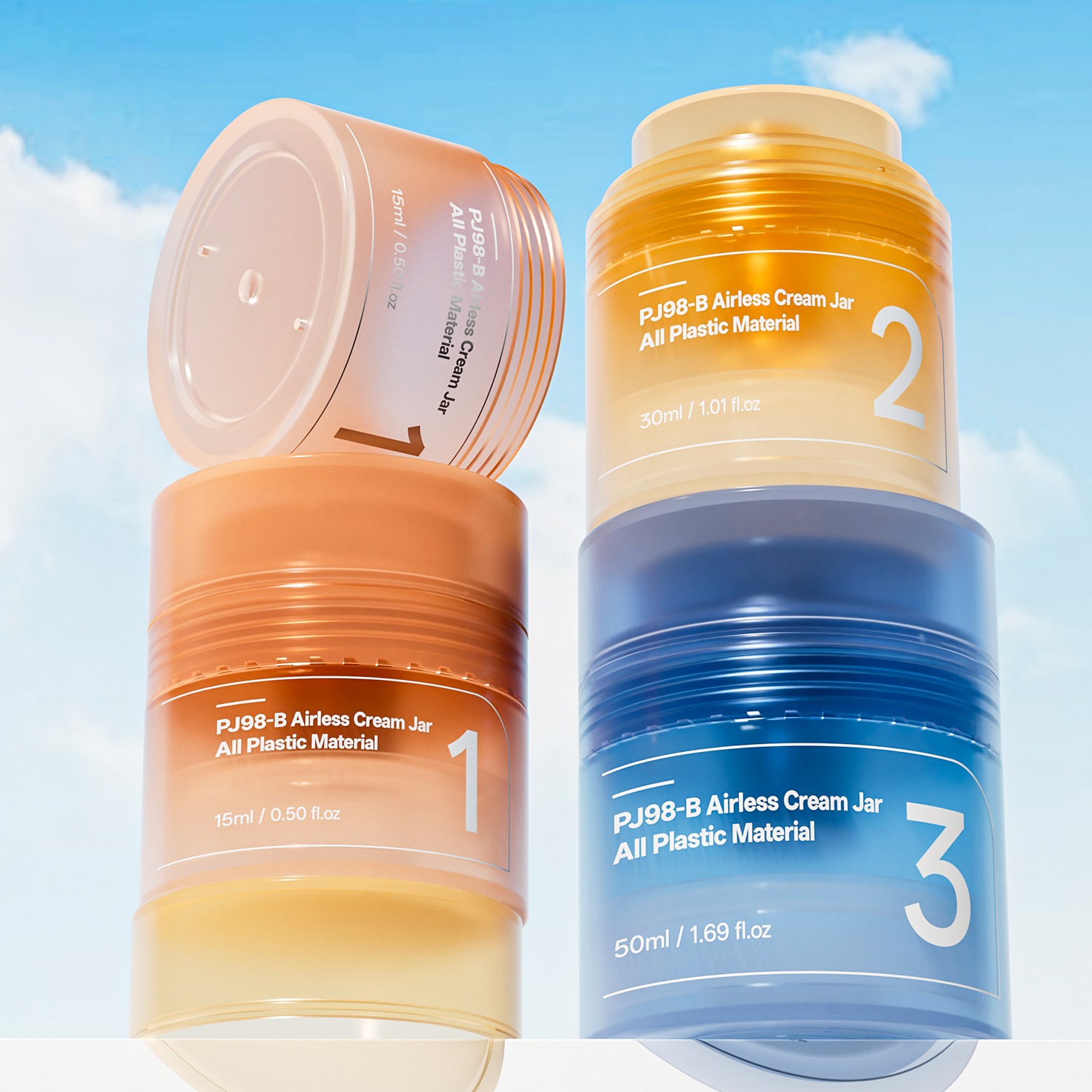
Advantages of Mono-Material Cosmetic Packaging
1. Easier Material Identification
Packaging made from one material family is generally easier for sorting systems to identify than highly mixed packaging. This can improve the package’s potential compatibility with existing recycling processes, especially when the material is widely collected in the target market.
2. Fewer Incompatible Components
A mono-material approach can eliminate non-essential elements such as decorative metal shells, mixed-material overcaps, or unnecessary inserts. This makes the packaging structure more straightforward and may reduce the risk of contamination in recycling streams.
3. Clearer Consumer Instructions
Consumers are more likely to follow disposal instructions when they are simple. A recyclable cosmetic bottle that can be emptied and placed into the appropriate collection stream is easier to explain than a package that requires the removal of several small parts.
4. Supports Circular Design Goals
Mono-material packaging can support a circular design strategy because it is easier to evaluate, redesign, and potentially incorporate into recycled-material systems. Brands can also use it as a foundation for more transparent packaging communication.
5. Lower Design Complexity
Reducing the number of materials can simplify sourcing, quality control, and component specifications. This does not always reduce cost, but it can make packaging decisions more consistent across a product range.
Limitations of Mono-Material Packaging
Mono-material packaging is not a universal answer. Cosmetic products have demanding requirements, and some designs need multiple materials to perform correctly.
Barrier and Stability Requirements
Some formulas are sensitive to oxygen, moisture, light, or volatile ingredients. A single packaging material may not provide the necessary barrier performance. In these cases, a multi-material solution may be justified if it protects the product and reduces product waste.
Dispensing Performance
Pumps, sprayers, droppers, and airless systems often require different components with different physical properties. A spring needs strength, a piston needs movement, and a seal needs flexibility. Replacing every part with one material may reduce performance or make the pack harder to use.
Premium Design Expectations
Luxury beauty brands often use glass, metal details, weighted bases, and complex surface finishes to create a distinctive experience. These elements can make a package feel premium, but they should be evaluated against their functional value and recyclability impact.
Local Recycling Infrastructure
Even a well-designed mono-material package may not be recycled if local facilities do not collect that format or material. Brands should avoid broad, unqualified recycling claims without checking local collection and processing conditions.
When Multi-Material Cosmetic Packaging Makes Sense
Multi-material cosmetic packaging should not be treated as inherently unsustainable. It can be the right choice when each component performs a necessary role and the package is designed to reduce end-of-life barriers.
Examples include:
- An airless pump that protects an oxidation-sensitive skincare formula.
- A glass bottle with a removable dropper for a facial oil or serum.
- A refillable system with a durable outer component and replaceable inner cartridge.
- A pump with a carefully engineered structure that reduces material use while maintaining dispensing accuracy.
The key question is whether the additional material creates a meaningful functional benefit. If it does not, simplifying the design is usually the better option.
How to Make Multi-Material Packaging More Recyclable
When a multi-material design is necessary, brands can still improve its end-of-life potential through practical engineering choices.
- Design for disassembly.Allow consumers or recyclers to separate key components, especially bottles, pumps, collars, and overcaps.
- Use compatible materials where possible.Select components from compatible material families instead of mixing multiple unrelated resins.
- Remove non-functional decoration.Avoid metallic shells, excessive coatings, or permanent embellishments that do not improve product performance.
- Use clear disposal instructions.Explain whether consumers should remove pumps, droppers, caps, or labels before recycling.
- Test claims before publishing them.Recyclability claims should reflect the actual markets where the product is sold and should be reviewed for legal compliance.
Choosing the Right Packaging Material for Cosmetics
There is no single best packaging material for every cosmetic product. The right material depends on the formula, brand position, required shelf life, dispensing method, target price, and available recycling infrastructure.
| Packaging Material | Strengths | Considerations |
|---|---|---|
| Glass | Premium appearance, inert, strong compatibility with many formulas | Heavier to transport; closures and droppers may still be multi-material |
| PET | Lightweight, clear, widely used for bottles | Recyclability depends on format, color, labels, and local collection |
| PP | Common in jars, caps, and some dispensing components | May be suitable for mono-material concepts when compatible components are used |
| PE | Flexible and widely used for tubes and squeeze bottles | Barrier needs and decoration choices must be assessed carefully |
| Aluminum | Lightweight and commonly recycled in many markets | Must be evaluated as part of the complete package, including liners and closures |
How Topfeelpack Can Help Brands Compare Packaging Structures
For a new skincare, makeup, haircare, or personal-care launch, packaging decisions should begin before final artwork and mold selection. Topfeelpack can work with brands to compare mono-material cosmetic packaging and multi-material options based on product requirements.
A useful packaging brief should include:
- Formula type and ingredient sensitivity
- Required packaging capacity
- Dispensing method: pump, dropper, sprayer, tube, or jar
- Target markets and local recycling considerations
- Desired sustainability objectives
- Preferred material and decoration options
- Refillability or recycled-content goals
- Expected consumer experience and brand positioning
This approach helps prevent a common mistake: choosing an attractive package first and trying to make a sustainability claim later. A better process is to define the product and end-of-life requirements at the beginning, then develop the most appropriate cosmetic packaging structure.
Frequently Asked Questions
Is mono-material packaging always recyclable?
No. Mono-material design can make recycling easier, but actual recyclability depends on local collection, sorting systems, package size, color, contamination, and market-specific recycling rules.
Are multi-material cosmetic bottles recyclable?
Some are, but recycling can be more difficult. Multi-material cosmetic bottles are more likely to be recycled when their components can be separated easily and when the main material is accepted by local recycling systems.
Is glass considered mono-material cosmetic packaging?
A glass bottle can be considered a mono-material primary container when it is mostly glass and removable accessories are handled separately. A glass bottle with a permanently attached mixed-material closure is a multi-material packaging system overall.
What is the most recyclable cosmetic bottle material?
There is no universal answer. Glass, PET, PP, PE, and aluminum may all be recyclable in the right systems. The best choice depends on the formula, packaging format, decoration, local collection infrastructure, and the ability to separate components.
How should brands communicate recyclable packaging claims?
Brands should use specific and substantiated language. For example: “Bottle recyclable where facilities exist; remove pump before recycling.” Avoid broad claims unless the complete package is accepted by recycling facilities available to most consumers in the relevant market.
Final Takeaway
Mono-material cosmetic packaging offers a practical route toward simpler, more recycling-friendly packaging design. It can reduce material conflicts, simplify consumer disposal, and support clearer circularity goals.
But multi-material cosmetic packaging still has an important role when it protects sensitive formulas, improves product use, enables refill systems, or provides essential dispensing performance. The best solution is not the package with the fewest materials at any cost. It is the one that balances product protection, consumer experience, material efficiency, and a credible end-of-life pathway.
For brands comparing recyclable cosmetic bottles and packaging materials, the most productive question is: Does every material in this package have a necessary function and a realistic route after consumer use?
Sources
- OECD, Global Plastics Outlook: Economic Drivers, Environmental Impacts and Policy Options (2022).
Read the OECD report - U.S. Environmental Protection Agency, Containers and Packaging: Material-Specific Data.
Read EPA packaging data - U.S. Federal Trade Commission, Guides for the Use of Environmental Marketing Claims, 16 CFR Part 260.
Read the FTC Green Guides - Association of Plastic Recyclers, APR Design Guide for Plastics Recyclability.
Read the APR Design Guide - European Union, Regulation (EU) 2025/40 on Packaging and Packaging Waste.
Read the regulation
Post time: Aug-03-2026
