
To assess packaging compatibility with alcohol-based formulas, test the finished formula in the complete proposed package, including its bottle, closure, pump, seals, and decoration. Evaluate changes in both the formula and the packaging under conditions that reflect storage, transport, and consumer use. Agree on acceptance criteria before testing begins.
For beauty brands, a supplier’s statement that a bottle is “suitable for alcohol” is a starting point for questions. It does not establish compatibility with your alcohol concentration, fragrance system, seal materials, or intended shelf life. A useful approval decision connects a specific formula to a documented packaging configuration and a defined test program.
Define the Formula Before Comparing Packaging
“Alcohol-based” does not describe one formulation. A fragranced body mist and a hydroalcoholic facial toner can need different packaging evaluations even when their ethanol percentages are similar.
Prepare a formula brief covering:
- Alcohol identity and concentration: Specify ethanol, isopropanol, or the relevant blend, and distinguish percentage by weight from percentage by volume.
- The complete solvent system: Include water, co-solvents, and the identity of any denaturants.
- Other ingredients: Identify fragrance, essential oils, solubilizers, actives, and other components relevant to material screening.
- Physical properties: Provide viscosity and, where meaningful for the formula and measurement method, pH.
- Commercial conditions: State fill volume, filling conditions, intended shelf life, storage expectations, and dispensing requirements.
Share sensitive composition details through an agreed confidentiality process. If the packaging supplier receives only a broad description, make clear what remains for the brand’s formulator or testing laboratory to assess.
Avoid treating a test with diluted ethanol as approval for the finished cosmetic. It can help investigate a particular interaction, but the final assessment must address the actual formulation.
Review Every Part That Contacts the Formula
A bottle’s resin name describes only part of the system. Liquid can also contact a dip tube, gasket, valve, piston, pump housing, or metal component, depending on the design. Ask for a component-level material list and a drawing that identifies the liquid path.
The Cosmetics Europe/CTFA stability testing guidelines, particularly the packaging section, identify product–container interactions and the retention of volatile constituents as relevant stability considerations. The practical implication is to evaluate what the package does to the formula as well as what the formula does to the package.
Use this table to organize the review. These are investigation points, not predictions that every material will fail.
| Packaging area | Details to request | What to evaluate in samples |
|---|---|---|
| Bottle body | Exact material grade, construction, colorants, and recycled content where applicable | Cracking, distortion, discoloration, and changes in product or package mass |
| Closure and liner | Closure design, liner construction, and application settings | Leakage, loosening, and changes in opening or closing performance |
| Gaskets and seals | Exact compound and location of exposure | Swelling, shrinkage, hardening, softening, and loss of sealing function |
| Pump or sprayer | Wetted materials, valve design, dip tube, and any exposed metal | Priming, dose consistency, spray quality, sticking, and corrosion |
| Decoration and label | Coating, ink, adhesive, finish, and application process | Smearing, peeling, loss of adhesion, and reduced legibility |
Use Material Charts to Build a Shortlist
Chemical resistance tables can help identify candidates, but check their concentration, temperature, exposure time, and test-material assumptions.
Equipment manufacturer Bürkle explains the limits of chemical resistance data: raw-material laboratory results do not capture every influence on a manufactured part, including pressure, material stresses, temperature, and design. Its guidance recommends testing when suitability is uncertain.
For procurement, ask suppliers what evidence supports the proposed material grade and component design. A favorable rating for a polymer does not qualify every bottle or pump made from it. Likewise, choosing a glass bottle still leaves the closure, seals, dispenser, and decoration to evaluate.
Separate Sealing Performance from Volatile Retention
An obvious liquid leak and gradual loss of volatile ingredients are different observations. A package can look dry while its contents or performance change over time. The Cosmetics Europe/CTFA guidelines specifically include barrier performance and retention of volatile product constituents in the packaging assessment.
Track filled-package mass using a consistent weighing procedure. Record visible leakage, storage orientation, and dispensing activity separately. For use simulations, account for intentionally dispensed product so that it is not mistaken for unexplained loss.
Mass measurements alone cannot establish how much alcohol remains. If alcohol concentration is a critical specification, have the laboratory select a suitable analytical method. Include an appropriate reference container to help distinguish formula changes from package-related effects.
Check Decoration with Realistic Formula Exposure
Exterior surfaces also deserve attention. Filling splashes, product on the nozzle, and formula transferred by consumers can expose coatings, printed graphics, labels, and adhesives.
Request decorated samples representative of the intended production process. Define a relevant exposure and wiping procedure with the supplier or laboratory, then inspect color transfer, adhesion, surface appearance, and label legibility. Record exposure time and the wiping method so results can be compared.
Treat decoration approval separately from liquid-contact compatibility. A stable formula and a functioning pump do not establish that the branded finish will remain acceptable. Conversely, a damaged exterior finish does not automatically show that the bottle’s contact material is unsuitable.
Build a Test Plan Around the Actual Product
The Cosmetics Europe/CTFA guidelines on cosmetic stability explain that the variety of formulas and packaging prevents one standard stability test from fitting every product. Use the following steps as a planning framework with your formulator, packaging supplier, and laboratory.
1. Identify Exactly What Is Being Tested
Record the formula revision, batch, bottle size, component materials, pump specification, decoration, fill level, and assembly settings. Use packaging as close as possible to the marketed configuration.
An undecorated development bottle with a substitute gasket cannot establish performance for a decorated commercial pack with a different seal. Document substitutions and the confirmation work they require.
2. Agree on Conditions, Samples, and Controls
Select storage temperatures, durations, inspection intervals, sample quantities, and orientations based on anticipated exposure and product risks. Consider upright, side, and inverted storage where relevant, alongside dispensing simulations and any justified light or temperature-cycle assessment.
The laboratory should choose conditions and equipment appropriate for the alcohol-containing product. Keep unused storage samples and use-simulation samples identifiable, and retain enough units for planned inspections and investigation of questionable results.
Include a suitable reference container. Use controls whose own sealing and material suitability have been considered.
3. Set Measurable Acceptance Criteria
Before results arrive, agree on what constitutes acceptable performance. Relevant criteria may include:
- No cracks, visible leakage, or unacceptable component deformation.
- Product appearance, odor, viscosity, and critical analytical results within agreed limits.
- Package mass change within a justified limit under defined conditions.
- Priming, delivered dose, and spray behavior within product requirements.
- Decoration adhesion and legibility meeting the approved specification.
Define the method and limit for each quantitative criterion. Avoid adopting an arbitrary weight-loss percentage or actuation count as a universal industry requirement.
4. Evaluate Function After Storage
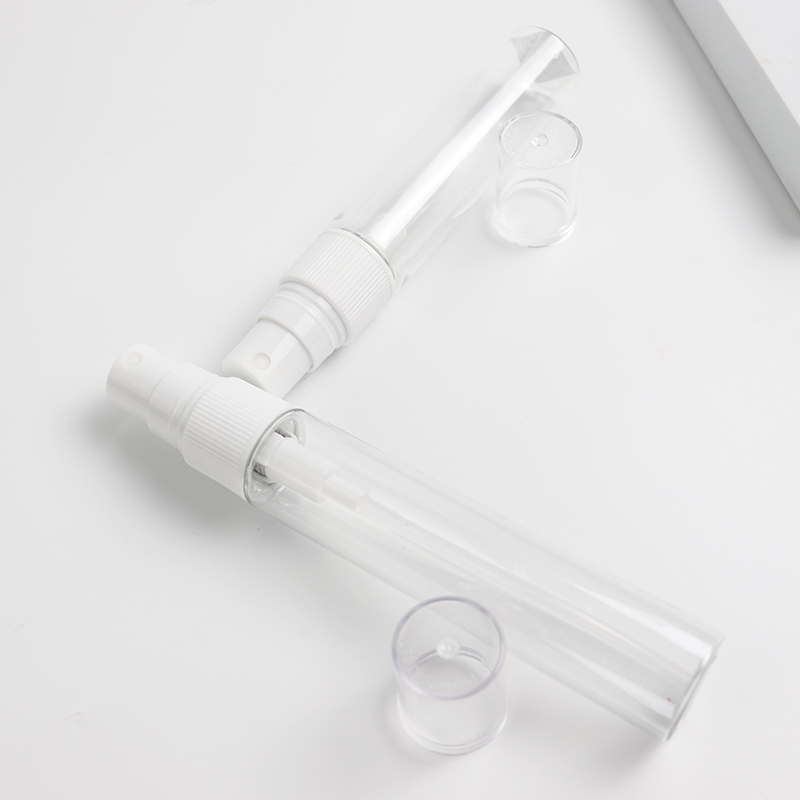
Operate aged pumps and sprayers rather than judging compatibility from appearance alone. Check initial priming, restarting after a pause, delivered quantity, spray pattern, leakage after use, and performance as the container empties.
For example, a body mist may remain visually unchanged while its aged sprayer delivers an unacceptable pattern. That observation requires investigation of the dispensing system even if the bottle looks intact.
5. Interpret Accelerated Results Within Their Limits
Elevated-temperature testing can support development decisions, but a short accelerated study does not automatically prove a particular shelf life. The Cosmetics Europe/CTFA guidance calls for scientifically justified conditions and recommends confirmatory real-time monitoring of production product in the final package.
Chemical compatibility, microbiological stability, and distribution performance also answer different questions. Coordinate their assessments, while keeping the evidence and acceptance criteria clear for each.
Use Supplier Evidence to Make a Purchasing Decision
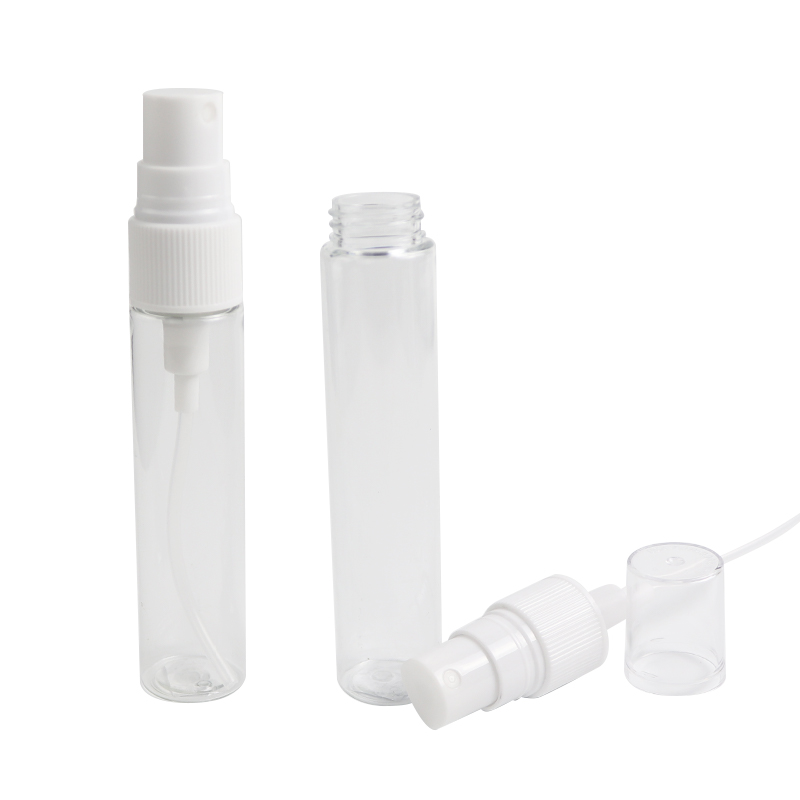
Topfeelpack lists a sprayer bottle and lotion bottle range. Its PB12 spray bottle product page identifies a PET bottle and PP pump. Those descriptions help start a component discussion; they do not establish compatibility with every alcohol-based formula or identify every internal pump material.
Before a bulk order, request the proposed component specifications, representative samples, and a clear allocation of testing responsibilities. Ask which formula, package, or decoration changes would trigger a review. Confirm MOQ, customization options, lead time, and documentation for the selected configuration as part of the quotation.
Approve the documented combination that the evidence supports. If a seal, resin grade, fragrance, or finish changes later, assess whether the existing evidence still applies.
Frequently Asked Questions
Can one result cover every fragrance in a product line?
Do not assume it can. The Cosmetics Europe/CTFA guidelines recommend considering representative fragrance variations and expanding testing when results are questionable. Have the formulator justify any grouping and identify which variants represent the relevant risks.
Does passing one bottle size qualify the other sizes?
Coverage needs a technical rationale. The guidelines advise studying each package type and testing the smallest container in a size range. Different sizes may also use different pumps or closures, so document which configurations the study supports.
Can a supplier’s previous compatibility report replace new testing?
It can inform the assessment when the tested formula, materials, construction, and conditions are relevant. Ask to review the report’s scope and limitations. Differences require a documented decision about additional testing before relying on that evidence.
Discuss Samples for Your Alcohol-Based Formula
To discuss candidate packaging, contact Topfeelpack with your formula’s alcohol type and concentration basis, intended capacity, dispensing format, decoration, destination market, and expected storage conditions. Request component details and representative samples, then agree with your formulator and laboratory on the compatibility evidence needed before bulk approval.
Post time: Oct-21-2026
