
In the cosmetic and personal care industry, packaging materials determine basic quality, while surface finishing defines the overall texture, appearance, and brand grade of products. The same bottle shape can present completely different styles — mass-market, minimalist clinical, or luxury premium — through different surface treatments.
This article introduces six mainstream surface finishing techniques for cosmetic packaging, including their features, visual effects, advantages, limitations, and suitable applications.
1.Screen Printing
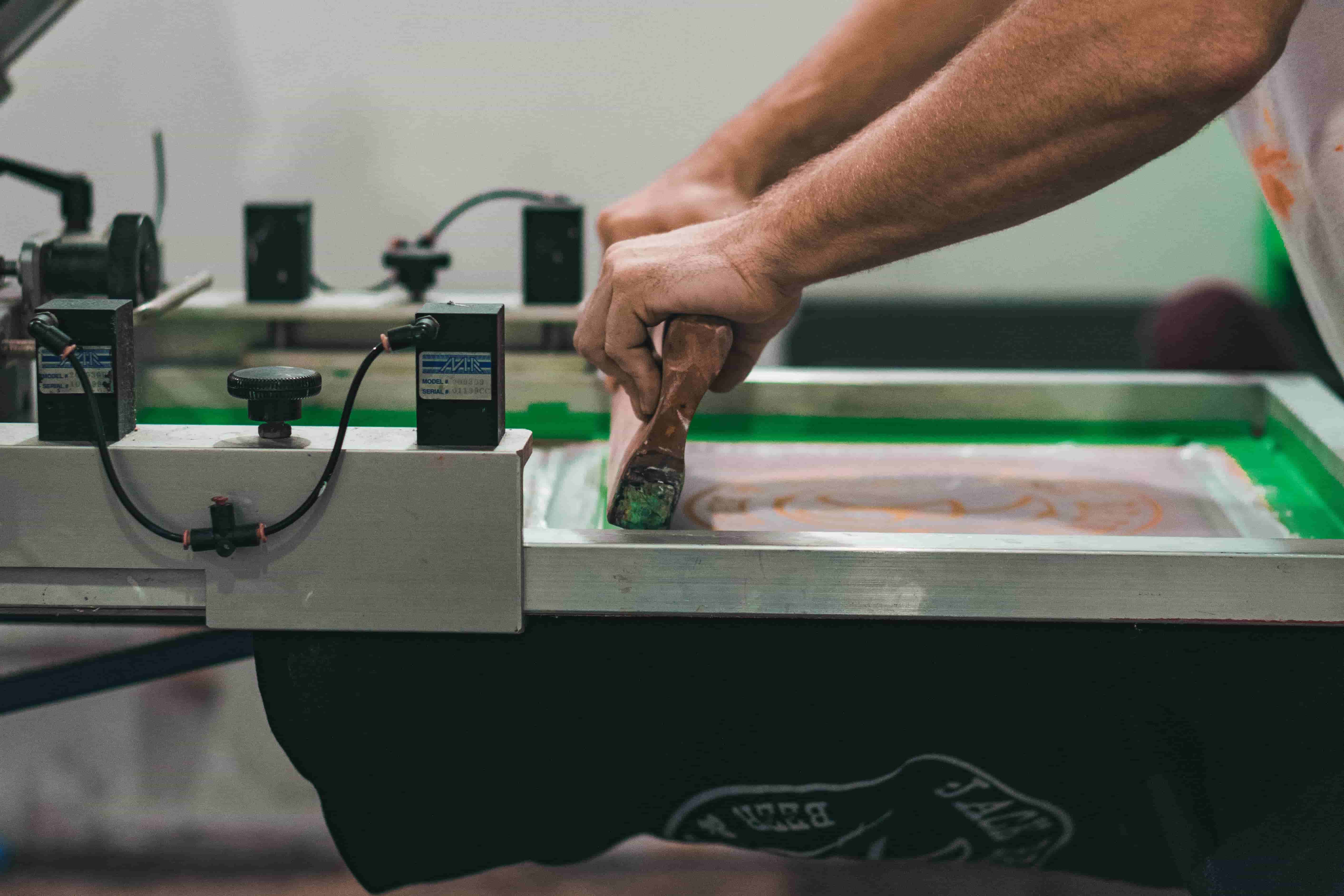
Screen printing is the most common and cost-effective printing process for cosmetic packaging. It is mainly used for brand logos, texts, and simple patterns.
It features thick ink layers, high color saturation, strong adhesion, and stable mass production. The surface shows a slight tactile texture and hardly fades.
Best for mass-market skincare bottles, jars, and plastic tubes. It is not suitable for fine gradients or complex high-definition patterns.
2.Hot Stamping / Foil Stamping
Hot stamping is the most popular premium decoration process for high-end beauty packaging. It delivers pure metallic finishes such as gold, silver, rose gold, and laser colors.
The surface is smooth, clean, and glossy, instantly upgrading the product’s luxury perception. It is widely applied on essence bottles, perfume bottles, dual-chamber bottles, and gift packaging.
Due to cost factors, it is more suitable for partial decoration rather than full coverage.
3.Spray Coating (Glossy & Matte)
Spray coating completely renews the packaging’s color and texture while covering mold marks, scratches, and material defects.
- Glossy spray: Mirror bright, transparent, and trendy, ideal for travel-size packaging and youthful daily care products.
- Matte spray: Soft frosted finish, fingerprint-resistant and anti-slip. It matches minimalist and clinical skincare styles perfectly.
Suitable for deodorant sticks, cream jars, plastic bottles, and glass bottles.
4.Vacuum Metallization
Vacuum metallization creates an ultra-thin and uniform metallic film under a vacuum environment. It provides delicate mirror effects, including silver, chrome, gradient, and rainbow finishes.
This high-tech finishing improves product futuristic and premium texture, commonly used for bottle caps, pump heads, and decorative rings.
It is not recommended for formulas with strong alcohol or harsh solvents.
5.UV Coating
UV coating is a protective transparent finish applied after printing. It enhances color brightness and surface gloss, while providing scratch resistance, waterproof performance, and anti-fade durability.
With low cost and stable performance, it greatly improves packaging endurance during transportation and daily use. It fits all printed mass-production cosmetic packaging.
6.Frosting & Sandblasting
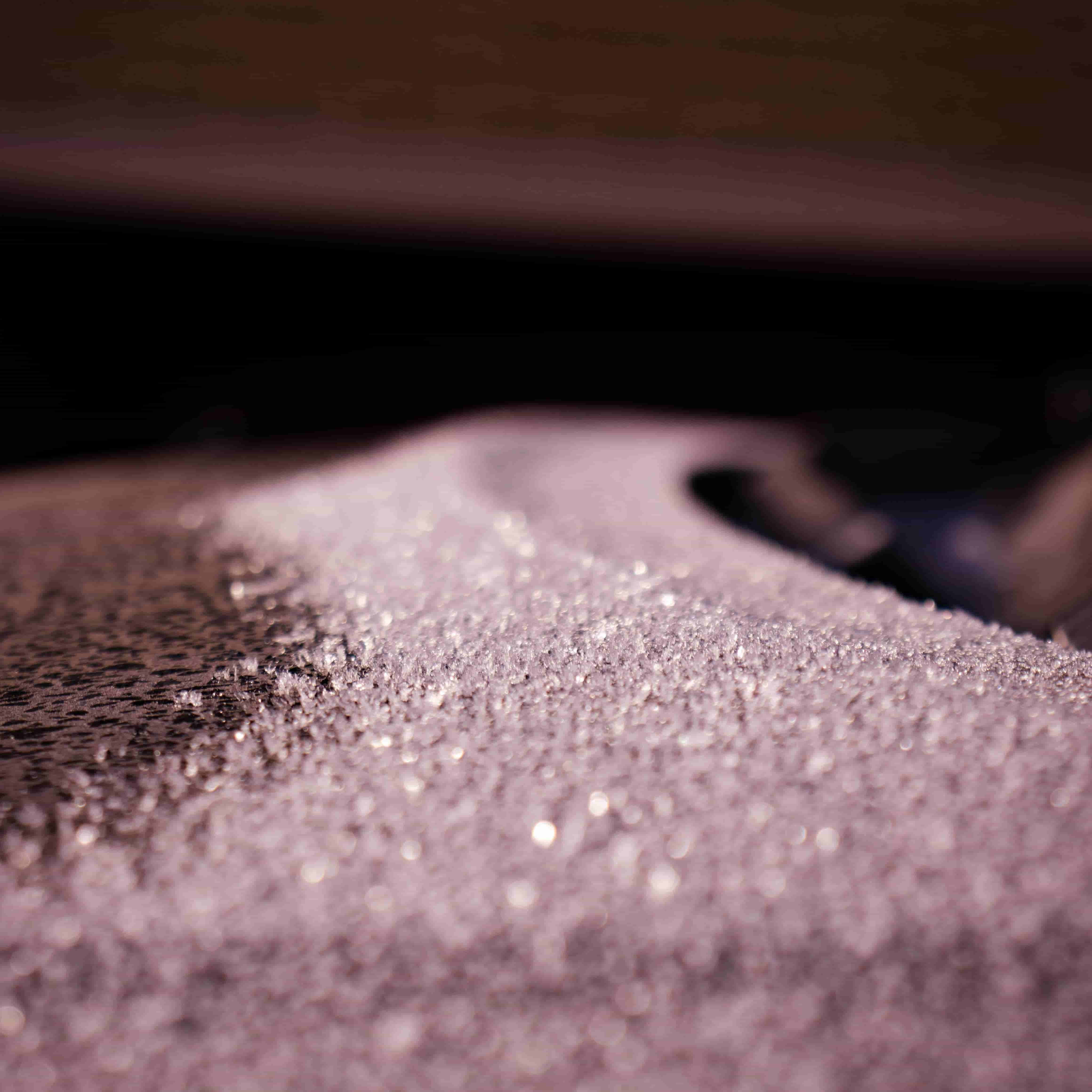
Frosting and sandblasting turn transparent packaging into elegant semi-transparent foggy texture. This treatment covers minor glass flaws and creates a clean, minimalist, and high-end visual effect.
It is widely used for toner bottles, essence bottles, and niche fragrance packaging.
Finishing Selection Guide
- Mass-market products: Screen printing + UV coating / matte spray
- Mid-to-high-end skincare: Matte spray + partial hot stamping
- Luxury perfume & makeup: Frosting + vacuum metallization + fine hot stamping
- Travel portable packaging: Glossy spray + simple screen printing
Conclusion
Surface finishing is essential for cosmetic packaging differentiation. Proper combinations of printing, spraying, stamping, metallization and frosting help brands build unique visual styles, avoid homogeneous design, and enhance shelf appeal and user experience.
Post time: May-27-2026
