
Last updated: July 30, 2026
The EU Packaging and Packaging Waste Regulation—usually shortened to PPWR—changes how cosmetic packaging must be designed, documented, labelled and managed after use. For beauty brands selling in the European Union, attractive packaging is no longer enough. Packs will increasingly need to demonstrate recyclability, material efficiency and, for plastic packaging, minimum recycled content.
The regulation entered into force on February 11, 2025 and generally applies from August 12, 2026. Several of its most demanding design requirements will be phased in between 2028 and 2040.
Quick answer: How does PPWR affect cosmetic packaging?
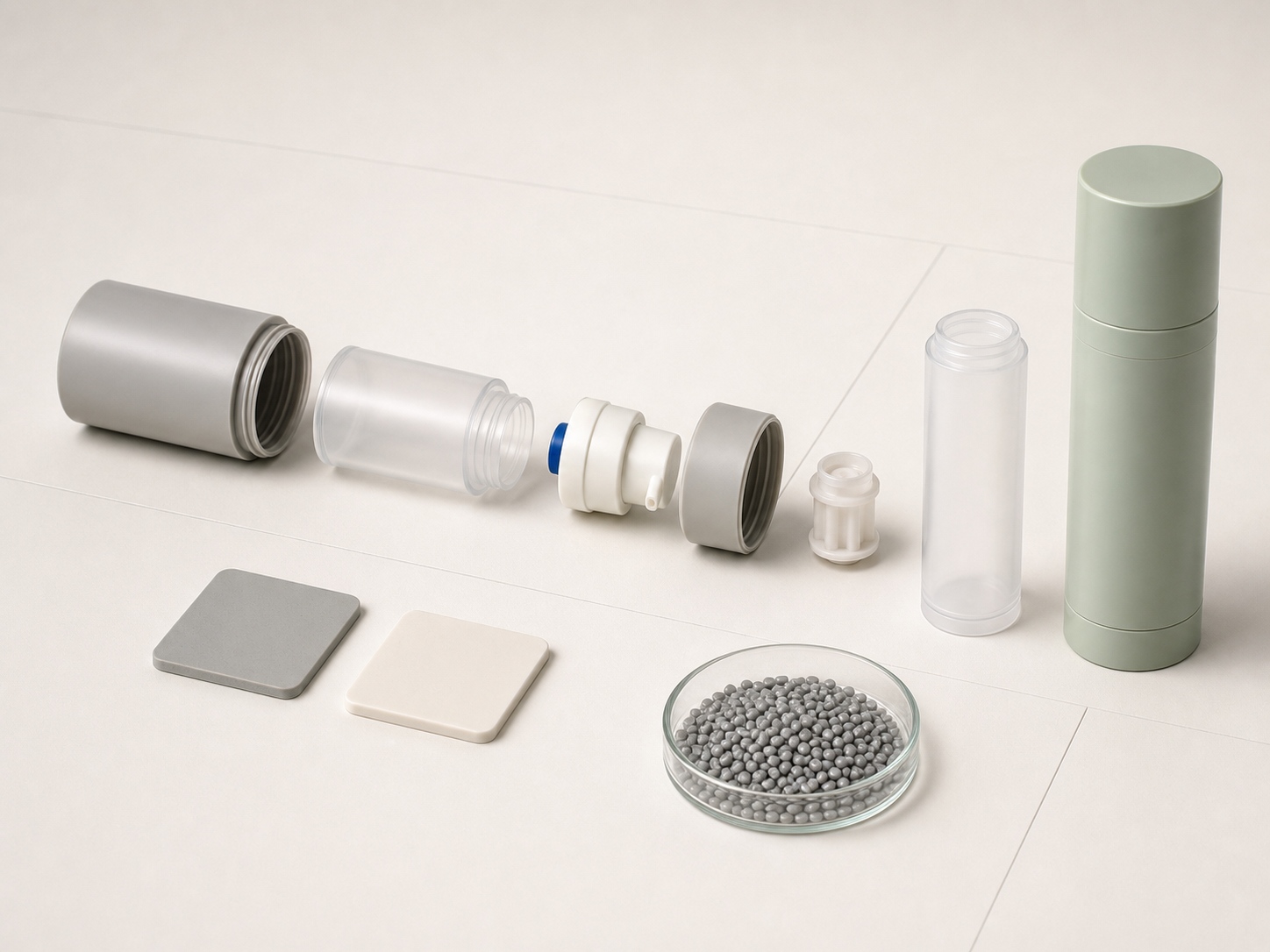
PPWR requires cosmetic packaging sold in the EU to move towards measurable circularity. Brands and packaging manufacturers must prepare for design-for-recycling criteria, recycled-content targets for plastic, packaging minimisation, harmonised material labels, producer registration and stricter technical documentation. Some single-use hotel cosmetic packaging will also be prohibited from 2030.
What Is PPWR?
PPWR is Regulation (EU) 2025/40 on packaging and packaging waste. Unlike the previous Packaging and Packaging Waste Directive, a regulation is directly applicable across EU Member States, although national authorities still handle matters such as enforcement, producer registration and extended producer responsibility schemes.
Article 2 gives PPWR a broad scope: it applies to all packaging, regardless of material or origin. That includes the components typically found in cosmetic packaging, such as:
- Bottles, jars, tubes and sachets
- Pumps, caps, collars, droppers and applicators
- Refill cartridges
- Folding cartons and inserts
- Gift boxes and grouped packaging
- E-commerce and transport packaging
Cosmetic packaging also falls within PPWR’s definition of “contact-sensitive packaging.” Article 3 expressly includes products governed by Regulation (EC) No 1223/2009 on cosmetic products. This classification is especially important when calculating minimum recycled content for plastic packaging.
Key PPWR deadlines for cosmetic brands
| Date | Main requirement |
|---|---|
| February 11, 2025 | PPWR entered into force |
| August 12, 2026 | Most provisions generally begin to apply |
| 2028 or later | Harmonised material-composition labels begin, subject to implementing-act timing |
| January 1, 2030 or later | Design-for-recycling, plastic recycled-content and minimisation requirements begin |
| January 1, 2030 | Certain single-use hotel cosmetic and toiletry packs are restricted |
| January 1, 2035 or later | Packaging must also be recyclable at scale |
| January 1, 2038 | Packaging must achieve recyclability grade A or B, subject to stated exemptions |
| January 1, 2040 | Higher recycled-content targets apply |
Several dates depend on when the European Commission adopts delegated or implementing acts. Cosmetic companies should therefore treat the table as a planning framework, not a substitute for checking the latest legal text.
Why Does PPWR Matter to the Cosmetics Industry?
PPWR matters because cosmetic packaging often combines several materials and functions in a very small format. A serum bottle, for example, may contain a plastic or glass body, metallised collar, elastomer bulb, glass pipette, plastic wiper, printed label and coated carton. Each element may protect the formula or support brand presentation, but it can also complicate sorting and recycling.
The scale of the wider packaging problem explains the direction of the regulation. According to the European Commission’s packaging waste overview:
- 40% of plastics used in the EU go into packaging.
- The EU generated 186.5 kilograms of packaging waste per person in 2022.
- Half of marine litter is linked to packaging.
PPWR is intended to reduce packaging waste, lower the use of virgin raw materials and make packaging recyclable in an economically viable way.
For cosmetic businesses, the practical consequences reach far beyond changing a resin. Packaging development, decoration, supplier qualification, product testing, e-commerce fulfilment and regulatory documentation will all be affected.
“Eco-friendly” will need evidence
PPWR does not define compliance through broad claims such as “green,” “sustainable” or “eco-conscious.” A package may look environmentally friendly and still perform poorly in a recycling system.
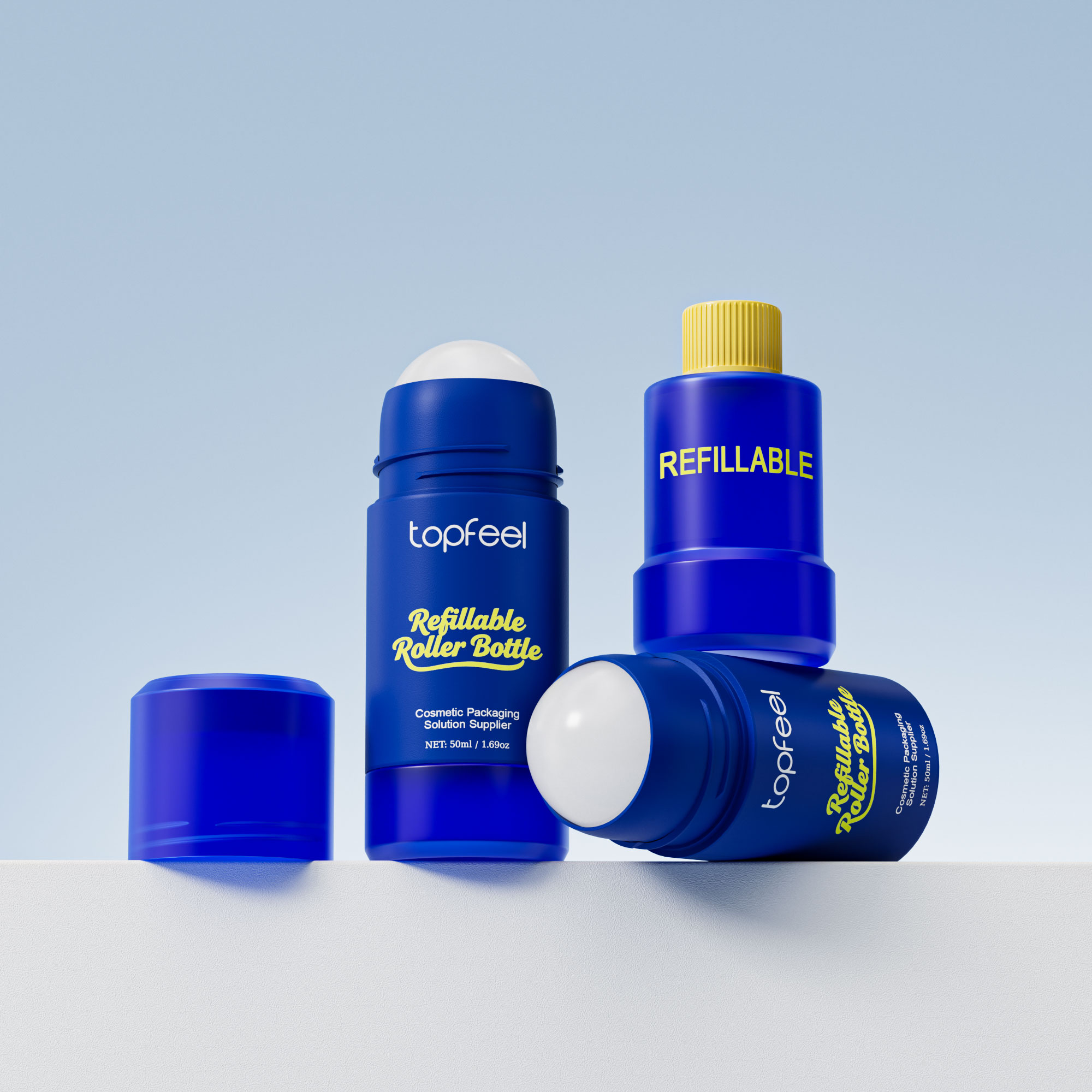
For example, a refillable jar is not automatically compliant reusable packaging. Under Article 11, reusable packaging must be designed for multiple rotations and be capable of emptying, refilling, reconditioning and reuse while maintaining product quality, safety and hygiene. A credible reuse system is therefore as important as the physical refill.
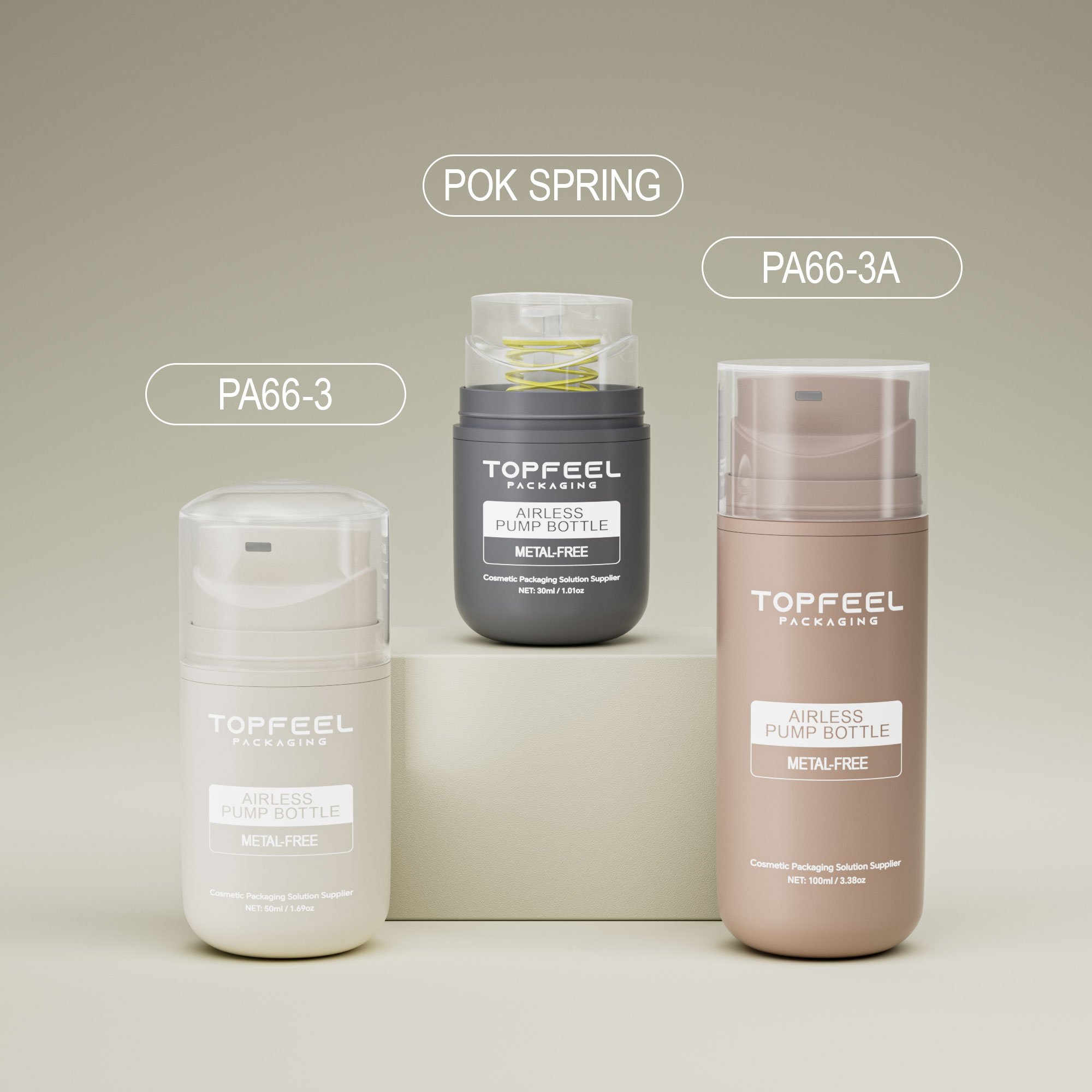
Likewise, a mono-material bottle can improve recyclability, but the complete pack—including the pump, spring, label, ink, adhesive and decoration—must be considered. PPWR assesses packaging as a system, not simply by the material named in a sales brochure.
How Will PPWR Change Cosmetic Packaging?
1. Cosmetic packs must be designed for recycling
Article 6 establishes the central rule: all packaging placed on the EU market must be recyclable.
From 2030—or later if the relevant delegated acts are delayed—packaging will need to satisfy EU design-for-recycling criteria and achieve recyclability grade A, B or C. From 2038, grade C will no longer be sufficient; packaging must reach grade A or B, unless a specific exemption applies.
By 2035 or a later act-dependent date, theoretical recyclability will not be enough. Packaging must also be capable of being collected, sorted and recycled at scale.
For cosmetics, design reviews should examine:
- Whether components can be separated during normal sorting
- Whether pumps or closures interfere with the main material stream
- Whether metal springs, magnets or metallised parts create problems
- Whether dark colours prevent optical sorting
- Whether coatings, inks, labels and adhesives affect recycled output
- Whether residue can be removed sufficiently for recycling
- Whether small components are lost during collection or sorting
This does not mean that every multi-material pack will automatically be banned. It means that brands will need evidence showing how the final packaging format performs against the criteria adopted for its category.
2. Plastic cosmetic packaging will need recycled content
Article 7 introduces mandatory post-consumer recycled-content levels for plastic parts. Because cosmetic packaging is classed as contact-sensitive, the relevant targets generally depend on its main plastic material.
By January 1, 2030—or three years after the relevant implementing act takes effect, whichever is later—the targets are:
- 30% for contact-sensitive packaging in which PET is the major component
- 10% for contact-sensitive packaging made from plastics other than PET
- 35% for other plastic packaging outside the specified contact-sensitive and beverage categories
By January 1, 2040, those levels rise to:
- 50% for contact-sensitive PET packaging
- 25% for contact-sensitive non-PET plastic packaging
- 65% for other plastic packaging
The calculation is made per plastic part, packaging type and format as an annual average for each manufacturing plant. It is not simply a claim applied to a company’s entire packaging portfolio.
Before switching to PCR plastic, cosmetic companies should test colour consistency, odour, dimensional stability, formula compatibility, barrier performance and pump function. Recycled content can change the way a component behaves, especially in precision dispensing systems.
3. Excess weight and perceived volume will be challenged
Under Article 10, manufacturers or importers must ensure by 2030 that packaging weight and volume are reduced to the minimum necessary for functionality.
The regulation specifically targets features used only to make a product appear larger, including:
- False bottoms
- Unnecessary layers
- Excessively thick double walls
- Oversized boxes
- Decorative structures with no functional justification
Premium appearance is not prohibited. Protection, dispensing performance, hygiene, accessibility, product presentation and legally protected designs can still be relevant. However, the company must be able to explain why further material reduction would compromise a recognised performance criterion.
Technical documentation may need to include specifications, test results, simulations or studies supporting the selected weight and volume. “Luxury feel” alone is unlikely to be a sufficient engineering justification.
PPWR also limits empty space in grouped, transport and e-commerce packaging. From 2030—or later depending on the implementing acts—the maximum empty-space ratio for these formats will generally be 50%. Beauty brands shipping small products in large boxes should review their fulfilment formats early.
4. New labels will change pack artwork
Article 12 introduces harmonised EU labels showing packaging material composition to help consumers sort waste correctly.
The obligation begins from August 12, 2028 or 24 months after the relevant implementing acts enter into force, whichever is later. The final pictograms and technical specifications depend on those acts.
For cosmetic brands, this creates several artwork considerations:
- Space must be reserved for the harmonised label.
- Small components may require special treatment.
- Online product listings must make required information available before purchase.
- Optional QR codes may provide sorting instructions for separate components.
- Voluntary recycled-content claims must follow the harmonised methodology and label specifications.
Brands should avoid finalising long-life artwork systems around speculative PPWR icons. The better approach is to create adaptable artwork zones and update them when the official specifications are confirmed.
5. Certain hotel cosmetic miniatures will be restricted
From January 1, 2030, Article 25 and Annex V restrict single-use packaging for cosmetics, hygiene and toiletry products supplied for an individual booking in the accommodation sector and intended to be discarded before the next guest arrives.
The regulation specifically gives examples such as:
- Mini shampoo bottles
- Individual hand or body lotion bottles
- Sachets around single-use soap bars
Hotels and amenity brands will need to consider dispensers, refill systems or other compliant delivery models. This restriction is narrow: it does not amount to a general EU ban on cosmetic samples or travel-size products sold through retail channels.
6. Producer responsibility will become more structured
PPWR requires producers to register in every Member State where they first make packaging or packaged products available. They must also meet extended producer responsibility, or EPR, obligations.
Depending on the supply chain, the responsible producer may be the brand owner, importer, distributor or another party defined by the regulation. Companies selling directly across borders through e-commerce should pay particular attention to the country-by-country registration rules.
EPR fees will increasingly reflect recyclability performance. In practical terms, hard-to-recycle cosmetic packaging may cost more even where it remains legally marketable. Better design can therefore reduce both regulatory risk and long-term waste-management costs.
How Should Cosmetic Brands Prepare?
A workable PPWR programme should begin with packaging data, not with an unverified environmental claim.
1. Build a component-level packaging inventory
Record the material, weight, colour, additive, decoration, adhesive and supplier for every component. Include secondary, grouped, transport and e-commerce packaging.
2. Establish the responsible economic operators
Determine who is the manufacturer, importer and producer for each EU sales route. Responsibilities can change when a brand sells through distributors, marketplaces or direct-to-consumer channels.
3. Prioritise high-risk formats
Start with heavily decorated packs, non-separable pumps, metallised components, dark plastics, mixed-material droppers, small parts and oversized luxury structures.
4. Compare redesign options
Evaluate mono-material structures, removable components, lighter walls, PCR resins and refill systems. Compare them on product protection, consumer use, manufacturing feasibility and actual recycling compatibility.
5. Test the complete decorated pack
A base bottle may perform differently after lacquering, metallisation, labelling or assembly. Compatibility and recyclability assessments should use the final commercial construction wherever possible.
6. Collect compliance evidence
Request bills of materials, recycled-content records, declarations, test reports and manufacturing traceability from packaging suppliers. Keep evidence linked to each SKU and revision.
7. Leave room for unfinished EU rules
The Commission is still responsible for detailed criteria, calculation methods and label specifications. Packaging specifications should allow controlled updates when those measures are published.
Where Topfeelpack Fits Into PPWR Preparation
Topfeelpack supplies cosmetic packaging formats including airless bottles, jars, droppers, PCR bottles and refillable packaging. Its portfolio includes options such as mono-PP airless packaging and refillable cosmetic containers that can give brands a practical starting point for PPWR-oriented development.
However, no catalogue category is automatically “PPWR compliant.” Compliance depends on the final material combination, decoration, formula, market role, documentation and the design-for-recycling criteria applicable to that packaging format.
When working with Topfeelpack or another packaging partner, brands should ask specific questions:
- What is the material and weight of every component?
- Can the pack be supplied without metallisation or incompatible coatings?
- Is verified post-consumer recycled resin available?
- Can components be separated or made compatible with one recycling stream?
- What compatibility and functional tests have been completed?
- Can the supplier provide batch-level recycled-content and material records?
- Is a lighter or refillable version available without compromising formula protection?
This turns “eco-friendly cosmetic packaging” from a general marketing idea into a documented packaging-engineering process.
Frequently Asked Questions
Does PPWR apply to cosmetic packaging made outside the EU?
Yes. The rules apply to packaging placed on the EU market, regardless of where it was manufactured. Importers and brands must ensure that imported packaging meets the applicable requirements.
Does PPWR ban plastic cosmetic packaging?
No. PPWR does not impose a general ban on plastic cosmetic packaging. It requires qualifying plastic packaging to meet recycled-content targets and all packaging to meet recyclability, minimisation and other applicable requirements.
Is mono-material cosmetic packaging automatically compliant?
No. Mono-material construction can support recycling, but the complete pack must still satisfy the applicable design-for-recycling criteria. Closures, pumps, labels, adhesives, inks and decorations can change the assessment.
Are refillable cosmetic jars required under PPWR?
PPWR does not establish a universal refill requirement for ordinary retail cosmetics. Refillable formats can support waste prevention, but packs marketed as reusable must meet the regulation’s reuse requirements and work within an effective system.
What is the biggest immediate PPWR priority for beauty brands?
The first priority is reliable packaging data. Without a component-level material and weight inventory, a company cannot assess recyclability, calculate recycled content, justify minimisation or prepare technical documentation.
Conclusion
PPWR changes cosmetic packaging from a largely design-led purchase into a measurable compliance discipline. Recyclability, recycled content, material use, labelling and end-of-life responsibility must be considered before a pack reaches the market.
Brands that begin auditing components and testing alternative formats now will have more freedom to protect formula performance and brand identity. Those that wait for every technical detail to be finalised may face rushed redesigns, limited PCR supply and avoidable EPR costs.
For Topfeelpack and its customers, the strongest opportunity lies in combining packaging innovation with verifiable evidence: simpler material structures, appropriate PCR content, reduced weight, workable refill concepts and documentation that follows the finished pack from factory to EU market.
Primary sources
- Regulation (EU) 2025/40—official PPWR text, EUR-Lex
- European Commission: Packaging Waste
- Regulation (EC) No 1223/2009 on Cosmetic Products
- Topfeelpack official website
Regulatory note: This article is general business information, not legal advice. Companies should confirm product-specific obligations and later implementing measures with qualified EU regulatory counsel.
Post time: Jul-30-2026
